Best AI Toys for Children for Christmas 2026
A parent-focused guide to current AI toys for ages 9–12, covering privacy, microphones, subscriptions, offline play, parental controls and practical trade-offs before Christmas 2026.
Compare prices and availability
Check current prices and availability for this guide on eBay.
As an eBay Partner, we may be compensated if you make a purchase.
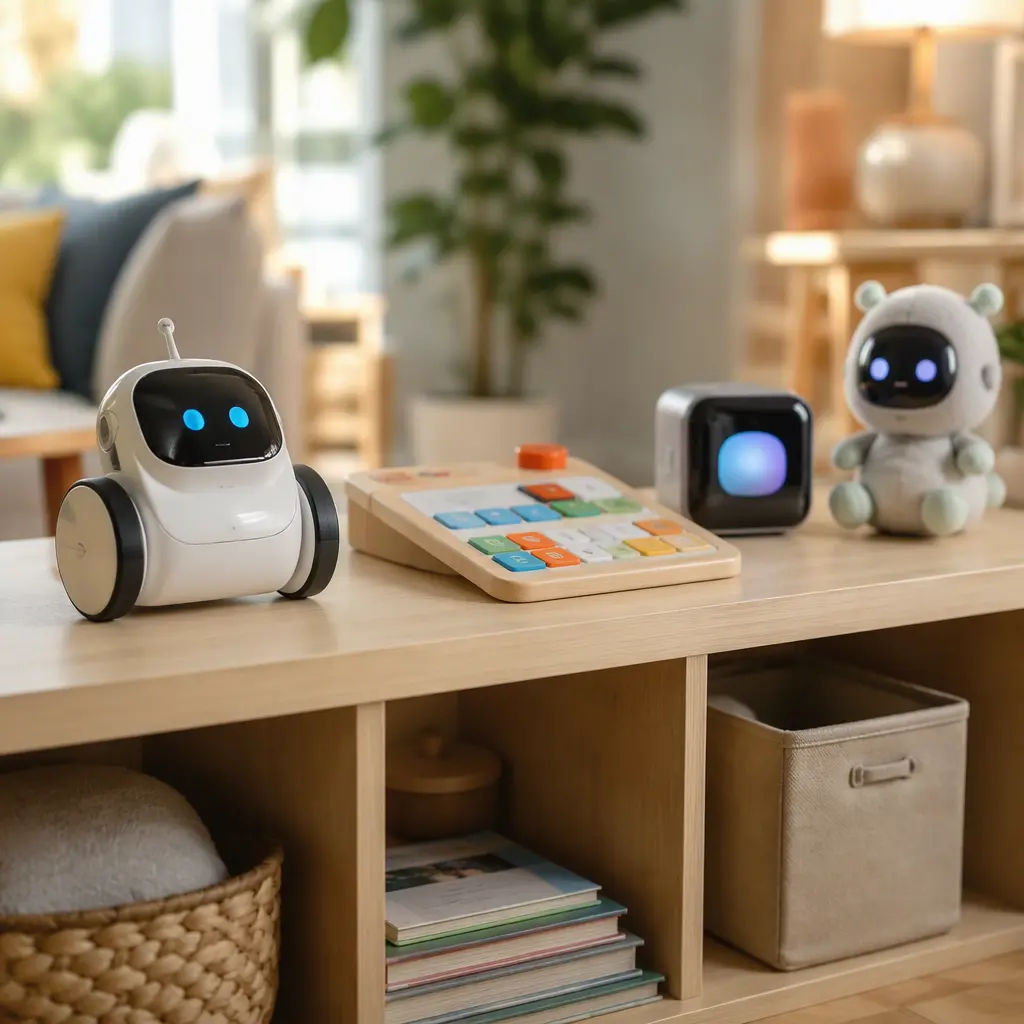
AI toys for children now range from simple voice-enabled robots to cloud-connected companions that can answer questions, hold conversations and adapt to a child’s responses. For parents shopping for Christmas 2026, the difficult part is not finding a connected toy but deciding which features are genuinely useful for play and learning. This guide compares a small set of widely discussed AI toy categories and products, including BALL 2 where relevant, using public information from manufacturers and retailers. It focuses on ages 9–12 and looks closely at microphones, cameras, app dependence, subscriptions, parental controls, UK availability and how well each toy still works when offline.
What to look for
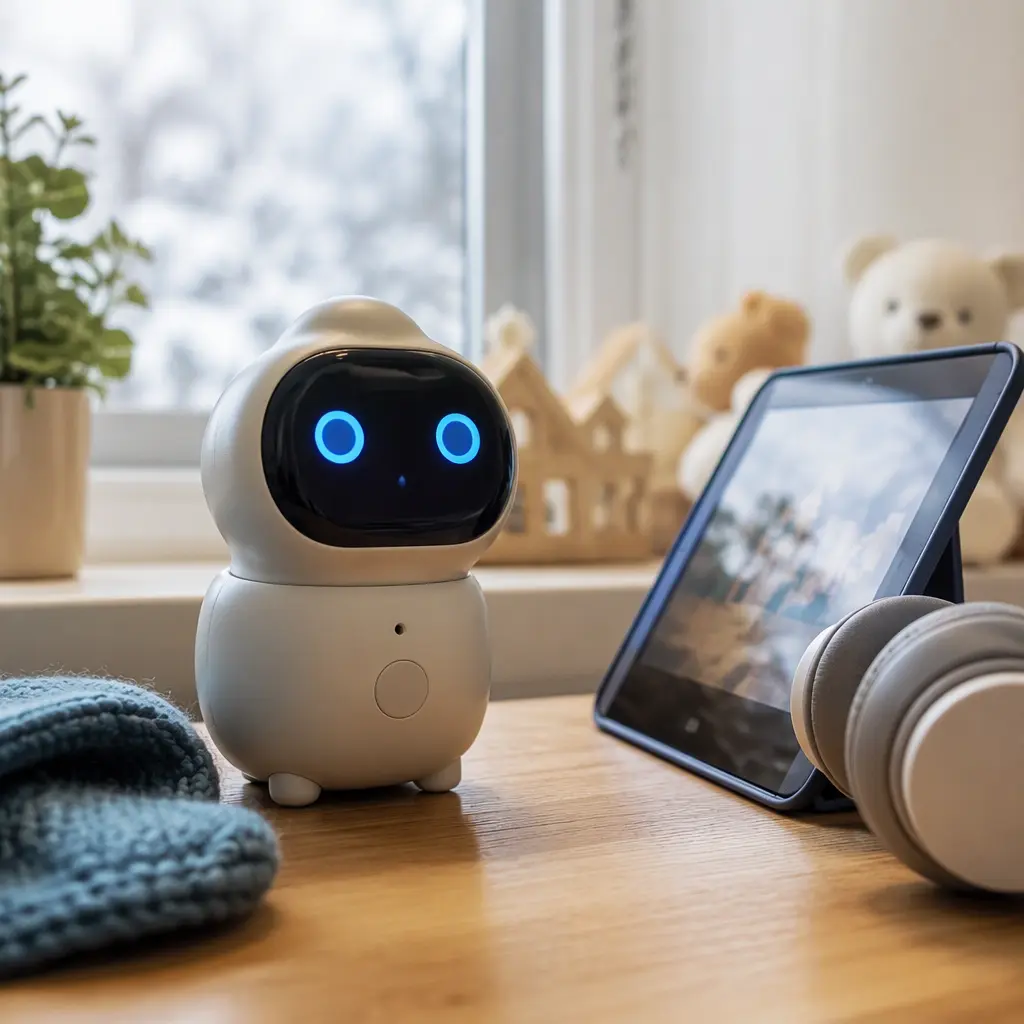
The term “AI toy” is used loosely. Some products use cloud-based generative AI to create open-ended conversations or stories, while others rely on simpler speech recognition, scripted responses or sensor-driven interactions. That difference matters because it affects privacy, internet dependence and how predictable the toy behaves. For children aged 9–12, the strongest options usually balance interactive features with clear boundaries and offline play value rather than acting as unrestricted chatbots.
- Check whether the toy includes microphones or cameras, and whether recordings are stored locally or sent to cloud services.
- Look for clear parental controls, including content filters, time limits, conversation history access or the ability to disable online features.
- Confirm whether the toy needs a permanent app connection or paid subscription to unlock core features.
- Consider offline usefulness. Some smart toys become very limited without Wi‑Fi, while others still support games, coding or movement play.
- Review device compatibility carefully. Many AI toys depend on recent iOS or Android versions for setup and updates.
- Think about noise levels and shared spaces. Voice-based toys can become repetitive or distracting in smaller homes.
- Storage and charging matter more than many parents expect. Larger robots often need floor space and regular charging routines.
- UK availability and support life can vary. Some AI toy platforms launch in the US first or lose app support after only a few years.
Age suitability
Children aged 9–12 are often drawn to AI toys that feel more independent and conversational than toys aimed at younger children. At this age, many children can understand basic privacy discussions, app permissions and online safety rules, but they still benefit from supervision around connected devices. Coding-oriented robots and creative AI storytelling toys tend to work well because they encourage experimentation instead of passive entertainment. Younger children within this range may prefer toys with clear game structures or movement-based activities, while older tweens often expect more natural conversation and deeper customization. Parents who want fully screen-free play may find that many AI toys still rely heavily on companion apps, even when marketing suggests otherwise.
Options compared
Conversational AI companions are the category attracting the most attention heading into Christmas 2026. Products such as BALL 2 and similar AI-enabled companion robots focus on natural interaction, voice conversations and adaptive responses. Manufacturer claims often highlight emotional engagement, personalized chats or educational conversation prompts. These toys can feel impressive at first, especially for older tweens who enjoy technology and experimentation. The trade-off is that most depend heavily on cloud services and active internet connections. Parents should expect microphones to remain central to the experience, and some products may process voice data remotely. Before buying, it is worth checking whether the company explains data handling policies clearly and whether the toy still functions in a meaningful way offline.
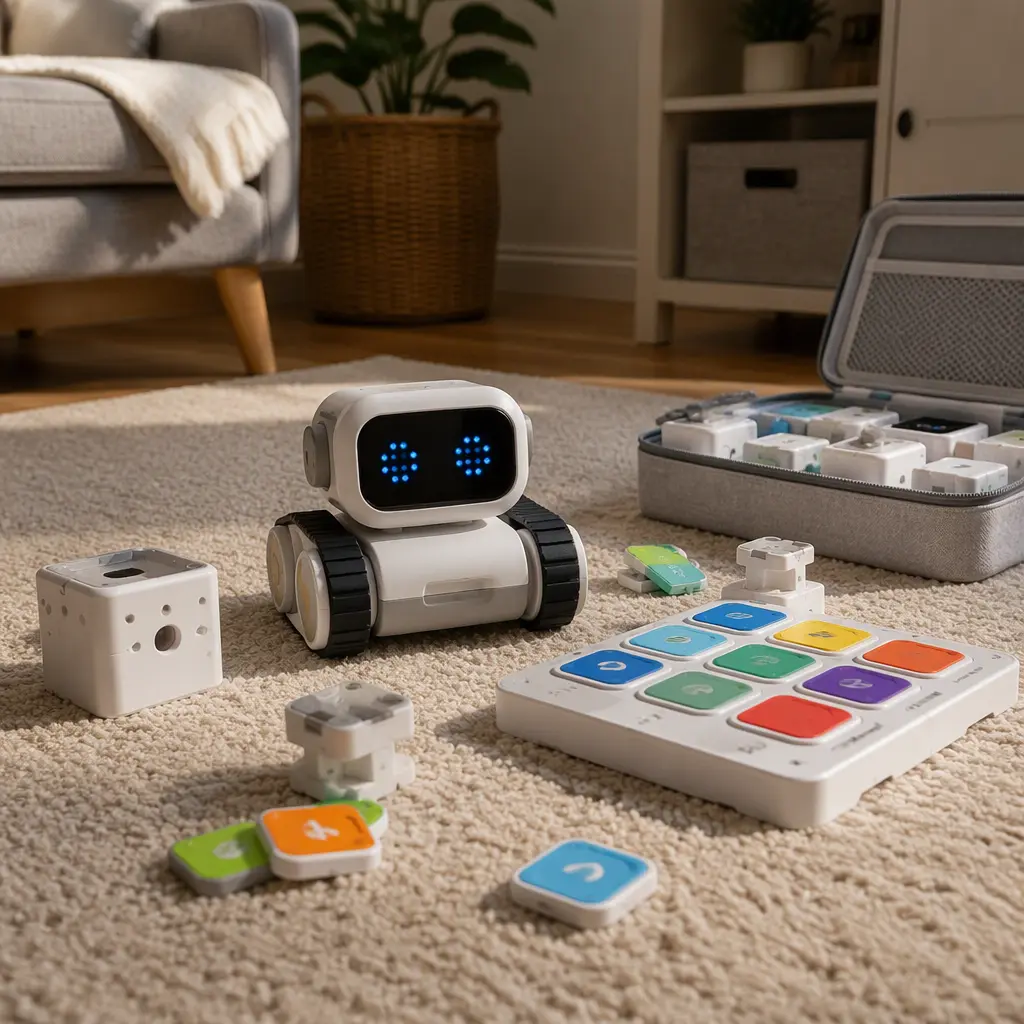
Coding and STEM-focused AI toys usually offer stronger long-term play value for this age group. Robots from established educational brands often combine sensors, simple machine-learning concepts or programmable behaviors with app-based coding challenges. These products tend to suit children who already enjoy Minecraft, robotics clubs or creative building sets. They are generally less conversational than AI companions but may provide more repeatable activities and clearer educational goals. The downside is that setup can be more complicated, and some children lose interest if the toy feels too much like schoolwork.
- AI companion robots: Best for children who enjoy conversation, novelty and personalization. Less suitable for privacy-conscious households or families wanting minimal screen and cloud dependence.
- Coding and STEM robots: Strong choice for problem-solving and longer-term learning value. Better for patient children who enjoy structured projects.
- Smart plush or pet-style AI toys: Usually simpler and more emotionally focused. Suitable for quieter play but sometimes limited once the novelty fades.
- App-led AR and AI game systems: Often visually impressive but usually depend heavily on tablets or phones. Less appealing for families seeking offline or screen-light play.
- Voice-assistant-style toys: Convenient for trivia, stories and reminders, but parents may find them too similar to existing smart speakers to justify separate toy use.
Frequently asked questions
Are AI toys safe for children aged 9–12?
Safety depends less on the AI label itself and more on connectivity, moderation and supervision. Parents should review microphone and camera permissions, account controls and whether the manufacturer explains how conversations and data are handled. Toys with strong parental dashboards and clear privacy documentation are generally easier to manage.
Do AI toys work without the internet?
Some do partially, but many conversational features rely on cloud processing. Coding robots and sensor-based toys usually retain more offline functionality than chatbot-style companions. If reliable offline play matters, check manufacturer support pages before buying.
Do these toys require subscriptions?
Some AI toys include optional subscriptions for expanded conversations, extra content libraries or cloud features. Others may use credit systems or app purchases. Parents should confirm whether the core toy remains useful without ongoing payments because subscription models vary widely between brands.
Is BALL 2 suitable for children?
BALL 2 is marketed as an AI-enabled interactive companion device, and its suitability depends on how comfortable a family is with voice interaction and connected features. Parents should review whether microphones can be muted, what parental controls are included and how dependent the toy is on cloud services before purchase.
Which type of AI toy gives the best long-term value?
For many families, coding and STEM-oriented robots offer the longest useful lifespan because children can revisit challenges and build new projects over time. Purely conversational toys can feel exciting initially but may lose appeal if updates slow down or cloud services change.
AI toys for Christmas 2026 can be engaging, creative and educational when chosen carefully, but the connected features deserve as much attention as the play pattern itself. For ages 9–12, the strongest choices are usually the ones that balance interactive technology with clear parental controls, reasonable offline usefulness and activities that stay interesting after the first week. Treat manufacturer AI claims cautiously, compare privacy details before buying and think about how the toy fits your household’s screen, noise and supervision preferences.