Chess: How an ancient game keeps finding new players
From medieval courts to mobile apps, chess has crossed cultures and centuries. Its simple pieces hide deep strategy, helping the game stay relevant for kids, adults, and competitors alike.
Compare prices and availability
Check current prices and availability for this guide on eBay.
As an eBay Partner, we may be compensated if you make a purchase.
Chess is one of those rare toys that feels both timeless and modern at once. The pieces are simple, the board is spare, and the rules fit on a few pages — yet the game keeps revealing new layers the longer you play. For centuries it has been a pastime for scholars, soldiers, families, and now online communities, proving that a strong idea can outlast any trend.
Where it came from
Most historians trace chess back around 1,500 years to India, where a game called chaturanga represented the four divisions of an army. From there it traveled through Persia and the Islamic world before reaching Europe, changing rules and piece movements along the way.
By the late Middle Ages, chess had become recognizable in its modern form, with the queen gaining her powerful movement and checkmate becoming the clear goal. Unlike many old games, chess never needed a single company or inventor to keep it alive. It survived because people kept teaching it, adapting it, and finding meaning in it.
Why it works
At its heart, chess works because it balances clarity with depth. Each piece has a fixed way of moving, and both players start with identical forces. From that fair starting point, every game becomes a test of planning, patience, and creativity.
- Simple physical components: 32 pieces and a checkered board
- Perfect information: no hidden cards or dice
- Short rules with long-term strategic consequences
- Meaningful choices from the very first move
This combination makes chess easy to learn but hard to master. A beginner can enjoy moving pieces on day one, while experienced players can spend a lifetime studying openings, tactics, and endgames without running out of challenges.
Who it's for
Chess is often introduced to children around ages 5–7, once they can follow turn-based rules and think a few moves ahead. For adults, it offers a quiet but engaging way to compete, relax, or sharpen thinking skills. Because it scales so well, families can play together even when skill levels differ.
Variants and what to look for today
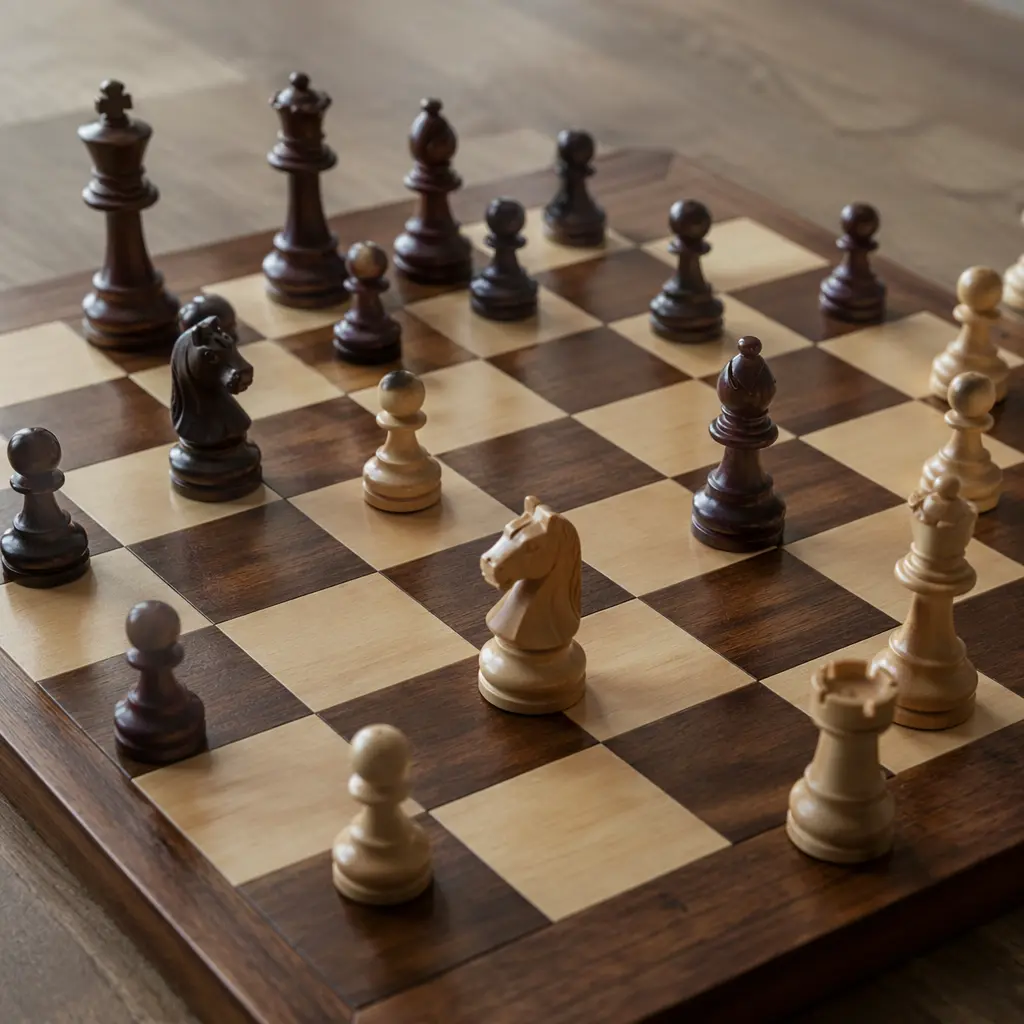
Modern chess sets range from traditional wooden boards to magnetic travel sets and oversized garden versions. Electronic boards and companion apps can track moves or offer coaching, while still keeping the core game intact.
When choosing a set today, look for clear piece shapes that are easy to tell apart and a board with good contrast between squares. Very cheap sets can have unstable pieces or poorly printed boards, which can distract from play. At the family level, durability and clarity matter more than decorative detail.
Frequently asked questions
Is chess still relevant in the age of video games?
Yes. Online platforms, streaming, and school programs have introduced chess to new audiences. Digital play has made it easier to learn and practice, while the core game remains unchanged.
How long does a typical game last?
Casual games can finish in 20–30 minutes, while competitive matches may last several hours. Time controls let players choose what suits them.
Do you need to memorize a lot to enjoy chess?
No. Memorization can help at higher levels, but most casual players improve by understanding basic ideas like controlling the center and protecting the king.
Can chess help with learning and development?
Many parents and teachers use chess to encourage concentration, planning, and sportsmanship. While it is not a cure-all, it can support broader thinking skills.
Chess has endured because it asks the same question every time the board is set: what will you do with equal resources and an open field of possibilities? As long as people enjoy thinking a few moves ahead, this ancient game will keep finding new players.