Classic Board Games Kids Learn in Five Minutes
A parent-friendly guide to classic-style board games that get kids playing fast. Learn what to look for, age fit for 6–8 years, and which game types are easiest to explain and enjoy.
Compare prices and availability
Check current prices and availability for this guide on eBay.
As an eBay Partner, we may be compensated if you make a purchase.
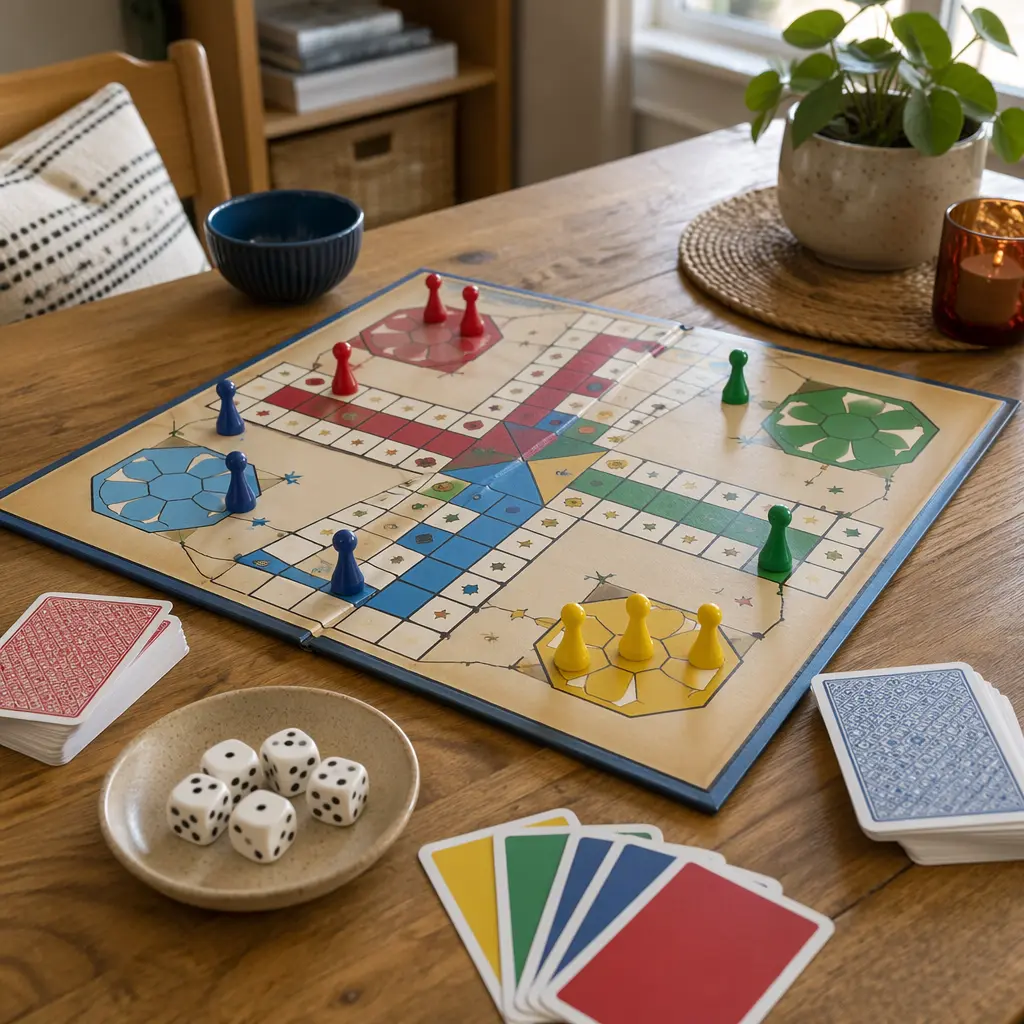
Some board games earn a permanent spot in family closets because they are quick to explain, easy to remember, and fun across ages. For kids ages 6–8, classic-style board games with simple rules can turn a short window of free time into a full round of play—without a long setup or rulebook study. This guide focuses on fast-start games that help families get playing in about five minutes.
What to look for
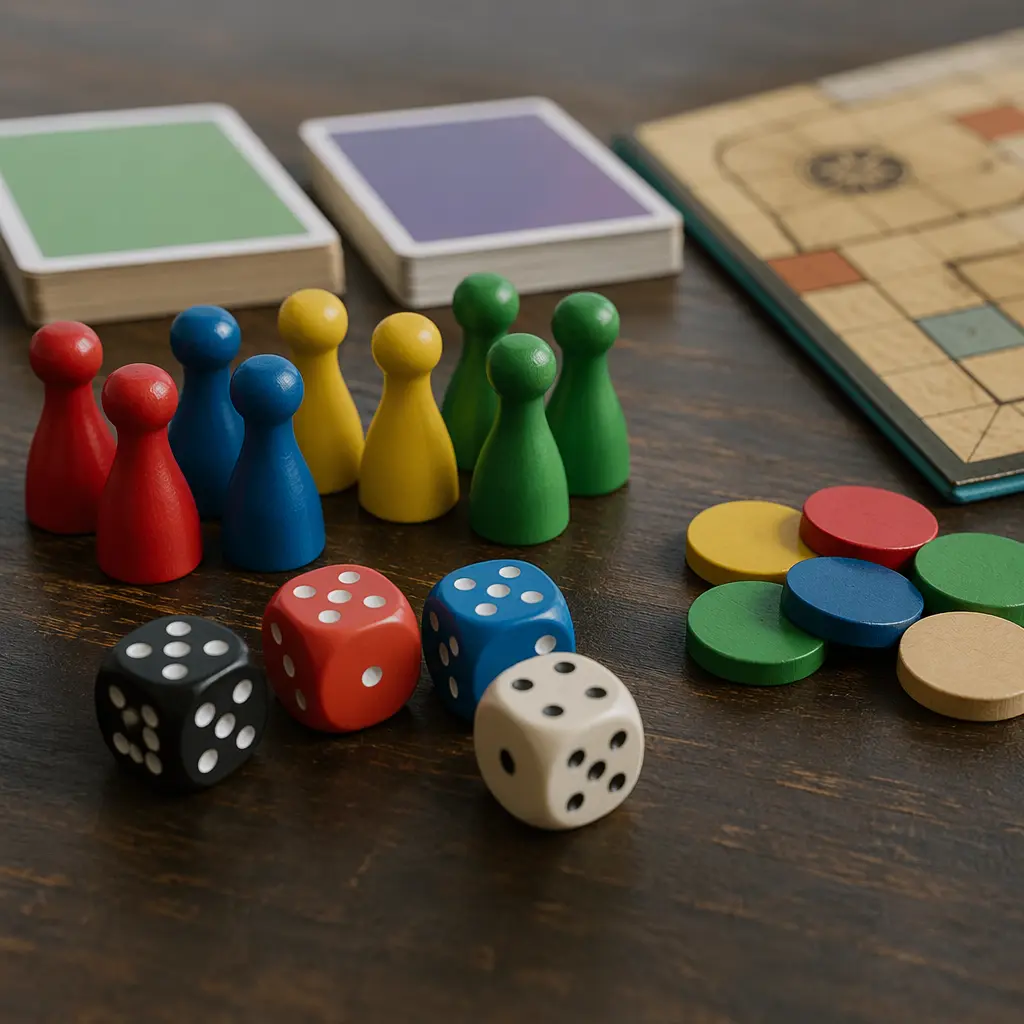
Fast-learning board games share a few design traits that make them approachable for young players and low-stress for parents. These features reduce rule confusion and help kids feel confident jumping in.
- Clear objectives: Players should know how to win after one explanation.
- Limited rules: Look for games with one main action per turn.
- Visual cues: Boards and cards that show what to do without reading blocks of text.
- Short turns: Minimal waiting keeps kids engaged and reduces frustration.
- Predictable structure: A consistent turn order helps children learn by repetition.
Age suitability
For children ages 6–8, games should balance simplicity with a sense of progress or challenge. At this stage, most kids can count, follow multi-step directions, and handle friendly competition. However, attention spans still vary. Games that last 15–30 minutes and allow easy restarts tend to work best. Avoid games that rely heavily on reading or complex math unless they are clearly labeled for early elementary players.
Standout categories or types
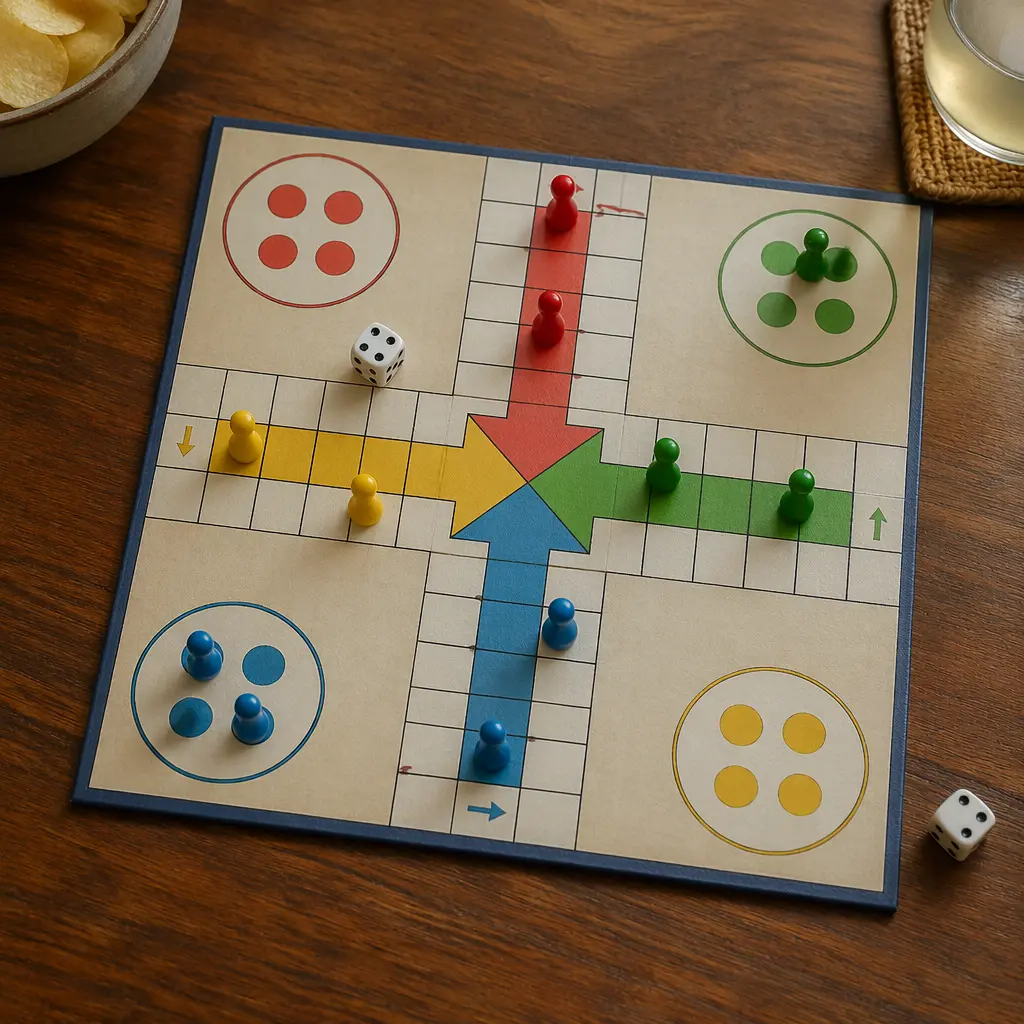
Rather than focusing on specific titles, it helps to understand the types of classic games that are easiest to teach. These categories have stood the test of time because kids can grasp them quickly and enjoy them repeatedly.
- Roll-and-move games: Players roll a die and move along a track. These are often the fastest to explain and ideal for first-time players.
- Matching and memory games: Simple turn-based play that rewards observation and recall, with minimal rules.
- Take-turns card games: Games where players draw, play, or discard one card per turn with a clear goal.
- Abstract strategy with few pieces: Grid or pattern-based games with simple movement rules and no reading required.
Frequently asked questions
Can kids really learn these games in five minutes?
Yes, if the game is designed with simple turns and clear goals. Many classic-style games can be explained while setting up, with kids learning the finer points as they play the first round.
Are these games educational or just for fun?
They can be both. Quick-start games often reinforce counting, turn-taking, problem-solving, and sportsmanship. While they may not feel like lessons, kids still practice useful skills.
What if my child gets frustrated easily?
Look for games with low penalties and frequent chances to catch up. Cooperative or low-competition formats can also help children enjoy the experience without focusing too much on winning.
Do these games work for mixed-age families?
Many classic designs scale well. Older players can enjoy the strategy or social aspect, while younger kids follow the basic rules. This makes them useful for family game nights with siblings or visiting relatives.
Classic board games that are easy to learn offer a reliable way to bring families together without preparation stress. By focusing on simple mechanics and age-appropriate design, parents can choose games that get kids playing quickly—and keep them coming back for another round.