Outdoor Toys That Encourage Independent Play (Ages 6–8)
A buyer’s guide to backyard toys that kids ages 6–8 can use on their own—no screens, apps, or adult setup. Focused on open-ended play, durability, and confidence-building fun.
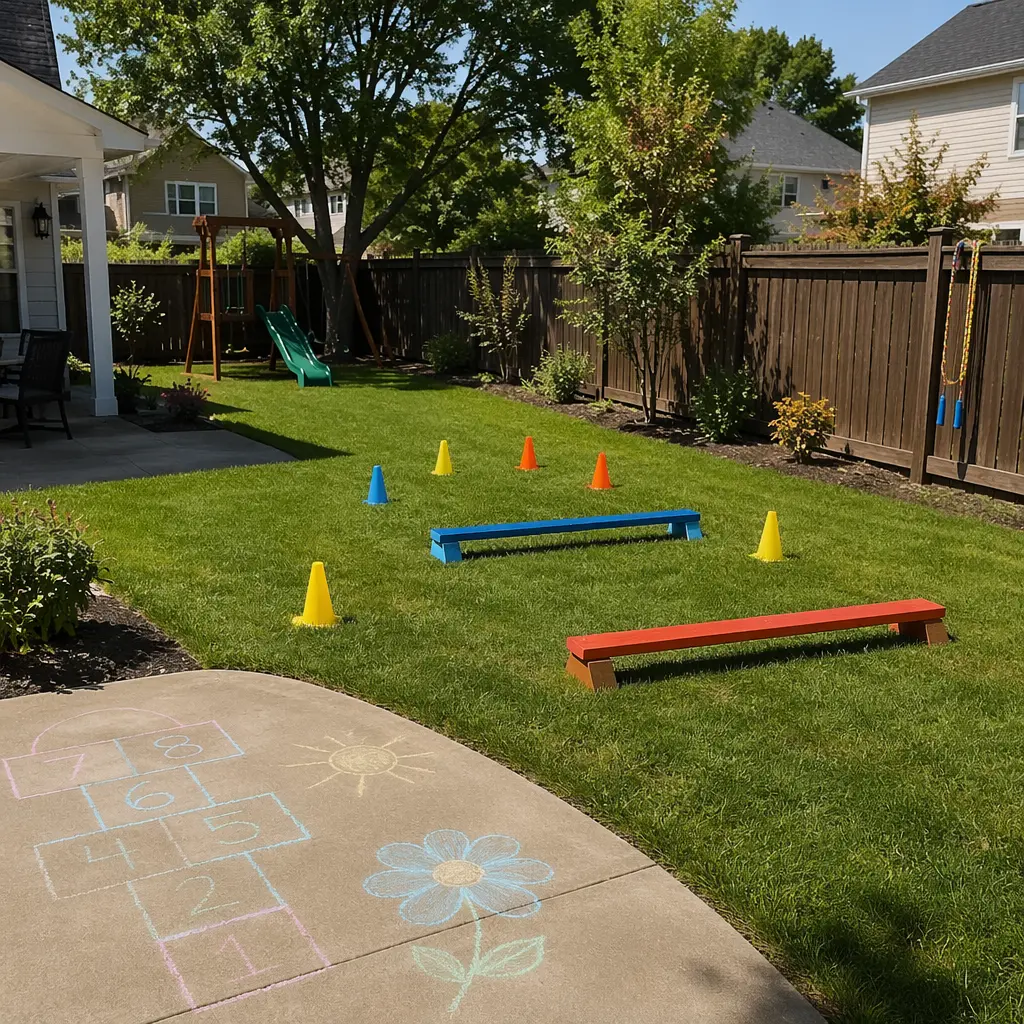
Compare prices and availability
Check current prices and availability for this guide on eBay.
As an eBay Partner, we may be compensated if you make a purchase.
Kids ages 6–8 are often ready for more independence in their play. They can follow basic rules, invent their own games, and spend longer stretches focused on an activity. Outdoor toys that support this stage work best when they’re simple, durable, and flexible—things kids can grab and use without adult setup, screens, or complicated instructions. This guide looks at backyard-friendly options that encourage movement, creativity, and confidence while letting kids take the lead.
What to look for
Independent outdoor play works best when toys are easy to understand and forgiving to use. At this age, kids enjoy a mix of physical challenge and imaginative freedom, without needing constant rule explanations or adult intervention.
- Low setup: Toys that are ready to use right out of storage, or that kids can set up themselves.
- Open-ended play: Items that can be used in many ways, rather than only one fixed activity.
- Durable materials: Weather-resistant plastics, sealed wood, or metal designed for outdoor use.
- Appropriate challenge: Enough difficulty to feel exciting, but not so hard that kids give up quickly.
- Compact storage: Easy to carry, stack, or store without taking over the yard.
Age suitability
For ages 6–8, outdoor toys should match growing coordination and strength while still allowing room to practice skills. Kids in this range can usually pedal, balance, throw with accuracy, and follow multi-step ideas. Look for toys that don’t feel “babyish,” but also don’t assume teen-level strength or risk awareness. Adjustable or scalable toys—those that can be used in easier and harder ways—tend to last longer as kids grow.
Standout categories or types
Certain types of outdoor toys consistently support independent play for this age group because they don’t rely on adult explanations or electronics. They also encourage kids to set their own goals, whether that’s beating a personal record or inventing a new game.
- Ride-on and balance toys: Pedal-powered or foot-powered options help build coordination and confidence without requiring charging or apps.
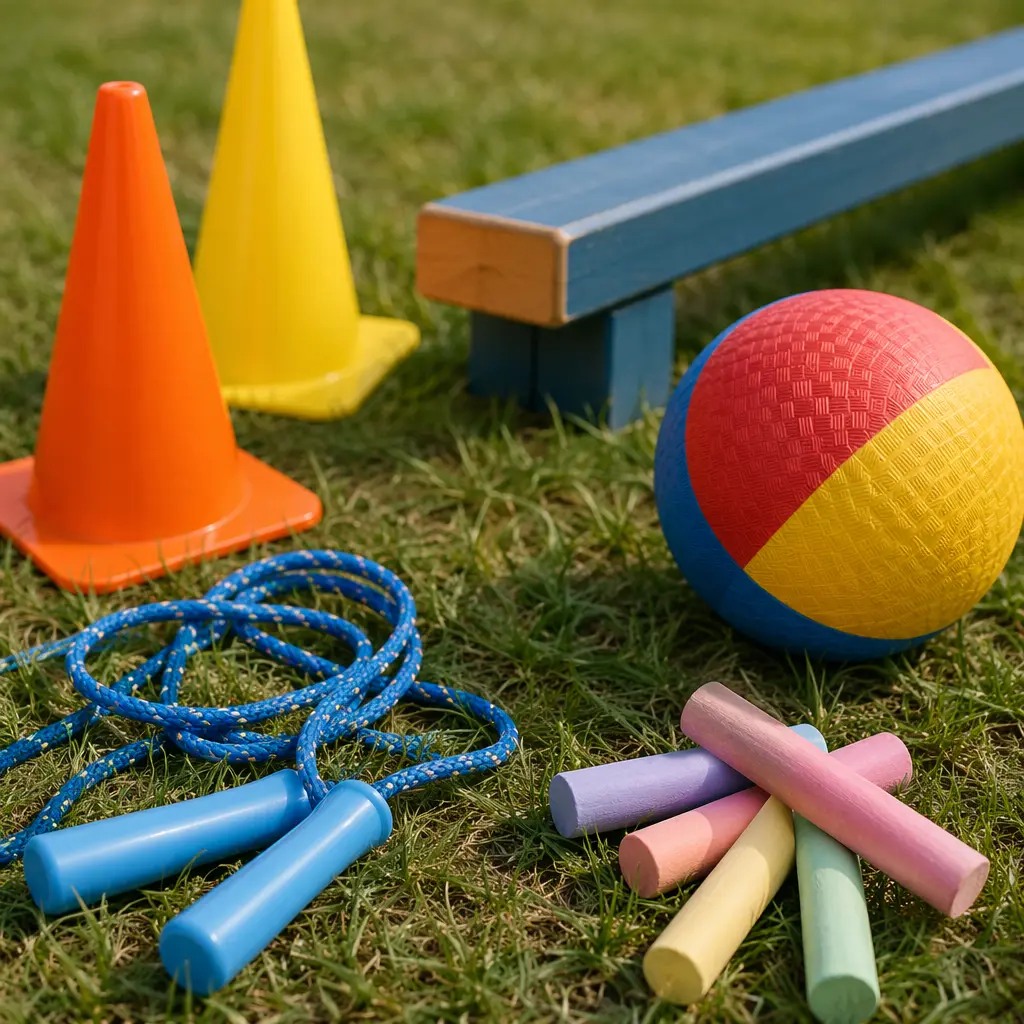
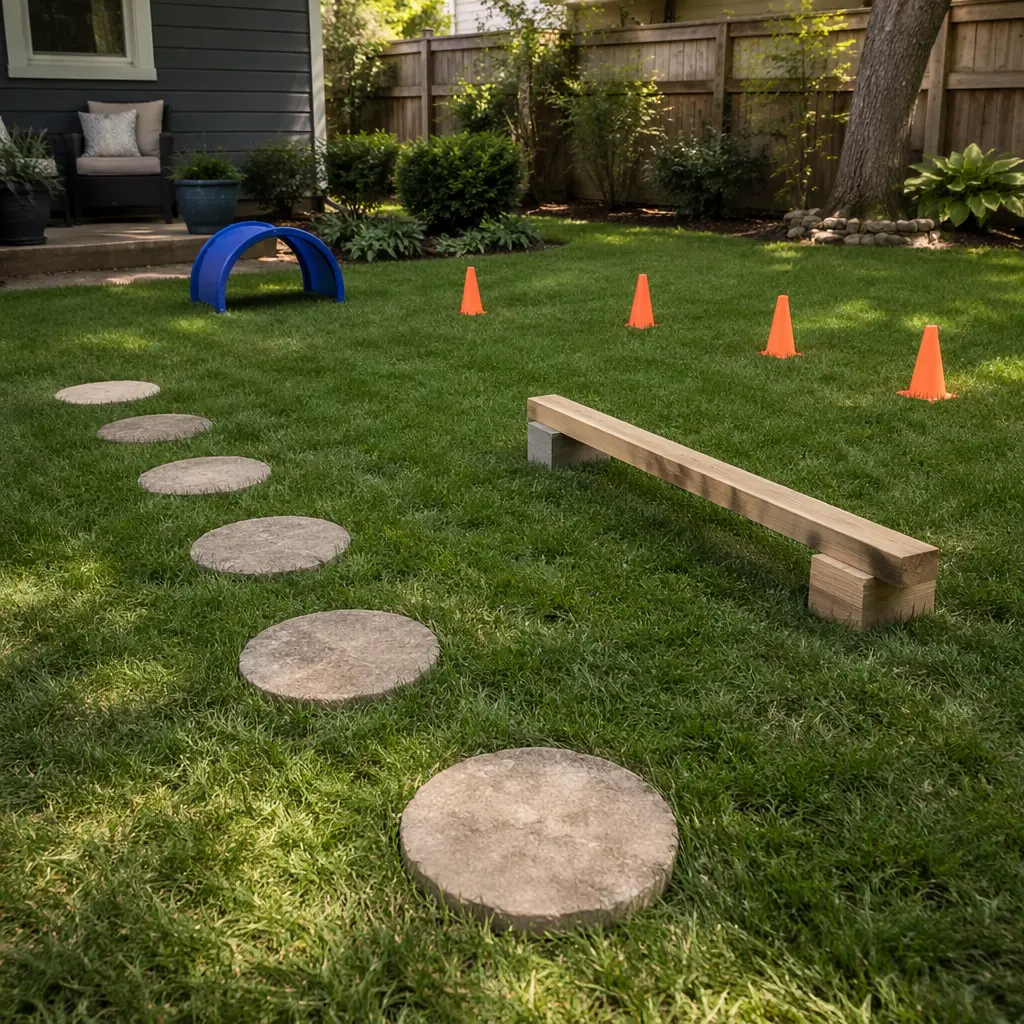
- Obstacle and agility gear: Cones, hurdles, balance paths, and stepping stones can be rearranged endlessly for new challenges.
- Throw-and-catch toys: Balls, targets, and tossing games help develop hand-eye coordination and can be played solo or with others.
- Creative ground play: Outdoor chalk and similar tools let kids design games, racetracks, or art directly on pavement.
- Classic active toys: Items like jump ropes or simple flying toys encourage movement and self-paced practice.
Frequently asked questions
Can independent outdoor toys really hold a child’s attention?
Yes, especially when the toy allows kids to set their own challenges. Open-ended toys often keep attention longer than complex ones because kids can adjust the difficulty or invent new rules when they get bored.
How much space do these toys require?
Many independent-play toys work in small yards, driveways, or patios. Look for items that can be used in a straight line, a small loop, or a defined play zone rather than needing a large open field.
Are these toys suitable for solo play only?
Most can be used alone or with siblings and friends. A good independent-play toy supports solo use but also scales easily into group play without changing equipment.
What about weather and storage?
Outdoor toys should handle sun and light moisture, but most last longer if stored in a shed or garage. Foldable or stackable designs make cleanup easier and help kids manage storage themselves.
The best outdoor toys for ages 6–8 don’t try to entertain kids for them. Instead, they give just enough structure for kids to explore, practice, and play on their own terms. When toys are simple, durable, and flexible, they support independence while keeping kids active and engaged outside.