Screen-Free Logic Games Teens Actually Replay
A buyer-focused guide to challenging, screen-free logic games for teens. Learn what features matter, age fit, and the types of board and puzzle games that keep 13+ players coming back without screens.
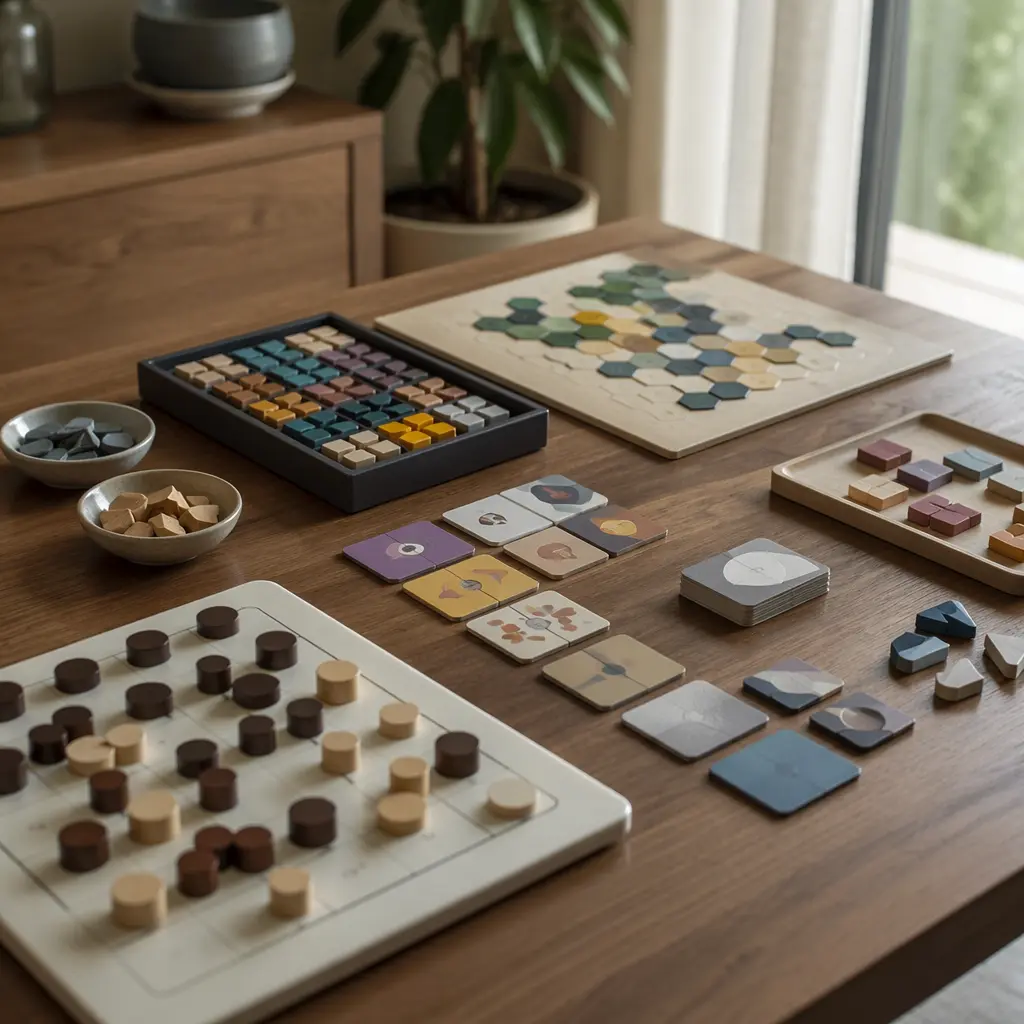
Compare prices and availability
Check current prices and availability for this guide on eBay.
As an eBay Partner, we may be compensated if you make a purchase.
Many parents look for screen-free games that can truly compete with tech habits, especially for teens. The games that succeed tend to share one thing: they respect teens’ intelligence. Logic-based board and puzzle games offer challenge, choice, and replay value, making them feel less like an assignment and more like a genuine alternative to scrolling.

What to look for
Not every logic game holds teen attention. When shopping, focus on design choices that reward thinking and allow players to improve over time. Games that feel fair, flexible, and mentally engaging are more likely to get repeat play.
- Meaningful decisions: Players should face trade-offs rather than obvious right answers.
- Replayability: Variable setups, multiple solutions, or changing goals help games stay fresh.
- Clear rules with depth: Easy-to-learn systems that lead to complex outcomes work best.
- Reasonable play time: Sessions under an hour fit busy schedules and reduce burnout.
- Solo or competitive options: Teens often appreciate being able to play alone or head-to-head.
Age suitability
Games labeled for ages 13+ usually assume strong reading skills, patience, and the ability to plan several steps ahead. Teens at this stage can handle abstract concepts, strategic thinking, and longer-term goals. However, maturity and interest matter more than age alone. A younger teen who enjoys math or puzzles may thrive, while an older teen may prefer lighter challenges. Checking complexity ratings and sample gameplay descriptions can help match the game to your teen’s tolerance for difficulty.
Standout categories or types
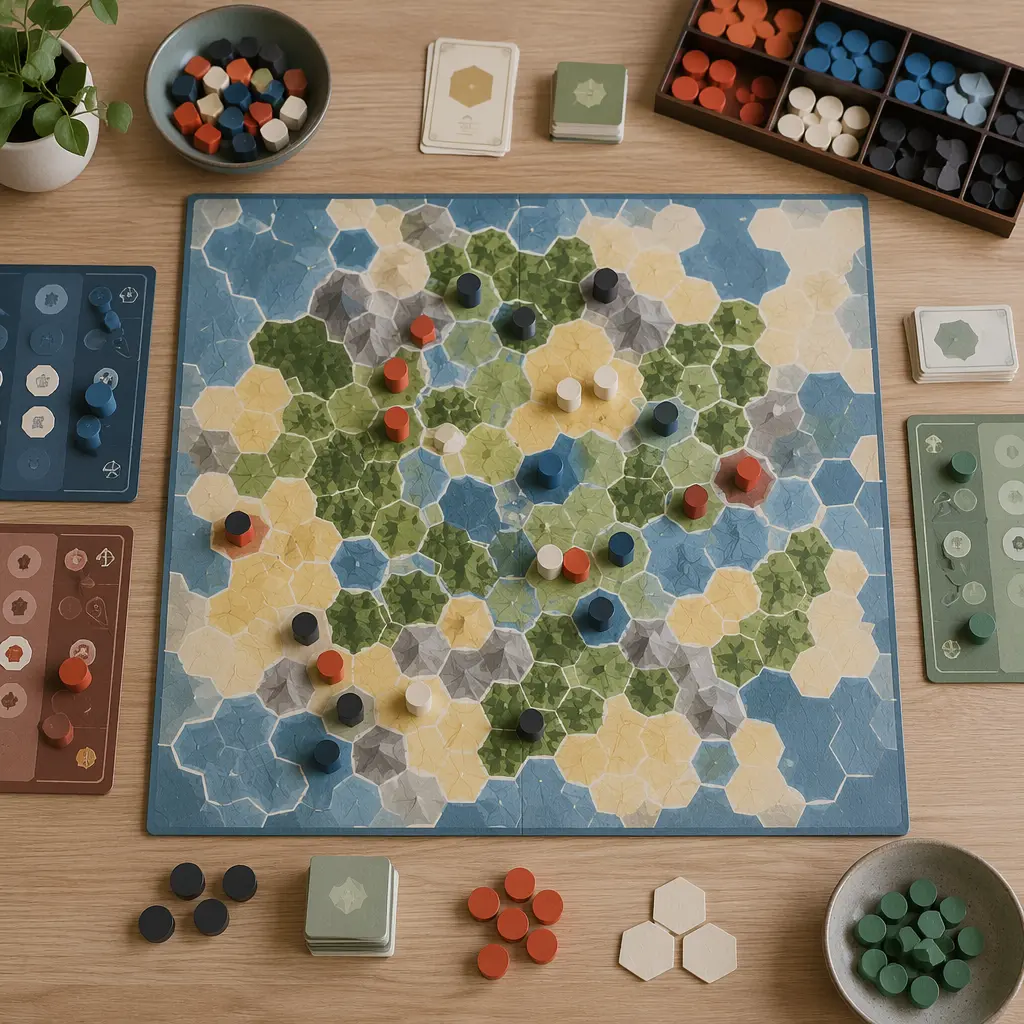
Logic games for teens come in several broad styles, each appealing to different thinking strengths. Some focus on pure deduction, while others blend logic with planning or spatial reasoning. Understanding these categories can make shopping easier.
- Abstract strategy games: Minimal themes with deep tactics, often compared to classic chess-like experiences.
- Deduction and reasoning games: Players gather clues, eliminate possibilities, and reach logical conclusions.
- Solo logic puzzles: Self-contained challenges with escalating difficulty, ideal for independent play.
- Tile and pattern games: Emphasize spatial reasoning, optimization, and forward planning.
- Cooperative logic challenges: Players work together to solve a system or puzzle under shared constraints.
Frequently asked questions
Do logic games really compete with screens?
They can, especially when the game offers challenge and autonomy. Teens are more likely to replay games that let them experiment, improve, and feel smart rather than ones that rely on luck or repetition.
Are these games educational or just for fun?
Many logic games build skills like critical thinking, planning, and pattern recognition, but they are designed primarily for enjoyment. The learning happens naturally through play rather than formal instruction.
Can one teen play alone, or are multiple players required?
Some logic games are built specifically for solo play, while others include solo modes alongside competitive options. This flexibility is useful for teens who want a screen-free activity on their own schedule.
How hard is too hard?
A good rule is that early challenges should feel solvable with effort. Games that are punishing from the start may get abandoned, while those with gradual difficulty curves tend to see more replays.
Screen-free logic games won’t replace technology entirely, but the right ones can earn a regular spot on a teen’s shelf. By focusing on thoughtful design, appropriate challenge, and replay value, parents can choose games that feel engaging rather than forced, supporting both fun and mental exercise without a screen in sight.