Tech Toys for Toddlers: Cause & Effect Without Overload
A buyer-focused guide to tech toys for ages 1–2 that teach cause and effect through simple actions, calm feedback, and age-appropriate design—without sensory overload.
Compare prices and availability
Check current prices and availability for this guide on eBay.
As an eBay Partner, we may be compensated if you make a purchase.
Lights-and-sounds toys can be useful for toddlers—but only when they clearly connect an action to an outcome. For ages 1–2, the learning goal is simple cause and effect: press a button and something predictable happens; drop a ball and it triggers a response. This guide helps parents filter tech toys so they add learning without sensory overload, focusing on calm feedback, clear controls, and age-appropriate pacing.
What to look for
At this age, toddlers learn best when a toy’s response is immediate, consistent, and easy to understand. Complex menus, long sound sequences, or constant flashing can distract from the core lesson. The goal is not to entertain nonstop, but to help toddlers notice patterns between what they do and what happens next.
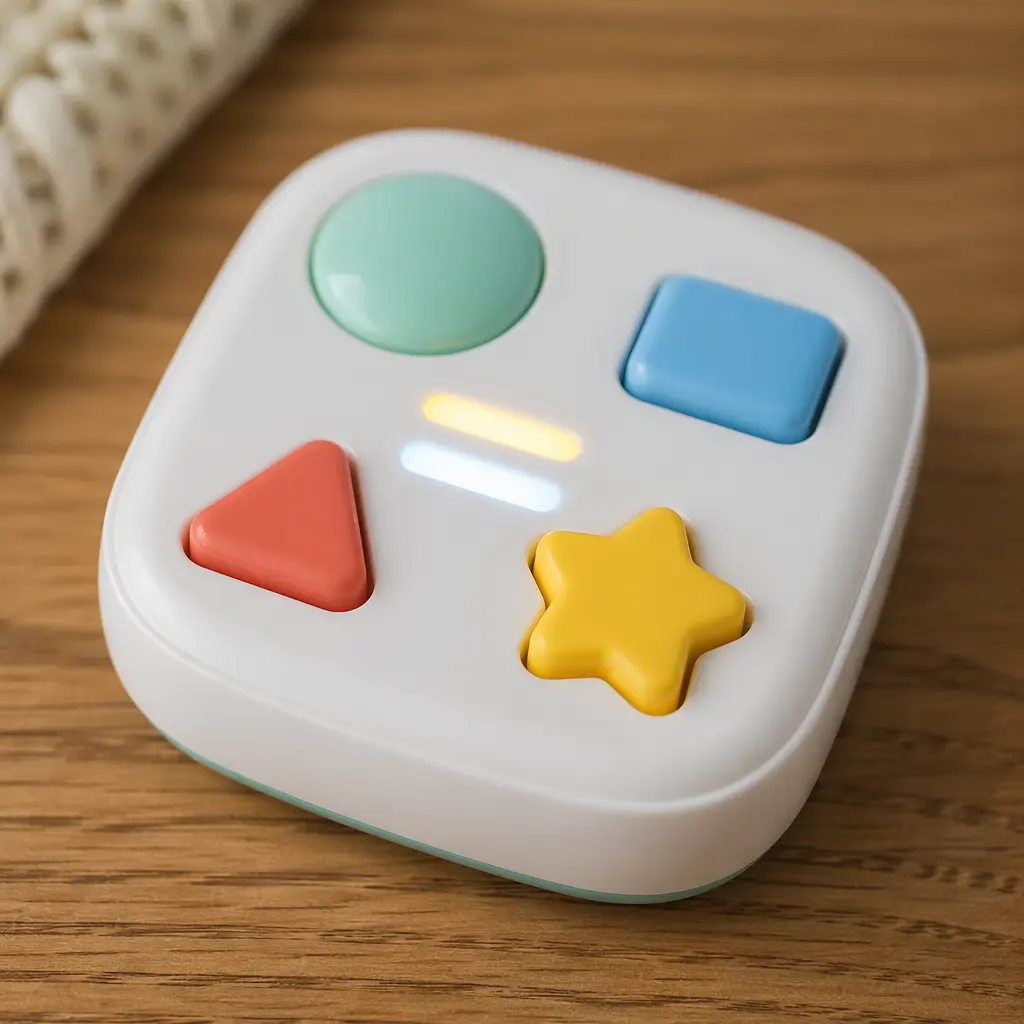
- One clear action, one clear result (press, turn, drop, or slide)
- Immediate feedback without long delays or layered effects
- Limited lights and sounds that stop when the action stops
- Large, well-spaced controls sized for small hands
- Sturdy construction that tolerates banging and dropping
- Volume controls or naturally quiet sound output
Age suitability
For children 12–24 months, cause-and-effect learning is still very concrete. Toddlers are not yet ready to understand sequences or goals; they are testing, “What happens if I do this again?” Toys should reward repetition without escalating stimulation. Look for designs that work even when used imperfectly—toddlers may press multiple buttons at once or use toys in unexpected ways.
Standout categories or types
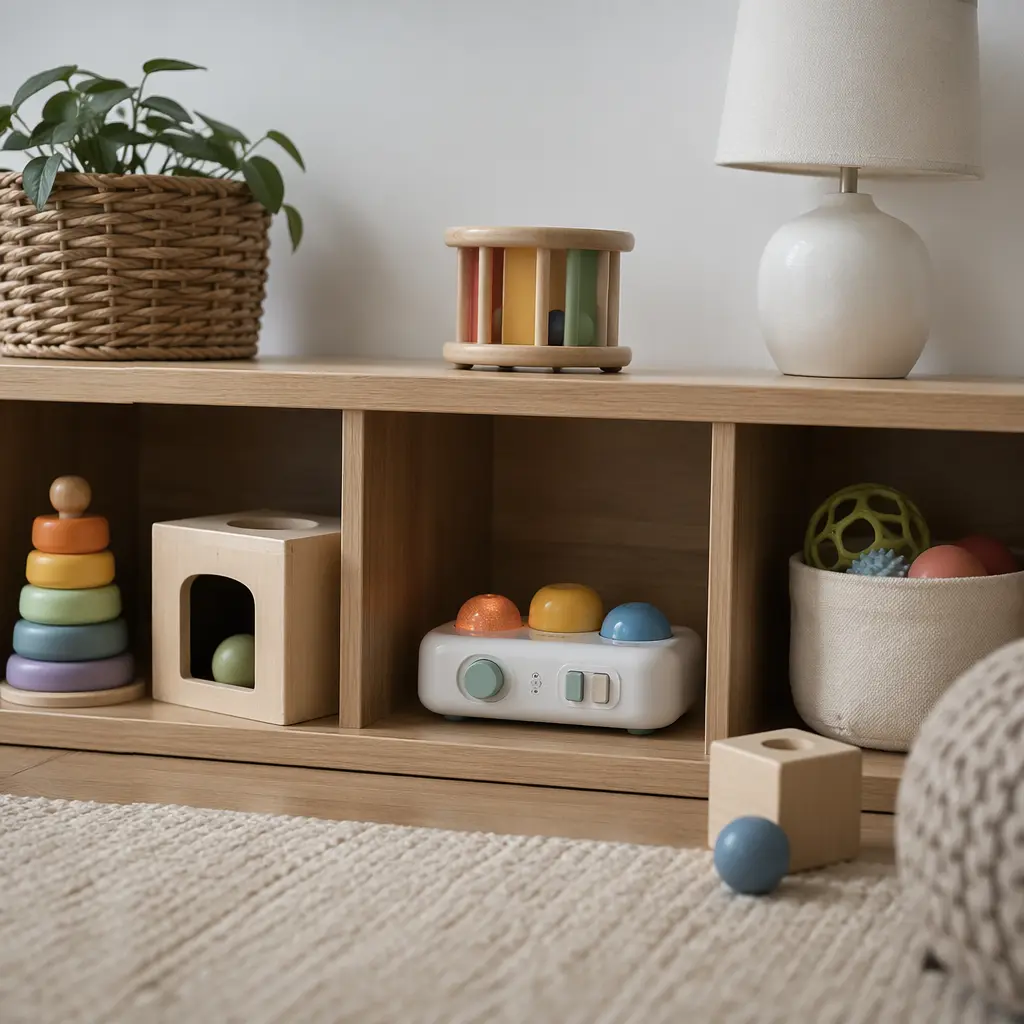
Not all tech toys teach cause and effect equally. Some designs naturally support learning by keeping feedback tied tightly to a single action. These categories tend to work well for toddlers because they are intuitive and forgiving.
- Button-activated toys with one sound or light per button
- Drop-and-respond toys where an item triggers a sound when released
- Simple switches or sliders that turn effects on and off
- Motion-activated toys that respond only when moved
- Musical toys that play a short tone per action, not full songs
When comparing options, notice whether the toy stays interesting without escalating volume or speed. The best designs encourage toddlers to pause, repeat, and experiment, rather than frantically press everything at once.
Frequently asked questions
Do tech toys really teach cause and effect?
They can, when the response is simple and consistent. Toddlers learn that their action caused the outcome, not that the toy is acting on its own. Overly complex effects can blur this connection.
How much sound and light is too much?
If the toy keeps playing after your child stops interacting, it may be doing the work for them. Brief sounds and gentle lights that end quickly help toddlers stay in control of the experience.
Are batteries a deal-breaker for toddler toys?
Not necessarily. Battery-powered toys can be fine if the compartment is secured and the toy still functions without constant power-hungry effects. Low-energy designs often support better learning.
How long should a toddler play with tech toys?
Short sessions are best. A few focused minutes of experimenting and repeating actions can be more valuable than long stretches of passive play.
When chosen carefully, tech toys can support early learning without overwhelming young children. Focus on simplicity, predictable responses, and durable design, and treat these toys as one small part of a balanced play environment that also includes open-ended and physical play.