Why Air-Dry Pottery Kits Keep Finding a New Audience
Blue Marble and National Geographic’s air-dry pottery studio arrives at a moment when tactile craft toys are thriving again, blending hands-on creativity with social-video-friendly results and low-barrier home crafting.
Compare prices and availability
Check current prices and availability for this guide on eBay.
As an eBay Partner, we may be compensated if you make a purchase.
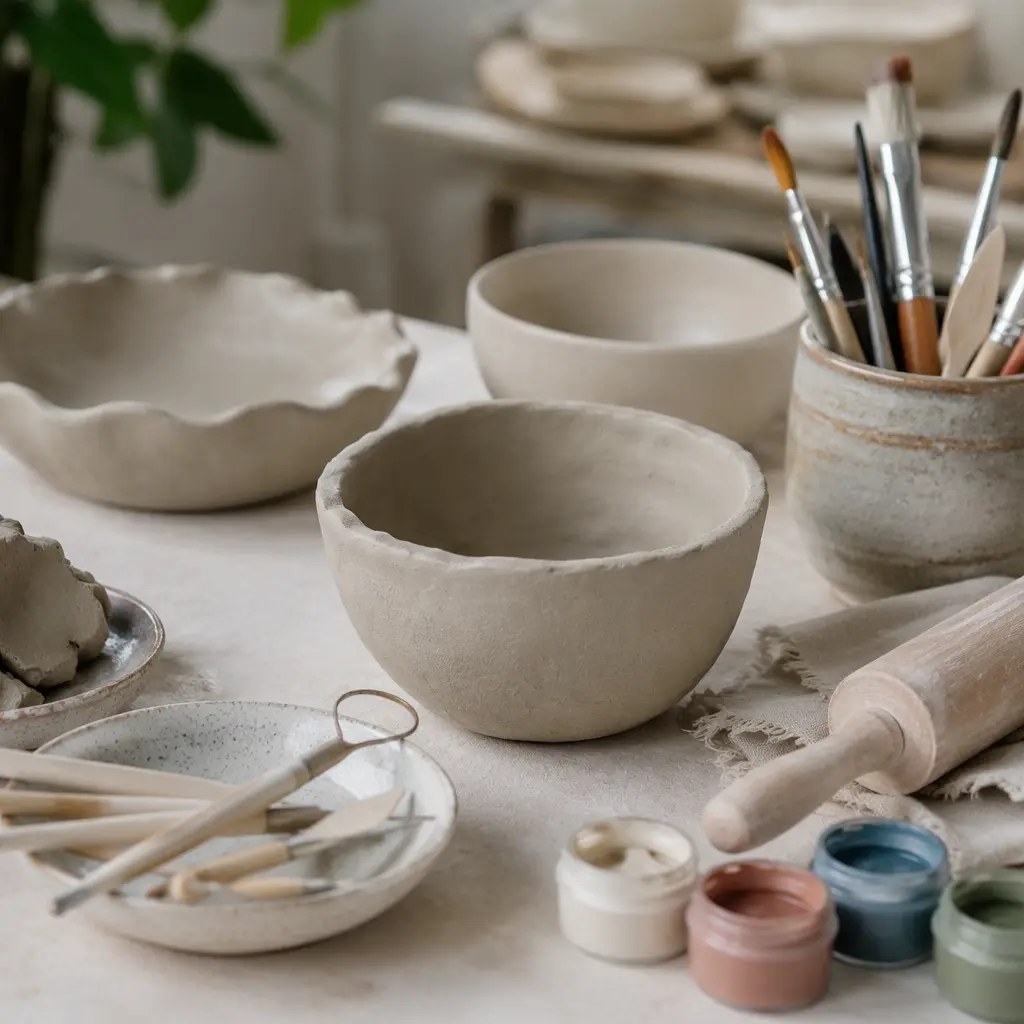
The Blue Marble National Geographic Air Dry Clay Pottery Studio arrives during a wider resurgence in hands-on craft toys, especially those designed to pull kids and teens away from screens without completely disconnecting from online culture. Air-dry clay kits fit neatly into that moment. They offer tactile, open-ended making, but they also produce highly shareable results: miniature bowls, trinket dishes, sculpted figures and painted decorations that work just as well in a bedroom display as they do in a short-form video clip. Unlike traditional pottery, these kits lower the barrier to entry by removing kilns, wheels and specialized equipment from the equation.
Where it came from
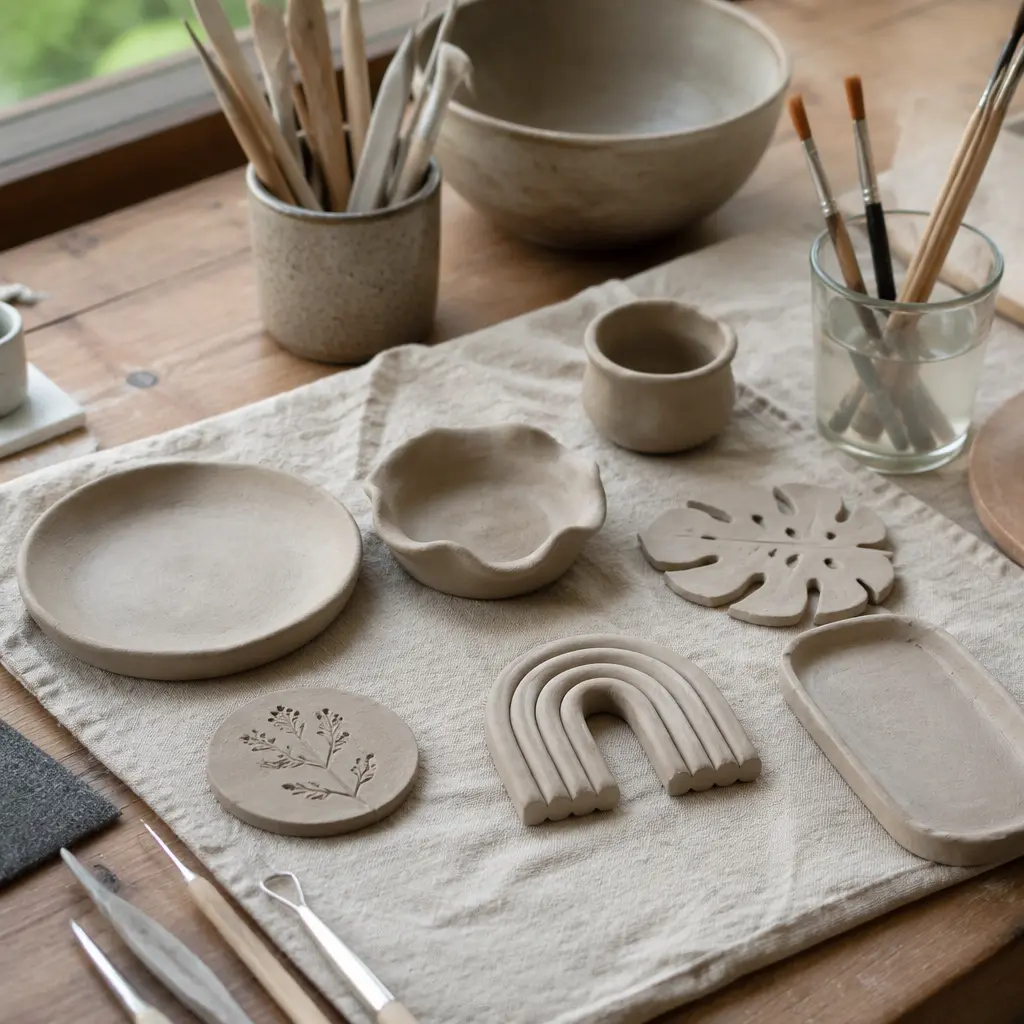
Air-dry clay itself is not new. For decades, schools, hobby stores and family craft brands have sold clay compounds that harden naturally over time instead of requiring high-temperature firing. What has changed in recent years is the way these materials are packaged and marketed. Contemporary craft kits increasingly frame creative play as both relaxing and content-friendly, leaning into guided projects, colorful accessories and approachable instructions that appeal to beginners.
Blue Marble has become known for educational and activity-based products, while the National Geographic licensed branding continues to appear across science and creativity kits aimed at children and families. In this context, an air-dry pottery studio makes sense as part of a broader category of “maker” toys: products that combine crafting, experimentation and display-worthy outcomes. The appeal is practical as much as aesthetic. Families looking for activities that feel less passive than scrolling videos often gravitate toward projects that can be completed at a kitchen table without specialized tools or permanent mess.
Why it works
The strongest air-dry clay kits succeed because they make pottery feel achievable. Traditional ceramics can intimidate beginners, especially younger children who associate pottery with spinning wheels and fragile fired pieces. Air-dry clay changes the rhythm of the activity. Instead of focusing on technical perfection, the emphasis shifts toward experimentation, texture and decoration. A child can shape a small bowl, leave fingerprints in the surface, paint it the next day and still feel successful.
There is also a sensory element that helps explain the category’s popularity. Clay provides resistance and texture in a way many modern toys do not. Pressing, rolling and sculpting can feel calming and absorbing, particularly for children who enjoy tactile activities. At the same time, the finished pieces create a sense of ownership that differs from disposable crafts. Even imperfect creations can become pencil holders, jewelry trays or shelf decorations.
- Air-dry clay removes the need for ovens or kilns
- Open-ended projects encourage creativity instead of strict outcomes
- Finished pieces can be painted and displayed at home
- Hands-on texture and sculpting create a tactile play experience
- Compact tabletop setup suits apartments and family kitchens
- Short project cycles work well for social-video-inspired crafting trends
Who it's for
Kits like this are generally aimed at school-age children and tweens, though the appeal often extends beyond the recommended age range. Younger users may enjoy basic shaping and stamping with adult supervision, while older kids tend to experiment with miniature food sculptures, decorative trays and trend-driven room décor. Adults are part of the audience too. The broader popularity of hobby crafting, cozy desk activities and “mindful” making has created crossover interest in beginner pottery-style kits that do not require studio equipment or long-term commitment.
Variants and what to look for today
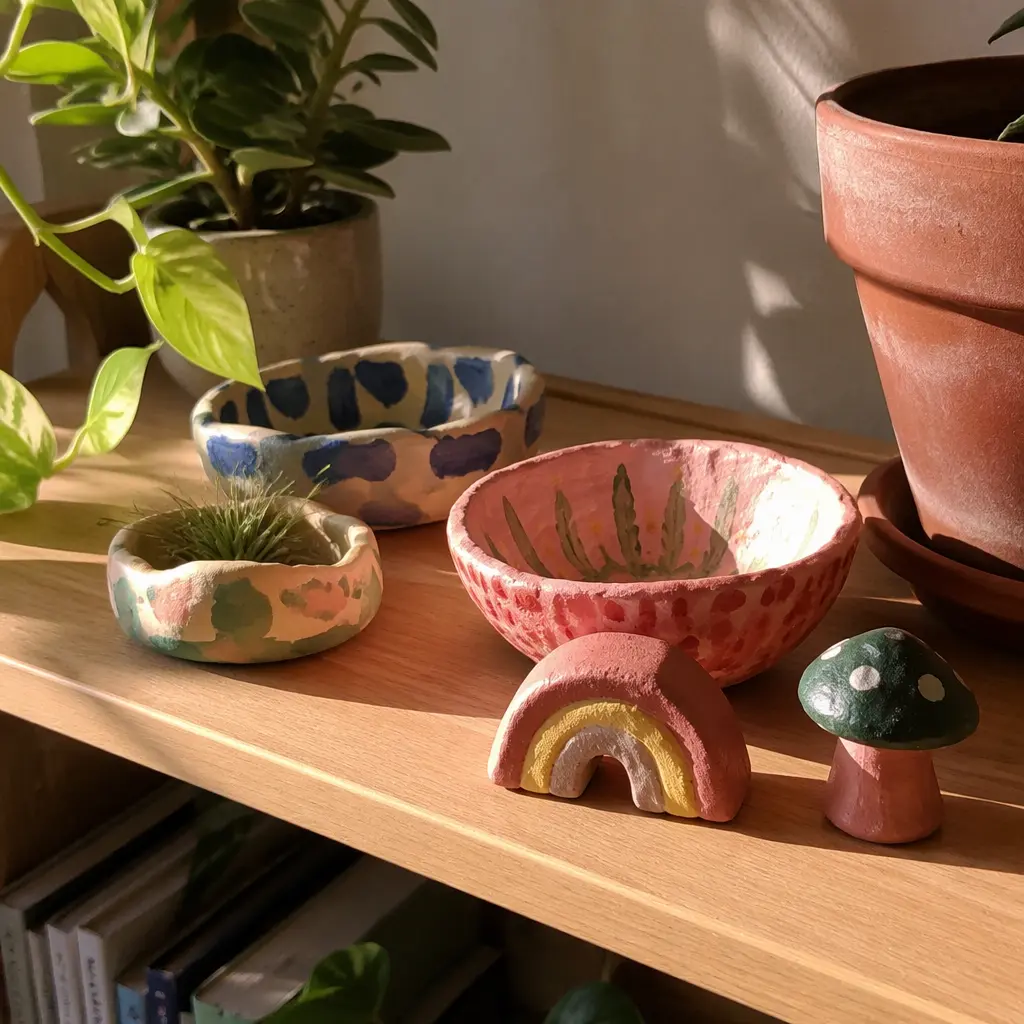
The current air-dry pottery category includes everything from simple tubs of clay to more structured kits with sculpting tools, paints and guided projects. Some emphasize educational play, while others lean into aesthetics and room décor. Buyers comparing kits will usually notice differences in included accessories, clay quantity, drying time guidance and whether paints or sealants are part of the package.
It is also worth remembering that air-dry clay behaves differently from fired ceramic clay. Finished pieces are usually lighter and more decorative than durable. Thicker creations can crack while drying, especially if moisture escapes unevenly. Many families discover that smaller projects tend to produce the best results for beginners.
- Look for resealable clay packaging to help prevent drying between sessions
- Check whether paints, brushes and sculpting tools are included
- Smaller beginner projects are often more successful than large sculptures
- Very cheap generic compounds may crumble or dry inconsistently
- Protective table coverings can make cleanup easier during longer sessions
Frequently asked questions
Does air-dry clay work like real pottery clay?
Not exactly. Air-dry clay is designed for convenience and home crafting rather than high-temperature ceramic firing. It can imitate pottery techniques, but finished pieces are typically decorative rather than comparable to kiln-fired ceramics.
Do kids need a pottery wheel for this kind of kit?
No. Most air-dry pottery kits focus on hand-building methods such as pinching, rolling and shaping. That lower-tech approach is part of the category’s appeal because it keeps setup simple and accessible.
How long does air-dry clay usually take to harden?
Drying times vary depending on thickness, humidity and the clay formula. Smaller pieces can dry relatively quickly, while thicker sculptures may need additional time to harden fully before painting or display.
Why are craft kits like this trending again?
Many families are looking for activities that balance creativity, relaxation and reduced screen time. Craft kits also fit neatly into modern social-sharing culture because projects can be photographed, customized and displayed, creating a sense of personal expression beyond the activity itself.
The Blue Marble National Geographic Air Dry Clay Pottery Studio reflects a broader shift in the toy industry toward tactile, creator-focused play. Instead of competing directly with digital entertainment, kits like this borrow some of the same appeal: customization, quick visual payoff and opportunities for sharing finished results. The difference is that the process happens in the real world, with clay on hands, tools on the table and an object left behind when the session ends.