Fisher-Price Planet Friends and the New Push for Greener Baby Toys
Fisher-Price Planet Friends brings recycled-material baby toys into a mainstream nursery brand, reflecting growing parent interest in durability, materials and long-term play value.
Compare prices and availability
Check current prices and availability for this guide on eBay.
As an eBay Partner, we may be compensated if you make a purchase.
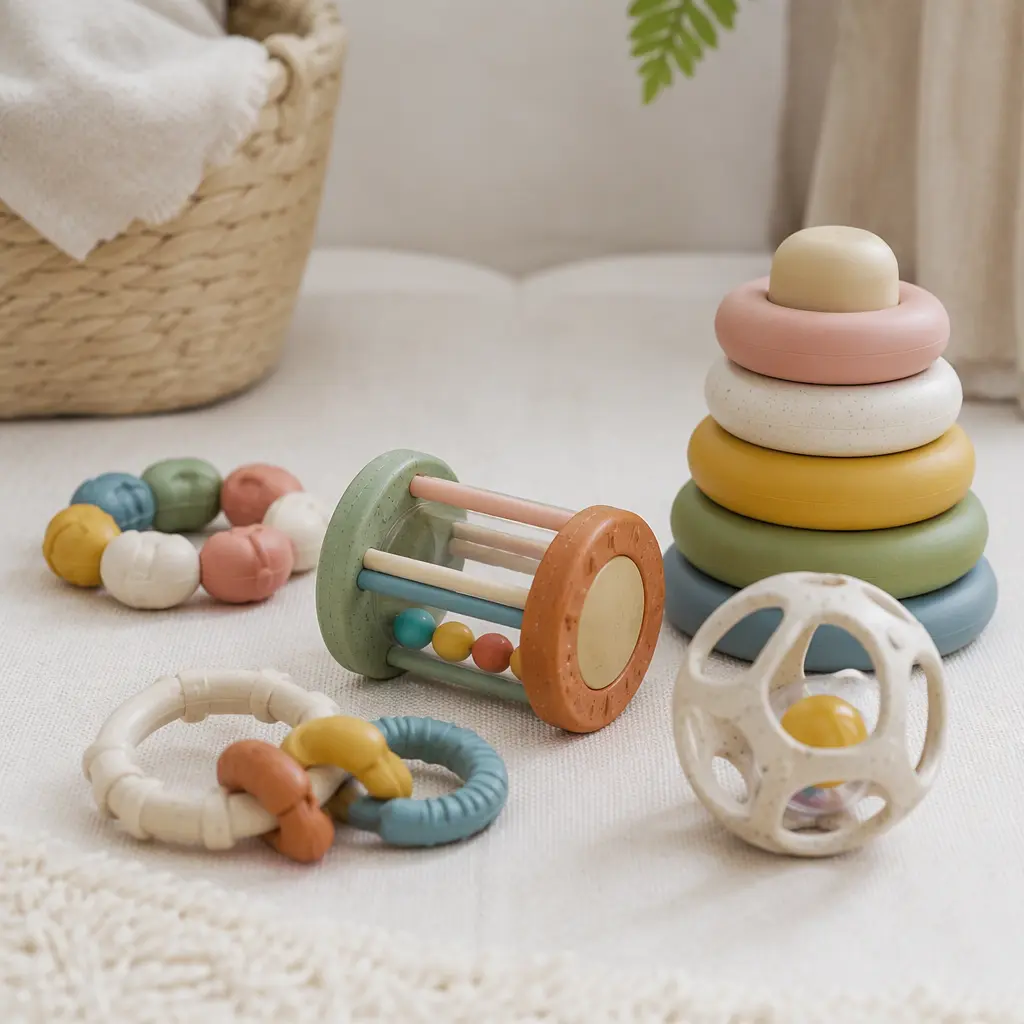
Fisher-Price Planet Friends arrives at a moment when many parents are paying closer attention to what children’s products are made from, how long they last and whether sustainability claims hold up in everyday use. The line sits inside a familiar mainstream toy brand rather than a niche eco label, which makes it notable beyond the products themselves. Instead of presenting sustainability as a luxury feature, the range positions recycled-material baby toys as something that can live alongside the bright colors, sensory textures and simple mechanics long associated with infant play.
Where it came from
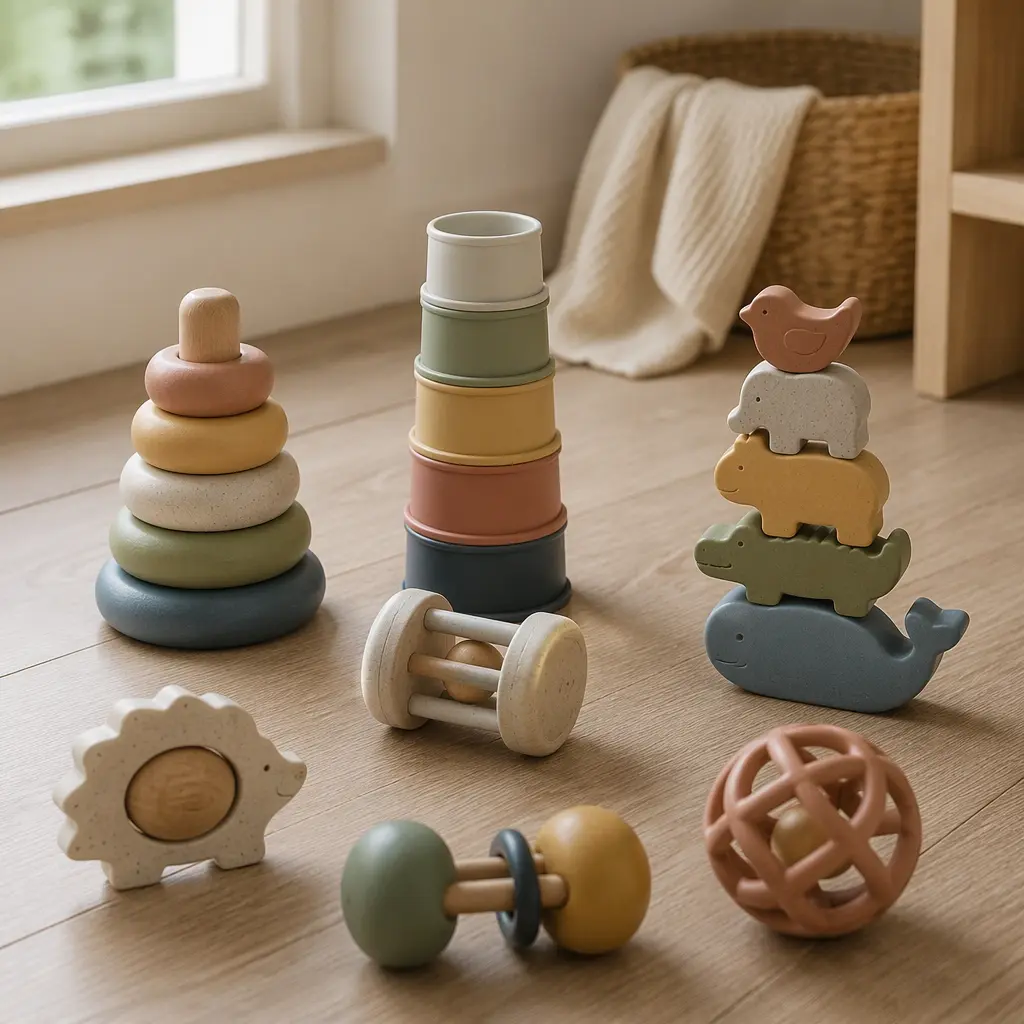
Fisher-Price has spent decades building its reputation around durable preschool and infant toys, from pull-along animals to activity gyms and shape sorters. Planet Friends reflects a newer industry-wide shift: large toy companies increasingly highlighting recycled plastics, reduced packaging and material sourcing in response to consumer scrutiny and environmental concerns. Parents shopping for baby products now often compare not only developmental features but also packaging waste, repairability and how well toys survive hand-me-down use.
The Planet Friends range launched during a period when sustainability language had already become common across household goods and children’s products. That context matters because many families have grown skeptical of vague environmental claims. Rather than reinventing infant play entirely, the line appears designed to blend familiar Fisher-Price play patterns with updated material choices and packaging decisions. The result is less about futuristic toy technology and more about adapting a mass-market toy formula to changing expectations around manufacturing and consumption.
Why it works
At its core, Planet Friends succeeds or fails on the same fundamentals as any infant toy line: tactile engagement, durability, ease of cleaning and repeat play. Babies and toddlers are not evaluating environmental messaging, but caregivers are. The challenge for a line like this is to maintain the bright visual contrast, satisfying textures and simple cause-and-effect interactions that help keep young children engaged while also communicating a more material-conscious identity.
The design language leans toward soft colors, rounded forms and animal-inspired themes that fit comfortably into modern nursery aesthetics. Many parents now want toys that feel less visually overwhelming in shared living spaces, and contemporary baby toy lines increasingly reflect that preference. Even so, recognizable sensory features remain central, including grasp-friendly shapes, rattling sounds, spinning parts and stacking or sorting activities that encourage motor-skill practice.
- Rounded, easy-to-grip shapes designed for infant hands
- Bright but softer-toned color palettes common in modern nurseries
- Simple sensory interactions including rattles, textures and movement
- Recycled-material construction highlighted as part of the line identity
- Familiar Fisher-Price-style developmental play patterns rather than app-connected features
Who it's for
Planet Friends is aimed primarily at babies and toddlers in the early developmental stage where sensory exploration and repetitive interaction drive play. The toys are generally positioned for supervised infant and toddler use, with simple mechanics that do not require screens, accounts or connected devices. That makes the line potentially appealing to parents trying to reduce battery-operated clutter or avoid app-dependent play experiences during early childhood. There is also a secondary audience of gift buyers and grandparents who recognize the Fisher-Price name but want products that align with newer conversations about sustainability and material sourcing.
Variants and what to look for today
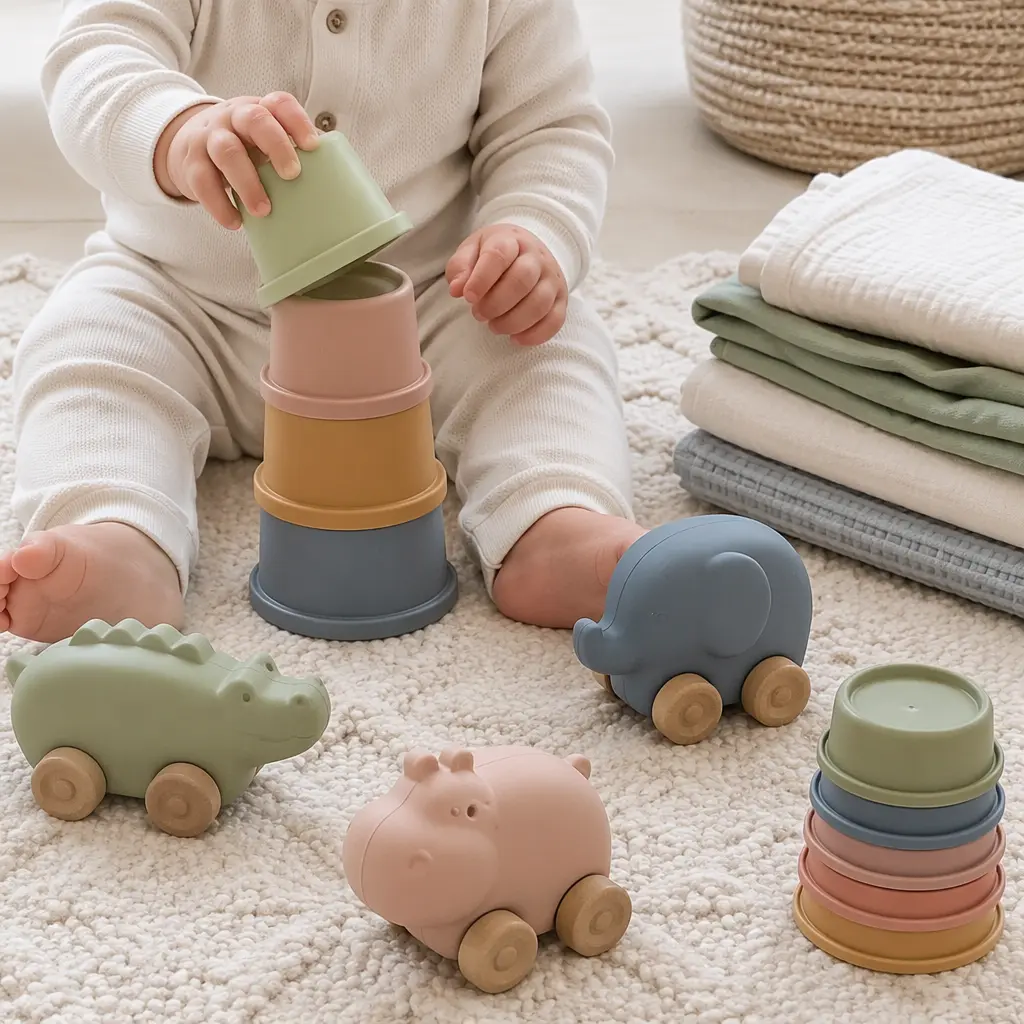
The Planet Friends label covers multiple categories rather than a single flagship toy. Depending on retailer selection and region, families may encounter rattles, stacking toys, push-along items and sensory-focused infant products carrying the branding. Because the line centers on material messaging as well as play value, packaging and product descriptions often emphasize recycled plastics or reduced packaging approaches alongside developmental features.
For parents shopping today, the main practical consideration is balancing sustainability claims with durability and usability. Baby toys face heavy wear, frequent cleaning and rough handling. A toy intended to reduce waste still needs to survive extended use or hand-me-down circulation to deliver on that goal in practical terms. It is also worth checking product dimensions carefully, since online images can make infant toys appear larger than expected.
- Look for sturdy seams, securely attached moving parts and wipe-clean surfaces
- Check age guidance and supervision recommendations on retailer or manufacturer listings
- Compare the physical size of toys before ordering online
- Be cautious of unofficial marketplace listings with unclear sourcing or incomplete packaging
- Consider whether the toy’s play pattern will remain engaging beyond the earliest infant stage
Frequently asked questions
Are Planet Friends toys fully plastic-free?
No. The line is associated with recycled-material construction rather than a complete move away from plastics. Product materials can vary across the range, so parents should review individual packaging or manufacturer descriptions for specifics.
Do these toys connect to apps or require batteries?
The range is largely centered on traditional infant play rather than connected technology. Many products rely on tactile interaction, movement and sensory feedback instead of screens or cloud-connected features.
Why are mainstream brands focusing more on sustainability?
Consumer expectations have shifted significantly in recent years. Parents increasingly compare packaging waste, material sourcing and product lifespan alongside developmental features and price. Large brands have responded by introducing lines that foreground recycled materials or reduced environmental impact messaging.
Are recycled-material baby toys as durable as traditional ones?
Durability depends on the specific design and manufacturing quality rather than the sustainability label alone. Many parents still judge infant toys primarily on how well they tolerate repeated drops, chewing, cleaning and long-term use.
Planet Friends reflects a broader transition happening across the toy industry: sustainability messaging is moving from specialist brands into mainstream aisles. Whether the line becomes a long-term fixture will depend less on marketing language and more on whether families find the toys engaging, durable and practical in everyday life. For now, it stands as a useful snapshot of how baby toys are evolving alongside changing expectations about materials, waste and what parents want from products designed for the earliest years of play.