Sony Aibo and the Long Question of Robot Pet Support
Sony’s Aibo robotic dog blends pet-like behavior with cameras, sensors and cloud services. Decades after its debut, it still raises practical questions about subscriptions, privacy and long-term support.
Compare prices and availability
Check current prices and availability for this guide on eBay.
As an eBay Partner, we may be compensated if you make a purchase.
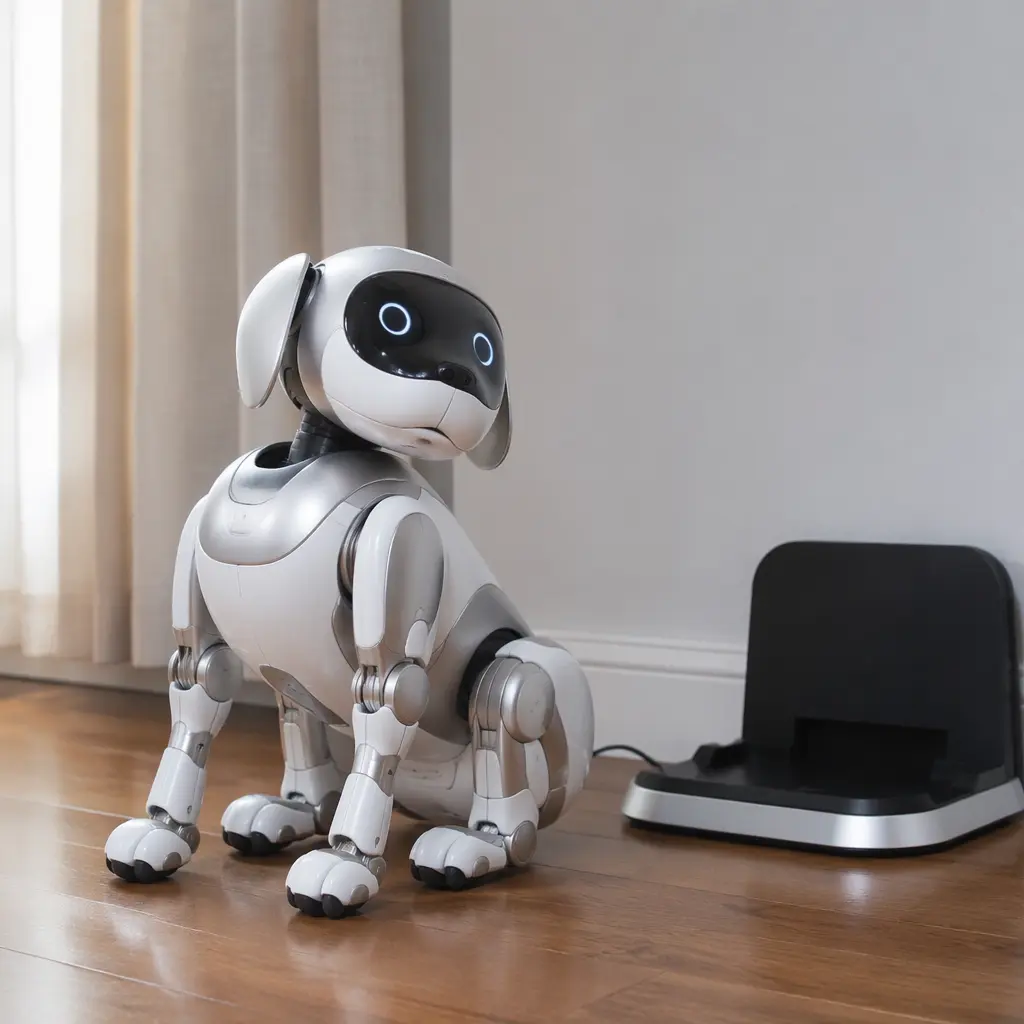
Sony’s Aibo has always occupied an unusual place in the toy and consumer electronics world. Introduced as a robotic dog that could react to voices, movement and touch, it was never just a remote-control pet. Aibo was pitched as companionship through robotics, combining sensors, cameras and software to simulate personality and learning. More than two decades after the first generation appeared in 1999, the modern version still attracts families, collectors and technology enthusiasts — but it also highlights how connected toys can depend heavily on cloud services, app support and ongoing manufacturer commitment.
Where it came from
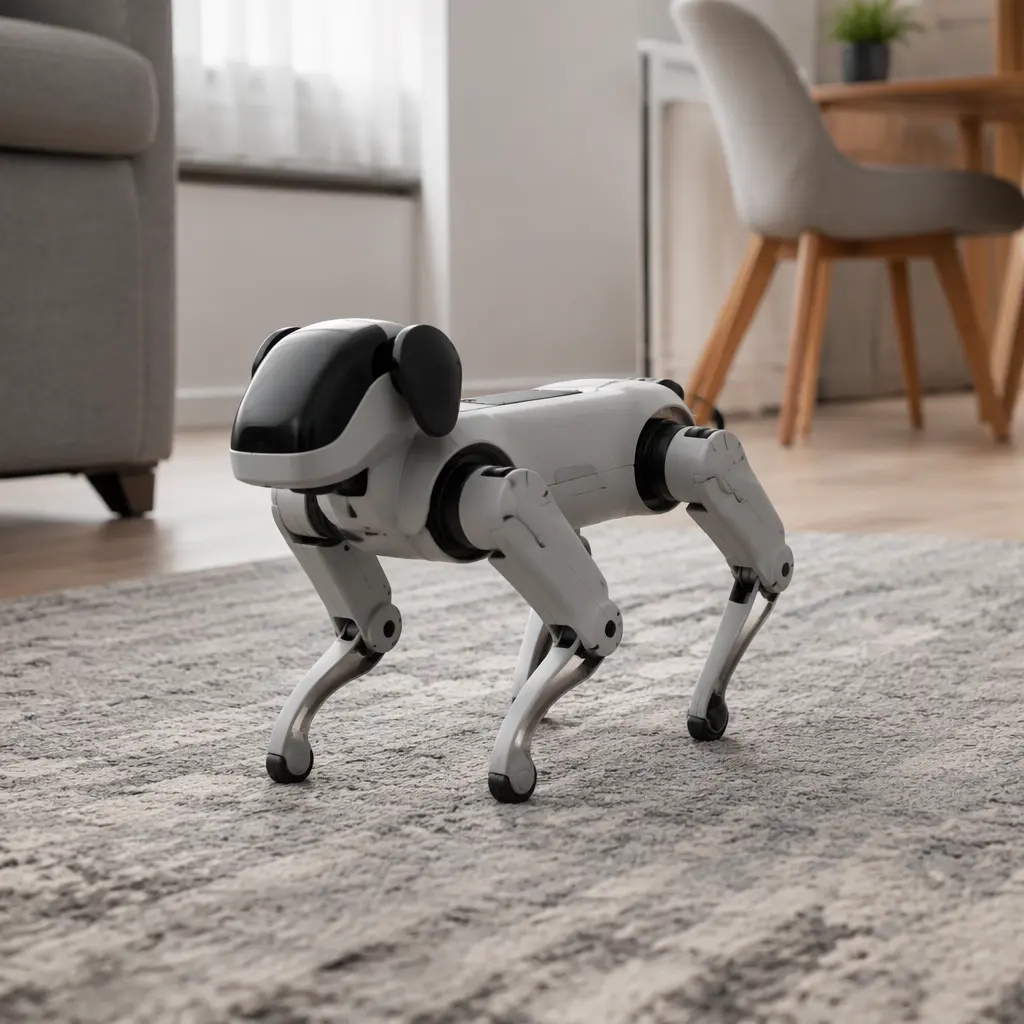
Sony launched the original Aibo at the end of the 1990s during a period when consumer robotics felt futuristic rather than mainstream. The company presented it as an entertainment robot rather than a practical household tool. Early models emphasized expressive movement, touch sensors and autonomous behavior, giving owners the impression that the robot had moods and habits instead of fixed scripted actions.
Over the years, Aibo went through several generations before Sony paused the line and later revived it with newer hardware and cloud-connected features. The modern versions rely far more heavily on internet services and smartphone integration than the originals did. That shift mirrors broader changes in the toy-tech market, where connected devices increasingly depend on apps, online accounts and software updates to unlock their full feature sets. In 2026, discussions around Aibo often focus as much on long-term support and subscriptions as on the robot itself.
Why it works
Aibo succeeds because it taps into familiar pet behavior while remaining recognizably robotic. The movement is intentionally stylized rather than realistic, with smooth mechanical walking, expressive head tilts and reactive sounds that suggest curiosity or excitement. Cameras and sensors allow the robot to detect obstacles, recognize people and respond to touch or voice cues. Unlike a simple animatronic toy with repeating routines, Aibo is designed to appear adaptive over time.
The connected design is also central to the experience. Modern Aibo systems may use cloud-based processing, app-linked controls and online updates to expand behaviors or improve interaction. That creates a more dynamic product than older standalone electronic pets, but it also means ownership can feel tied to Sony’s continued support infrastructure. Families considering one today often look beyond the novelty factor and ask practical questions about compatibility, account requirements and what happens if online services change years later.
- Articulated robotic movement designed to resemble pet behavior
- Cameras and sensors used for navigation and interaction
- Voice and touch responsiveness rather than simple button controls
- Companion app features for setup, monitoring and customization
- Rechargeable dock-based operation instead of disposable batteries
- A blend of scripted behavior and adaptive software responses
Who it's for
Aibo tends to appeal most to households interested in robotics and interactive technology rather than families looking for a traditional toy pet. Younger children may enjoy the expressive movement and reactions, but the connected setup and relatively delicate electronics mean it generally works better with supervision and careful handling. Adults are a major part of the audience, especially longtime Sony fans, robotics hobbyists and collectors who remember earlier generations. Some owners treat Aibo almost like a home gadget or conversation piece rather than a toy stored in a playroom.
Variants and what to look for today
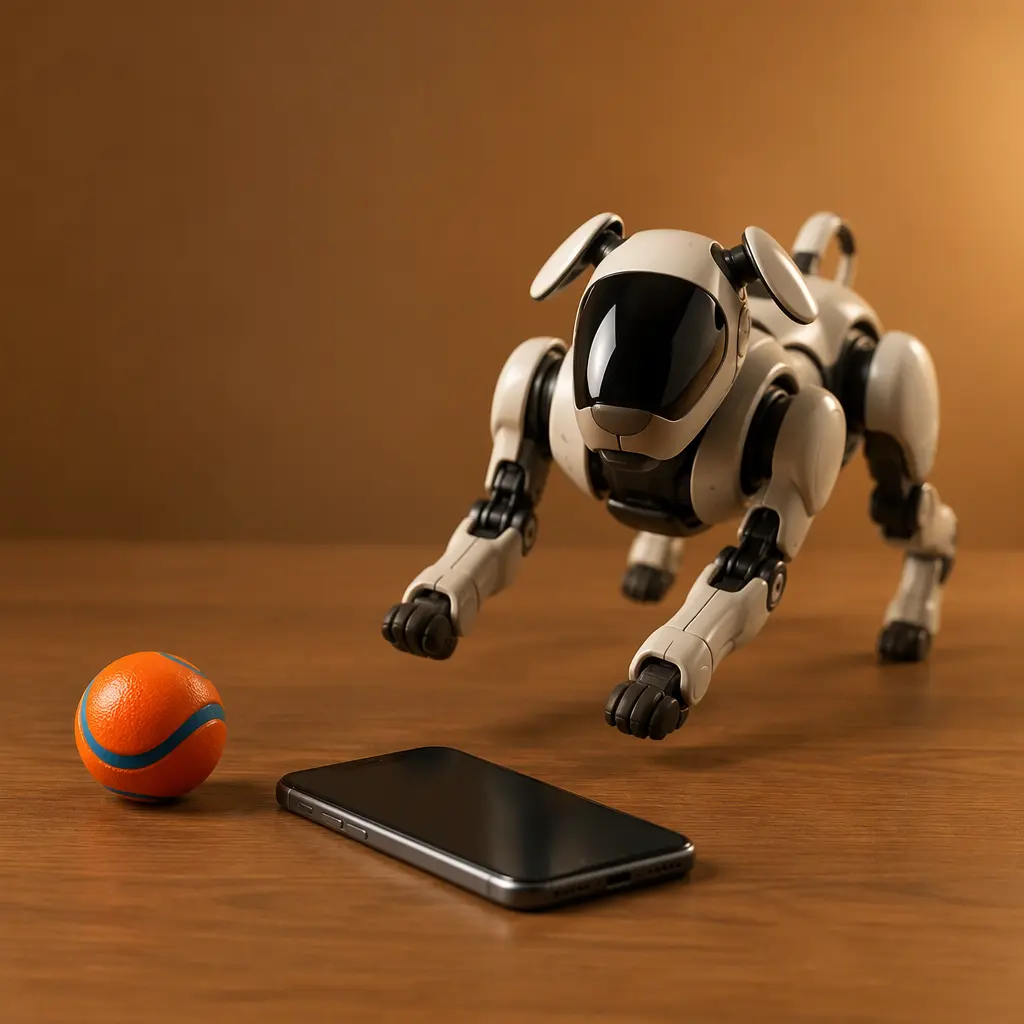
The Aibo name covers several generations with noticeably different capabilities and designs. Earlier units from the late 1990s and 2000s are often sought by collectors and may function more independently from modern cloud services, although aging batteries and discontinued software can complicate ownership. Newer versions focus more heavily on app-connected features and cloud-backed personalization.
For buyers in 2026, the most important consideration is not simply the hardware itself but the surrounding ecosystem. Availability and supported features can vary by region, and some functions may require active accounts or service plans. Potential owners should confirm device compatibility with current smartphones and check whether regional support, software updates or customer service remain active in their area. Refurbished units and secondhand models can also vary widely in condition, especially when it comes to batteries, charging docks and connectivity.
- Check whether app support and cloud features are currently available in your region
- Confirm smartphone operating-system compatibility before purchasing
- Look for complete charging accessories and docking hardware on used units
- Expect older models to have shorter battery life due to age
- Be cautious of incomplete secondhand robots that may lack setup access or reset information
Frequently asked questions
Is Aibo a toy or a home robot?
Sony positions Aibo as an entertainment robot, but it overlaps several categories. It can function like an interactive pet toy, a connected smart device and a robotics showcase at the same time. How people use it often depends on age and interest level.
Does Aibo work without internet access?
Some core movement and interaction features may still function locally, but many modern capabilities are tied to apps, cloud processing or account-linked services. The exact offline usefulness can depend on the generation and software status.
Are subscriptions part of the experience?
Modern connected robotic products sometimes include optional or required service plans for cloud-backed features, updates or app functions. Buyers should review Sony’s current support information carefully because terms and availability can change over time and by region.
Why do people still care about Aibo decades later?
Aibo remains one of the best-known consumer robot pets ever released. Its combination of expressive movement, autonomous behavior and recognizable Sony design gave it a lasting place in robotics culture. For many people, it represents an early vision of domestic AI and companion technology that still feels relevant today.
What makes Aibo interesting in 2026 is not just the robot dog itself but the broader questions it represents. It sits at the intersection of toys, artificial intelligence, consumer electronics and subscription-based software. Families considering one today are often evaluating more than personality or features; they are also thinking about longevity, privacy and how much of a connected product truly belongs to the owner once cloud services become part of the experience.