Are Light-Up Baby Toys Helpful or Overstimulating?
A parent-focused look at light-up baby toys for ages 0–12 months, covering safety, developmental value, and when electronic features help—or hinder—early learning.
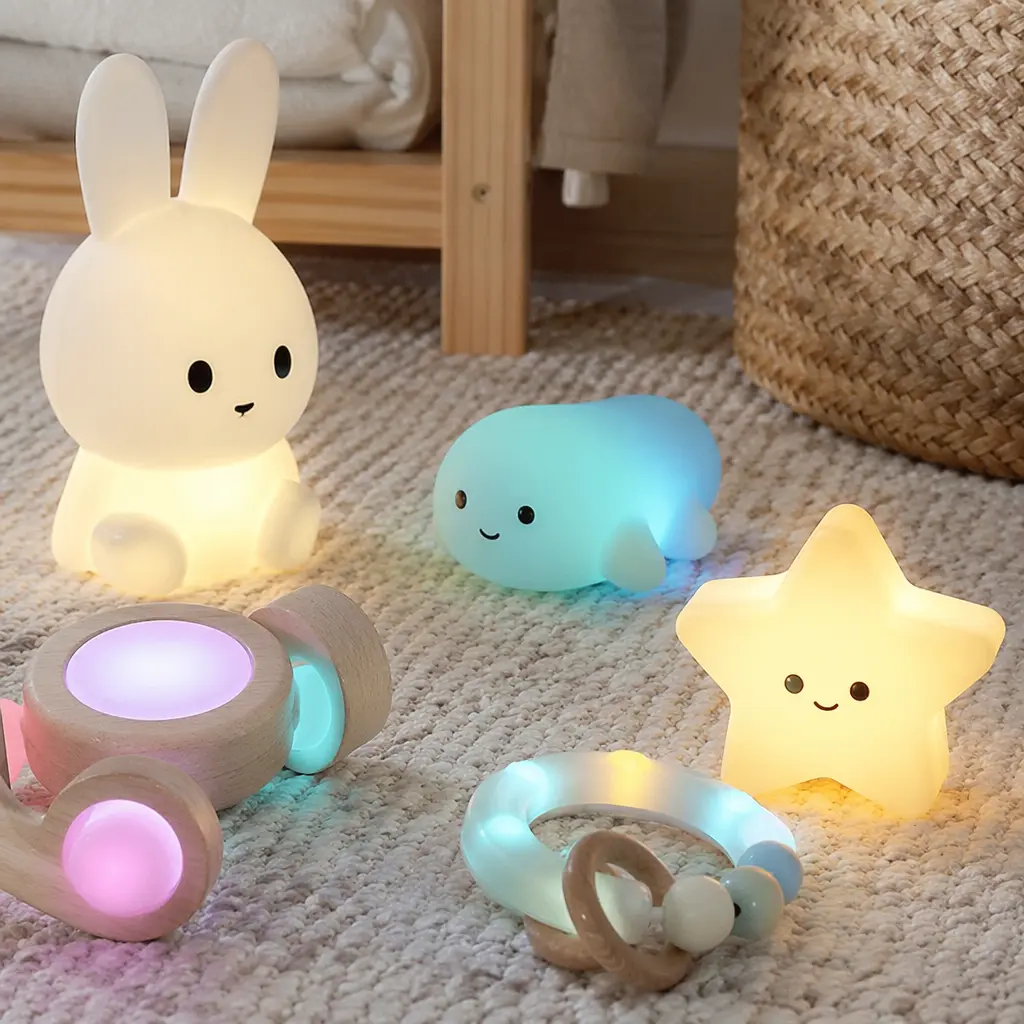
Compare prices and availability
Check current prices and availability for this guide on eBay.
As an eBay Partner, we may be compensated if you make a purchase.
Light-up baby toys are everywhere, promising to entertain, teach, and soothe infants through bright colors and simple sounds. For parents of babies 0–12 months, the big question is whether these electronic features support healthy development or risk overstimulating a growing brain. The answer is not all-or-nothing. Light-up toys can be useful tools when chosen carefully and used in moderation. This guide breaks down what matters most so you can decide what fits your baby and your home.
What to look for
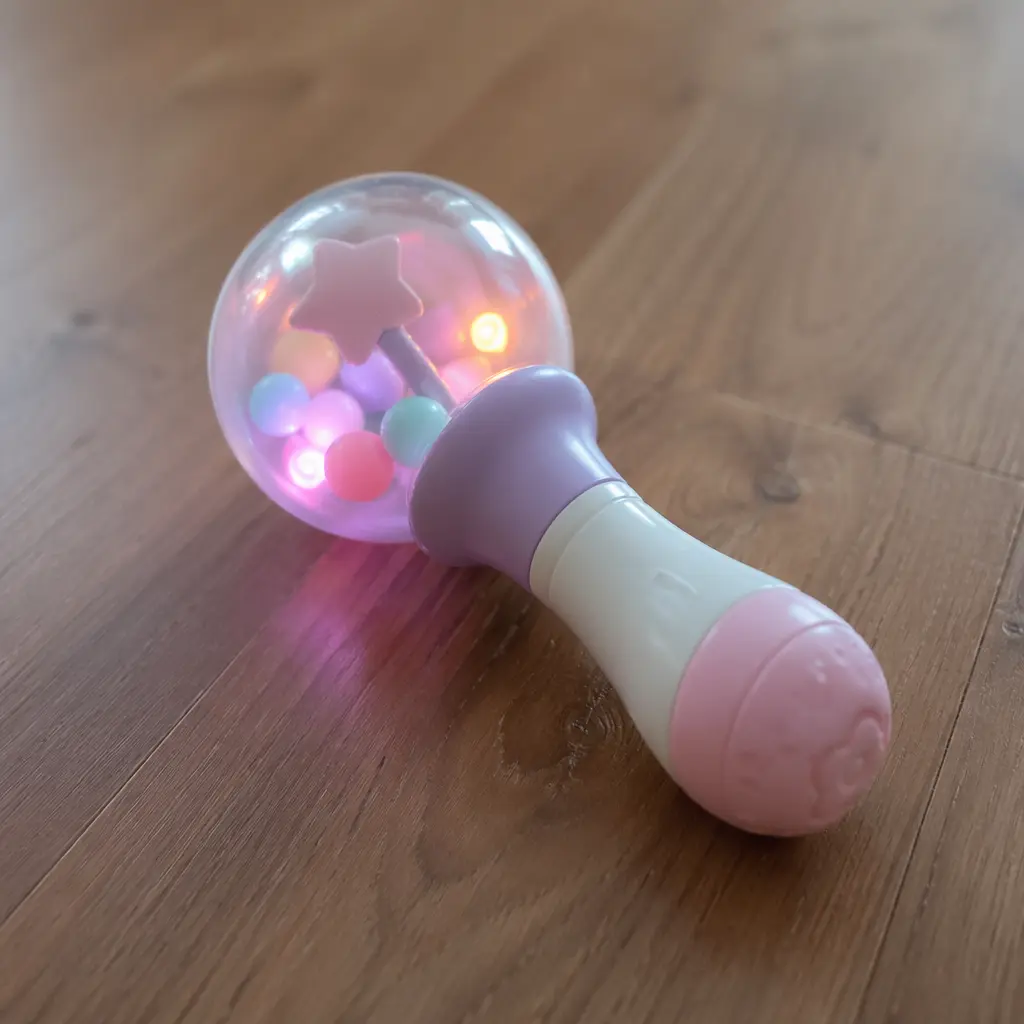
Not all light-up toys are designed the same. Some support early sensory exploration, while others overwhelm babies with constant noise and flashing. Evaluating a few core features can help you separate helpful stimulation from excess.
- Gentle lighting: Look for soft, slow-changing lights rather than rapid flashing, which can be overstimulating for young infants.
- Simple cause-and-effect: Toys that light up when a baby shakes, presses, or touches them help build early understanding without doing all the work for the child.
- Volume control or quiet sounds: If sound is included, it should be adjustable or naturally low to protect sensitive ears.
- Automatic shutoff: Timers prevent continuous stimulation and conserve batteries, encouraging natural breaks in play.
- Safety-first construction: Smooth edges, secure battery compartments, and materials rated safe for mouthing are essential at this age.
Age suitability
For newborns, visual systems are still developing, and high-contrast shapes or very soft glows are generally more appropriate than bright, fast-moving lights. As babies reach 4–6 months, they become more interested in cause-and-effect play, making simple light responses more meaningful. By 9–12 months, babies can enjoy slightly more interactive features, but they still benefit most from toys that respond to their actions rather than entertain on their own. Matching the toy’s intensity to your baby’s developmental stage helps avoid overload.
Standout categories or types
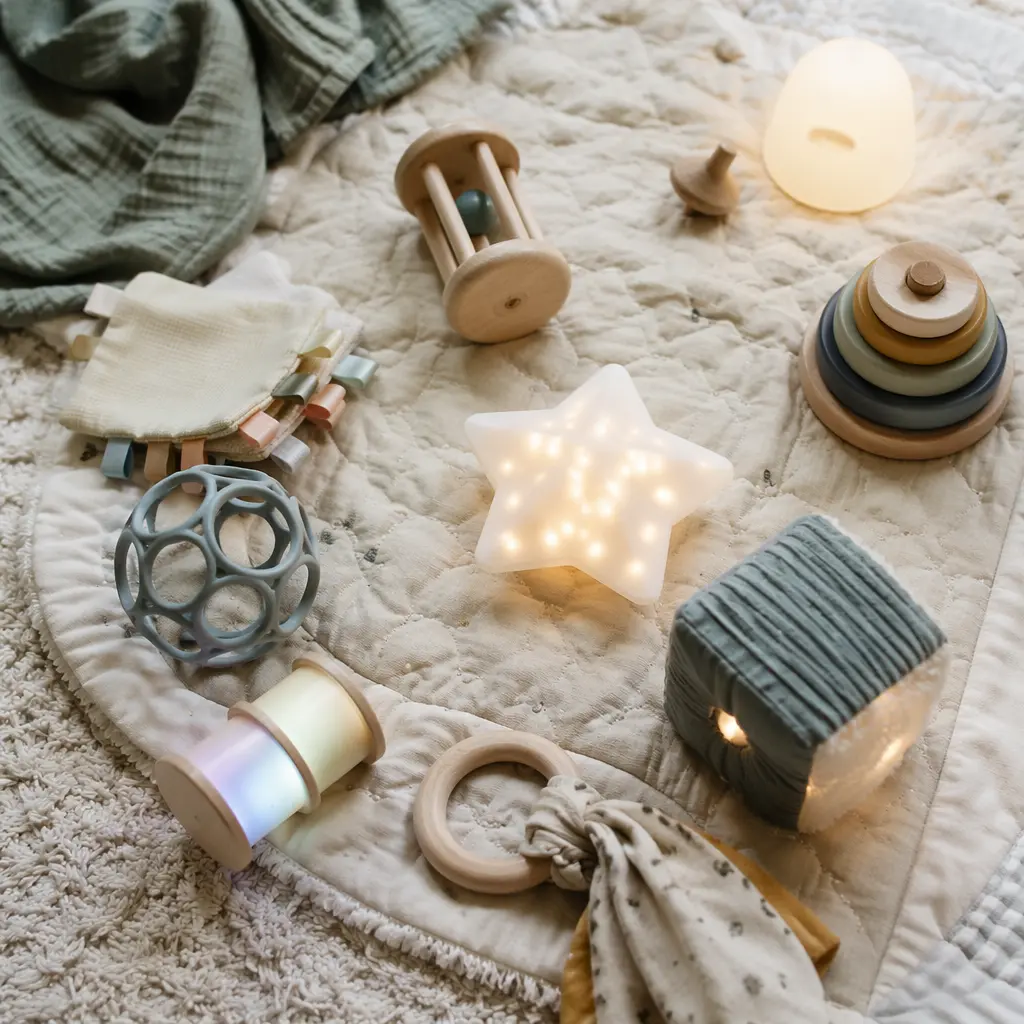
Some types of light-up baby toys tend to offer better balance between engagement and calm. Sensory toys that combine light with texture—such as ridges, soft fabrics, or flexible parts—encourage babies to explore using more than just their eyes. These multi-sensory designs often hold attention longer without relying on intense stimulation.
Another strong category includes toys with limited, intentional light cues. Instead of continuous flashing, these toys may glow briefly in response to touch or movement, then stop. This supports learning while still leaving space for quiet observation and parent interaction. In contrast, toys that cycle endlessly through lights and sounds can reduce opportunities for babies to practice focus or self-directed play.
Frequently asked questions
Can light-up toys overstimulate babies?
Yes, they can if the lights are very bright, flash rapidly, or are paired with loud, constant sounds. Signs of overstimulation may include turning away, fussiness, or difficulty settling after play. Choosing calmer designs and limiting playtime reduces this risk.
Do light-up toys help with brain development?
They can support early learning when they encourage cause-and-effect understanding and sensory exploration. However, they are only one small part of development. Face-to-face interaction, movement, and unstructured play are equally, if not more, important.
How much light-up toy play is appropriate?
Short, supervised play sessions are generally best for babies under one year. Rotating toys and mixing electronic options with simple, non-electronic ones helps keep stimulation balanced.
Are non-light-up toys better for sleep routines?
Often, yes. Calm, non-electronic toys are typically better suited for pre-sleep routines, as lights and sounds can signal playtime rather than rest. Light-up toys are usually best reserved for daytime use.
Light-up baby toys are not automatically good or bad. Their value depends on thoughtful design, age-appropriate features, and how they are used. By prioritizing safety, moderation, and responsiveness over constant stimulation, parents can include these toys as part of a varied, healthy play environment for babies in their first year.