Best Board Games for Preschoolers Who Hate Waiting
A buyer-focused guide to fast-turn board and card games for ages 3–5. Learn what to look for, age fit, and low-frustration game types that keep young kids engaged.
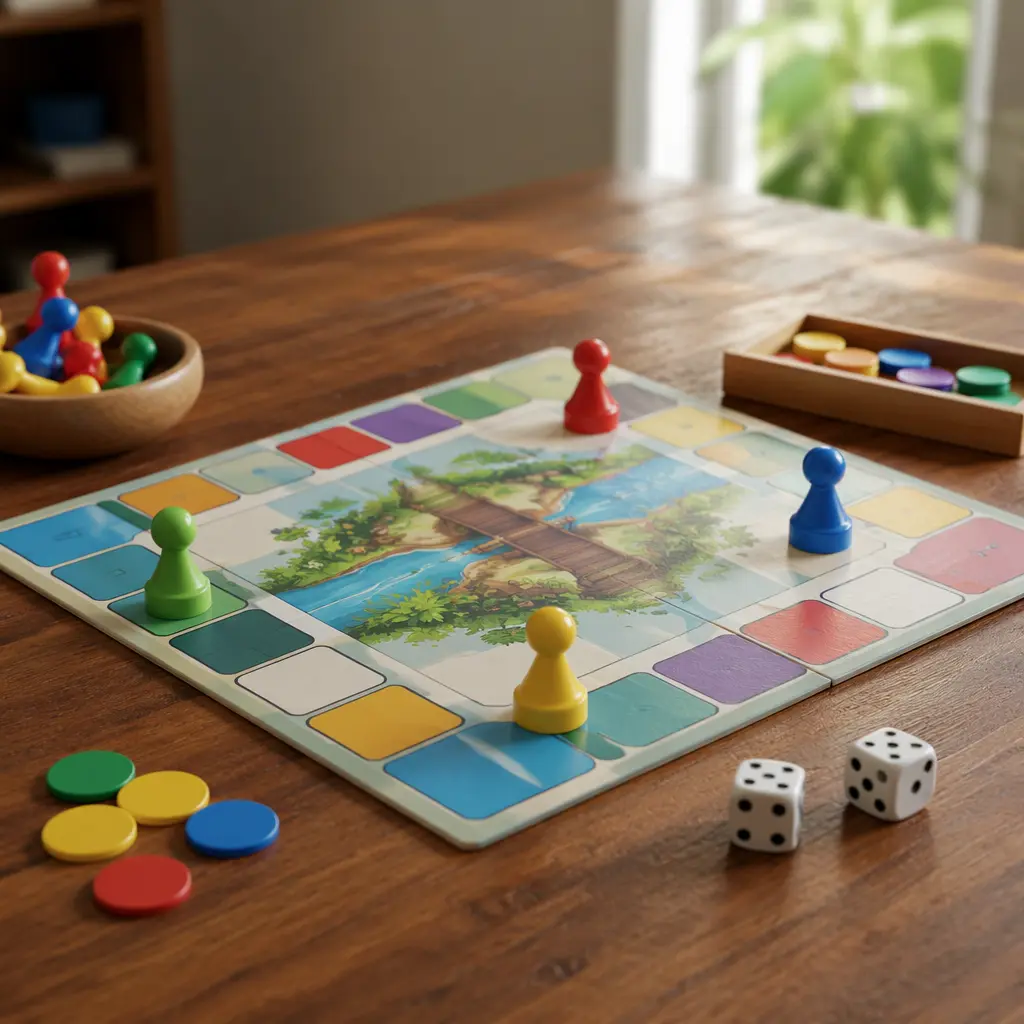
Compare prices and availability
Check current prices and availability for this guide on eBay.
As an eBay Partner, we may be compensated if you make a purchase.
Some preschoolers love games, but not the waiting that comes with them. Long turns, complex rules, and slow pacing can quickly turn excitement into frustration for kids ages 3–5. The good news is that many board and card games are designed with short turns and constant action, helping young players stay engaged from start to finish. This guide focuses on fast-turn, low-frustration games that work well for preschoolers who struggle with patience.
What to look for
When shopping for board games for preschoolers who dislike waiting, focus on design features that keep turns moving and minimize downtime. The right game can feel lively and fair, even for kids who are still learning self-control.
- Very short turns: Actions that take just a few seconds help kids stay involved.
- Simultaneous play: Everyone acts at once, so no one is stuck waiting.
- Simple rules: Fewer rules mean less explaining and faster restarts.
- Quick setup and cleanup: Games that start fast are more likely to get played.
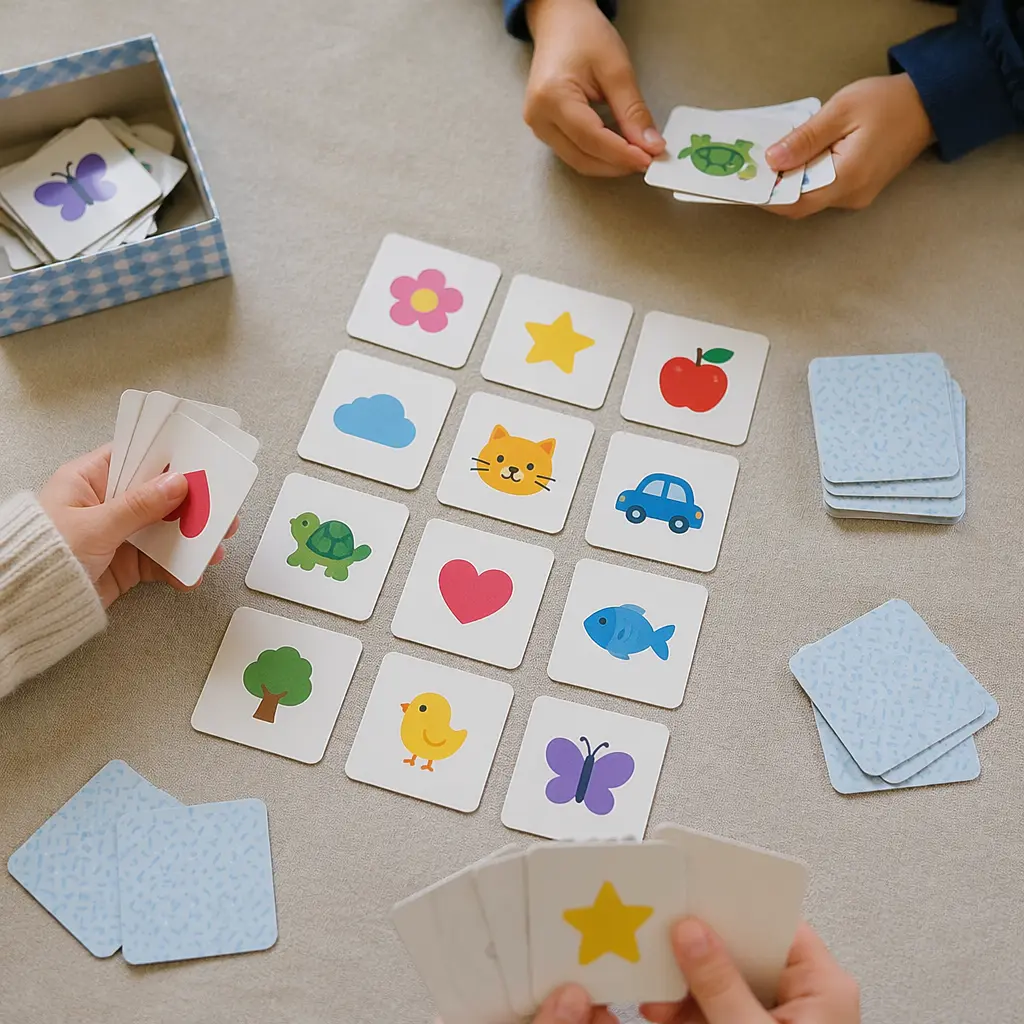
- Clear visual cues: Bright colors and simple symbols help non-readers follow along.
Age suitability
Games labeled for ages 3–5 vary widely in difficulty. Younger preschoolers often need immediate feedback and very basic choices, while older preschoolers can handle slightly longer turns if the action feels meaningful. Look beyond the age on the box and consider attention span, ability to follow directions, and comfort with losing or starting over. A well-matched game should finish in 10–15 minutes and feel fun even if the child doesn’t win.
Standout categories or types
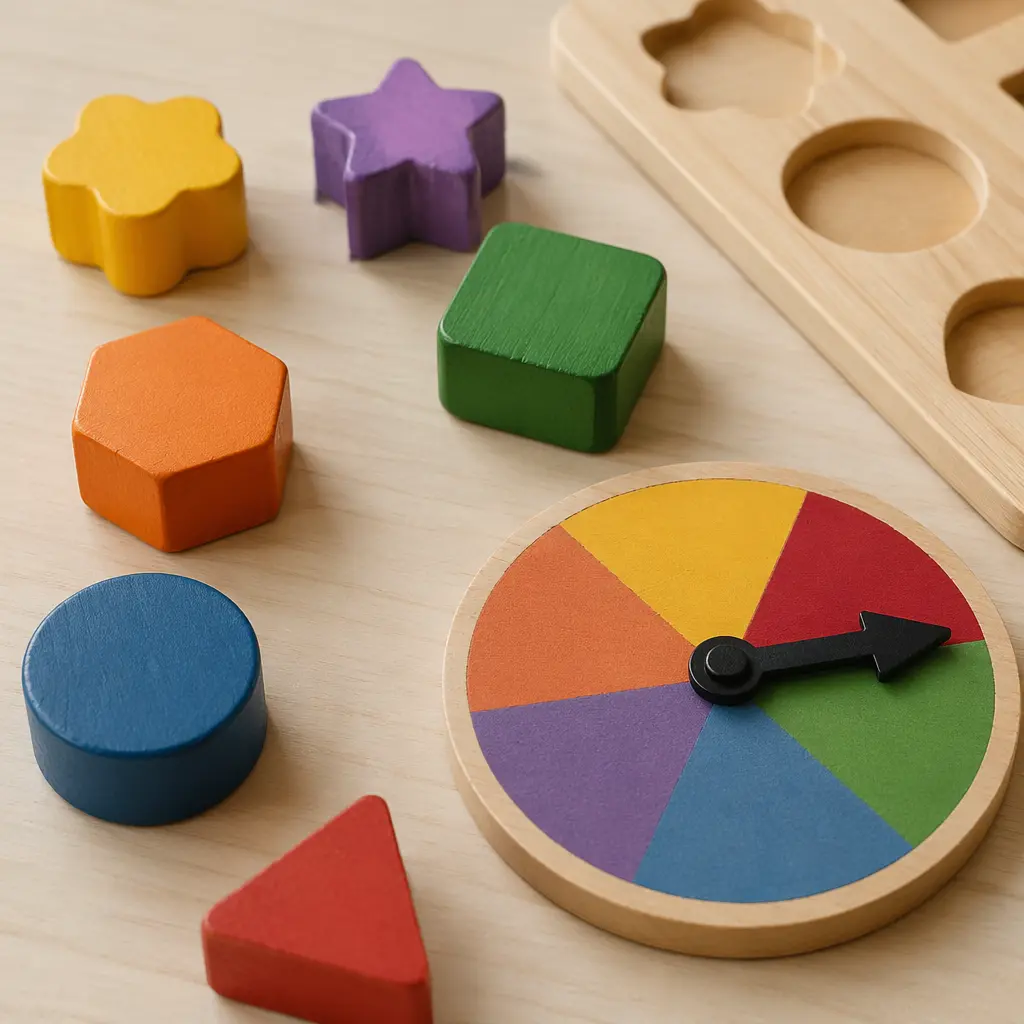
Certain types of games consistently work better for kids who hate waiting. These formats are built around movement, speed, or shared goals, which naturally reduce downtime.
- Roll-and-move games with quick actions: Simple rolls followed by one clear action keep turns brief.
- Speed-matching card games: Players react at the same time, which removes turn order altogether.
- Cooperative games: Kids work toward a shared goal, reducing pressure and impatience.
- Memory and matching games: Short, repeatable turns with immediate results.
- Action-based games: Light physical movement can help restless preschoolers stay focused.
Frequently asked questions
How long should a game last for a preschooler?
Most preschoolers do best with games that last 10–15 minutes. Shorter games allow for multiple rounds, which can be more satisfying than one long session.
Are competitive games okay for kids who get frustrated?
They can be, as long as the competition is gentle and turns are fast. Cooperative or semi-competitive games are often a safer starting point for kids who struggle with waiting or losing.
Do card games work for ages 3–5?
Yes, if the cards are sturdy and use pictures instead of text. Simple card games with matching or quick reactions are often a good fit for this age group.
What if my child won’t wait for others at all?
Look for games with simultaneous play or very rapid turn rotation. These designs minimize waiting and can help children gradually practice patience in a low-stress way.
Choosing the right board game can make family game time smoother and more enjoyable. By focusing on fast turns, simple rules, and age-appropriate pacing, parents can find games that match their preschooler’s energy level and keep frustration to a minimum.