Classic Board Games Families Can Finish Before Bedtime
A buyer-friendly guide to short, no-tech board games that fit busy weeknights. Learn what to look for, age fit, and game types that keep mixed ages engaged—without dragging past bedtime.
Compare prices and availability
Check current prices and availability for this guide on eBay.
As an eBay Partner, we may be compensated if you make a purchase.
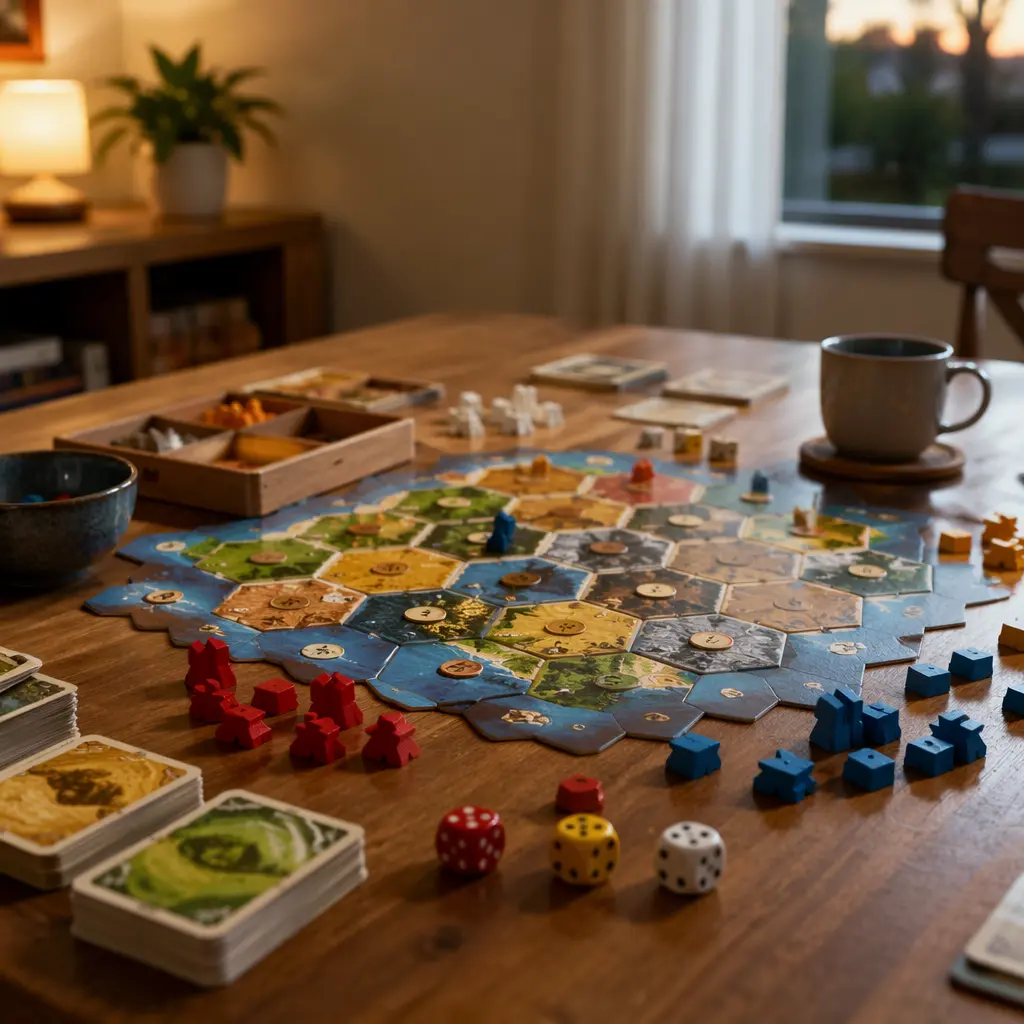
Weeknights are busy, and many families want something fun that doesn’t involve screens or a long setup. Classic board games designed for short play sessions can be a good fit, especially when kids of different ages are playing together. These games tend to have simple rules, a clear end point, and enough luck or catch-up elements to keep everyone involved until the final turn.
What to look for
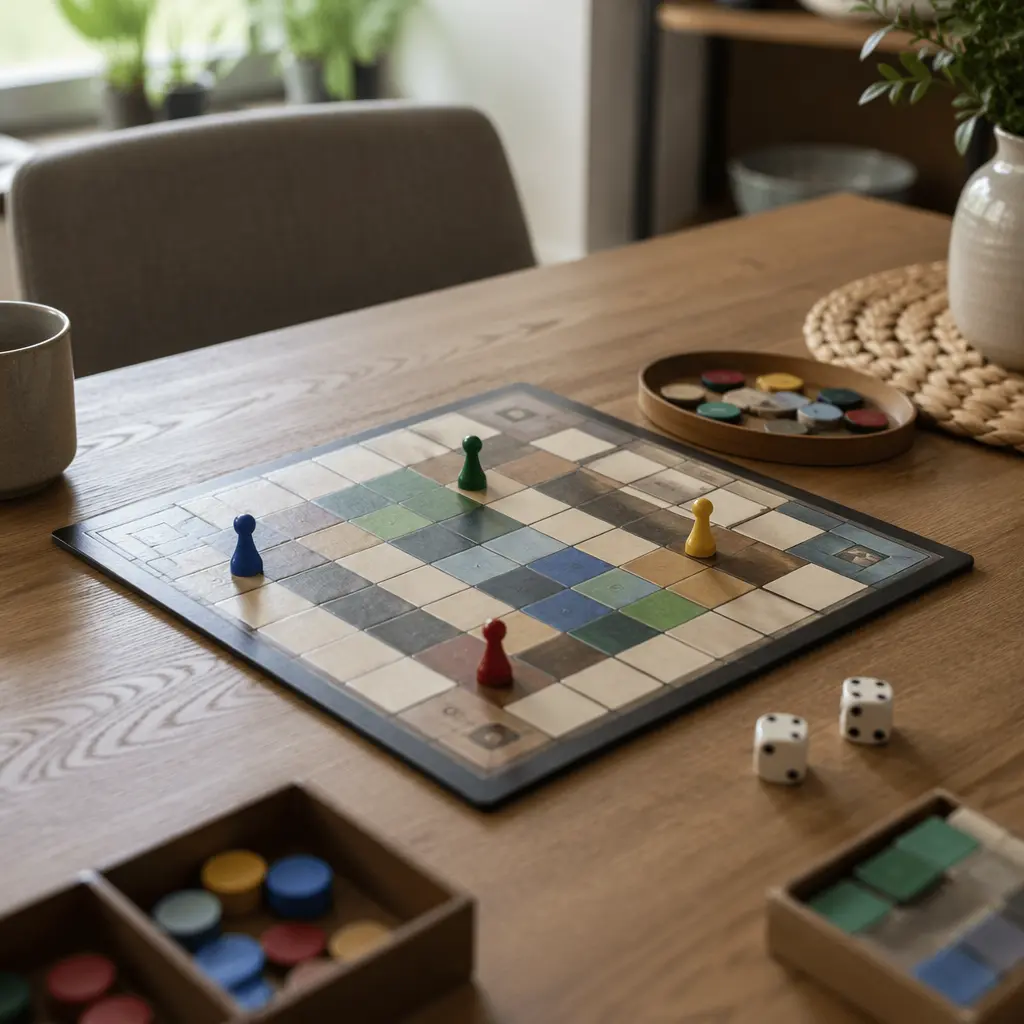
Not every family game works well on a school night. When time and attention are limited, certain design features matter more than theme or complexity. Focusing on these basics can help you choose games that actually get finished.
- Short playtime: Look for games that wrap up in about 10–30 minutes, even with new players.
- Simple rules: Games that can be explained in a few minutes reduce frustration and keep younger players engaged.
- Limited reading: Minimal text helps include early readers and tired kids at the end of the day.
- Turn-based structure: Clear turns make it easier for mixed ages to follow along.
- Built-in end condition: A fixed number of rounds or a clear finish prevents games from dragging on.
Age suitability
For mixed-age families, age recommendations on the box are a starting point, not a guarantee. Many classic games rely on basic counting, color matching, or simple decision-making, which can work for preschoolers through adults. Games that include luck—such as rolling or drawing—help level the playing field so younger kids can compete without feeling outmatched. If older kids are involved, look for light strategy options that add choice without slowing the game down.
Standout categories or types
Classic board games that work well before bedtime often fall into a few broad categories. These styles have stood the test of time because they are easy to learn and easy to finish.
- Race-to-the-finish games: Players move pieces along a path toward a goal. Turns are quick, and the end is obvious.
- Tile or card matching games: Matching colors, shapes, or numbers keeps rules simple and play moving.
- Light strategy games: These add basic choices, like where to place a piece, without overwhelming younger players.
- Cooperative games: Everyone works toward a shared goal, which can reduce conflict and keep playtime predictable.
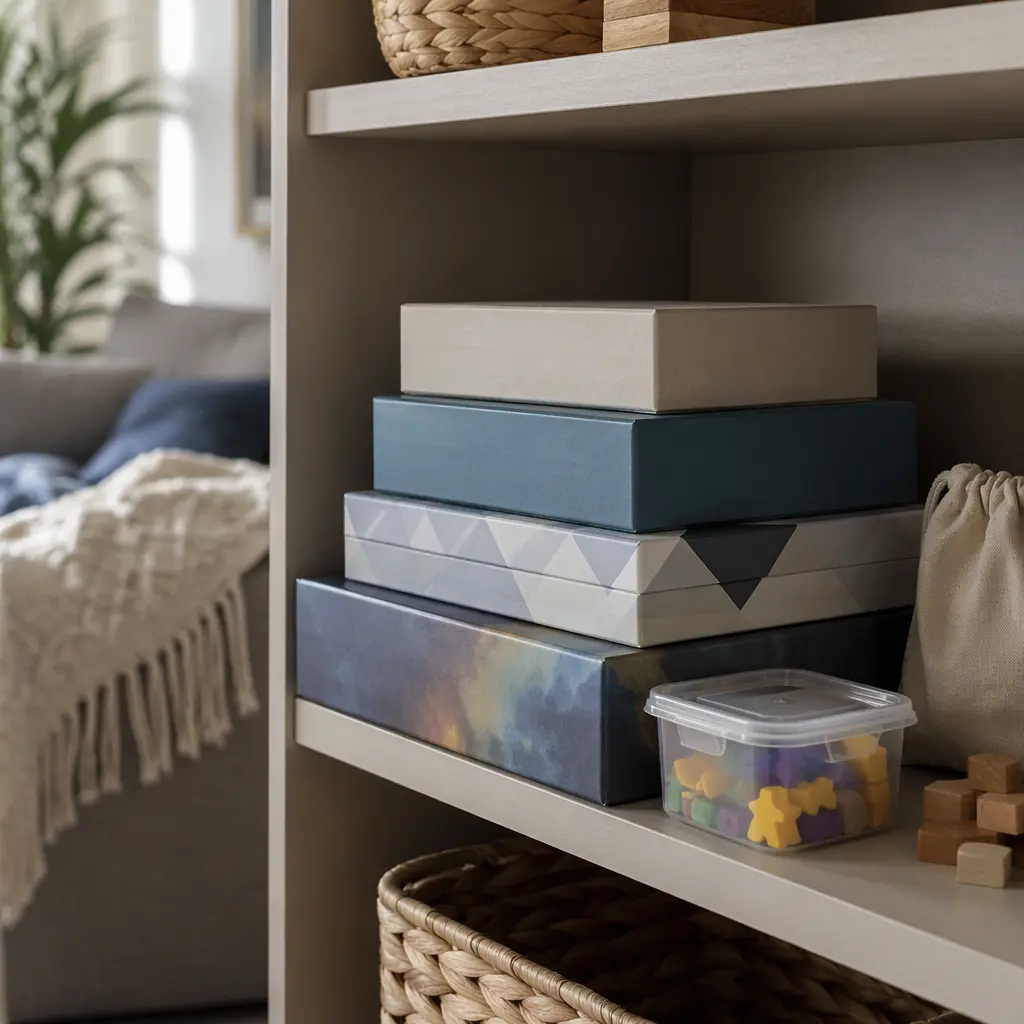
Across these categories, physical components tend to be sturdy and familiar—boards, pawns, tiles, or cards—making them easy to set up and put away. That matters when bedtime routines are already tight.
Frequently asked questions
How long should a weeknight board game last?
For most families, a game that finishes in under 30 minutes works best. Shorter games are easier to start without worrying about running late, and they’re more likely to be played regularly.
Can younger kids really play with older siblings?
Yes, especially when the game includes chance elements and simple decisions. These features help balance skill differences and keep everyone involved until the end.
Are classic games better than newer ones for short play?
Classic games often focus on straightforward mechanics and familiar components, which can make them quicker to learn. Newer games can also be short, but classics tend to be more predictable in playtime.
Do these games require a lot of setup?
Most classic short games have minimal setup—often just unfolding a board or shuffling cards. This makes them easier to start when time is limited.
What if kids want to play again?
That’s a good sign. Because these games are short, families can agree on one round or allow a quick rematch without pushing bedtime too far.
Classic board games that fit into a short evening window can make family time feel more relaxed instead of rushed. By choosing games with simple rules, clear endings, and broad age appeal, parents can offer a screen-free activity that actually works on a busy weeknight.