Classic Board Games That Actually Engage Preschoolers
A parent-focused guide to classic board games that work for ages 3–5. Learn what features matter—short turns, movement, and low reading—and how to choose games preschoolers can enjoy without frustration.
Compare prices and availability
Check current prices and availability for this guide on eBay.
As an eBay Partner, we may be compensated if you make a purchase.
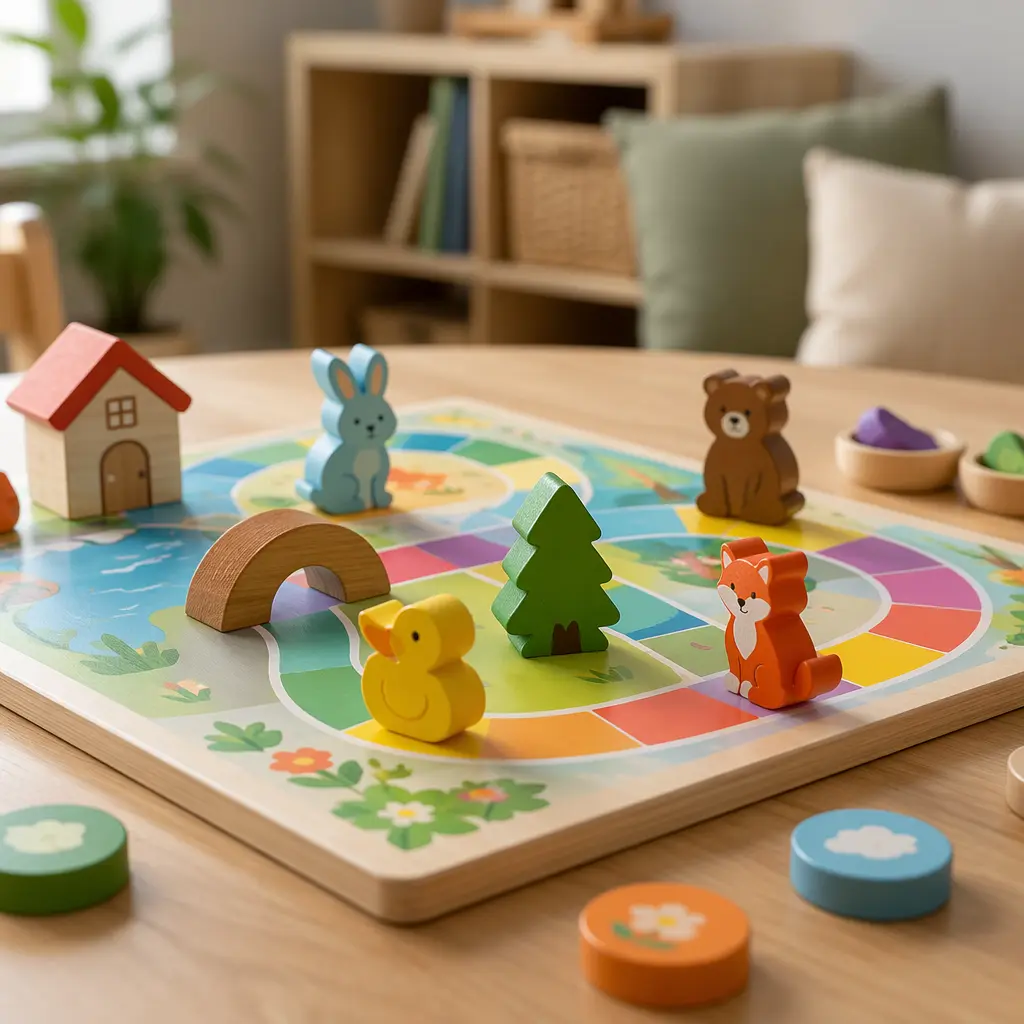
Many classic board games were created with families in mind, but not all of them truly work for preschoolers. Children ages 3–5 are still developing attention span, turn-taking skills, and basic rules understanding. The right game can feel lively and confidence-building; the wrong one can lead to boredom or frustration. This guide focuses on timeless board game styles that tend to engage preschoolers by keeping turns short, adding movement or hands-on play, and minimizing reading requirements.
What to look for
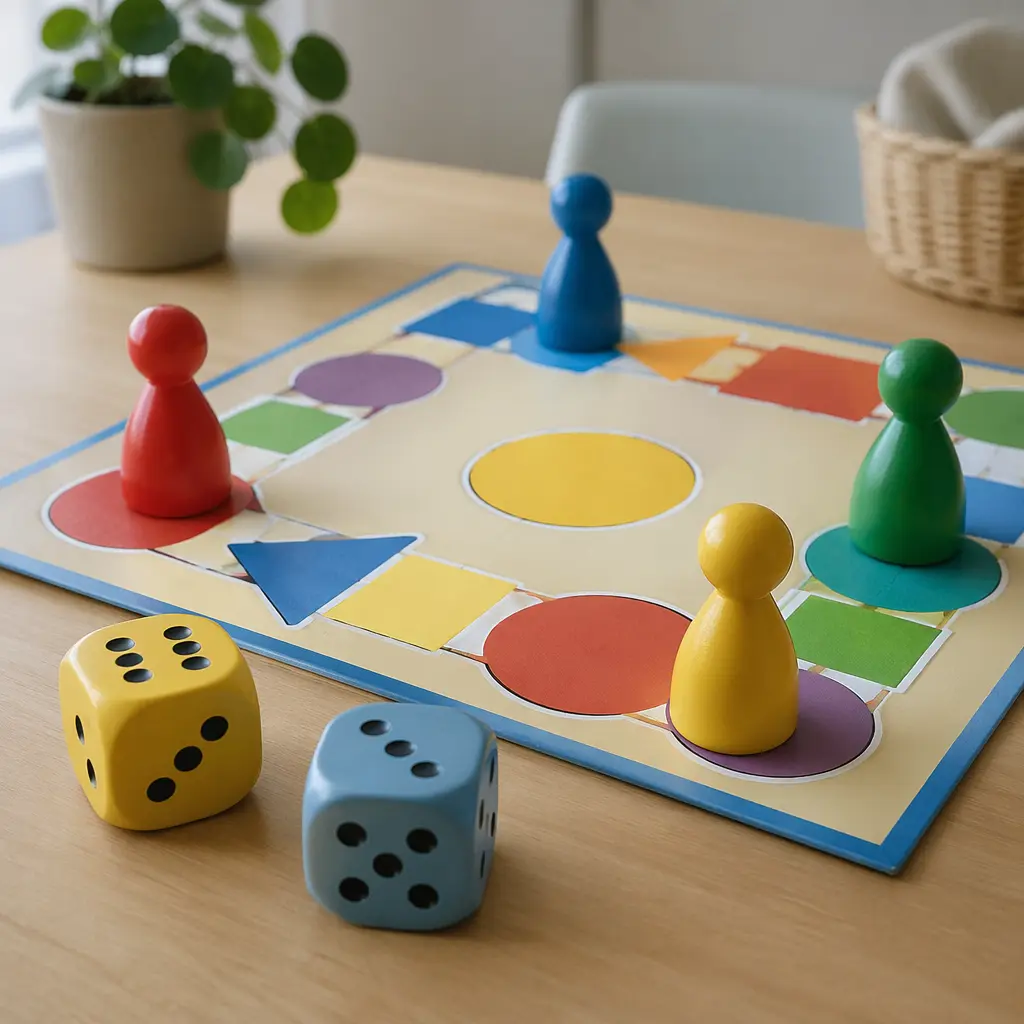
Preschoolers experience games differently than older kids. At this age, success comes from clarity and momentum rather than strategy or complex rules. When evaluating a classic board game or a modern reprint, focus on how well it matches early developmental skills.
- Short, predictable turns so children are not waiting long between actions
- Movement-based play, such as rolling dice, moving pieces, or physical actions
- Minimal or no reading, relying instead on colors, pictures, or symbols
- Clear end conditions so the game does not drag on too long
- Durable pieces sized for small hands
Age suitability
Games labeled for ages 3–5 vary widely in actual difficulty. Younger preschoolers often do best with cooperative or low-pressure games where winning and losing are not the main focus. Older preschoolers may enjoy light competition, especially when outcomes feel playful rather than final. When possible, consider whether the rules can be simplified or adjusted so the game can grow with your child over several years.
Standout categories or types
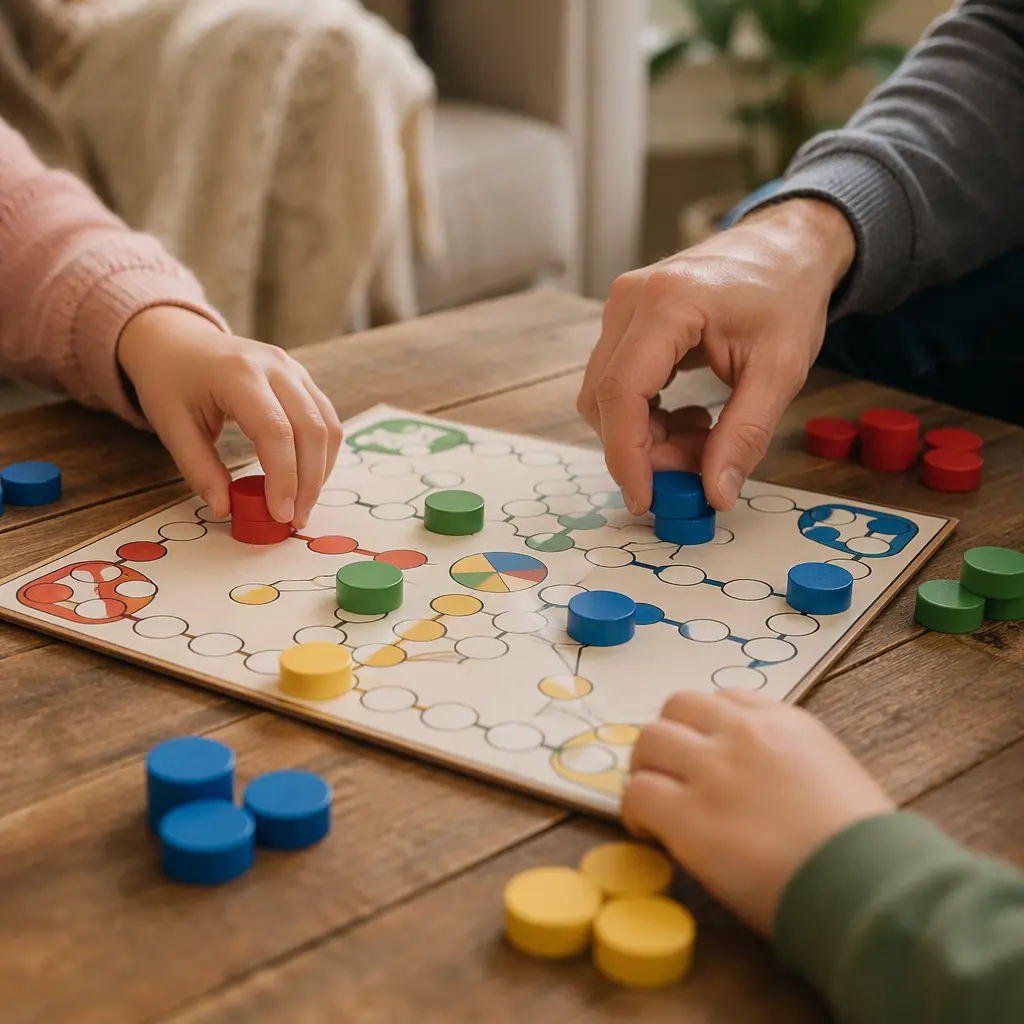
Rather than focusing on specific titles, it can be more helpful to think in terms of game types. Many classic games fall into patterns that consistently work well for preschoolers, especially when the rules are kept simple and the pace stays lively.
- Roll-and-move games with colorful paths that reinforce counting skills
- Matching and memory games that use pictures instead of words
- Cooperative games where players work toward a shared goal
- Action-based games that include clapping, hopping, or simple gestures
- Race-style games that finish quickly and encourage replay
Frequently asked questions
Are classic board games educational for preschoolers?
Yes, when chosen carefully. Many classic games support early math, color recognition, memory, and social skills like turn-taking and following rules. The learning tends to be indirect, happening through repetition and play rather than formal instruction.
How long should a game last for a 3–5 year old?
Most preschoolers do best with games that last 10–20 minutes. Shorter games can often be played multiple times in one sitting, which feels more satisfying than struggling to finish a long game.
What if my child gets upset about losing?
This is common at preschool age. Cooperative games or games where outcomes feel silly can help. Adults can also model good sportsmanship and remind children that the goal is to have fun together, not just to win.
Can older siblings play these games too?
Many classic preschool-friendly games can include older siblings if expectations are clear. Older players may need to slow down, help explain rules, or accept simplified gameplay so everyone stays engaged.
Classic board games can be a meaningful part of preschool play when they match children’s abilities and interests. By prioritizing short turns, movement, and low reading demands, parents can build a small game collection that supports learning, family time, and a positive first experience with board games.