Best Open-Ended Building Toys for Ages 6–8
A parent-focused guide to open-ended building toys for ages 6–8 that spark creativity without instructions or screens. Learn what to look for, age fit, safety tips, and common questions.
Compare prices and availability
Check current prices and availability for this guide on eBay.
As an eBay Partner, we may be compensated if you make a purchase.
Open-ended building toys are a favorite among parents and educators because they let kids decide what to make. For children ages 6–8, these sets support creativity, problem-solving, and independent thinking—without relying on step-by-step instructions or screens. Instead of building the “right” thing, kids can explore ideas, redesign their projects, and play at their own pace. This guide explains what makes a strong open-ended building toy, how to choose one that fits your child’s age and interests, and what types tend to work best for this stage.
What to look for
Not all building toys labeled for this age group truly support open-ended play. The best options share a few key traits that encourage kids to experiment, make mistakes, and try again. When comparing sets, focus on how flexible and durable they are rather than how impressive the finished build looks on the box.
- Open-ended pieces: Parts should connect in many ways, allowing multiple outcomes instead of a single finished model.
- Durability: Materials need to hold up to frequent building, collapsing, and rebuilding.
- Scalable complexity: Sets that work for simple builds but can grow more complex help toys last longer.
- No required instructions: Optional idea cards are fine, but kids should not need steps to get started.
- Screen-free design: Purely hands-on play keeps the focus on imagination and spatial skills.
Age suitability
Kids ages 6–8 are typically ready for more detailed construction than younger children, but they still benefit from toys that don’t overwhelm them. At this stage, many children can plan ahead, follow self-created rules, and combine building with storytelling. Look for sets with enough pieces to feel exciting, but not so many that cleanup or storage becomes frustrating. Fine motor skills are usually strong enough for smaller connectors, though very tiny parts may still be a poor fit for households with younger siblings.
Standout categories or types
Open-ended building toys come in several broad categories, each supporting creativity in slightly different ways. Choosing the right type often depends on how your child likes to play and what skills you want to encourage.
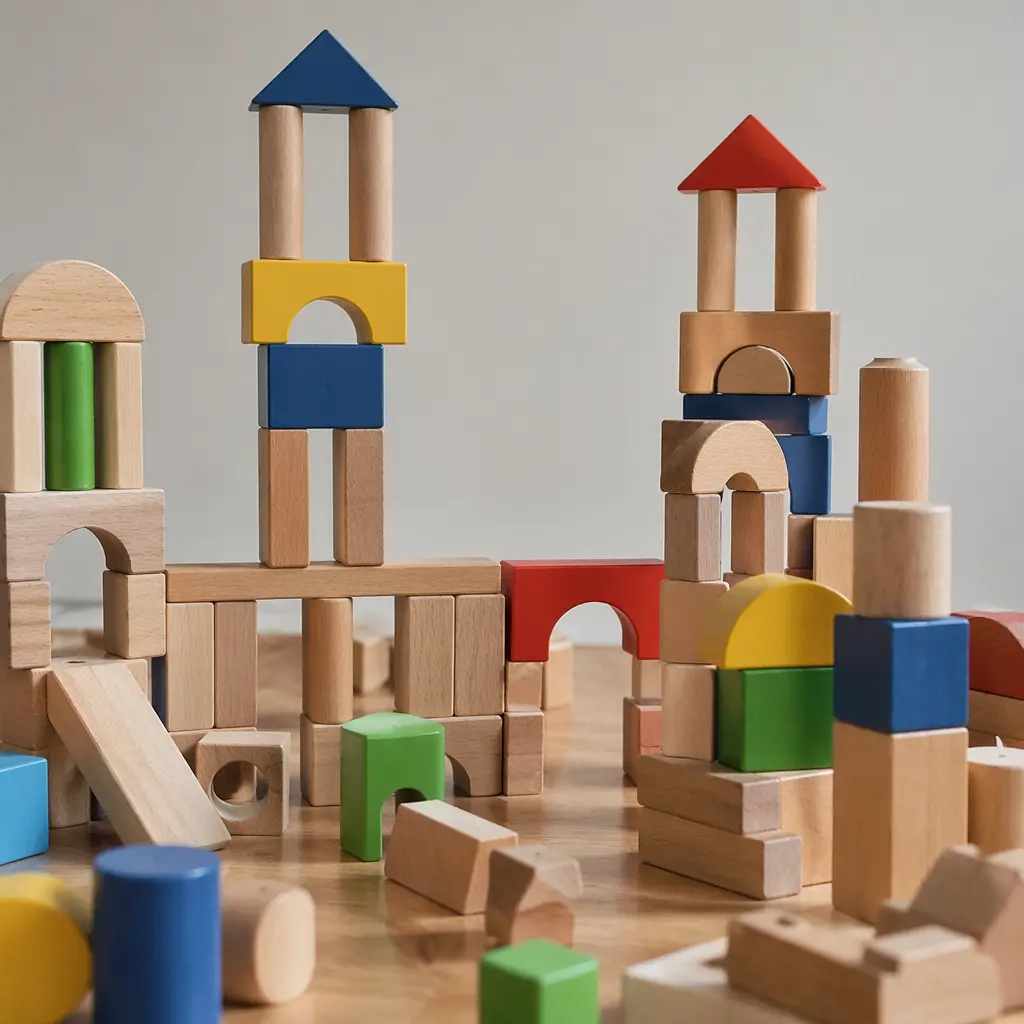
- Classic blocks and planks: Simple shapes made from wood or sturdy plastic are timeless and encourage balance, symmetry, and free-form design.
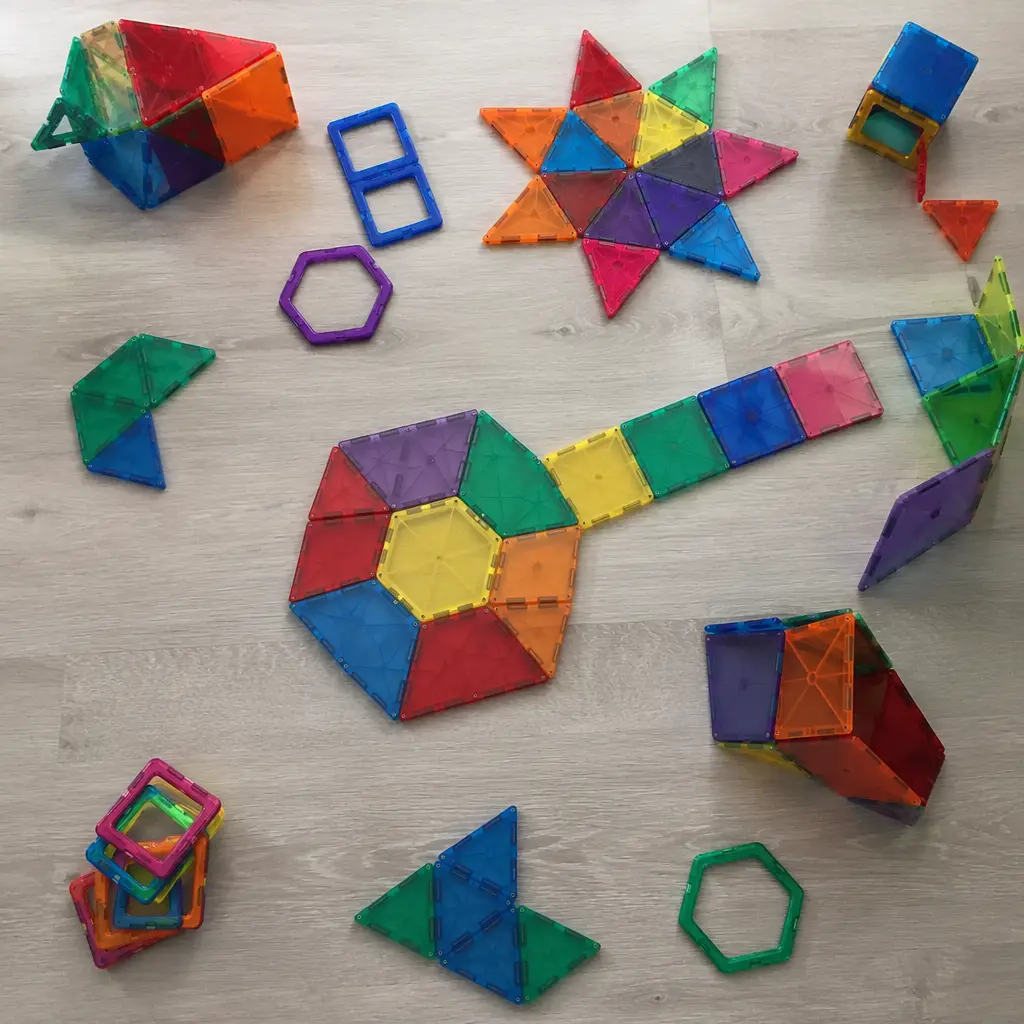
- Magnetic building pieces: These allow for fast connections and easy rebuilding, which can be especially appealing for kids who like experimenting with shapes.
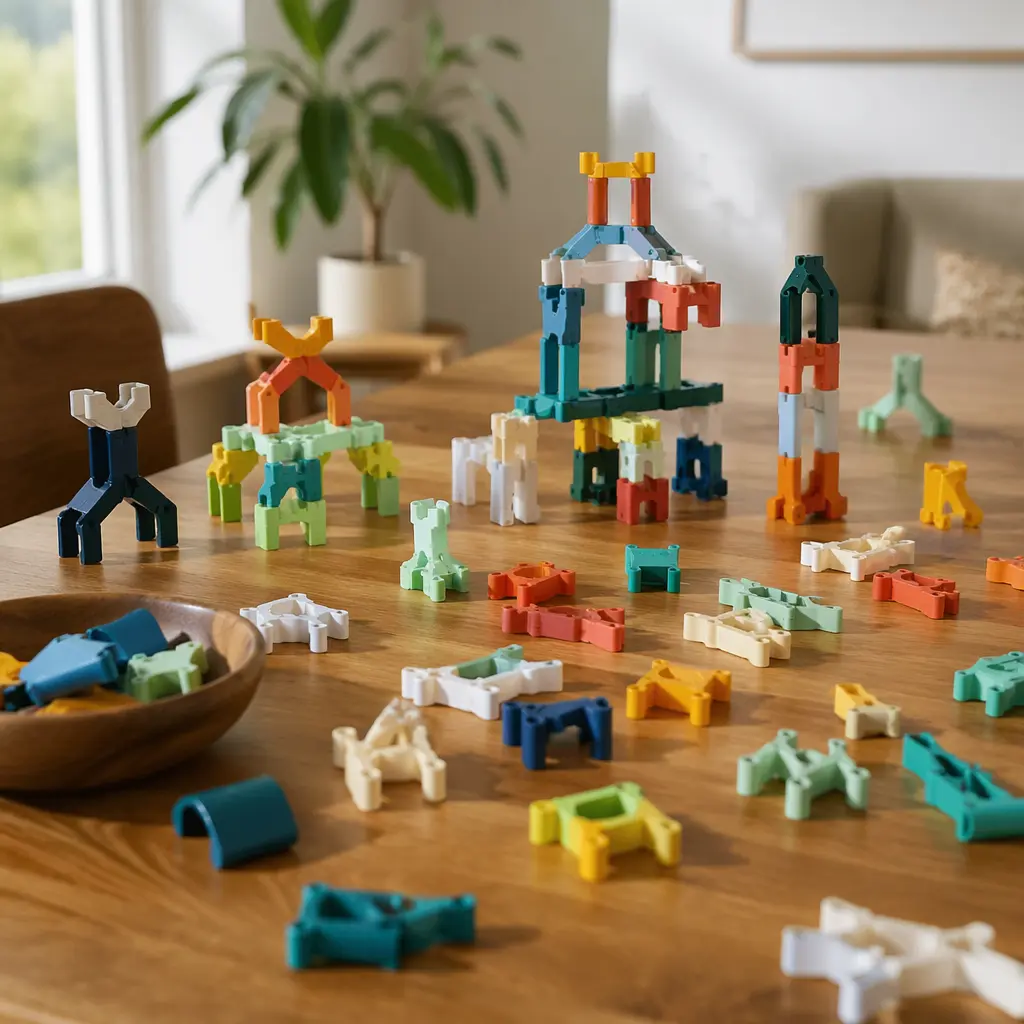
- Interlocking construction sets: Reusable connectors and rods support more complex structures and early engineering concepts.
- Mechanical or motion-based sets: Gears, wheels, and axles add cause-and-effect learning without requiring electronics.
- Mixed-material kits: Sets that combine different textures or connection styles can inspire more imaginative builds.
Frequently asked questions
Are open-ended building toys educational?
Yes. While they may not look like traditional learning tools, these toys support skills linked to math, engineering, and problem-solving. Kids practice spatial reasoning, planning, and persistence as they build and rebuild.
Do kids get bored without instructions?
Most children in this age range enjoy the freedom. Some may need a short prompt at first, such as a challenge to build a bridge or tower, but open-ended sets tend to grow with a child’s imagination.
How many pieces are enough?
There’s no single right number, but a medium-sized set usually offers a good balance. Enough pieces to build multiple structures at once can reduce frustration and support cooperative play.
Can these toys support group play?
Yes. Open-ended building toys often work well for siblings or friends because there’s no fixed goal. Kids can collaborate, divide roles, or combine their ideas into one larger build.
For parents seeking toys that encourage creativity without screens or strict rules, open-ended building sets are a strong choice for ages 6–8. By focusing on flexibility, durability, and age-appropriate complexity, you can find options that support imaginative play today and continue to feel engaging as your child grows.