Bubble Machines: How a fleeting joy became push‑button play
Once a momentary delight, bubbles became a set‑and‑play staple with the rise of bubble machines. Here’s how automated bubbles won backyards, parties, and parks—and what to know now.
Compare prices and availability
Check current prices and availability for this guide on eBay.
As an eBay Partner, we may be compensated if you make a purchase.
Bubbles have always felt like magic—beautiful, unpredictable, and gone almost as soon as they appear. Bubble machines changed that equation. With a whirring motor and a tray of solution, they turned a fleeting joy into something you can switch on and let run, filling gardens, playgrounds, and parties with a steady stream of floating spheres.
Where it came from
For decades, bubble play meant a wand and a small pot of solution. That hands‑on ritual was charming but brief—spills were common, refills constant, and output depended on patience and breath control. As small electric motors became cheaper and battery tech improved, toy makers began experimenting with ways to automate the process.
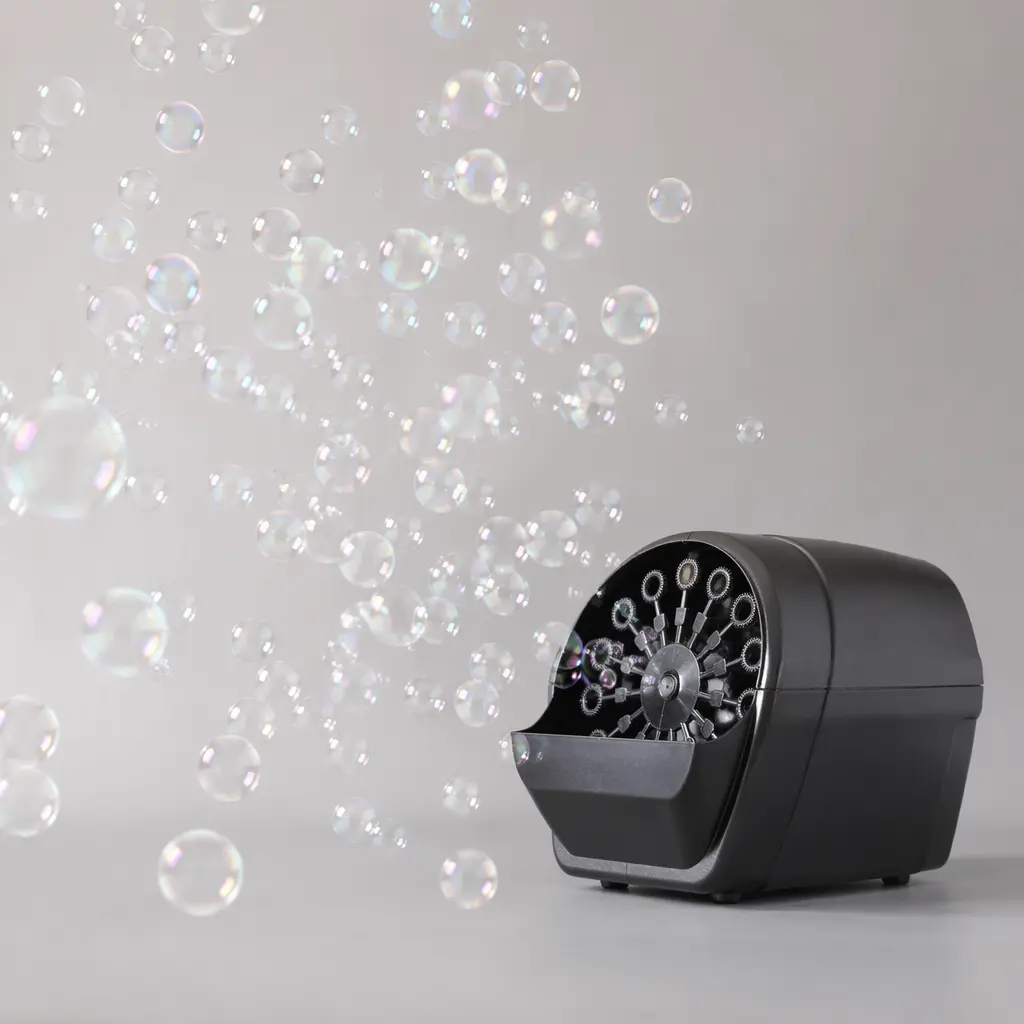
The modern bubble machine emerged as a contemporary outdoor toy, borrowing ideas from stage effects and novelty fans. Instead of one loop, machines used rotating wheels or multiple rings dipped repeatedly into solution, producing dozens of bubbles at a time. What started as party gear quickly became a mainstream toy, especially appealing to parents who wanted instant atmosphere without constant supervision.
Why it works
Bubble machines succeed because they remove friction from play. There’s no technique to learn and no waiting for a turn. Switch it on, and the environment changes—suddenly the space feels playful. Kids chase bubbles, toddlers watch them drift, and adults can enjoy the effect without actively managing it.
- Continuous output that keeps attention without effort
- Simple mechanics: rotating rings and a small fan
- Hands‑free play that works for groups
- Works across ages, from toddlers to adults
- Scales easily, from tabletop to garden‑sized units
Who it’s for
Bubble machines are unusually inclusive. Toddlers can enjoy watching and popping bubbles without needing coordination, while older kids turn them into chase games or party centrepieces. They also appeal to adults planning birthdays, weddings, or community events—anywhere a bit of visual delight helps set the mood.
Variants and what to look for today
Today’s bubble machines range from palm‑sized novelty toys to robust outdoor units designed to run for long stretches. Some are styled for children, while others are deliberately plain for events. The core idea is the same, but small differences affect how satisfying they are to use.
- Power source: battery‑powered models are portable; mains‑powered ones suit longer events
- Output rate: more rings or faster rotation means denser bubbles
- Spill resistance: enclosed reservoirs reduce mess
- Durability: sturdier housings last longer outdoors
- Solution compatibility: standard bubble solution is usually best
Frequently asked questions
Are bubble machines safe for young children?
Most are designed for family use, but they’re best treated as supervised toys. Keep solution out of reach, avoid eye contact with bubbles at close range, and check age guidance from the manufacturer.
Do they use a lot of bubble solution?
They can, especially high‑output models. Continuous play looks impressive, but shorter bursts can stretch a bottle much further without losing the effect.
Can I use homemade bubble mix?
Some machines cope well, but many work best with ready‑made solutions that are formulated for consistent film strength. Thicker mixes can clog mechanisms.
Are bubble machines only for parties?
Not at all. They’re just as effective for everyday garden play, sensory activities, or calming background motion during outdoor time.
By automating something simple and joyful, bubble machines show how small design tweaks can change how a toy fits into daily life. They don’t replace the charm of a wand, but they’ve earned their place as an easy way to switch on wonder—no deep breath required.