Finger BMX: How tiny trick bikes turned desks into skateparks
Finger BMX toys took the fingerboard idea in a new direction, swapping flat decks for tiny bikes that reward balance, timing, and practice on tabletops and homemade ramps.
Compare prices and availability
Check current prices and availability for this guide on eBay.
As an eBay Partner, we may be compensated if you make a purchase.
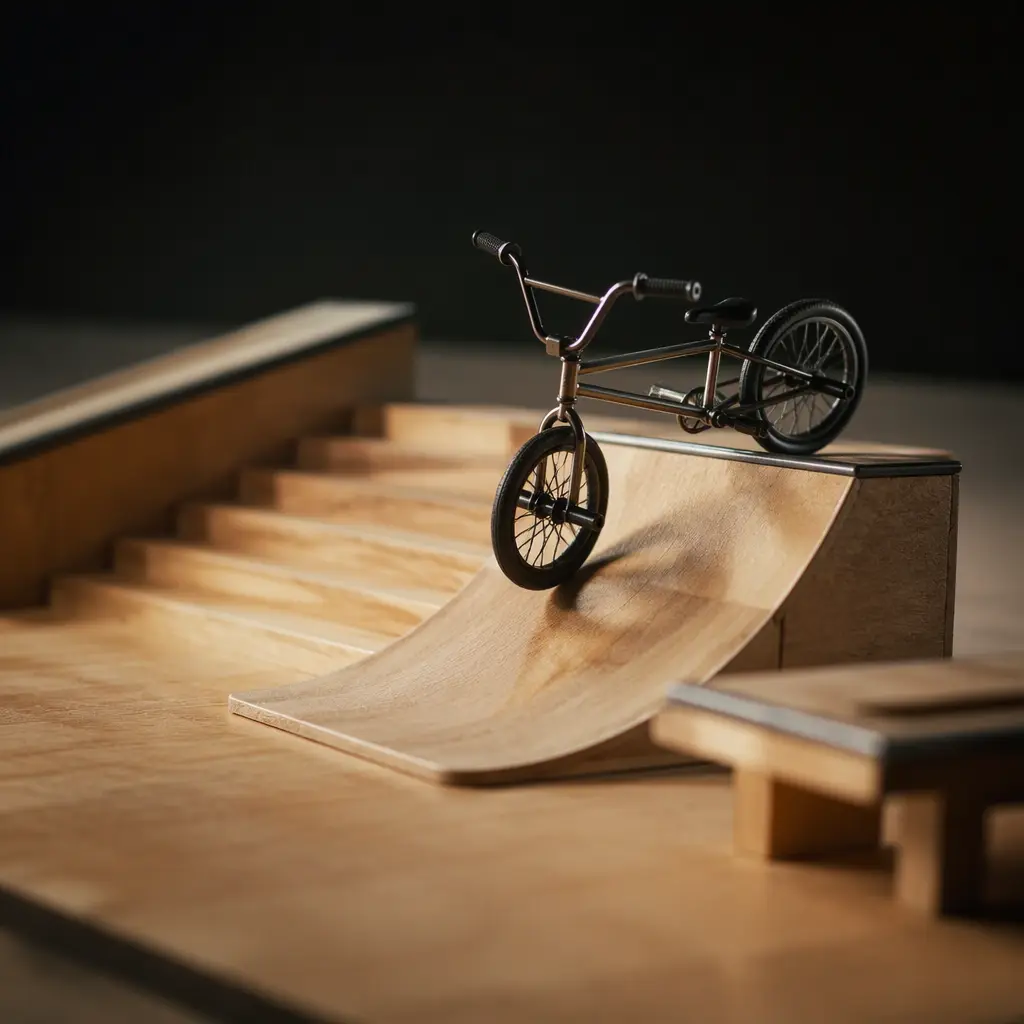
Finger BMX toys arrived at a moment when tabletop skill toys were already having a comeback. Fingerboards had introduced a generation of kids and adults to miniature tricks performed with two fingers, but finger BMX added something different: balance. Instead of flicking a flat board through kickflips, players guide a tiny bike through hops, wheelies, spins, and technical landings that feel closer to real BMX riding. The appeal comes from the mix of dexterity and creativity. A desk, kitchen table, or stack of books can quickly become a miniature skatepark.
Where it came from
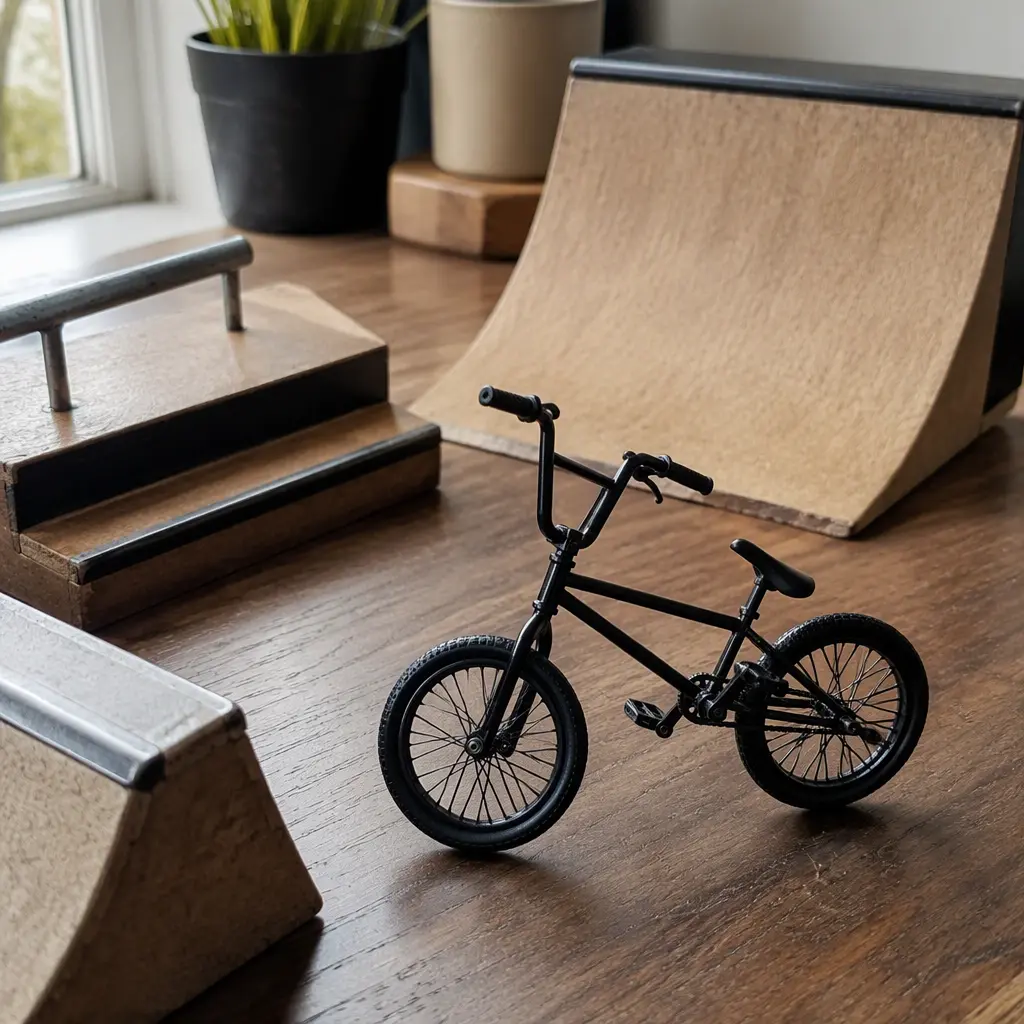
The idea behind finger BMX toys grew naturally out of fingerboarding culture. Fingerboards had been popular for years through online trick videos, hobby communities, and collectible designs, but riders and toy makers started experimenting with other miniature action-sports equipment. Tiny BMX-style bikes appeared in independent hobby circles before becoming more widely produced in the early 2020s, especially around 2021 as social video platforms helped short trick clips spread quickly.
Unlike many licensed toys, finger BMX products were driven more by play patterns than by characters or stories. The goal was to capture the feel of BMX riding in a scaled-down form that could still be controlled with fingertips. Designers focused on movable handlebars, rolling wheels, grippy tires, and enough frame durability to survive repeated crashes onto hard desks and floors. The category also benefited from the rise of creator culture. Players built homemade parks from cardboard, wood scraps, books, and household objects, turning the toy into both a skill challenge and a creative hobby.
Why it works
What makes finger BMX different from fingerboards is the constant requirement for balance and coordination. The rider usually controls the bike with one or two fingers while trying to keep both wheels aligned during tricks. Even simple movements like manuals or bunny hops demand timing. That learning curve is part of the appeal. New players can roll around immediately, but advanced tricks take repetition in the same way yo-yos, kendamas, or speed cubes reward practice.
The physical design matters more than it may appear at first glance. Tiny handlebars create steering control, while rotating pegs and low-friction wheels help the bikes slide across rails and ledges. Better-designed versions often have enough weight to feel stable without becoming difficult to lift during jumps. Many riders also enjoy how customizable the setups can become, from swapping tire colors to building entirely new obstacle layouts.
- Miniature BMX-style frames with moving handlebars and rolling wheels
- Designed for tabletop tricks like hops, manuals, spins, and rail slides
- Compact enough for desks, travel, or classroom downtime
- Encourages hand coordination, patience, and repetitive skill practice
- Often paired with homemade or modular ramps and rails
Who it's for
Finger BMX toys are generally best for older children, tweens, teens, and adults who enjoy hands-on skill toys. Younger kids may like rolling the bikes around, but the trick-focused play pattern usually becomes more rewarding around ages eight and up, when finger control and patience improve. The category also has strong crossover appeal with BMX riders, skateboarders, and collectors who enjoy building miniature parks or filming trick videos. Adults who grew up with fingerboards often find finger BMX surprisingly engaging because the bikes create a fresh challenge while still fitting into the same desk-friendly hobby space.
Variants and what to look for today
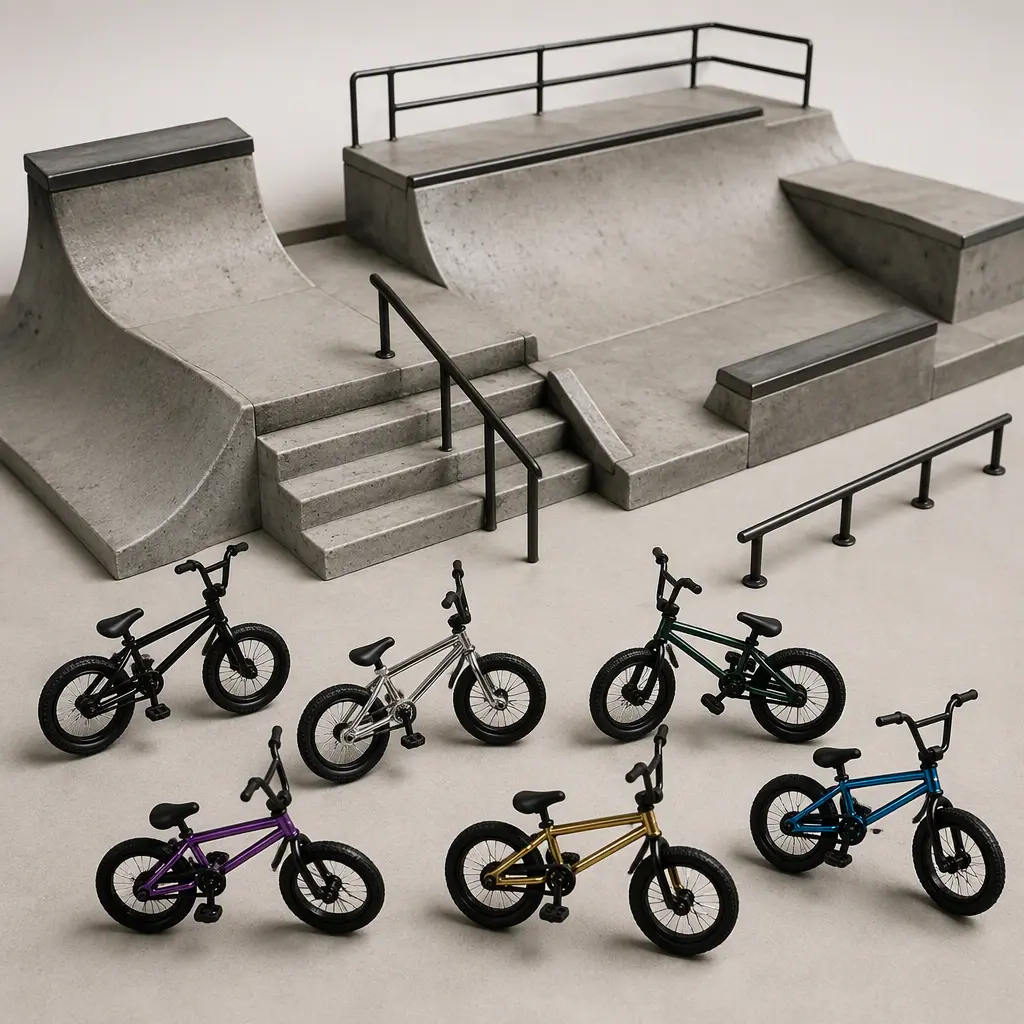
The finger BMX category is still relatively young compared with older toy lines, so the market includes a wide mix of quality levels. Some entry-level bikes are lightweight plastic meant mainly for casual play, while more advanced versions use heavier materials and smoother wheel construction for better trick control. Buyers interested in actual skill-based riding should pay attention to steering movement, wheel grip, and overall sturdiness rather than cosmetic decoration alone.
There are also many accessory-focused sets built around ramps, rails, and obstacle parks. Those can be useful for beginners because they provide ready-made surfaces designed for miniature tricks. Hobby players often prefer creating their own layouts from household materials or combining modular pieces into larger setups.
- Starter sets with ramps are usually easier for beginners
- Heavier bikes often feel more controllable during tricks
- Smooth wheel movement matters more than flashy decoration
- Loose handlebars and weak joints can wear out quickly
- Homemade parks remain a major part of the hobby culture
Frequently asked questions
Are finger BMX toys hard to learn?
Basic riding is simple, but tricks take practice. Most players can roll, turn, and hop within minutes, while more advanced moves like tailwhips or rail grinds may require repeated attempts. The gradual improvement is part of the toy's appeal.
Do you need ramps to play with finger BMX?
Not necessarily. Many players start with household objects such as books, rulers, boxes, or cups. Dedicated ramps and rails make tricks smoother and more repeatable, but creative setups are a big part of the culture.
How is finger BMX different from fingerboards?
Fingerboards rely heavily on flicking and board rotation, while finger BMX adds steering and balance. The bike format creates a more upright style of control that some players find easier to understand at first, though advanced tricks can become equally technical.
Why did finger BMX become popular online?
Short-form videos helped the category grow quickly because miniature tricks are easy to film in small spaces. Players could build custom parks at home, experiment with creative camera angles, and share short clips that looked surprisingly close to full-size BMX riding.
Finger BMX toys show how modern skill toys continue to evolve from simple ideas into hobby communities. By combining the portability of fingerboards with the balance and movement of BMX riding, they turned ordinary tables into practice spaces and creative playgrounds. Their rise also reflects a broader trend in toys: compact activities that reward patience, repetition, and personal style rather than batteries or screens.