Jump Rope: How a simple cord became endlessly replayable
From schoolyards to gyms, the jump rope proves that a simple design can fuel decades of play, fitness, and friendly competition.
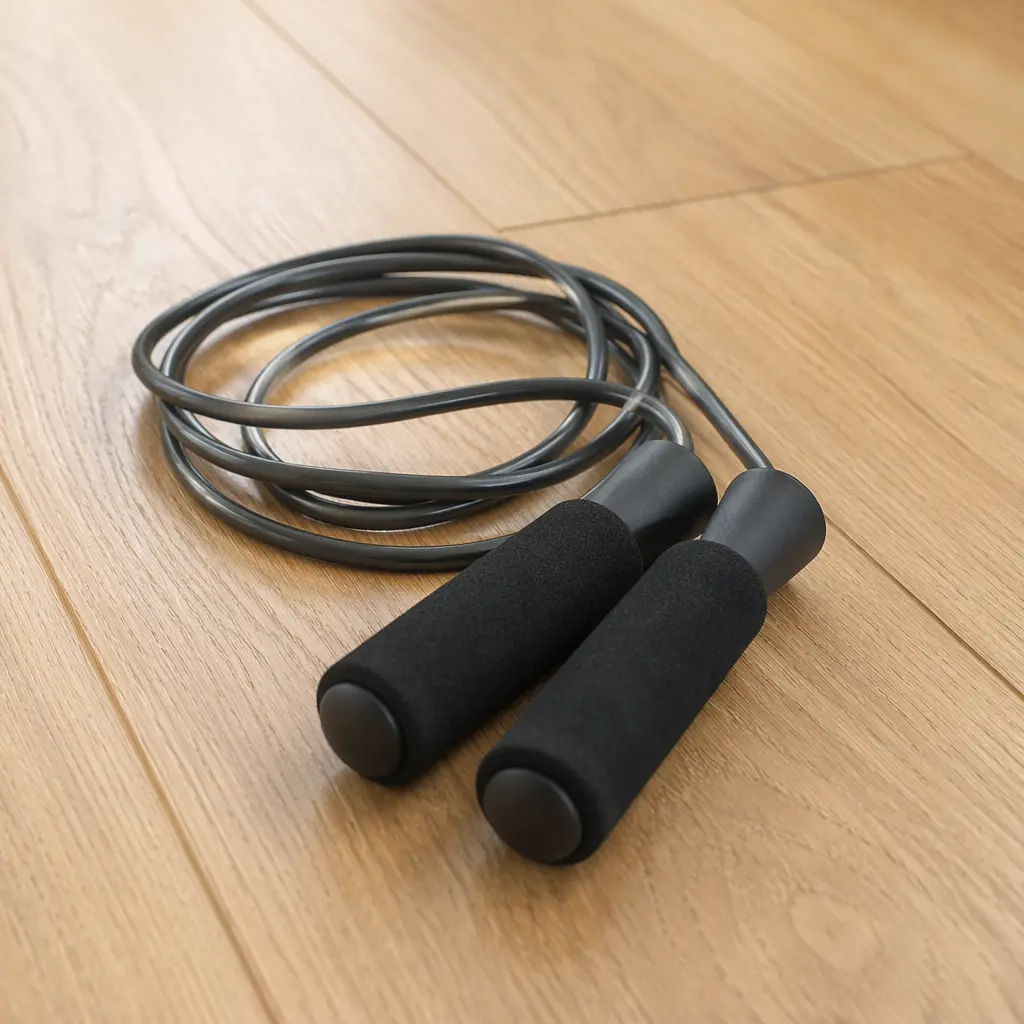
Compare prices and availability
Check current prices and availability for this guide on eBay.
As an eBay Partner, we may be compensated if you make a purchase.
The jump rope may be the most unassuming toy ever to earn superstar status. It’s just a length of rope with something to hold onto, yet it has powered generations of playground games, playground chants, fitness routines, and quiet backyard challenges. Few toys cross as many boundaries of age, culture, and purpose, and fewer still remain relevant without ever really changing.
Where it came from
Jumping over a swinging rope predates the idea of toys altogether. Historical references suggest rope-jumping games existed centuries ago in Europe and Asia, often tied to seasonal festivals or rhythmic folk games. By the late 19th and early 20th centuries, manufactured ropes became common, turning a folk activity into an everyday pastime for children.
In the post-war era, the jump rope settled firmly into schoolyards and neighbourhoods. It was cheap, portable, and endlessly adaptable. Teachers embraced it for physical education, parents appreciated its simplicity, and kids made it their own with chants, tricks, and competitions. Unlike many toys, it didn’t need a brand story to succeed; it rode on shared culture and collective memory.
Why it works
At its core, the jump rope works because it offers instant feedback. The rope clears your feet or it doesn’t. That clear cause-and-effect loop makes it satisfying to learn and hard to abandon. It scales effortlessly, too: a beginner can hop slowly, while an expert layers in speed, rhythm, and complex footwork.
- Simple mechanics that are easy to understand
- Natural progression from basic jumps to advanced tricks
- Built-in rhythm that encourages repetition
- Works solo or with friends
- Requires very little space or setup
Design-wise, the jump rope is a lesson in restraint. Handles add comfort and control, the rope provides timing and resistance, and that’s about it. Because there’s nothing else to distract, players focus on movement, coordination, and endurance. It’s physical play distilled to its essentials.
Who it's for
The jump rope suits a wide age range. Young children use it to develop balance and timing, often starting with slow swings or group games. Older kids turn it into a social activity, complete with chants and competitive routines. Adults rediscover it as an efficient workout tool that fits easily into busy schedules. Few toys feel equally at home in a school playground and a home gym.
Variants and what to look for today
Modern jump ropes come in more varieties than ever, but the differences are mostly about feel rather than function. Lightweight fabric or cotton ropes are forgiving and popular with children. Plastic-coated ropes add durability and glide better on outdoor surfaces. Weighted ropes and adjustable-length designs cater to fitness users who want a more tailored experience.
When shopping today, it’s worth paying attention to handle comfort and rope length. A rope that’s too long or too short can frustrate beginners. Very cheap ropes may kink or fray quickly, which affects how smoothly they swing. Otherwise, there’s no need to overthink it—the classic versions remain classics for a reason.
Frequently asked questions
Is a jump rope really a toy or more of a fitness tool?
It’s both. Historically it entered homes as a toy, but its benefits for coordination and endurance led adults to adopt it for exercise. That dual identity is part of its staying power.
What age can children start using a jump rope?
Many children can start experimenting around ages four or five, often without full jumps at first. Mastery usually comes later, once timing and balance improve.
Do you need special footwear or surfaces?
Comfortable trainers and a forgiving surface like grass or a gym mat help, especially for longer sessions. Hard concrete can be tough on joints over time.
Why hasn’t the jump rope changed much over the years?
Because it doesn’t need to. The basic design already delivers what players want: rhythm, challenge, and movement. Most updates simply refine materials or comfort.
In a toy world crowded with electronics and elaborate features, the jump rope stands out by staying exactly what it has always been. It invites movement, rewards practice, and costs little to maintain. That combination explains why a simple piece of rope continues to earn its place in homes and playgrounds around the world.