Outdoor Toys Kids Can Share Across Different Ages
A parent-focused guide to classic outdoor toys that grow with kids, from toddlers to tweens. Learn what features help toys scale by age, stay safe, and keep siblings playing together.
Compare prices and availability
Check current prices and availability for this guide on eBay.
As an eBay Partner, we may be compensated if you make a purchase.
When kids of different ages play together outside, the right toys can make a big difference. Some outdoor toys naturally scale from younger siblings to older kids, adjusting to different skill levels without feeling babyish or too advanced. These shared toys encourage movement, cooperation, and creativity, while helping families get more long-term value from fewer items.
What to look for
Not every outdoor toy works well across age gaps. The best options share a few key traits that let younger kids participate safely while still challenging older ones. Looking beyond age labels on the box can help you spot toys with real staying power.
- Adjustability: Toys that change height, distance, or difficulty can grow with a child.
- Open-ended play: Items without strict rules let kids invent games that fit different abilities.
- Durable materials: Shared toys see more use and need to hold up to rougher play.
- Simple setup: Easy-to-use toys make it more likely that kids of all ages can join in.
- Clear safety boundaries: Toys should have obvious safe zones or rules that older kids can respect around younger ones.
Age suitability
Shared outdoor toys often span a wide age range, but that does not mean every activity suits every child at the same time. Younger kids may focus on basic movements like throwing, pushing, or balancing, while older kids add speed, distance, or rules. Look for toys that allow parallel play at first, then cooperative play as skills and confidence grow. When in doubt, choose toys that can be enjoyed in short bursts by younger children and in longer, more complex games by older ones.
Standout categories or types
Some categories of outdoor toys are especially good at bringing different ages together. These classics rely more on creativity and physical effort than on precise instructions or screens.
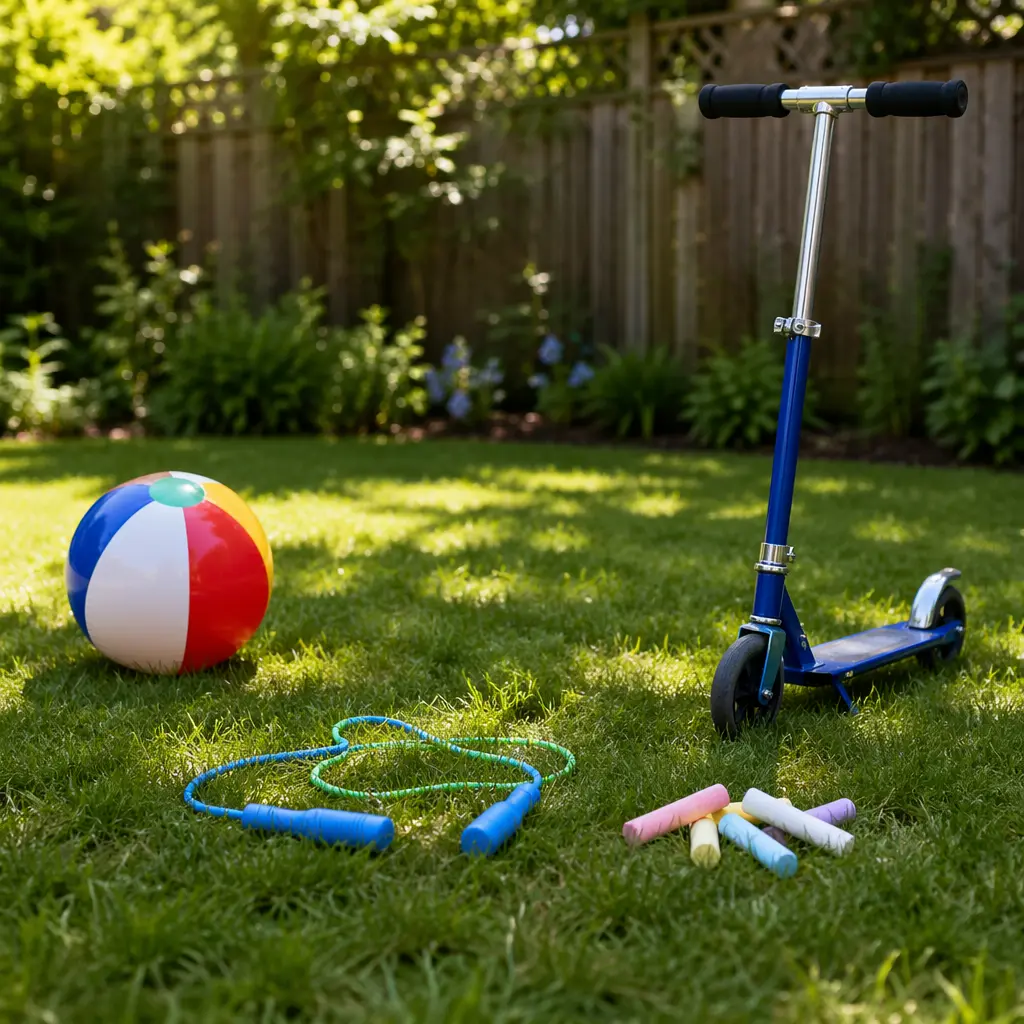
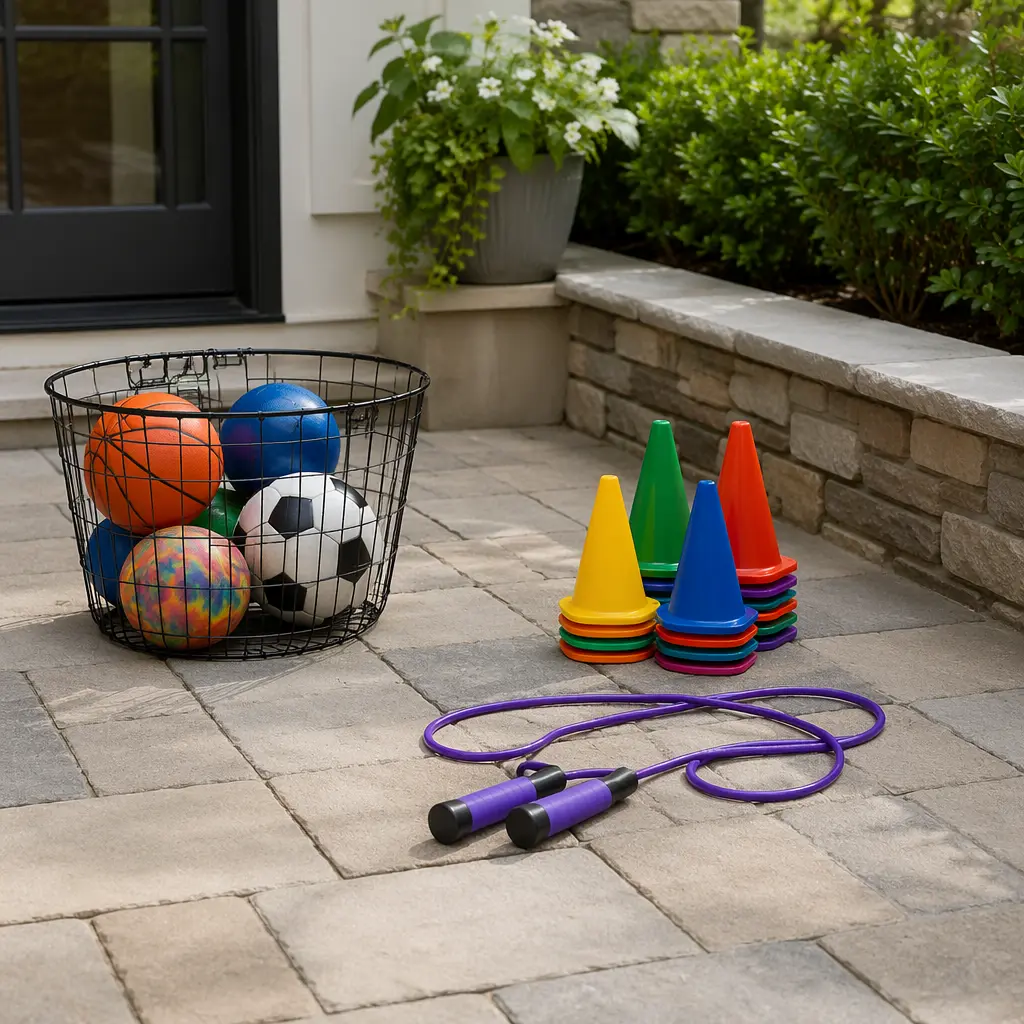
- Balls and catch toys: Different sizes and textures let younger kids roll or toss while older kids throw, kick, or invent games.
- Ride-on and balance toys: Simple wheeled or balance-based toys can be used slowly by beginners and more dynamically by experienced kids.
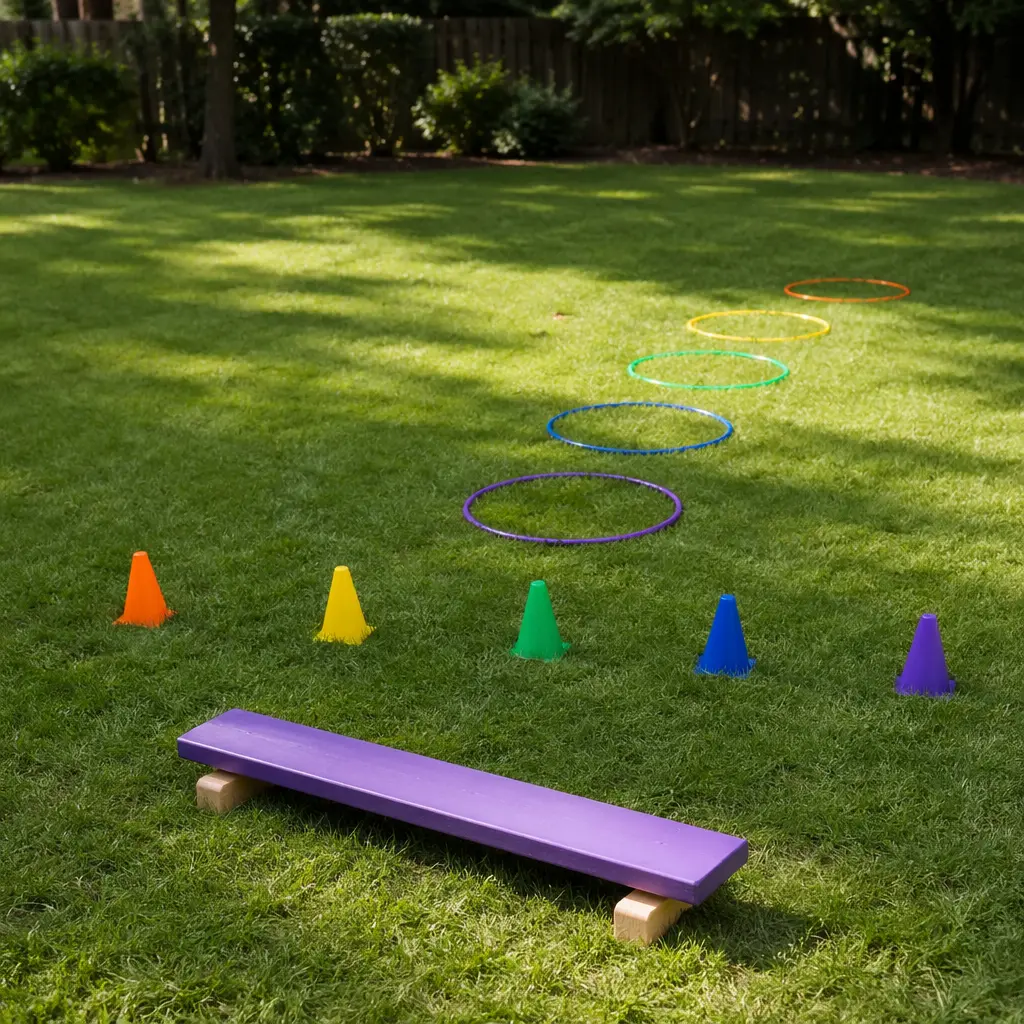
- Active basics: Items like jump ropes, hula hoops, or flying discs can be used solo or in group challenges.
- Obstacle and movement sets: Cones, stepping stones, and tunnels allow kids to design courses that match their own abilities.
- Creative outdoor play: Chalk, sand tools, and water play accessories invite cooperative and imaginative play across ages.
Frequently asked questions
Can one outdoor toy really work for toddlers and older kids?
Yes, if the toy supports different ways to play. Toddlers might explore basic movement or sensory elements, while older kids add rules, speed, or competition. The key is flexibility rather than a fixed skill level.
How do I prevent older kids from overpowering younger ones?
Set simple ground rules before play starts, such as designated turns or zones. Many families find it helpful to frame older kids as helpers or coaches, which keeps play positive and inclusive.
Are shared outdoor toys safe for independent play?
This depends on the ages involved and the toy itself. Younger children usually need supervision, while older kids may play independently once rules are established. Always match independence to your child’s abilities.
What if kids lose interest at different times?
Choose toys that allow drop-in, drop-out play. Open-ended toys make it easier for one child to switch activities without stopping the fun for others.
Outdoor toys that span age groups can simplify your backyard setup and encourage siblings to play together more often. By focusing on adjustability, durability, and open-ended play, parents can choose options that stay relevant as kids grow, making outdoor time more active and more inclusive for the whole family.