Interactive Plush Toys vs. Classic Stuffed Animals for Older Kids
Tech-enhanced plush toys promise sounds, games, and learning, but do they last? This guide compares interactive plush toys with classic stuffed animals for kids ages 6–8, focusing on play value, durability, and fit for growing kids.
Compare prices and availability
Check current prices and availability for this guide on eBay.
As an eBay Partner, we may be compensated if you make a purchase.
As kids move into the 6–8 age range, their play habits start to change. Many parents wonder whether interactive plush toys—with sounds, sensors, or app-connected features—offer more lasting value than classic stuffed animals. Both types still have a place at this age, but they serve different purposes and appeal to different kinds of play.
What to look for
When choosing between interactive and classic plush toys for older kids, it helps to look beyond novelty. Consider how the toy fits your child’s interests, daily routines, and tolerance for maintenance like charging or battery changes.
- Play depth: Does the toy encourage imagination, storytelling, or problem-solving, or is it mostly reactive?
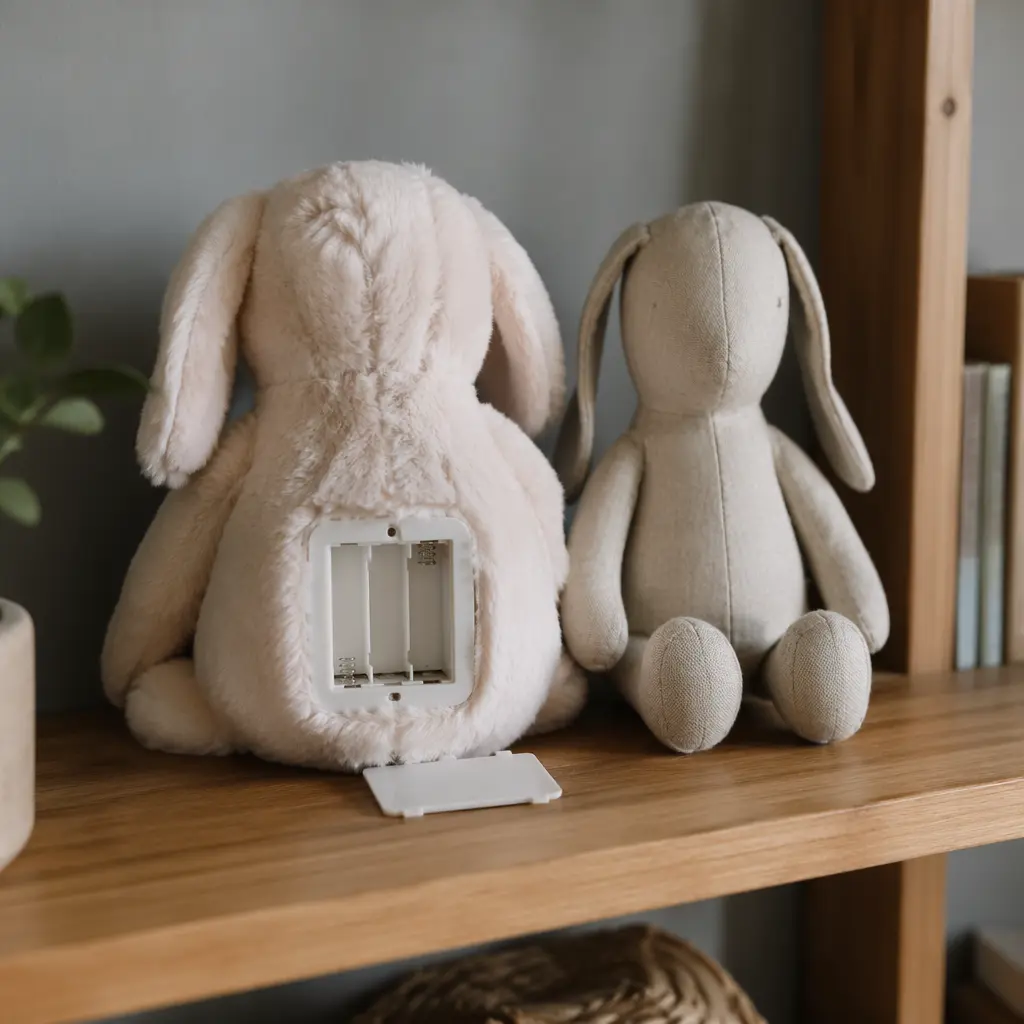
- Longevity: Will the toy still be usable and appealing if the electronics stop working?
- Durability: Older kids may be gentler than toddlers, but plush toys still get dropped, squeezed, and dragged around.
- Noise and stimulation level: Some interactive features can feel exciting at first but overwhelming over time.
- Care and cleaning: Non-electronic plush toys are usually easier to wash and maintain.
Age suitability
Kids ages 6–8 are in a transition phase. They are more capable of following rules, understanding simple technology, and engaging with structured play, but they also continue to use toys for comfort and creative expression. Interactive plush toys may appeal to kids who enjoy gadgets, quizzes, or guided activities. Classic stuffed animals often remain relevant as companions in pretend play, bedtime routines, or emotional regulation, even if they are no longer the main "play" toy.
Standout categories or types
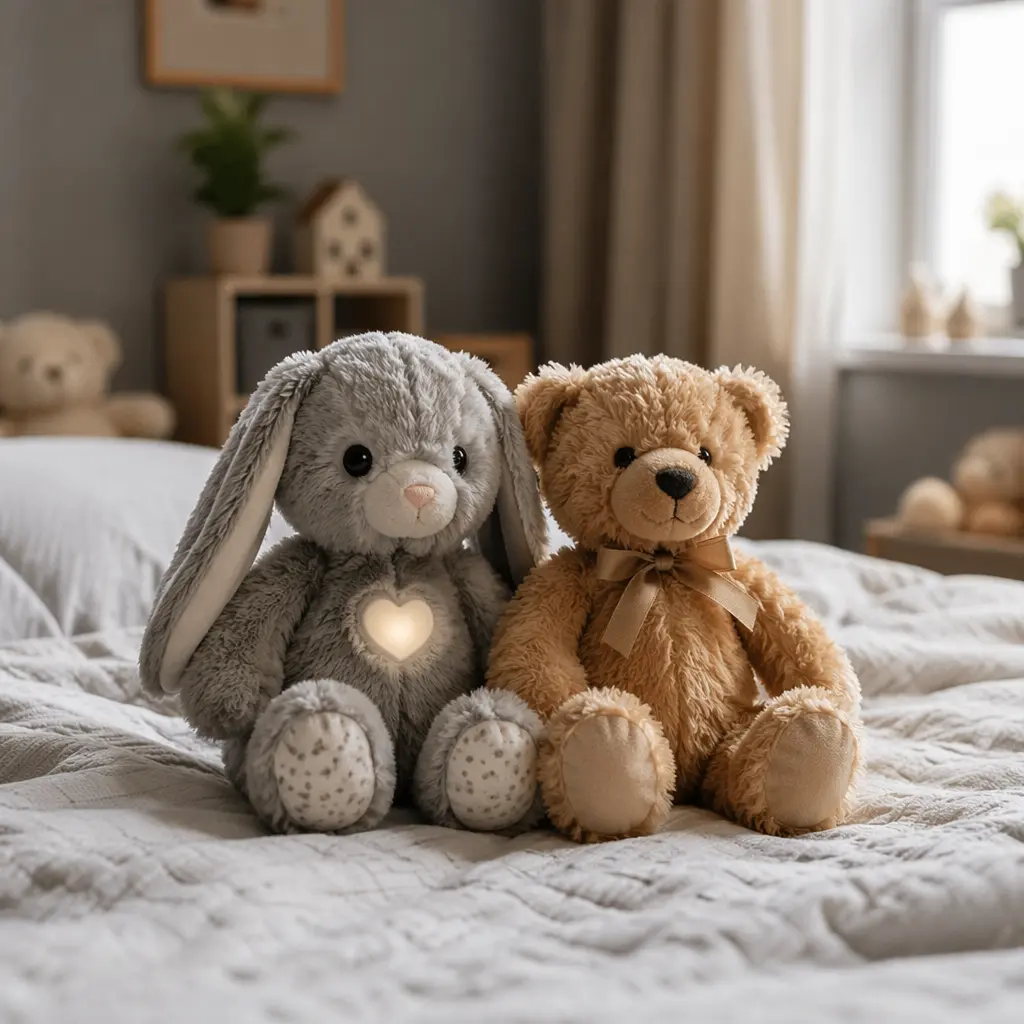
Interactive plush toys usually fall into a few broad categories. Some focus on learning, offering spelling games, trivia, or guided prompts. Others emphasize emotional interaction, responding to touch or voice with sounds and movements. These can feel engaging at first and may support short bursts of focused play.
Classic stuffed animals, by contrast, don’t change—but that can be a strength. Their open-ended nature allows kids to project personalities, create ongoing stories, and integrate the toy into games with other figures or playsets. Many older kids also keep a favorite plush for comfort rather than active play, which can still be a meaningful form of use.
Frequently asked questions
Do interactive plush toys hold attention longer?
They can, but often in shorter, more intense bursts. Once a child has explored most of the sounds or responses, interest may drop unless new content is added or unlocked.
Are classic stuffed animals too babyish for this age?
Not necessarily. While they may not be front-and-center during active play, many kids in this age group still value plush toys for comfort, pretend scenarios, or as part of a broader play world.
What about screen-free play?
Classic plush toys are fully screen-free and rely entirely on imagination. Interactive plush toys vary—some are self-contained, while others require apps or updates, which may feel closer to screen-based play.
Are interactive plush toys harder to maintain?
Yes, in most cases. Batteries, charging cables, and electronic failures can shorten a toy’s usable life. Cleaning is also more limited compared with fully washable plush toys.
For many families, the choice isn’t strictly one or the other. Interactive plush toys can be a fun addition for kids who enjoy technology and novelty, while classic stuffed animals often provide steady, long-term value through comfort and imagination. Thinking about how your child actually plays—and what role you want the toy to serve—can help guide a choice that lasts beyond the first few weeks.