Best Plush Toys for Kids Who Don’t Like Stuffies
A buyer’s guide for parents shopping for plush toys that appeal to kids who avoid traditional stuffies. Focuses on textures, features, and play patterns that win over reluctant huggers ages 6–8.
Compare prices and availability
Check current prices and availability for this guide on eBay.
As an eBay Partner, we may be compensated if you make a purchase.
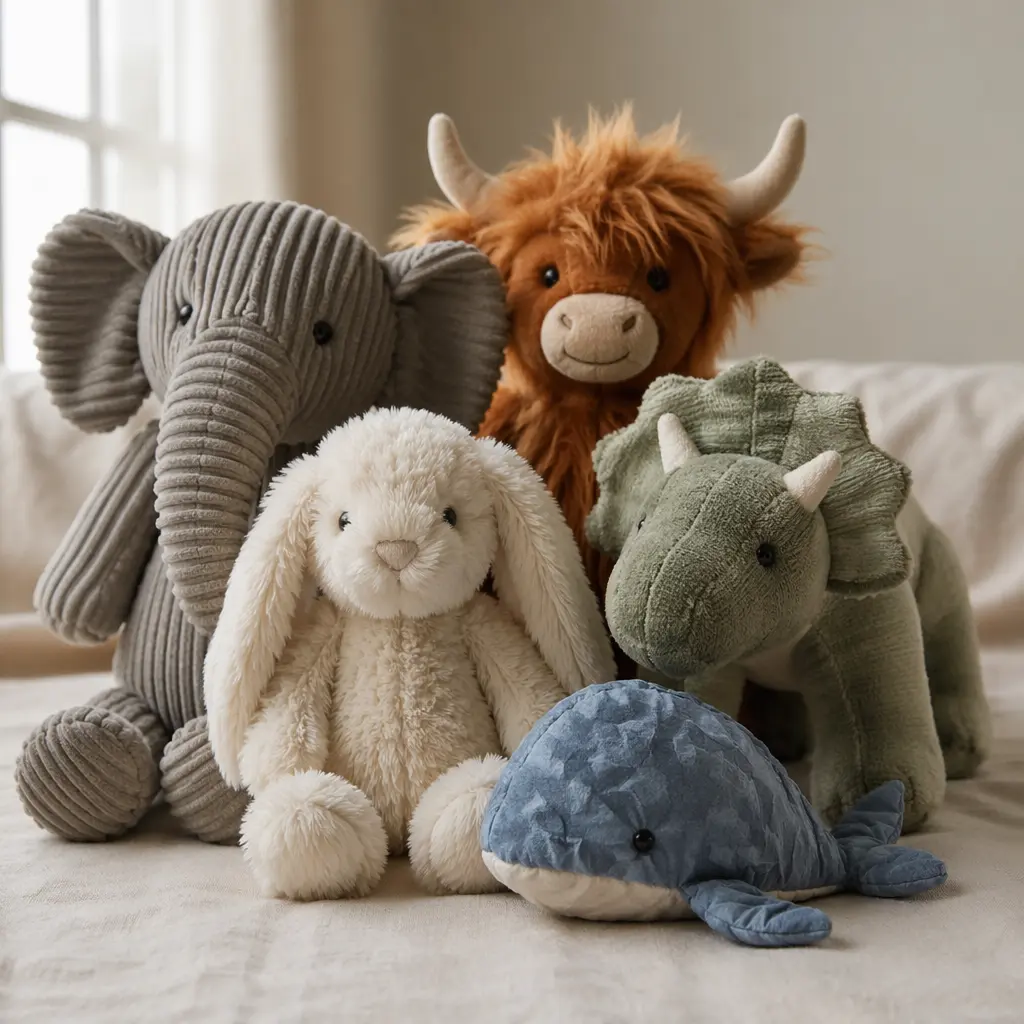
Not every child connects with classic stuffed animals. Some kids find them boring, too soft, too babyish, or just not useful for play. For ages 6–8 especially, preferences often shift toward toys that do something—offer sensory feedback, interactive elements, or a clear purpose beyond cuddling. The good news is that today’s plush category is much broader than traditional teddy bears.
What to look for
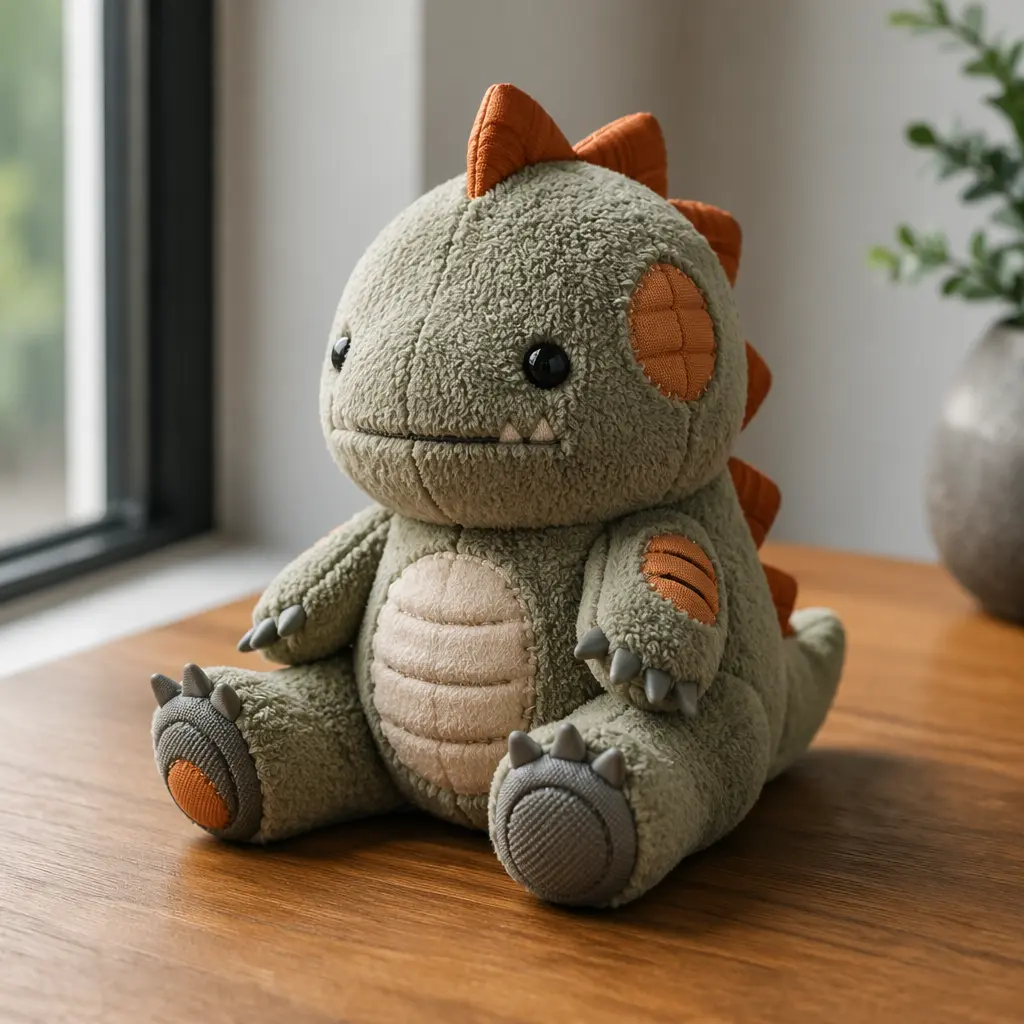
When shopping for plush toys for kids who don’t like stuffies, it helps to think beyond softness. These children are often drawn to toys that engage their hands, senses, or imagination in specific ways. The right features can make a plush toy feel more like a tool or companion than a decorative item.
- Distinct textures: ribbed fabric, nubby stitching, smooth panels, or light resistance when squeezed
- Interactive elements: zippers, pockets, flaps, bendable limbs, or removable parts
- Defined function: plush toys that double as pillows, organizers, or play props
- Weighted or structured feel: adds presence without being overly floppy
- Neutral or modern design: avoids a babyish look that can turn older kids away
Age suitability
For children ages 6–8, plush toys often need to match growing independence and stronger opinions. Many kids in this age band prefer toys that fit into games, collections, or routines rather than bedtime comfort alone. Look for designs that feel age-appropriate in size and style, with durable stitching and materials that can handle frequent handling. While plush toys are generally safe, features should still align with the child’s maturity level, especially if small components or closures are involved.
Standout categories or types
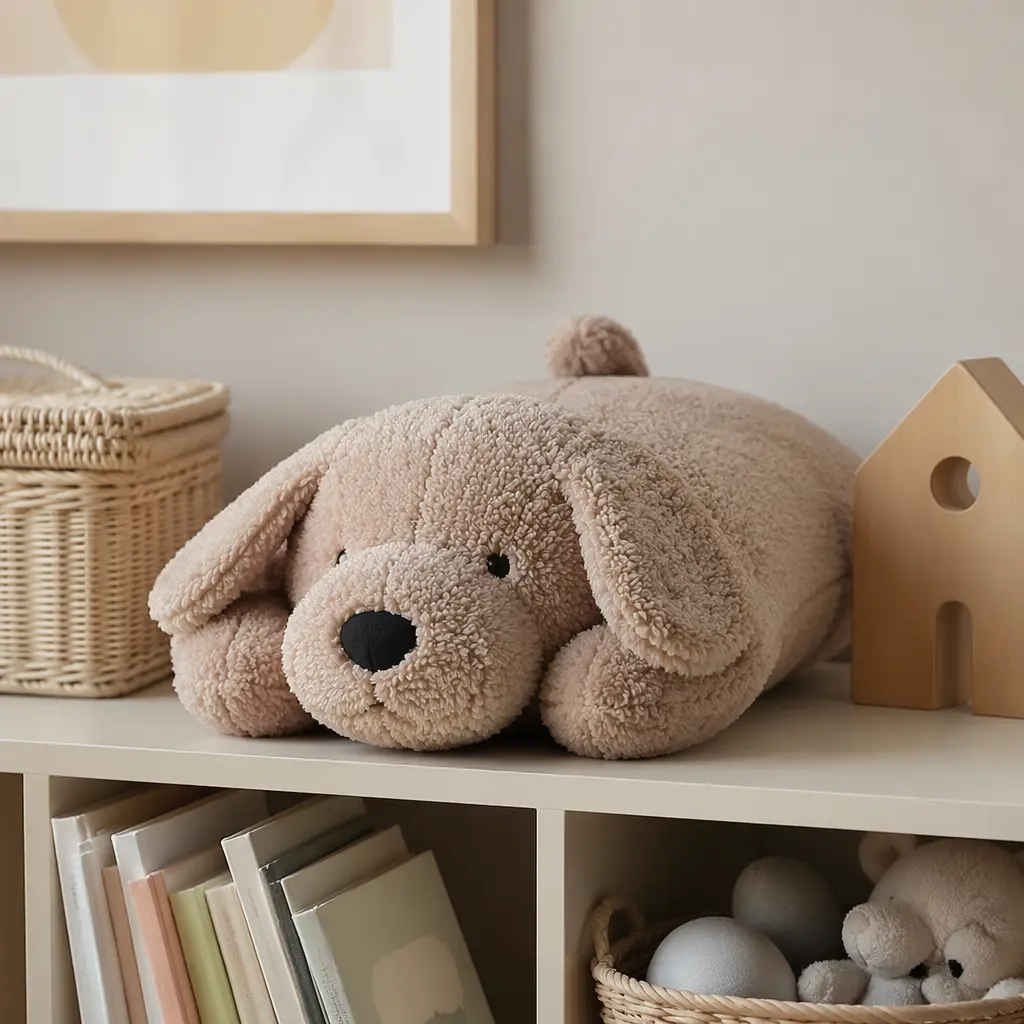
Plush toys that appeal to reluctant huggers often fall into a few key categories. These designs emphasize use, texture, or interaction rather than emotional attachment. Exploring these types can help narrow choices when a traditional stuffed animal has already been rejected.
- Sensory plush: incorporates varied fabrics, light crunch sounds, or subtle resistance for fidgeting
- Plush-as-object: shaped like tools, furniture, or everyday items rather than animals
- Transforming plush: folds, flips, or converts into another form for play
- Character-free designs: avoids faces or expressions, which some kids find distracting or childish
- Weighted plush items: provides grounding feedback without requiring cuddling
Frequently asked questions
Why do some kids dislike traditional stuffed animals?
Children may find classic stuffies uninteresting if they don’t offer interaction or purpose. Others dislike the texture, the emotional expectations attached to them, or the perception that they are meant for younger kids.
Are plush toys still useful if a child won’t cuddle them?
Yes. Plush toys can support sensory play, imaginative games, or quiet focus time. Many kids use them as props, stress relievers, or room accessories rather than comfort items.
What materials are best for texture-sensitive kids?
Look for clearly defined textures rather than fuzzy or inconsistent fabrics. Smooth knits, corduroy, canvas-style cloth, or structured padding are often better tolerated than long-pile faux fur.
Can plush toys work for kids who prefer STEM or building toys?
They can, especially if the plush has a functional angle. Plush toys that store items, demonstrate simple mechanics, or fit into pretend scenarios can complement more technical play interests.
Choosing a plush toy for a child who doesn’t like stuffies is less about changing their preferences and more about meeting them where they are. By focusing on texture, function, and age-appropriate design, parents can find plush options that feel engaging rather than forced. The right choice may not end up on the bed—but it can still earn a valued place in playtime or daily routines.