Plush Toys That Help Kids Calm Down at Bedtime
A practical guide for parents on plush toys that can support calmer bedtimes for kids ages 6–8, comparing weighted, textured, and simple designs and what to look for.
Compare prices and availability
Check current prices and availability for this guide on eBay.
As an eBay Partner, we may be compensated if you make a purchase.
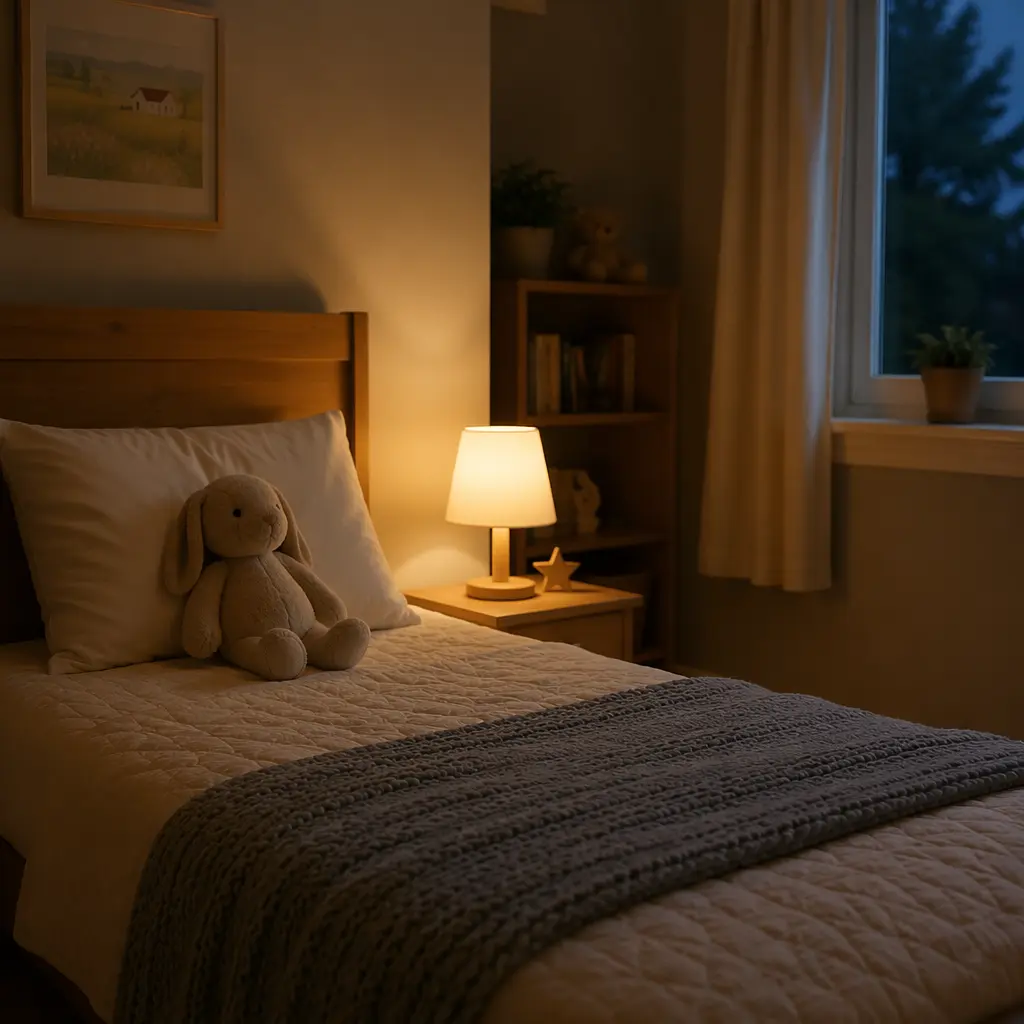
For many kids ages 6–8, bedtime can be the hardest transition of the day. Worries, leftover energy, or simple resistance to stopping play can make settling down a challenge. Plush toys are often part of bedtime routines, but not all plush toys offer the same calming support. Some are designed to provide gentle sensory input, while others work simply by being familiar and comforting.
What to look for
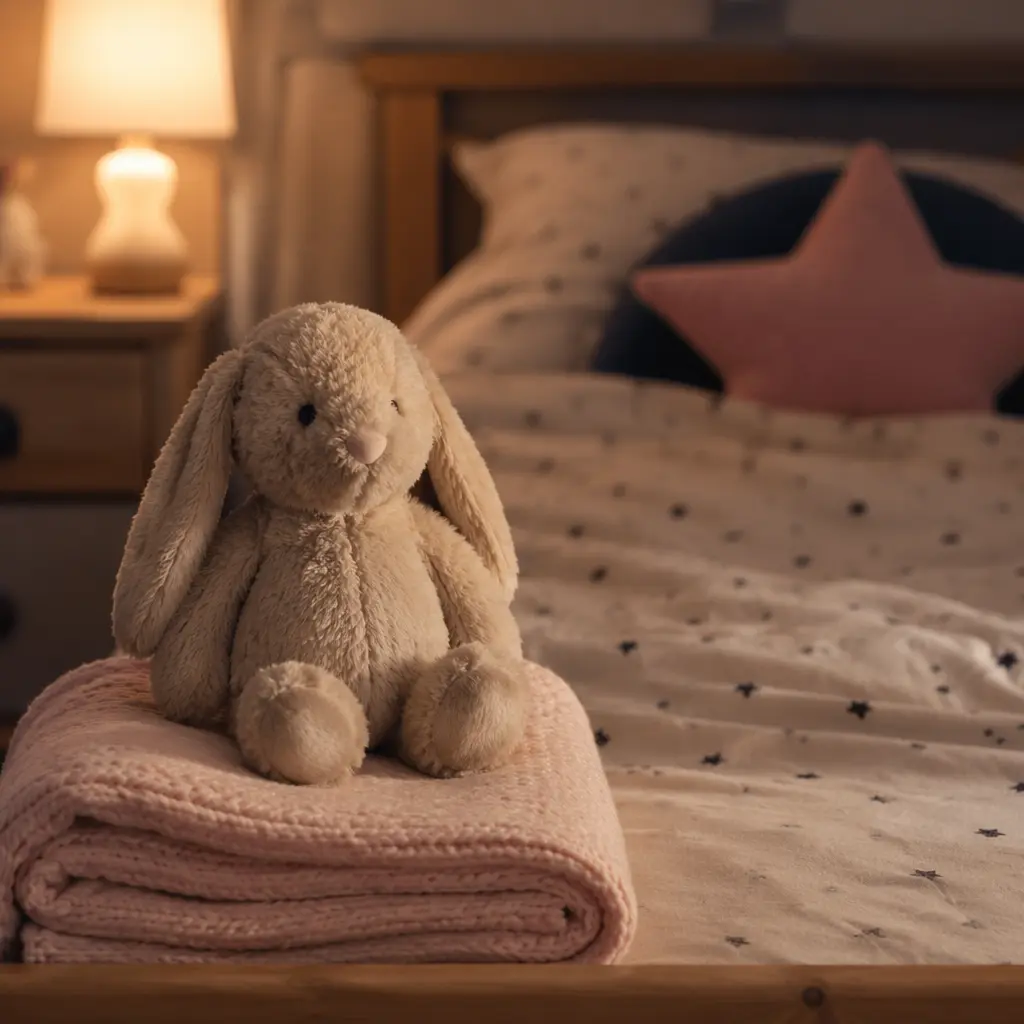
When choosing a plush toy for bedtime calming, focus on features that support relaxation rather than stimulation. Kids in this age range are often sensitive to textures, sounds, and weight, so small design details can make a big difference.
- Soft, consistent texture that feels comfortable against skin
- Appropriate weight for the child’s size, if choosing a weighted plush
- Simple design without bright lights or loud sounds
- Durable stitching and washable materials
- A size that fits easily in bed without crowding
Age suitability
For kids ages 6–8, plush toys can serve both emotional and sensory roles. At this stage, children may use a plush toy as a reassuring presence, a predictable part of their routine, or a tool for self-soothing. Heavier or textured plush toys may appeal to children who seek extra sensory input, while others prefer a simple, familiar companion. Always check age guidance and weight recommendations, especially for weighted options, to ensure they are appropriate for this age band.
Standout categories or types
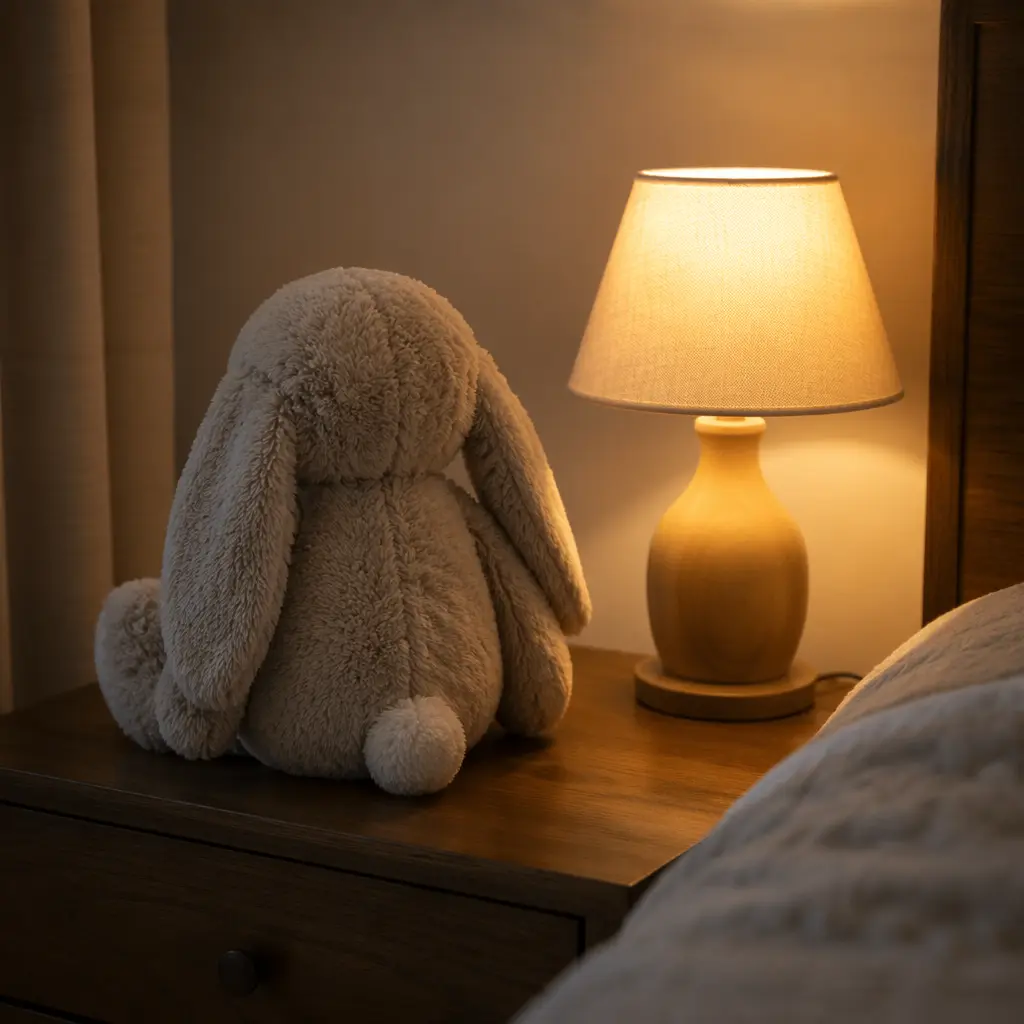
Different types of plush toys calm kids in different ways. Understanding these categories can help narrow down what may work best for your child’s needs and preferences.
- Weighted plush toys: These provide gentle pressure that some children find grounding and calming, similar to a weighted blanket but scaled down.
- Textured plush toys: Fabrics with subtle ridges, patterns, or mixed materials can offer soothing tactile input for kids who like to fidget.
- Simple classic plush toys: A familiar, soft companion without added features can be comforting through routine and emotional attachment.
- Heat-free comfort plush: Designed to feel cozy without warming elements, focusing on softness and shape instead.
Frequently asked questions
Do weighted plush toys really help kids calm down?
Weighted plush toys can help some children feel more relaxed by providing gentle, evenly distributed pressure. This can be calming for kids who respond well to deep pressure input, but it is not effective for every child.
Are textured plush toys distracting at bedtime?
Light texture is usually soothing rather than distracting, especially if the plush has a consistent feel. Highly varied or noisy textures may be better for daytime use instead of bedtime.
How heavy should a weighted plush be?
A common guideline is that weighted items should be a small percentage of a child’s body weight. Always follow manufacturer recommendations and consult a professional if unsure.
Can a plush toy replace a bedtime routine?
No. Plush toys work best as part of a consistent bedtime routine that includes winding down, predictable steps, and a calm environment.
Should kids sleep with multiple plush toys?
Most children do best with one or two comforting items. Too many plush toys can clutter the bed and become distracting rather than calming.
Plush toys can be a helpful tool for calmer bedtimes when chosen with care. By focusing on comfort, simplicity, and your child’s individual sensory needs, parents can select a plush toy that supports relaxation and fits smoothly into an evening routine.