Classic Plush Toys Babies Actually Use
A parent-focused guide to simple plush toys that support soothing for babies 0–12 months, with practical tips on materials, safety, and age-appropriate features.
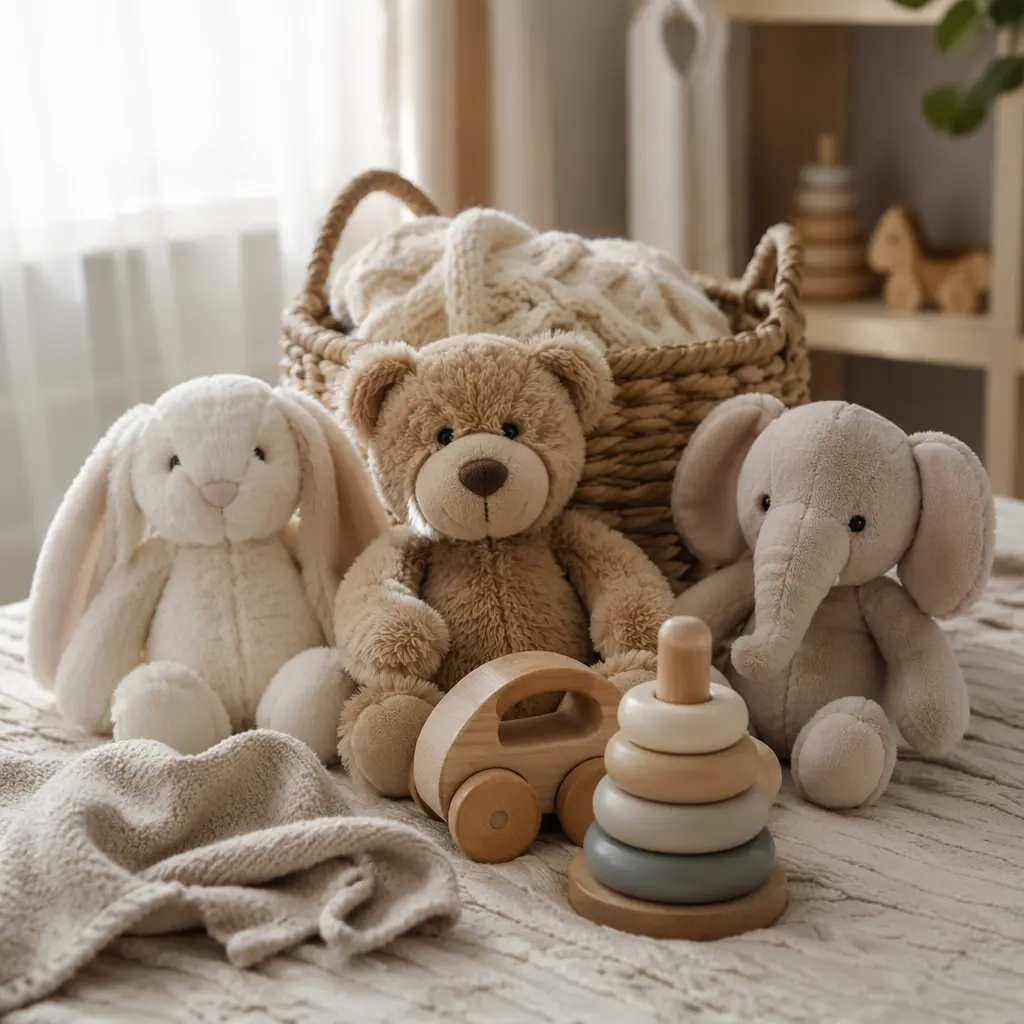
Compare prices and availability
Check current prices and availability for this guide on eBay.
As an eBay Partner, we may be compensated if you make a purchase.
Trends in baby toys change quickly, but many parents find that the plush toys babies actually use are the simplest ones. For infants, plush toys are less about entertainment and more about comfort. The best options tend to be soft, easy to grasp, and familiar enough to become part of daily routines like naps, stroller rides, or quiet floor time. This guide focuses on classic plush toys that support soothing during the first year, cutting through novelty features to highlight what matters most for babies and caregivers.
What to look for
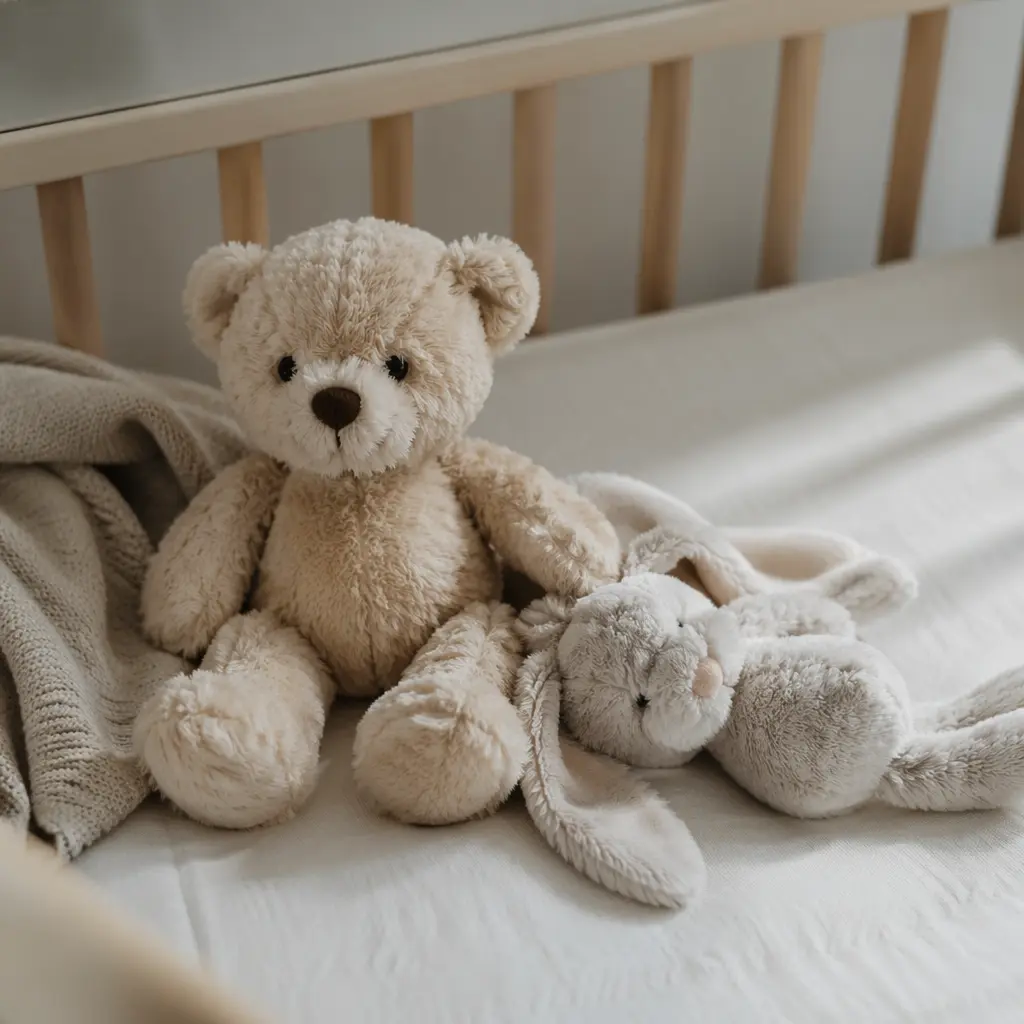
For babies under 12 months, plush toys should prioritize comfort and safety over stimulation. Infants explore primarily through touch and mouthing, so materials, construction, and scale matter more than sounds or gadgets.
- Soft, breathable fabrics that feel gentle against sensitive skin
- Simple shapes that are easy for small hands to grasp or hold
- Secure stitching with no loose parts like buttons or glued-on eyes
- Washable construction to handle frequent cleanups
- Lightweight design so the toy doesn’t press heavily against the baby
Age suitability
From birth to around 12 months, babies’ needs change gradually. Newborns respond best to soft textures and familiar scents, often using plush toys as comfort objects rather than playthings. By three to six months, babies may start to hold, squeeze, or mouth a plush toy. Closer to the one-year mark, some infants form early attachments to a favorite soft toy that helps them self-soothe during transitions like bedtime or travel. Choosing a plush that works across these stages can provide continuity and reassurance.
Standout categories or types
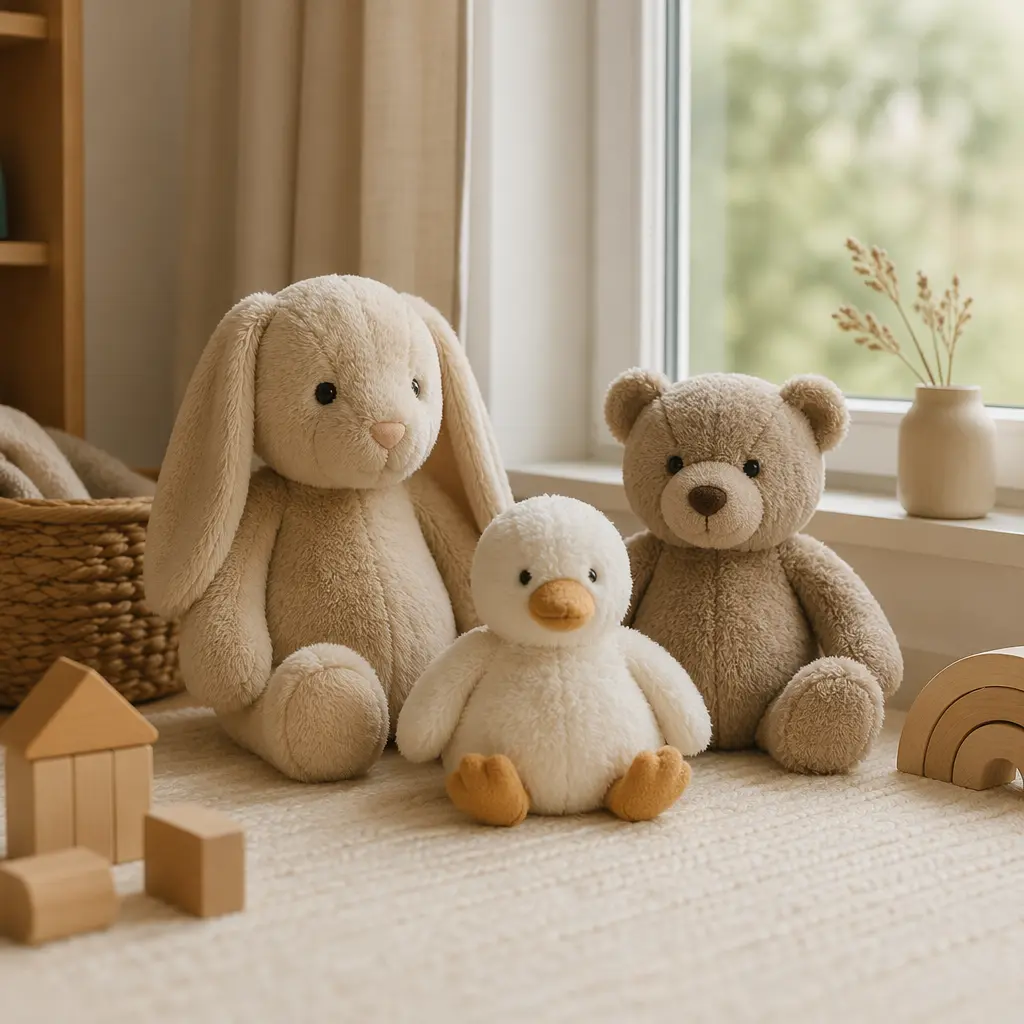
Classic plush toys come in several broad categories that consistently meet the needs of babies and parents. These types have remained popular because they focus on comfort and familiarity rather than novelty.
- Small plush animals with embroidered features for safety and durability
- Flat, blanket-style plush toys that combine softness with easy gripping
- Unstructured plush shapes that mold gently when hugged or held
- Neutral or soft-color plush toys that are visually calming
These categories tend to age well during the first year. They are easy to replace or buy a spare of, which can be helpful if a baby forms a strong attachment. Their simplicity also makes them versatile, fitting naturally into nurseries, diaper bags, and bedtime routines without overstimulation.
Frequently asked questions
Do babies really need plush toys?
Babies don’t need plush toys in a developmental sense, but many benefit from them as comfort objects. A soft toy can provide reassurance during new or stressful moments, such as naps away from home or doctor visits.
What size plush toy is best for infants?
Smaller plush toys are usually better for babies. They are easier to hold, less likely to cover a baby’s face, and simpler to pack for outings. Oversized plush toys are better saved for later toddler years.
Are musical or electronic plush toys better for soothing?
Not necessarily. Many babies respond just as well, or better, to quiet plush toys. Simple softness and familiarity often provide more consistent comfort than sounds or lights, which can overstimulate some infants.
How many plush toys should a baby have?
A small number is usually enough. One or two favorites can support soothing, while extras may go unused. Having a backup of a favored plush can be helpful in case of loss or washing.
Classic plush toys endure because they align with what babies actually need in their first year: softness, safety, and familiarity. By focusing on simple designs and quality materials, parents can choose plush toys that support soothing routines without adding clutter or distraction. In a crowded toy market, these quiet, comforting basics often prove the most useful.