Simple Plush Toys That Calm Overstimulated Kids
A parent-first guide to choosing no-battery plush toys that help young kids slow down, self-soothe, and regulate big feelings—without noise, screens, or flashing lights.
Compare prices and availability
Check current prices and availability for this guide on eBay.
As an eBay Partner, we may be compensated if you make a purchase.
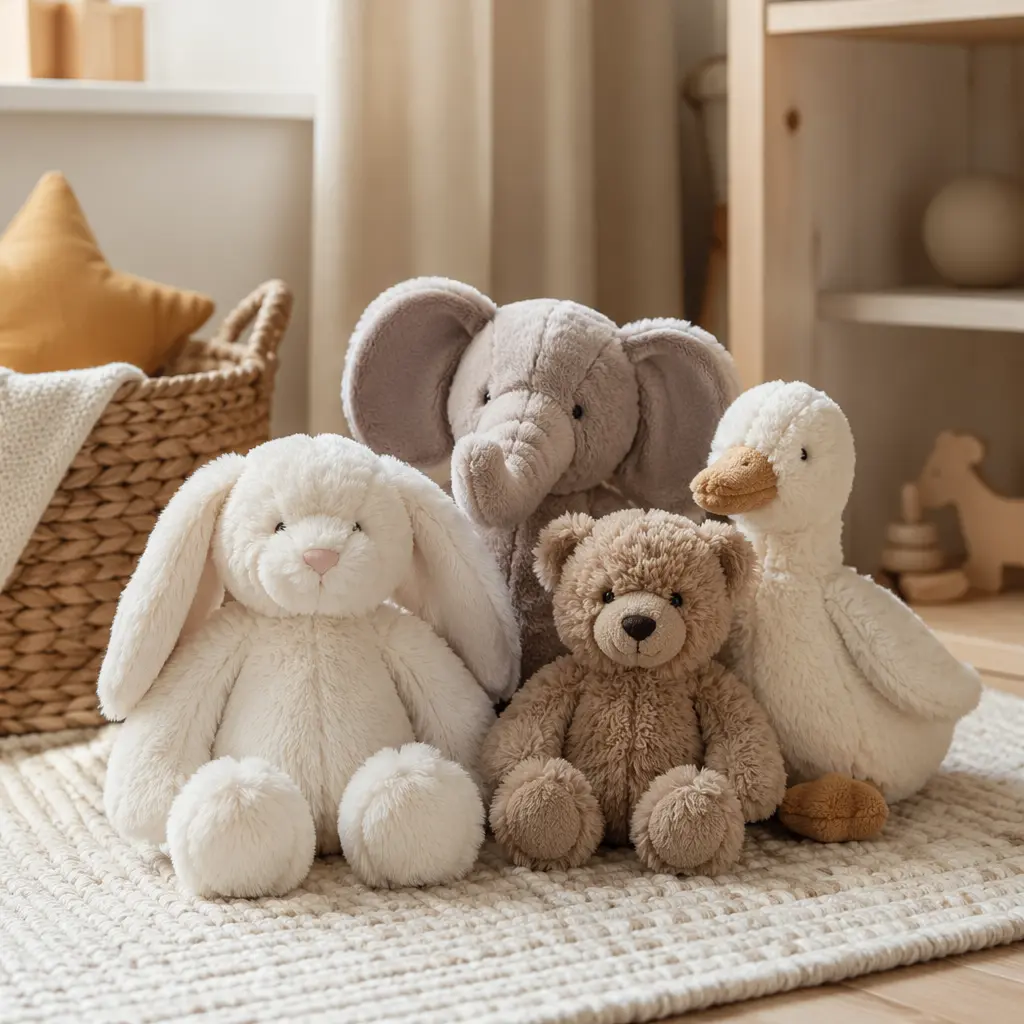
When young kids feel overwhelmed, louder and flashier toys often add to the problem. Many parents look instead for simple plush toys—soft, quiet, and comforting—that support emotional regulation rather than overstimulation. For children ages 3–5, the right plush can offer a steady sensory anchor during transitions, rest time, or moments of big feelings.
What to look for
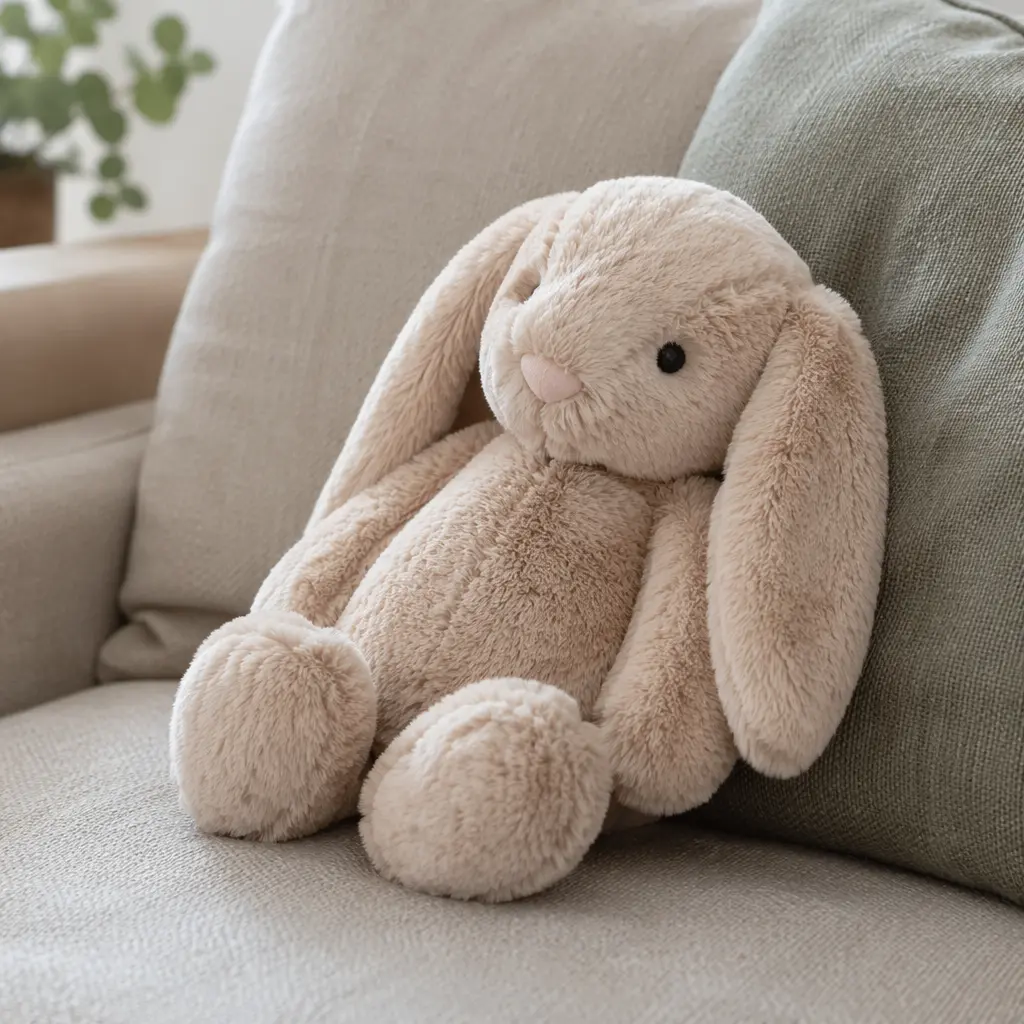
Not all plush toys are calming. Some include sounds, textures, or visual elements that can be stimulating rather than soothing. When choosing a plush toy to help with emotional regulation, focus on features that encourage quiet comfort and predictable sensory input.
- Soft, consistent textures that feel pleasant to squeeze or hold
- Neutral or muted colors instead of bright, high-contrast patterns
- Simple shapes without busy add-ons like lights or sound chips
- Lightweight design that’s easy for small hands to manage
- Durable stitching that can handle frequent hugging and handling
Age suitability
For children ages 3–5, plush toys often serve a different role than they do for babies or older kids. Preschoolers may use plushies as comfort objects, pretend-play companions, or tools for expressing feelings. At this age, kids benefit from toys that are simple enough to be calming but sturdy enough for imaginative play. Avoid overly small plush items that could be misplaced easily, and look for designs that can grow with your child through multiple stages of play.
Standout categories or types
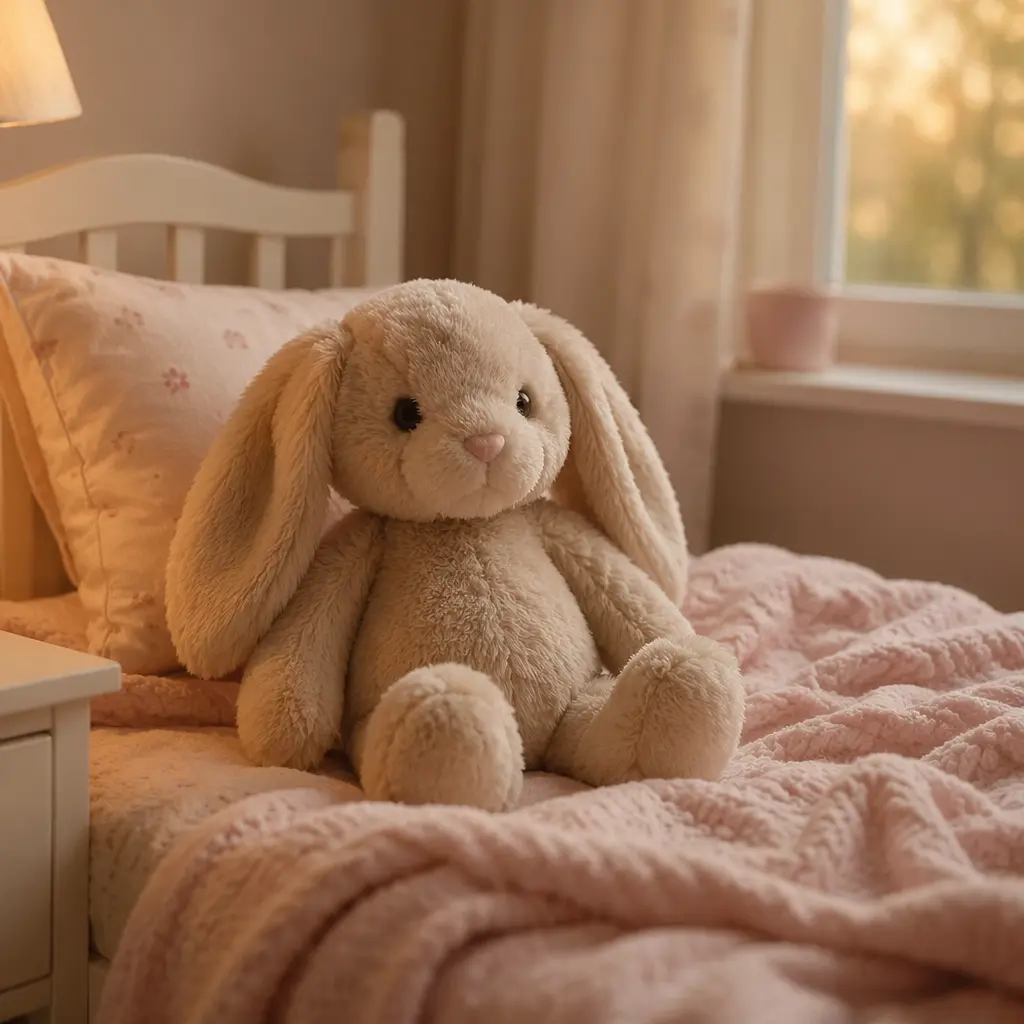
Some types of plush toys are especially helpful for calming overstimulated kids. While every child responds differently, these categories are often favored by parents and early childhood professionals for their soothing qualities.
- Classic stuffed animals with minimal features, which provide comfort without distraction
- Weighted plush toys that offer gentle pressure for kids who seek deep sensory input
- Flat or pillow-style plushies that are easy to cuddle during rest time
- Texture-consistent plush toys that avoid mixed materials or crinkly fabrics
Many families keep a calming plush in a predictable place, such as a reading corner or quiet-down area. This helps children associate the toy with slowing down and feeling safe, rather than with high-energy play.
Frequently asked questions
Can a plush toy really help with emotional regulation?
A plush toy isn’t a cure-all, but it can be a useful tool. Soft toys provide tactile comfort and a sense of consistency, which can help children calm their bodies during emotional moments. Over time, kids may learn to seek out the plush as part of their own calming routine.
Are weighted plush toys safe for preschoolers?
Weighted plush toys can be appropriate for ages 3–5 when they are designed for young children and used under supervision. The weight should be light enough for the child to lift and move easily. If you have concerns, it’s a good idea to talk with a pediatrician or occupational therapist.
How many calming plush toys should a child have?
More isn’t always better. Many children benefit most from one or two familiar plush toys that they recognize as calming objects. Too many options can sometimes make it harder for a child to settle.
Should calming plush toys be used during playtime or only for rest?
Calming plush toys can be used in both contexts. Some families encourage their use during quiet play or reading time, while others reserve them for rest, travel, or emotional reset moments. Consistent use helps children understand the toy’s role.
Simple plush toys won’t replace adult support, but they can be a helpful part of a calm-down toolkit for young kids. By choosing soft, quiet designs that match your child’s sensory needs, you can offer comfort without adding extra stimulation—and give your child a gentle way to practice self-soothing.