Best Plush Toys for Kids With Sensory Sensitivities
A parent-focused guide to choosing plush toys for kids with sensory sensitivities, explaining why texture, weight, and simple design often matter more than extra features.
Compare prices and availability
Check current prices and availability for this guide on eBay.
As an eBay Partner, we may be compensated if you make a purchase.
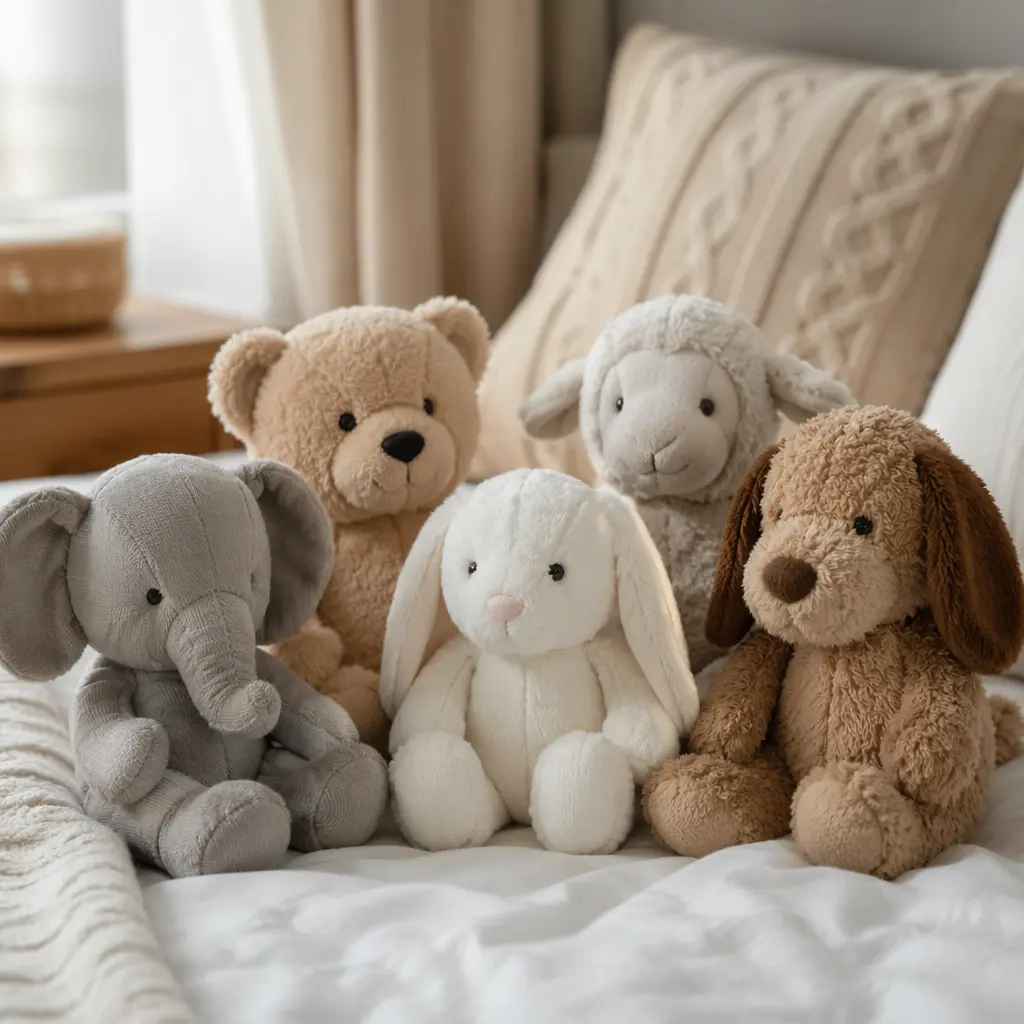
For kids with sensory sensitivities, a plush toy can be either a calming companion or a source of discomfort. While many plush toys focus on bright colors, sounds, and interactive features, those extras can be overwhelming for children who are sensitive to touch, sound, or visual clutter. For kids ages 6–8, the best options are often the simplest ones—plush toys that feel predictable, comfortable, and easy to engage with on their own terms.
What to look for
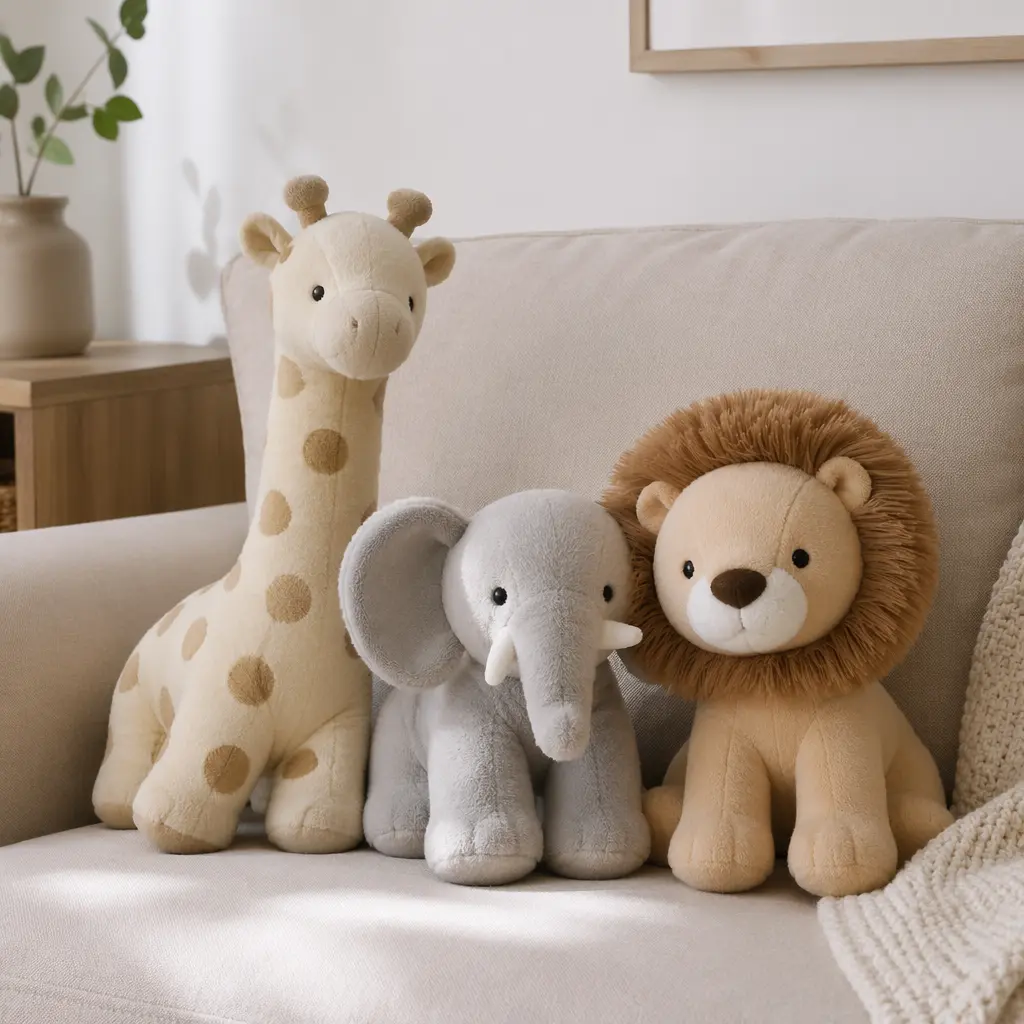
When shopping for plush toys for sensory-sensitive kids, the focus should be on how the toy feels and behaves rather than what it can do. Small differences in texture or construction can have a big impact on whether a toy is soothing or irritating.
- Texture: Look for soft, uniform fabrics without scratchy patches, sequins, or mixed materials. Consistency helps reduce surprise sensations.
- Weight: Slightly weighted plush toys can feel grounding and calming, while very light toys may feel less satisfying to hold.
- Simplicity: Simple shapes and designs are often easier to process than toys with many limbs, accessories, or moving parts.
- Seams and tags: Flat seams and easily removable tags help prevent irritation during close contact.
- Sound and features: Avoid built-in sounds, crinkles, or lights unless the child specifically enjoys them.
Age suitability
Kids ages 6–8 are often more aware of their sensory preferences and may already know what feels comforting or uncomfortable. At this stage, plush toys tend to be used for emotional regulation, quiet time, or sleep rather than imaginative play alone. Choosing a toy that respects those needs means prioritizing comfort and durability over novelty. Many children in this age band also appreciate plush toys that do not feel “babyish,” favoring neutral colors and understated designs that match their growing sense of independence.
Standout categories or types
Not all plush toys are designed with sensory needs in mind, but certain categories tend to work better for sensitive kids. These options focus on predictability and comfort rather than stimulation.
- Weighted plush toys: These provide gentle pressure that many kids find calming, especially during rest or transitions.
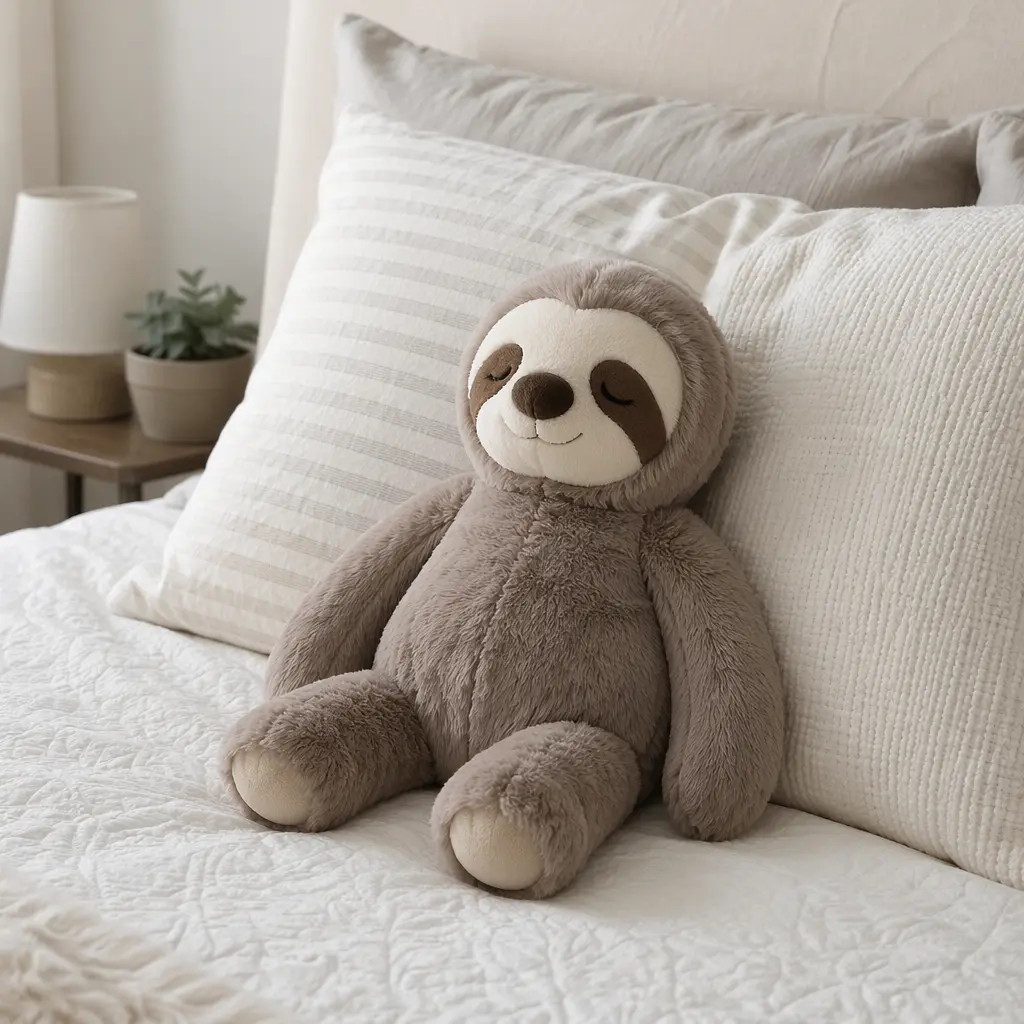
- Ultra-soft minimalist plush: Toys made from a single, smooth fabric with simple shapes are often the easiest to tolerate.
- Body-sized plush pillows: Larger plush items can double as pillows or lap supports, offering comfort without requiring active play.
- Emotion-neutral designs: Animals or abstract shapes with minimal facial features reduce visual overstimulation.
Frequently asked questions
Why do some plush toys bother sensory-sensitive kids?
Many plush toys include mixed textures, internal sounds, or bright visual elements. For sensory-sensitive kids, these features can feel unpredictable or overwhelming, turning a comfort item into a source of stress.
Are weighted plush toys always better?
Not always. While some children find weight calming, others may find it restrictive or uncomfortable. It’s important to consider the child’s preferences and start with lighter options if unsure.
What materials are usually best?
Soft, consistent materials like smooth fleece or short-pile fabrics tend to work well. Avoid materials that shed, pill, or change texture over time.
Can a plush toy help with anxiety or sleep?
For many kids, yes. A familiar, comfortable plush toy can provide a sense of routine and security, especially during bedtime or stressful moments.
Choosing a plush toy for a child with sensory sensitivities is less about finding the most exciting option and more about finding the most comfortable one. By focusing on texture, weight, and simplicity, parents can narrow down choices that are more likely to be calming and supportive. The right plush toy should feel safe, predictable, and easy to enjoy—qualities that matter far more than extra features or flashy designs.