Plush Toys That Help Kids Wind Down at Bedtime
A parent-focused guide to plush toys that support calm bedtime routines, covering softness, size, and design features that encourage relaxation for kids ages 3–5.
Compare prices and availability
Check current prices and availability for this guide on eBay.
As an eBay Partner, we may be compensated if you make a purchase.
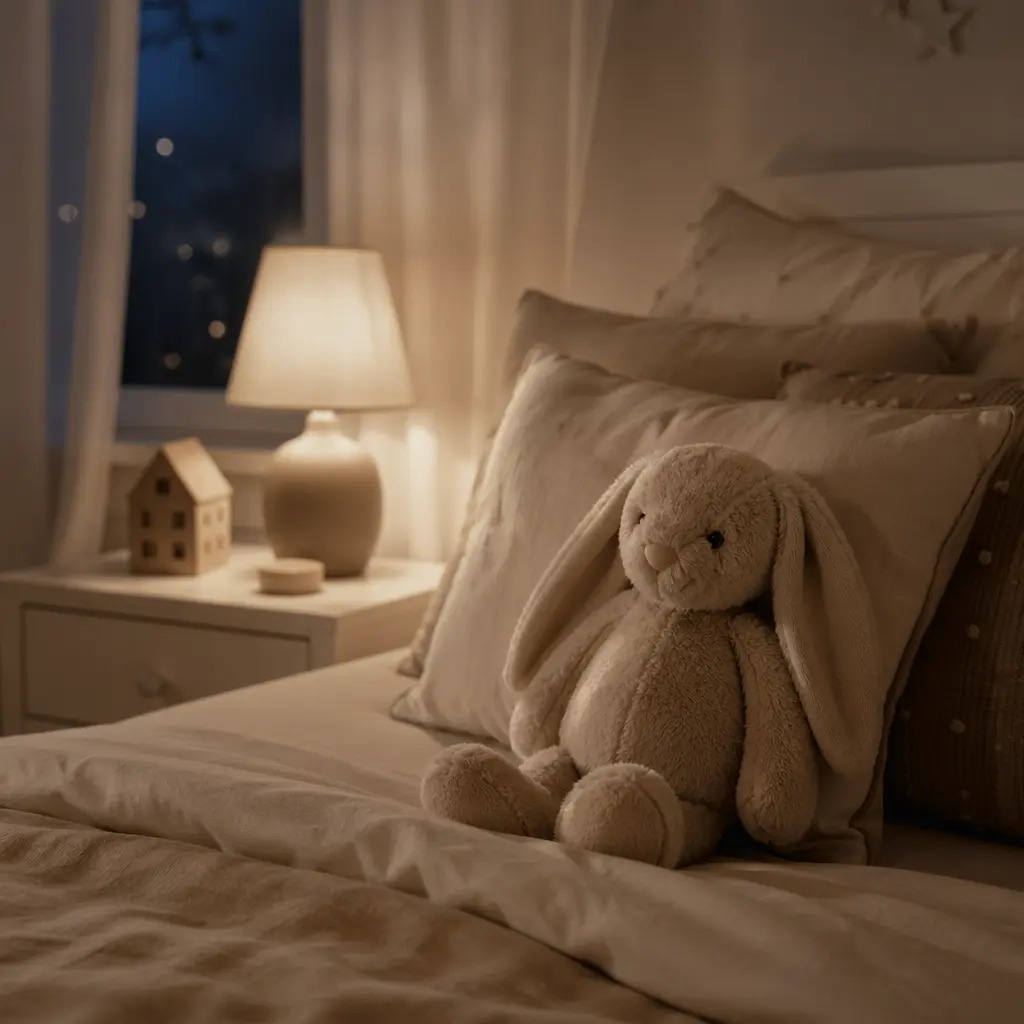
Bedtime can be a tricky transition for young children. Plush toys often play a quiet but important role in helping kids slow down, feel secure, and settle into sleep. For parents, the key is choosing plush toys designed to support calm routines rather than overstimulation. Factors like softness, size, weight, and overall design can make a real difference in how helpful a plush toy is at the end of the day.
What to look for
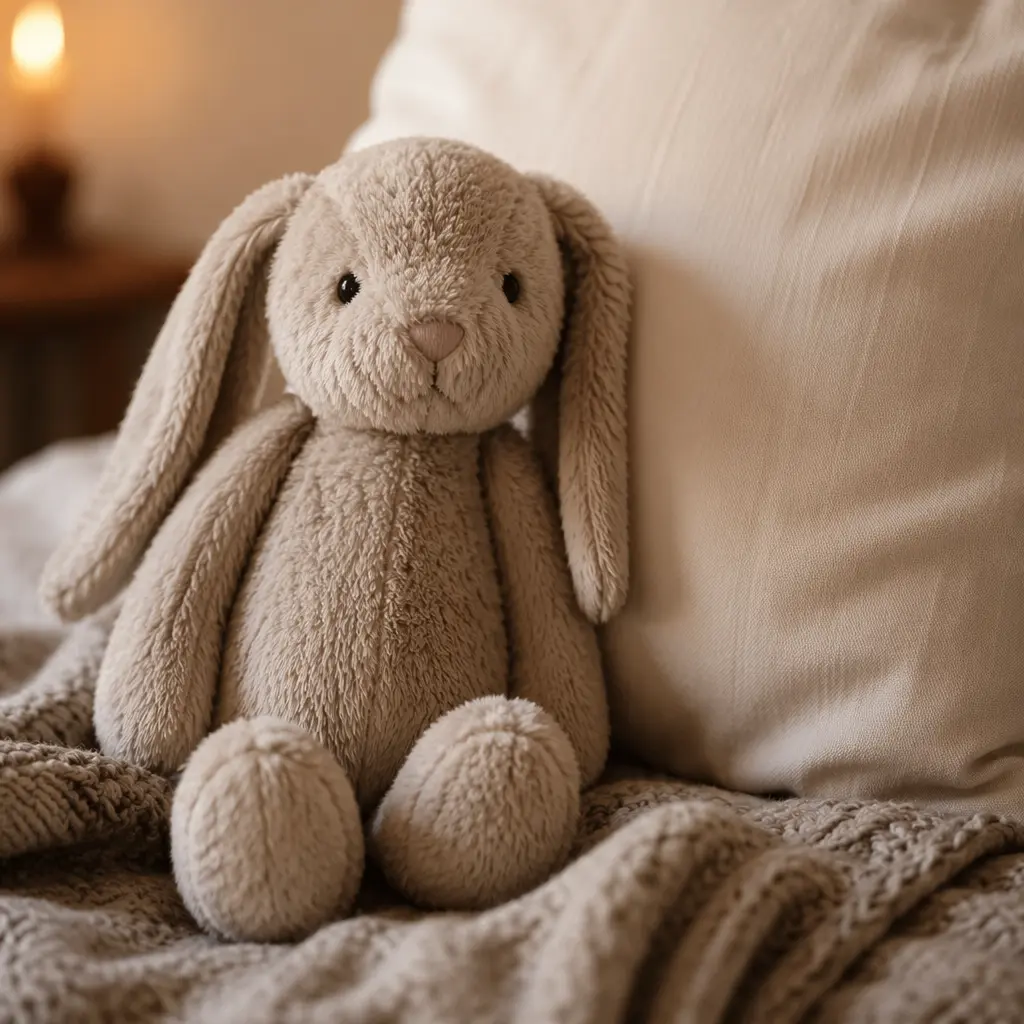
Not all plush toys are created with bedtime in mind. Some are better suited for active play, while others are designed to promote comfort and calm. Paying attention to a few core features can help parents narrow down options that fit into a soothing nighttime routine.
- Soft, comforting textures that feel pleasant against the skin and invite cuddling
- Simple designs without bright patterns or high-contrast colors that may feel stimulating
- Medium or small size that is easy for a child to hold without overwhelming them
- Light to moderate weight for comfort without putting pressure on a child
- Quiet construction with no crinkly fabrics, loud sounds, or hard internal parts
Age suitability
For children ages 3–5, plush toys often shift from being purely sensory objects to emotional comfort items. At this stage, kids may use a plush toy as part of their bedtime ritual, such as holding it during story time or keeping it nearby while falling asleep. Plush toys for this age group should be durable enough to handle daily use, easy to clean, and sized appropriately for preschoolers. Designs that feel familiar and friendly, rather than flashy or complex, tend to work best for winding down.
Standout categories or types
Certain types of plush toys are especially well-suited to bedtime routines. These categories tend to focus on comfort, predictability, and gentle sensory input rather than play features.
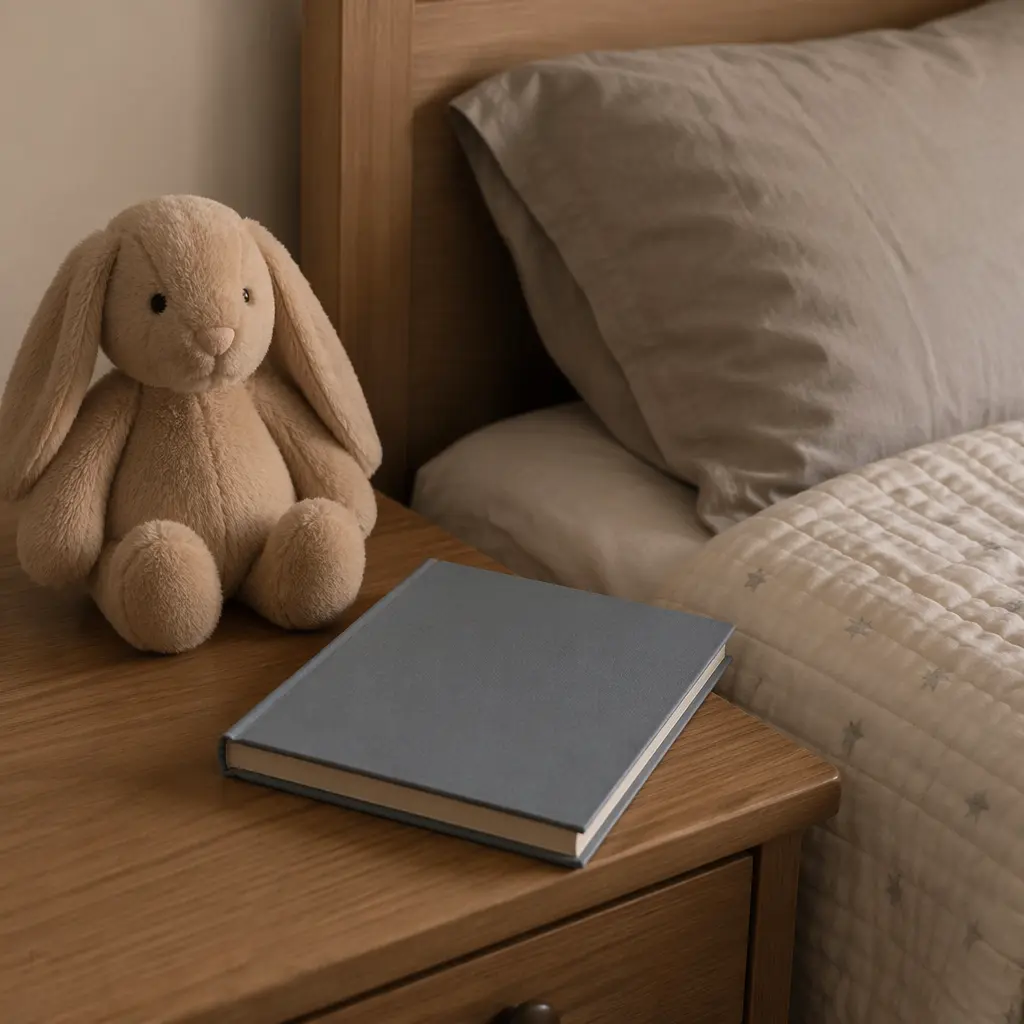
- Classic cuddle plush: Traditional soft toys with simple shapes and neutral colors that become familiar bedtime companions
- Weighted plush toys: Lightly weighted options that may provide a sense of grounding for some children when used appropriately
- Lovey-style plushes: Smaller plush toys or plush-blanket combinations that are easy to hold and carry
- Minimalist character plush: Friendly animal or imaginary designs without bold graphics or accessories
- Texture-focused plush: Toys with consistent, calming textures rather than multiple contrasting fabrics
Frequently asked questions
Can a plush toy really help with bedtime?
For many children, plush toys act as comfort objects that signal safety and routine. While a plush toy alone will not solve sleep challenges, it can support a consistent bedtime process by helping children feel calm and secure as they wind down.
Should bedtime plush toys have lights or sounds?
In general, simpler is better for bedtime. Lights, music, or sound effects may be soothing for some children but overstimulating for others. Many parents prefer plush toys without electronics so the focus stays on relaxation rather than interaction.
How many plush toys should be in the bed?
One or two comfort items are usually enough. Too many toys can clutter the sleep space and become distracting. Keeping the bed simple helps reinforce that bedtime is for rest, not play.
What if a child becomes too attached to one plush toy?
Strong attachment to a comfort object is common at this age. Parents may consider having a backup plush toy that is similar in size and feel, and encouraging gentle flexibility over time while respecting the child’s need for comfort.
Are plush toys safe to sleep with for preschoolers?
For children ages 3–5, age-appropriate plush toys without small parts are generally considered safe. It is still important to follow sleep safety guidelines and ensure the toy is kept clean and in good condition.
Choosing the right plush toy for bedtime is about supporting calm, predictable routines rather than finding a flashy or feature-packed option. Softness, simplicity, and comfort tend to matter most. When thoughtfully selected, a plush toy can become a steady part of a child’s nighttime routine, helping signal that it’s time to rest and recharge.