Crazy Bones: The tiny figurines that took over schoolyards
Crazy Bones turned small plastic figurines into a playground economy in the late 1990s, blending collecting, trading, and simple competitive games into a worldwide fad that still sparks nostalgia.
Compare prices and availability
Check current prices and availability for this guide on eBay.
As an eBay Partner, we may be compensated if you make a purchase.
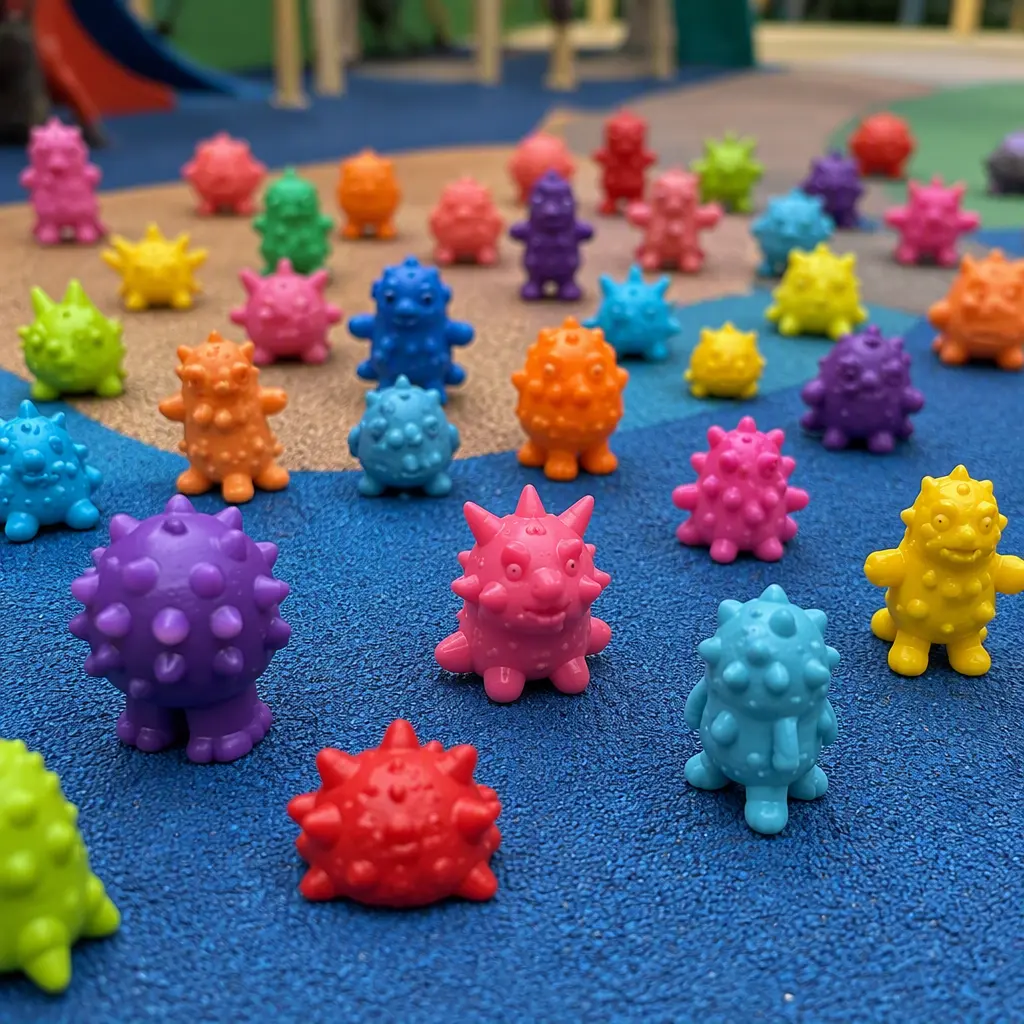
Few playground crazes spread as quickly as Crazy Bones. Small enough to fit in a pocket and cheap enough for kids to trade by the handful, the brightly colored figurines became a near-constant presence in schoolyards during the late 1990s and early 2000s. Part collectible, part game piece, and part social currency, Crazy Bones succeeded because they could be played with in several different ways while also feeding the excitement of hunting for rare figures.

Where it came from
Crazy Bones originated in Spain in 1996 under the name Gogo's Crazy Bones, produced by the company Magic Box International. The toys drew inspiration from an older children's game involving small objects that could be tossed, flicked, or knocked against one another, similar in spirit to marbles or jacks. The basic idea was simple: create a cast of quirky little creatures with distinctive shapes and personalities, then package them in blind bags that encouraged collecting and swapping.
The timing mattered. By the late 1990s, collectible toys were booming worldwide, and Crazy Bones fit neatly between trading cards and action figures. They required no batteries, no screens, and very little setup. Kids could invent games instantly on sidewalks, cafeteria tables, or classroom floors before the teacher arrived. Different regional releases and waves of figurines also gave the line an ongoing sense of discovery, helping it spread internationally through toy shops, schoolyards, and magazine promotions.
Why it works
The appeal of Crazy Bones came from how many kinds of play they supported at once. Some children treated them purely as collectibles, organizing them by color, rarity, or character design. Others focused on the competitive side, using flicking games where players tried to knock over opponents' pieces or land figures inside drawn circles. Because each figurine had a unique shape, they bounced and rolled unpredictably, adding a small element of skill and chance.
Their design also encouraged attachment without requiring deep storytelling. The figures looked odd, expressive, and slightly mischievous, but they were abstract enough for children to invent their own personalities and rules. Unlike larger toys tied to a television series or movie, Crazy Bones relied heavily on imagination and social interaction.
- Pocket-sized figures that were easy to carry and trade
- Distinctive sculpted shapes that changed gameplay and collectibility
- Blind-bag packaging that encouraged surprise and repeat purchases
- Simple competitive games that could be learned in minutes
- Large character rosters that encouraged swapping duplicates with friends
Who it's for
Crazy Bones were primarily aimed at school-age children, especially those between about six and twelve years old, but the toy also attracted older collectors interested in completing sets or tracking regional releases. The simple rules made the game accessible to younger children, while the social side of trading gave older kids a reason to stay engaged. Today, adult nostalgia plays a major role in the toy's continued appeal. Many former fans now revisit the figures as collectibles tied to memories of recess competitions, binder boxes full of duplicates, and neighborhood trading sessions.
Variants and what to look for today
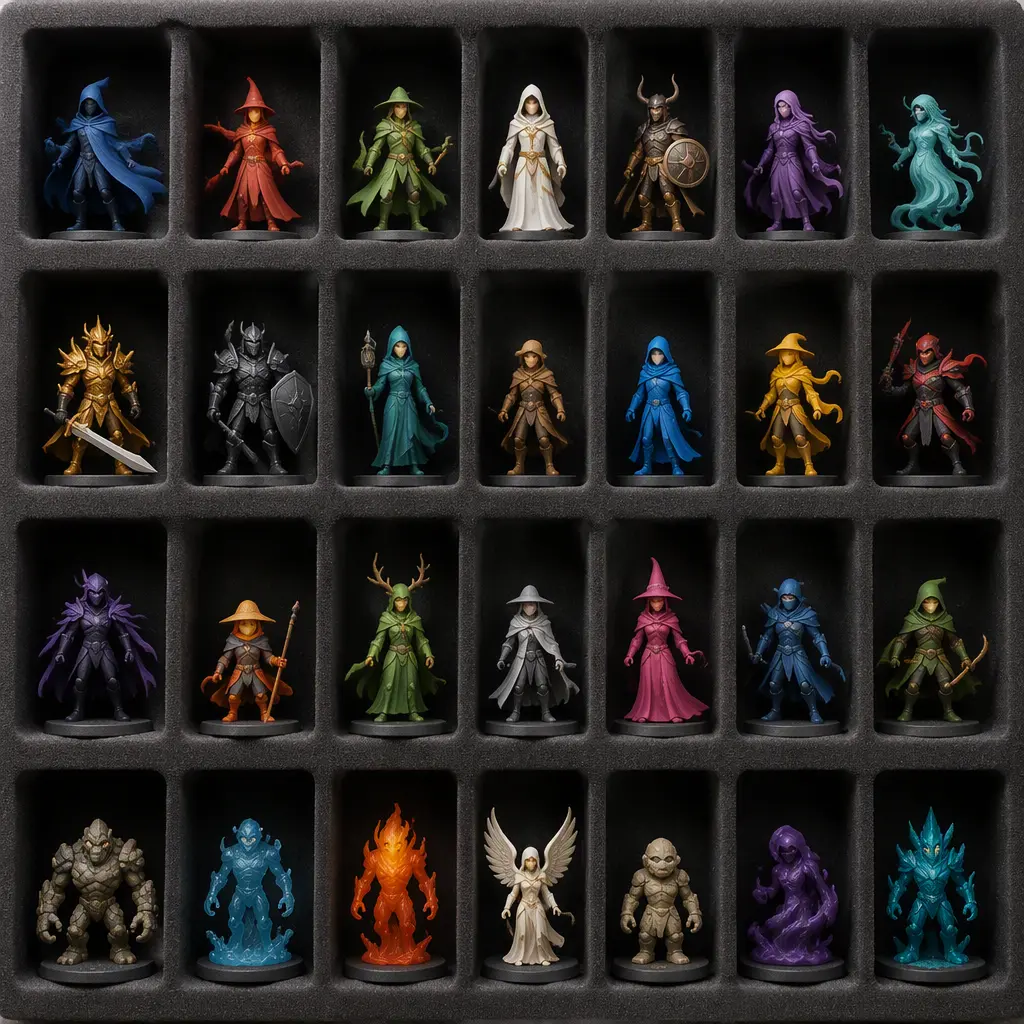
Over the years, Crazy Bones appeared in many different series with changing colors, finishes, and themes. Some waves emphasized glow-in-the-dark plastics, metallic finishes, or translucent materials, while others introduced sports-inspired or monster-inspired designs. Different countries sometimes received exclusive assortments, which helped fuel collecting communities and online trading long after the peak of the craze.
Collectors today often focus on condition and completeness rather than rarity alone. Original packaging can matter for dedicated fans, but loose figures remain the most common way to buy and trade. Since the figures were heavily played with, worn paint and scuffed surfaces are common. Modern reboots and reissues also exist, though longtime collectors sometimes prefer earlier runs because of nostalgia and differences in sculpting style.
- Look for mixed lots if rebuilding a childhood collection
- Check for excessive paint wear on older figures
- Original storage cases and albums can add interest for collectors
- Modern reissues are often easier for children to play with regularly
- Be cautious of unofficial copies with rough molding or brittle plastic
Frequently asked questions
Were Crazy Bones meant to be played with or just collected?
They were designed for both. The toys became popular because children could collect them, trade them, and use them in simple competitive games. Different schools and neighborhoods often developed their own house rules.
Why did some Crazy Bones become rare?
Certain figures appeared less frequently in packs, while others were tied to specific regions or promotional releases. Over time, lost pieces and heavy play also reduced the number of surviving figures in good condition.
Do children still play with Crazy Bones today?
The craze is smaller than it was during its peak years, but collectors and younger players still discover the toys through reissues, online communities, and secondhand collections. Their simple gameplay remains easy to learn.
What made Crazy Bones different from trading cards?
Unlike cards, Crazy Bones were physical game pieces with unique shapes and tactile play value. Kids could stack them, flick them, arrange them, and invent entirely new games without needing extra equipment.
Crazy Bones captured a particular moment in playground culture when a handful of small plastic figures could dominate recess conversations and backpack pockets for months at a time. Their lasting reputation comes from more than rarity or nostalgia. They succeeded because they blended collecting, competition, and creativity into a format simple enough for any child to understand within minutes.