Skylanders Giants and the Peak of Toys-to-Life Gaming
Skylanders Giants turned collectible figures into playable game characters on a grander scale, helping toys-to-life gaming become a major family entertainment trend in the early 2010s.
Compare prices and availability
Check current prices and availability for this guide on eBay.
As an eBay Partner, we may be compensated if you make a purchase.
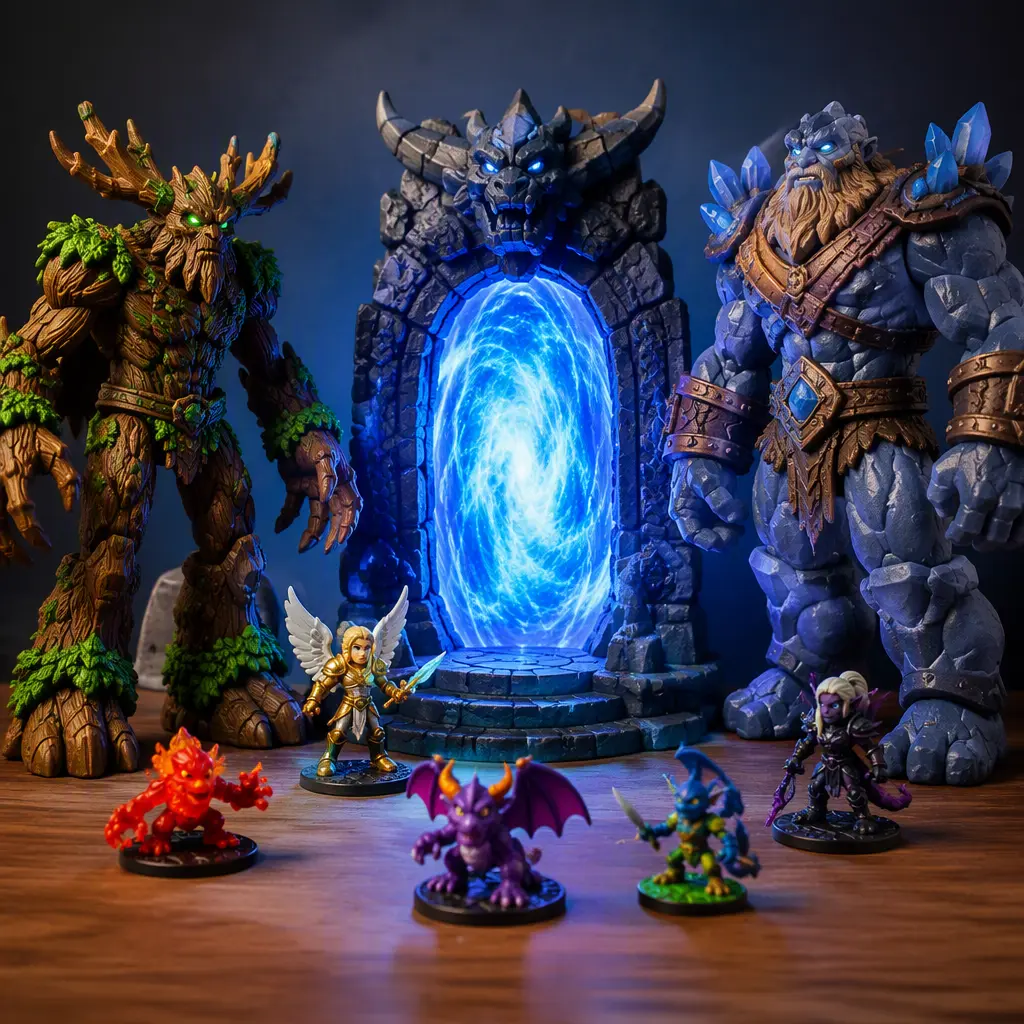
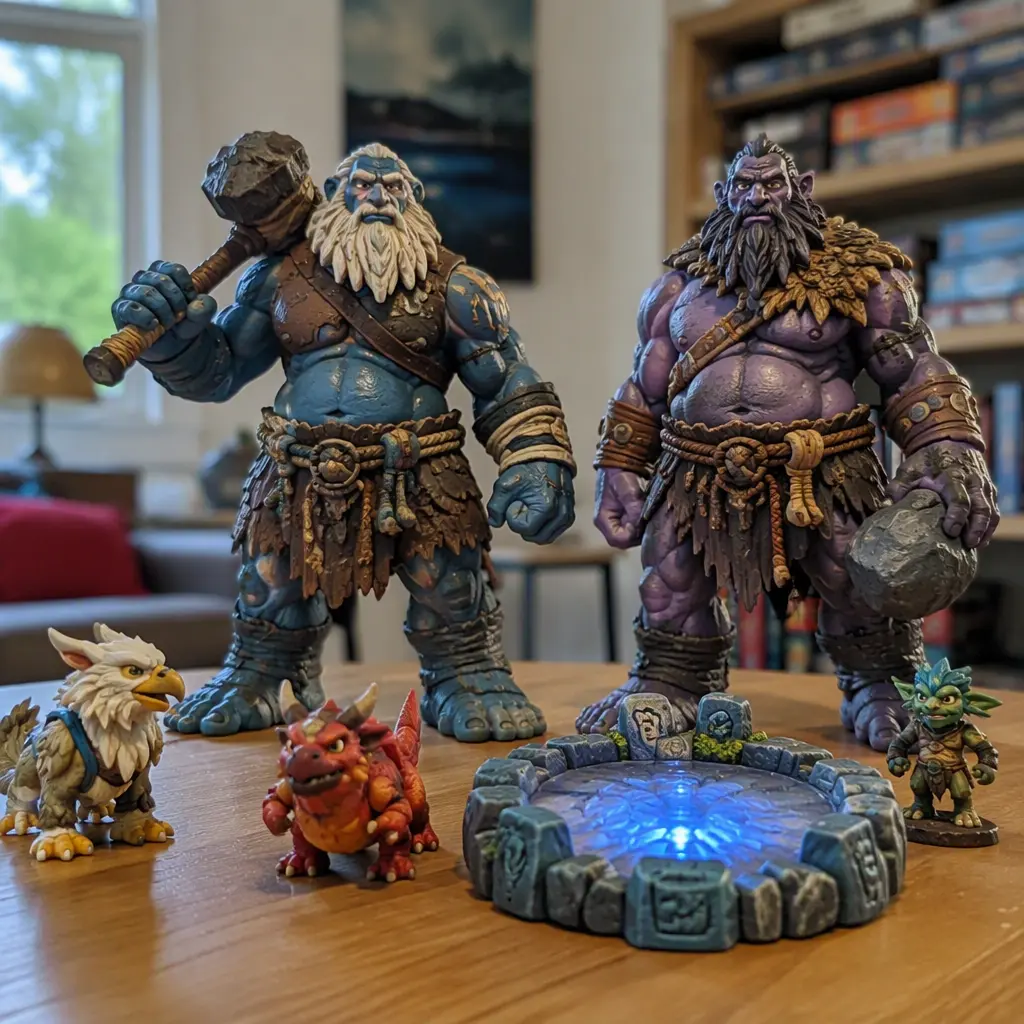
Skylanders Giants arrived at a moment when video games and toy aisles were starting to overlap in a serious way. Released in 2012 as the follow-up to the original Skylanders: Spyro's Adventure, the game expanded the toys-to-life concept with physically larger figures that unlocked oversized playable characters in the game itself. The idea was simple enough for younger players to understand immediately: place a toy on a portal accessory, and it appears on screen. What made Giants stand out was scale. The larger figures looked different on store shelves, felt heavier in hand, and gave the series a bigger personality just as toys-to-life gaming was reaching mainstream popularity.
Where it came from
The Skylanders series was developed by Toys for Bob and published by Activision. The original game introduced the core gimmick: collectible physical figures containing small chips that stored character data and connected to a game through a portal accessory. Children could carry progress from one console to another simply by bringing their figure along. It blended action gaming, collecting, and toy ownership into a single experience in a way that felt fresh at the time.
Skylanders Giants launched in 2012 and built directly on that foundation. The sequel introduced giant-class characters that towered over the standard figures and possessed special in-game abilities tied to their size. The release arrived during a period when family gaming was shifting toward connected experiences, collectible systems, and cross-media entertainment. The giant toys were designed to grab attention physically as much as digitally, and they helped push Skylanders from a successful experiment into a major retail phenomenon.
Why it works
Part of the appeal of Skylanders Giants came from how tangible the experience felt. Video games are often abstract, but Skylanders gave children a physical object connected directly to gameplay. Swapping figures during a level changed the on-screen character instantly, which created a toy-box feeling that traditional menu systems could not match. The larger Giant figures amplified that effect. They had noticeable weight, exaggerated proportions, and brighter sculpt details that made them feel more substantial than ordinary game accessories.
The design also worked because it balanced collecting with accessibility. Players did not need every figure to enjoy the game, but discovering new characters still felt rewarding. The Giants themselves served as centerpieces in many collections because they looked distinct from the smaller figures while unlocking areas and powers unavailable to standard characters.
- Physical figures instantly connected to gameplay through a portal accessory
- Larger Giant-class toys introduced unique powers and visual presence
- Figures stored player progress and could move between compatible systems
- Bright sculpting and durable plastic design appealed to younger players
- Collecting encouraged social play, trading, and cooperative gaming
Who it's for
Skylanders Giants was aimed primarily at children, especially elementary-school players who enjoyed action games but were still strongly interested in toys and collecting. The mechanics were approachable, with drop-in cooperative play that made it easy for siblings or parents to join. At the same time, the physical figures attracted older collectors who appreciated the sculpt work and the broader toys-to-life concept. For many families, the series became less about finishing every game and more about building a shared collection over time.
Variants and what to look for today
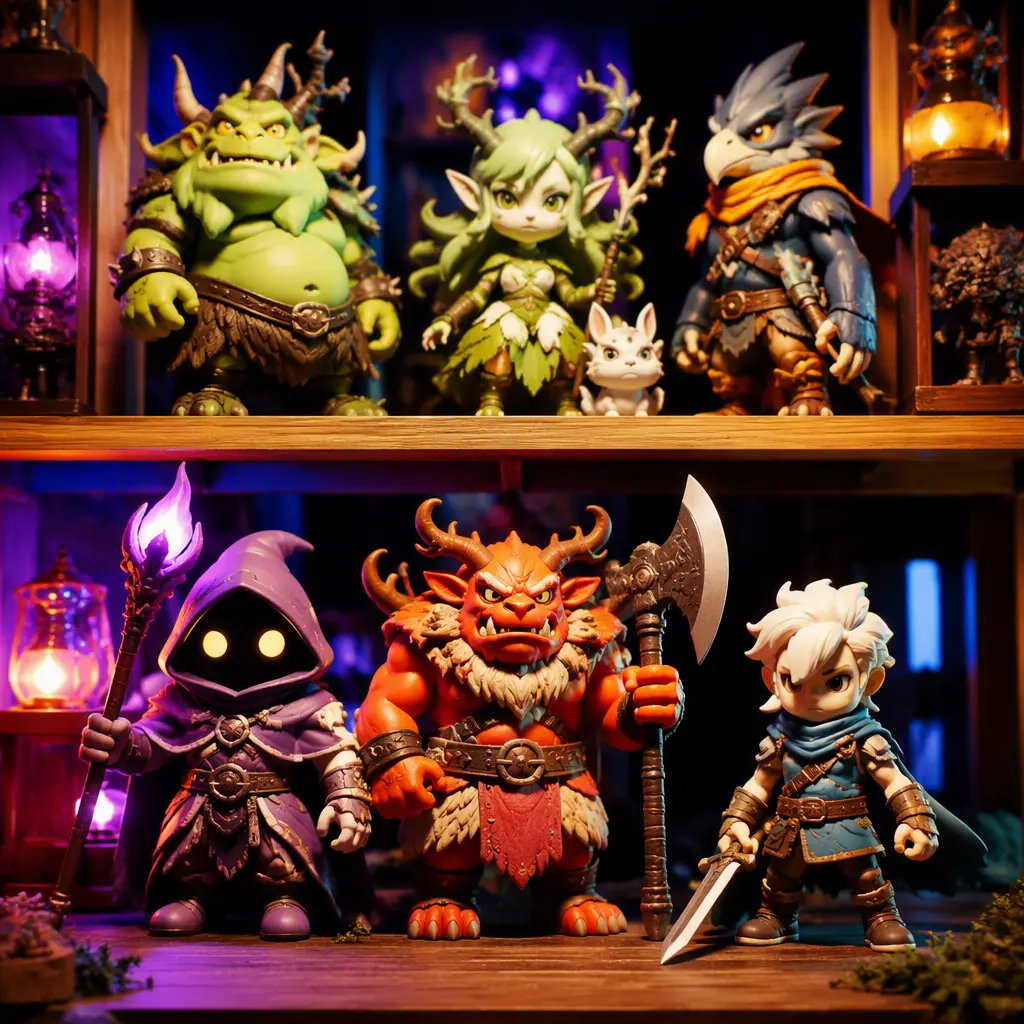
Although Skylanders Giants focused on the oversized Giant characters, the game remained compatible with many earlier figures from the original Skylanders release. That backward compatibility helped families continue using toys they already owned while adding new ones gradually. Over time, the broader franchise introduced additional gimmicks, including swap mechanics, vehicles, traps, and customizable characters. Many collectors still see Giants as the point where the concept felt the most balanced between simplicity and novelty.
Finding Skylanders Giants products today usually means searching secondhand markets, retro game stores, or online reseller platforms. Because the toys were heavily handled by children, condition matters more than rarity for many buyers. Figures with damaged bases or worn chips may not register consistently with portal accessories. Matching the correct portal and game version to a specific console is also important because compatibility varies across platforms.
- Look for figures with clean, undamaged bases and intact paint details
- Test portal accessories when possible to confirm reliable connections
- Check console compatibility before buying games or accessories
- Complete starter sets are often easier for newcomers than individual loose pieces
- Avoid unofficial accessories that may not function consistently with original hardware
Frequently asked questions
Did Skylanders Giants require the original game?
No. Skylanders Giants was a standalone sequel with its own starter set, although many figures from the earlier release remained compatible with the new game.
What made the Giant figures different?
The Giant characters were physically larger toys with special in-game abilities tied to strength and scale. They could access certain areas and perform actions unavailable to standard characters.
Can Skylanders figures still be used today?
Yes, provided players have compatible hardware, a working portal accessory, and the correct game version for their console. Many families still revisit the games through older systems.
Why did toys-to-life gaming fade in popularity?
The category became crowded quickly as competing brands introduced similar concepts. Rising accessory costs, shelf-space demands, and changing gaming habits eventually reduced mainstream interest, although dedicated collectors remain active.
More than a decade later, Skylanders Giants still represents a defining moment in toys-to-life entertainment. The larger figures transformed a clever gaming gimmick into something visually memorable and collectible in its own right. For many players, the series captured a specific era when physical toys and digital play briefly felt inseparable, and Giants was the release that pushed that idea to its biggest and boldest form.