AI Toy or Gimmick? 7 Checks Before You Buy
A practical guide to evaluating AI toys for kids, including privacy, offline play, subscriptions, moderation, age fit and long-term support before you buy.
Compare prices and availability
Check current prices and availability for this guide on eBay.
As an eBay Partner, we may be compensated if you make a purchase.
AI toys are moving beyond simple voice recordings and motion sensors into products that can generate conversation, adapt responses or connect to cloud-based apps. For parents, the challenge is working out whether those features genuinely improve play or simply add cost, data collection and ongoing maintenance. Some connected toys can encourage storytelling, coding practice or interactive learning. Others rely so heavily on apps, subscriptions or internet access that the toy becomes limited when the service changes or support ends. A careful buying decision matters more here than with many traditional toys because the experience can change after purchase through software updates, moderation systems or discontinued services.
What to look for
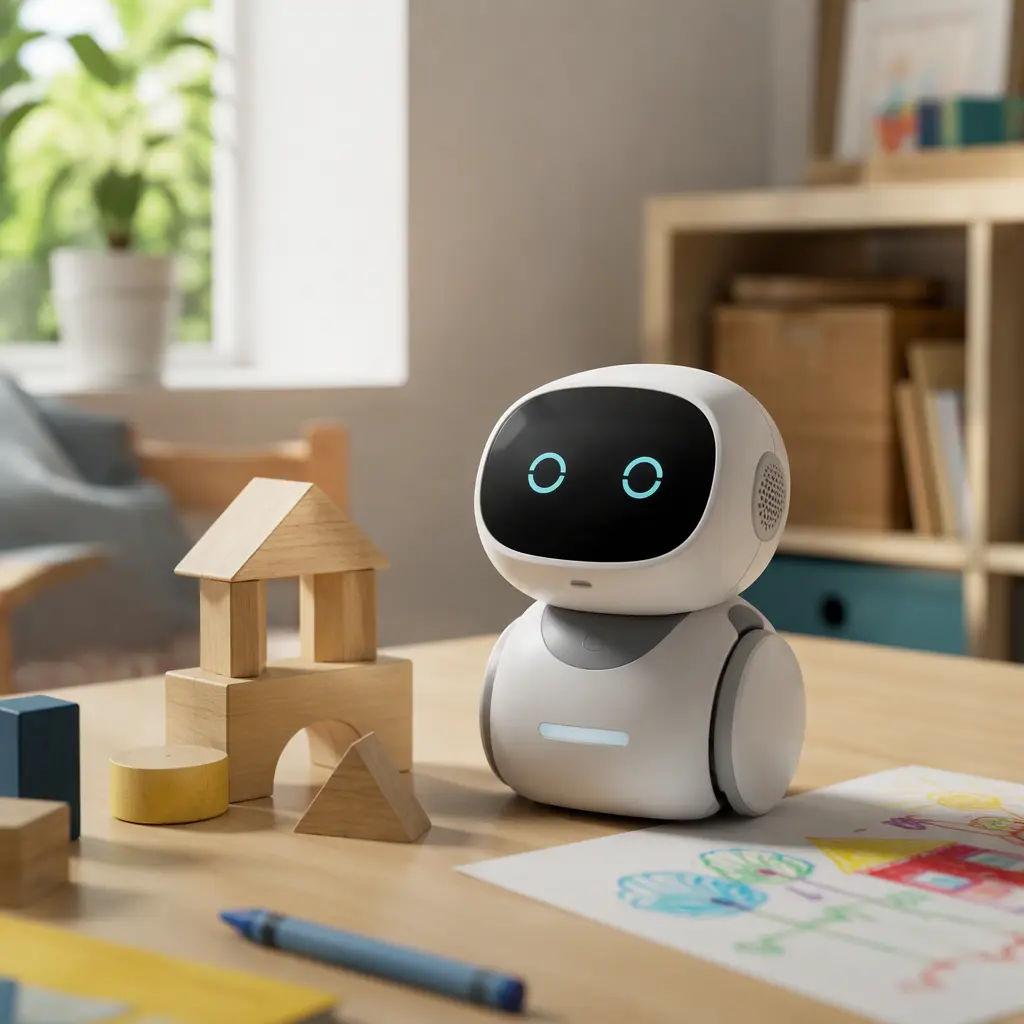
The most useful AI toys still work as toys without constant cloud access. Before focusing on marketing terms like smart, adaptive or AI-powered, look at how the product behaves during normal family use. A toy that can still support imaginative play, physical interaction or creative activities offline will usually remain useful longer than one that depends entirely on live internet features. Parents should also check how the company handles microphones, cameras and stored conversations, since some products process voice data remotely rather than directly on the device.
- Check whether the toy has meaningful offline play modes or becomes limited without Wi-Fi.
- Look for clear information about microphones, cameras, voice recording and where data is processed.
- Find out whether subscriptions, credits or paid app features are required after purchase.
- Check compatibility with phones, tablets or smart speakers already used in the home.
- Consider response speed and latency. Delayed conversations can frustrate younger children quickly.
- Review parental controls, content filters and moderation tools where open-ended chat is involved.
- Look into update support and whether the toy still functions if servers or apps are discontinued.
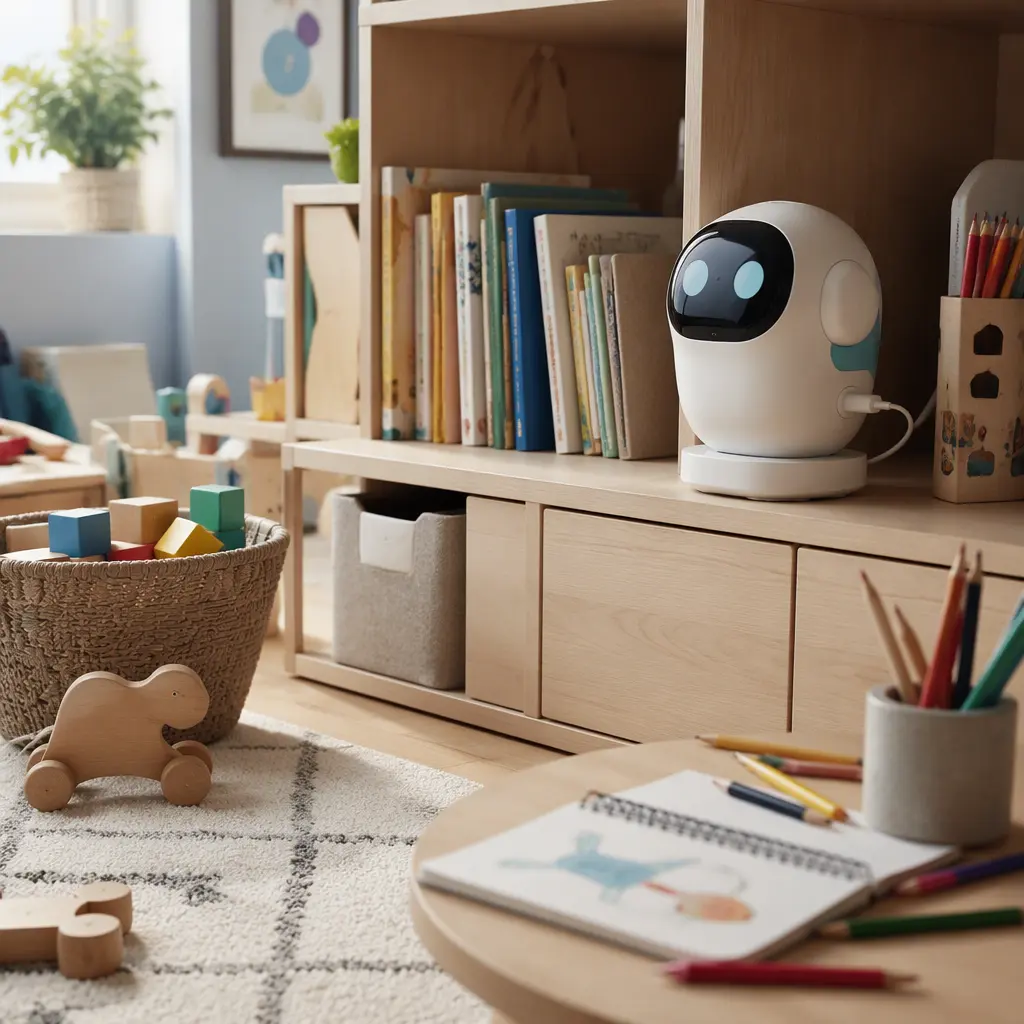
- Think about practical household factors such as charging, storage space, noise levels and repairability.
Age suitability
Many AI toys are marketed broadly but work best within a narrower age range. Younger children often benefit more from simple, predictable interaction and physical play than from conversational AI features. Preschoolers may enjoy responsive lights, sounds and routines, but they can struggle with toys that require troubleshooting, accounts or app navigation. Elementary-age children are more likely to use AI-driven storytelling, coding prompts or educational quizzes independently. Older children and teenagers may appreciate creative tools such as AI-assisted drawing or programmable robotics, though these products often introduce more complex privacy and moderation considerations. Parents should also consider emotional expectations. Some conversational toys are designed to simulate companionship, which may not suit every family or every child.
Options compared
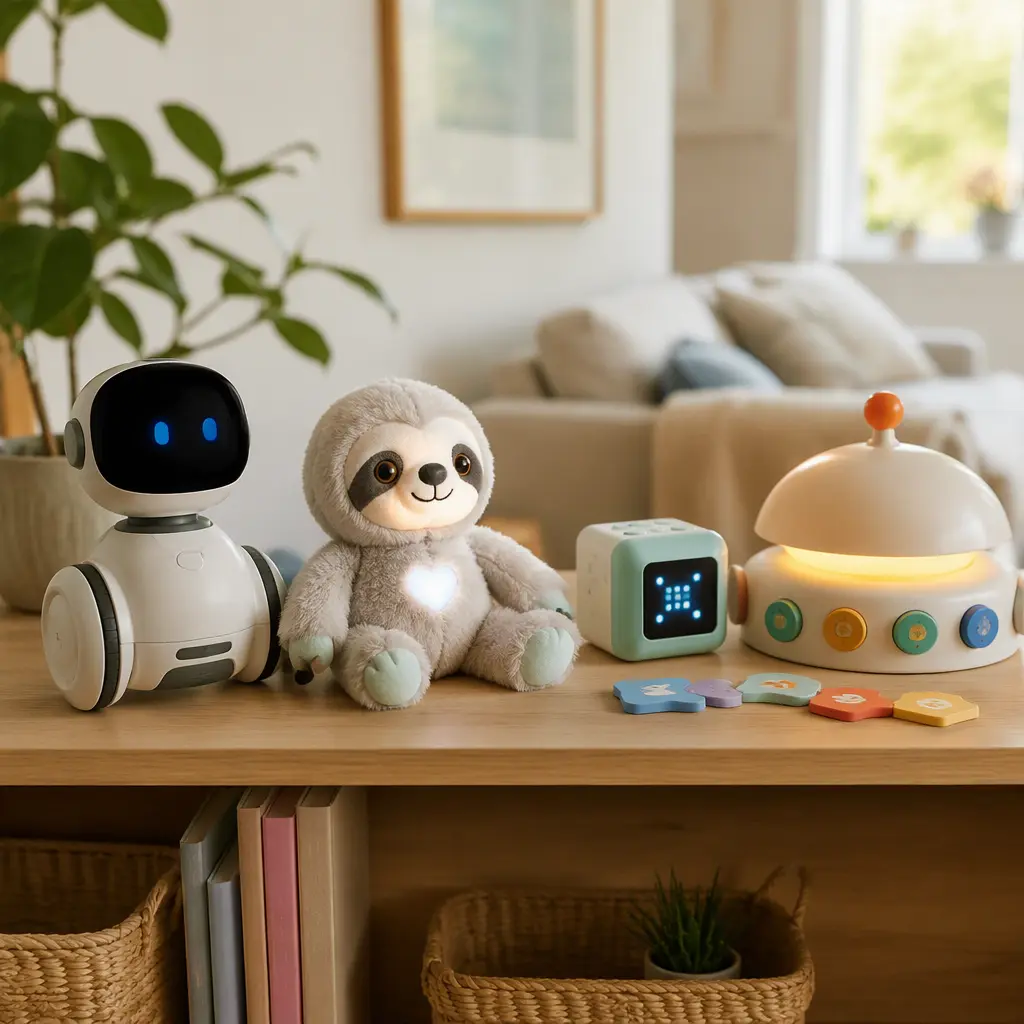
Not every connected toy uses AI in the same way. Some products marketed as AI are closer to traditional animatronics with scripted responses and simple sensors. These can still be enjoyable for younger children because they are predictable, durable and often easier to use offline. Examples include interactive pets that react to touch or sound without generating new responses. They typically raise fewer privacy concerns because they process less personal data.
Cloud-connected conversational toys are different. Products similar to AI chat companions or smart robotic assistants may generate varied responses, tell stories or answer open-ended questions using remote servers. These toys can feel more dynamic, but they also depend more heavily on moderation systems, stable internet connections and long-term company support. If the service changes or shuts down, functionality may shrink significantly. Creative AI toys aimed at older children, such as coding robots or AI-assisted drawing devices, often sit in the middle. They can encourage experimentation and problem-solving but may involve recurring app subscriptions, account setup or ongoing purchases of content packs. Families looking for low-maintenance play may prefer simpler robotics kits or screen-free building systems instead.
- Simple interactive toys with sensors suit younger children and families wanting lower complexity and less cloud dependence.
- Conversational AI companions may appeal to children who enjoy storytelling and back-and-forth interaction but usually require stronger supervision and internet access.
- Coding and programmable robots fit older children interested in STEM-style activities, though setup and troubleshooting can require adult involvement.
- AI art or creativity tools can support experimentation but may involve subscriptions, cloud processing or moderation limits on generated content.
- Families with limited storage, shared devices or unreliable internet may get better long-term value from toys with strong offline features.
Frequently asked questions
Do AI toys work without internet access?
Some do, but offline capability varies widely. Certain toys can still move, react or run preloaded games offline, while others lose most of their features without a connection. Parents should check whether conversational features, updates or app functions require constant cloud access.
Are AI toys educational?
They can be, particularly when focused on coding, storytelling, language practice or creative problem-solving. However, educational value depends heavily on how the toy is designed and how it is used. Open-ended play, discussion with adults and balanced screen habits still matter more than AI branding alone.
What privacy questions should parents ask?
Check whether the toy records voices, stores conversations or uses cloud processing. Parents should look for clear privacy documentation explaining what data is collected, how long it is stored and whether users can delete accounts or recordings. App permissions and linked accounts are also worth reviewing before setup.
Do AI toys require subscriptions?
Some connected toys include ongoing subscriptions, token systems or premium app content. Others provide basic functionality without extra payments but reserve advanced AI features for paid plans. Looking at long-term ownership costs can prevent surprises later.
How long do connected toys usually stay supported?
Support periods vary by company and product category. App-based toys may receive updates for years, while others lose compatibility as operating systems change. Products that still offer useful offline play tend to remain usable longer even if online services end.
A useful AI toy should improve play rather than replace it. The strongest options usually combine durable physical design with clear offline value, transparent privacy practices and realistic long-term costs. Marketing language around AI changes quickly, but practical family considerations such as supervision, storage, internet dependence and support life remain the best guide to a smart purchase.