Are Electronic Pets Worth It for Kids Ages 6–8?
A parent-focused guide to electronic pets for ages 6–8, covering play value, upkeep, learning benefits, and whether interest tends to last beyond the first few weeks.
Compare prices and availability
Check current prices and availability for this guide on eBay.
As an eBay Partner, we may be compensated if you make a purchase.
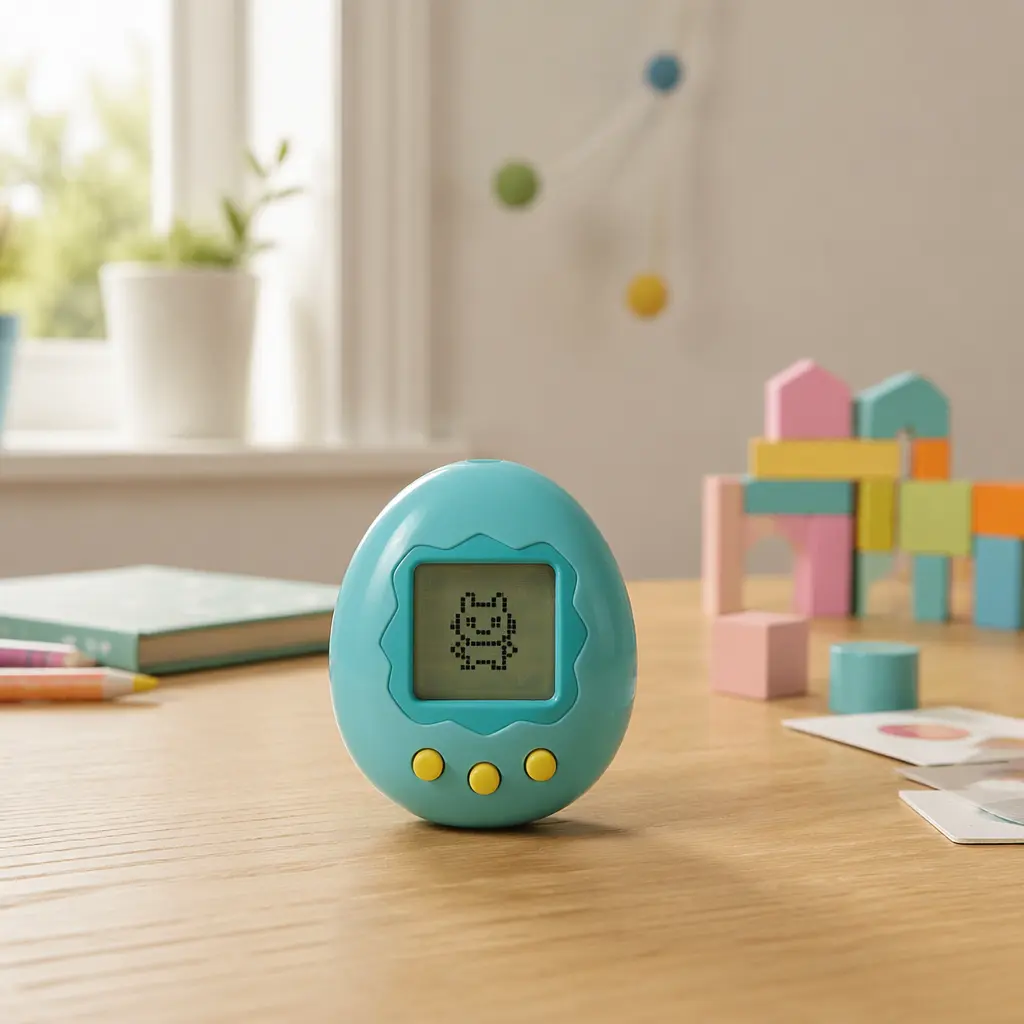
Electronic pets promise companionship without the mess of a real animal. For kids ages 6–8, they can feel like a big step up from simple toys, offering sounds, reactions, and routines that mimic caring for a pet. For parents, the big question is whether these toys deliver lasting play value or end up forgotten once the novelty fades. This guide looks at how electronic pets tend to fit into everyday play, what upkeep they require, and what to expect over time.
What to look for
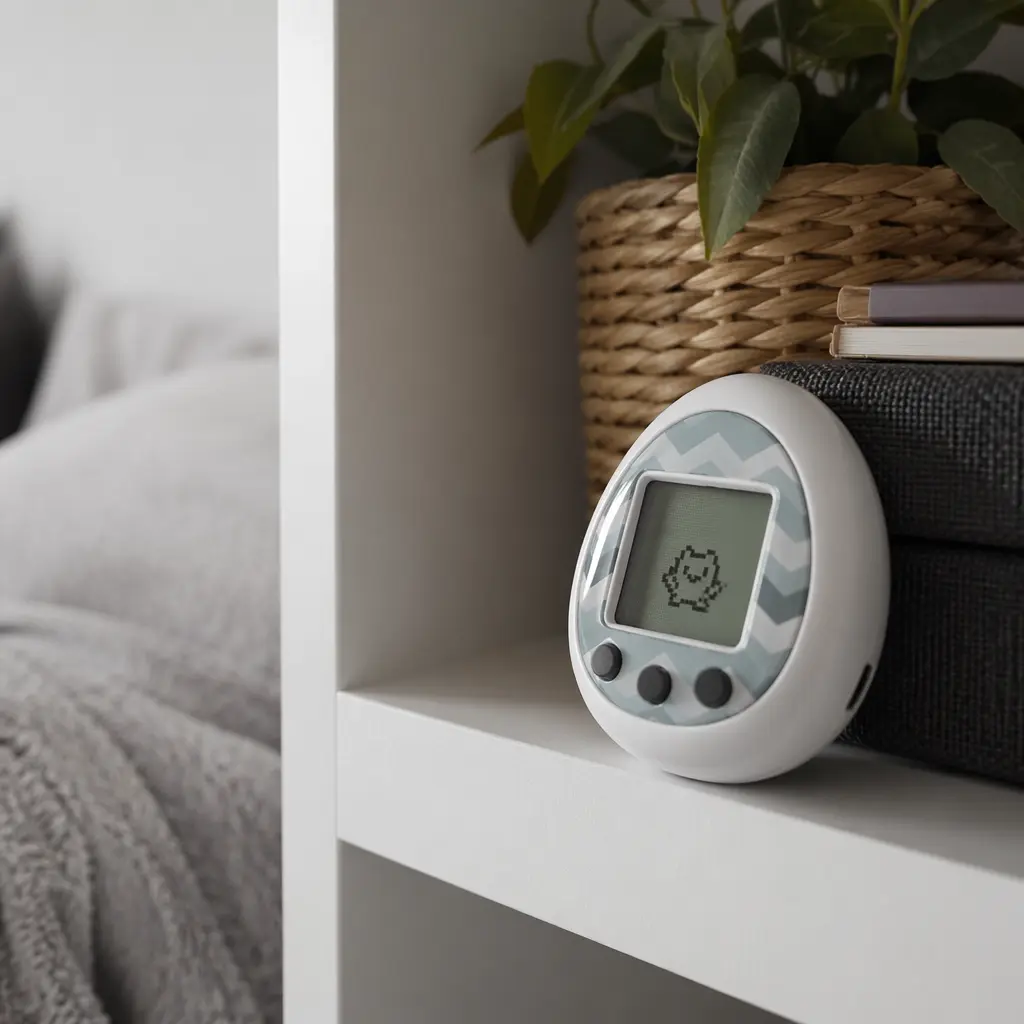
Not all electronic pets are built the same. Some focus on simple interactions, while others include games, growth stages, or learning elements. Looking closely at features before buying can help match the toy to your child’s interests and attention span.
- Interaction depth: Look for pets that respond in more than one way, such as sounds, movement, or changing moods.
- Ease of use: Kids in this age range should be able to operate buttons or touch sensors without constant adult help.
- Durability: Toys should handle drops and everyday handling, especially if they’re meant to be carried around.
- Battery or charging needs: Check whether it uses replaceable batteries or a rechargeable battery, and how often power is needed.
- Volume control: Adjustable sound helps keep playtime manageable in shared spaces.
Age suitability
For kids ages 6–8, electronic pets often hit a sweet spot. Children are old enough to understand routines like feeding or caring, but still young enough to enjoy imaginative play. Many kids in this range like having a sense of responsibility without real-world consequences. That said, interest levels vary. Some children enjoy daily check-ins, while others engage in short bursts and then move on. Matching the toy’s complexity to your child’s patience and curiosity is key.
Standout categories or types
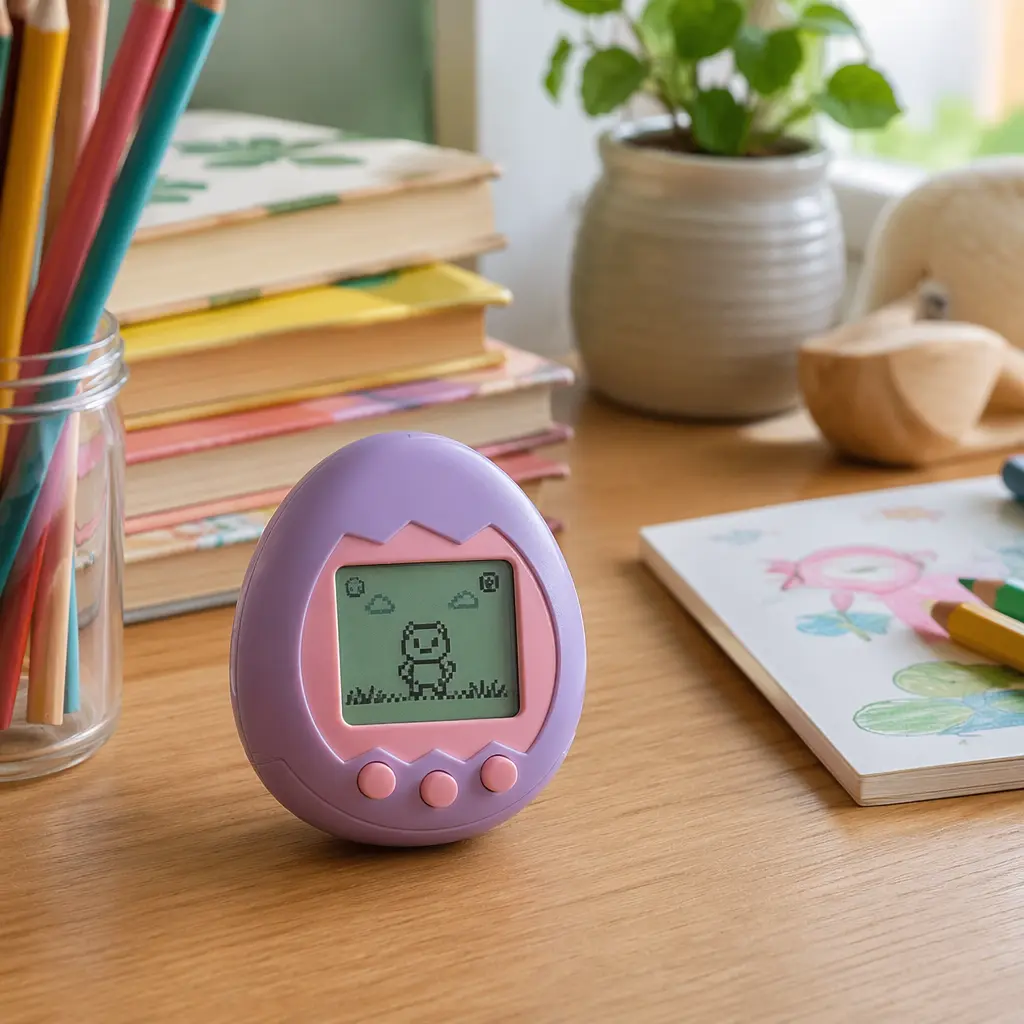
Electronic pets generally fall into a few broad categories, each offering a different kind of play experience. Understanding these types can help narrow down what might work best in your home.
- Care-focused pets: These emphasize feeding, cleaning, and daily routines, encouraging responsibility and consistency.
- Game-based pets: These include built-in mini games or challenges, appealing to kids who enjoy goals and rewards.
- Educational pets: Some integrate basic learning, such as spelling, math, or problem-solving, alongside pet care.
- Companion-style pets: Designed for interaction and comfort, these focus on sounds, reactions, and pretend bonding rather than tasks.
Frequently asked questions
Do electronic pets really hold a child’s attention?
They can, but it depends on the child and the toy’s design. Many kids stay engaged for weeks or months, especially if the pet changes over time. Others may lose interest once all features are discovered.
Are electronic pets educational?
Some offer light educational value, such as reinforcing routines, basic reading, or problem-solving. They’re best viewed as a supplement to learning, not a replacement for hands-on activities or reading.
How much maintenance do they require?
Maintenance is usually limited to charging or replacing batteries and occasional cleaning. Unlike real pets, there’s no feeding or vet care, but parents may still need to manage power needs.
Can electronic pets cause frustration?
Some toys are designed with consequences if care is skipped, which can frustrate sensitive children. Checking reviews for difficulty level can help avoid unnecessary stress.
Are they a good alternative to a real pet?
They can introduce basic responsibility without long-term commitment, but they don’t replace the experience of caring for a real animal. Many families see them as a practice step rather than a substitute.
Overall, electronic pets can be worth it for kids ages 6–8 when expectations are realistic. They tend to work best as one option among many toys, offering interactive play without ongoing costs or care. By focusing on age-appropriate features and understanding your child’s interests, parents can decide whether an electronic pet is likely to become a favorite or simply a short-term novelty.