Beginner Electronic Toys That Teach Coding Basics
A parent-friendly guide to beginner electronic toys that introduce coding basics for ages 9–12, with tips on features, age fit, safety, and popular toy categories to explore.
Compare prices and availability
Check current prices and availability for this guide on eBay.
As an eBay Partner, we may be compensated if you make a purchase.
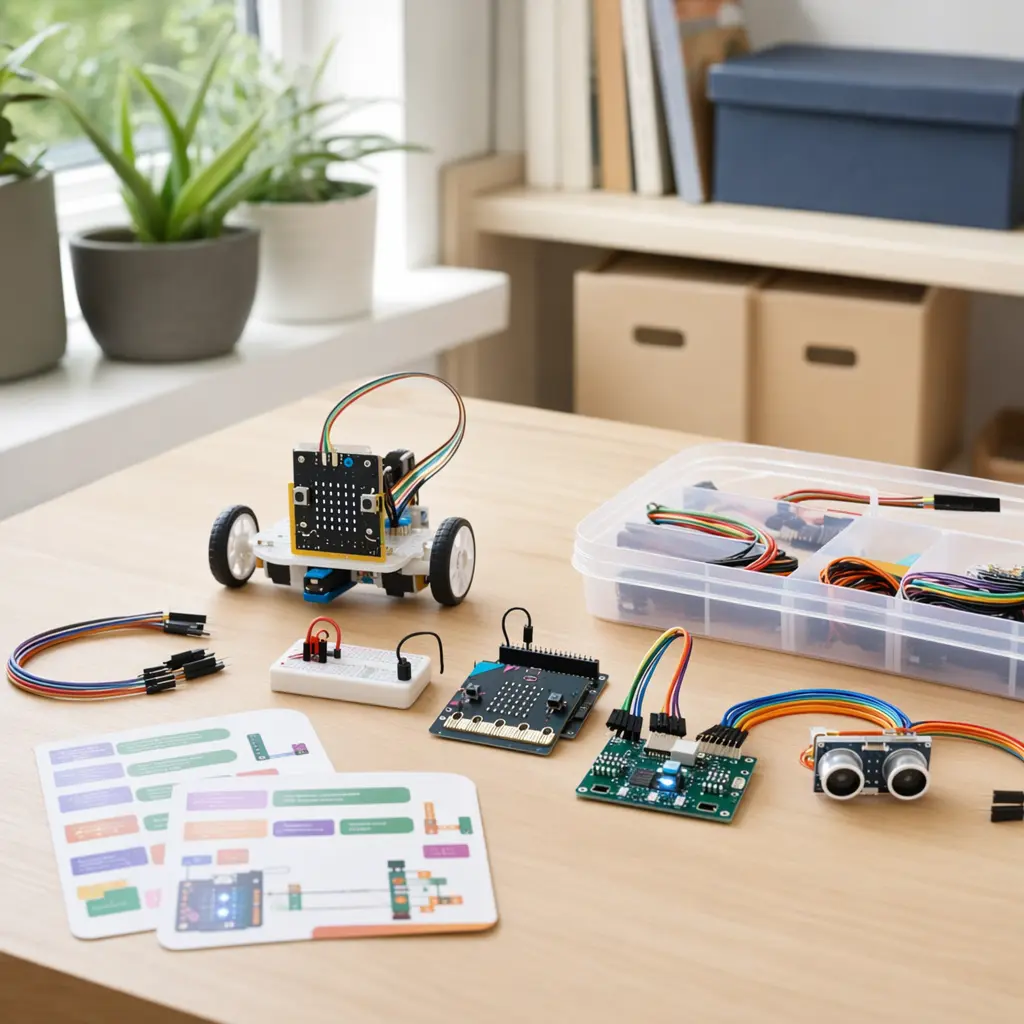
Electronic toys that teach coding basics can help kids ages 9–12 build problem-solving skills while having fun. These toys usually combine simple programming concepts with hands-on activities, making abstract ideas like logic and sequencing easier to understand. For parents, the goal is finding options that feel playful, not overwhelming, while still offering real learning value.
What to look for
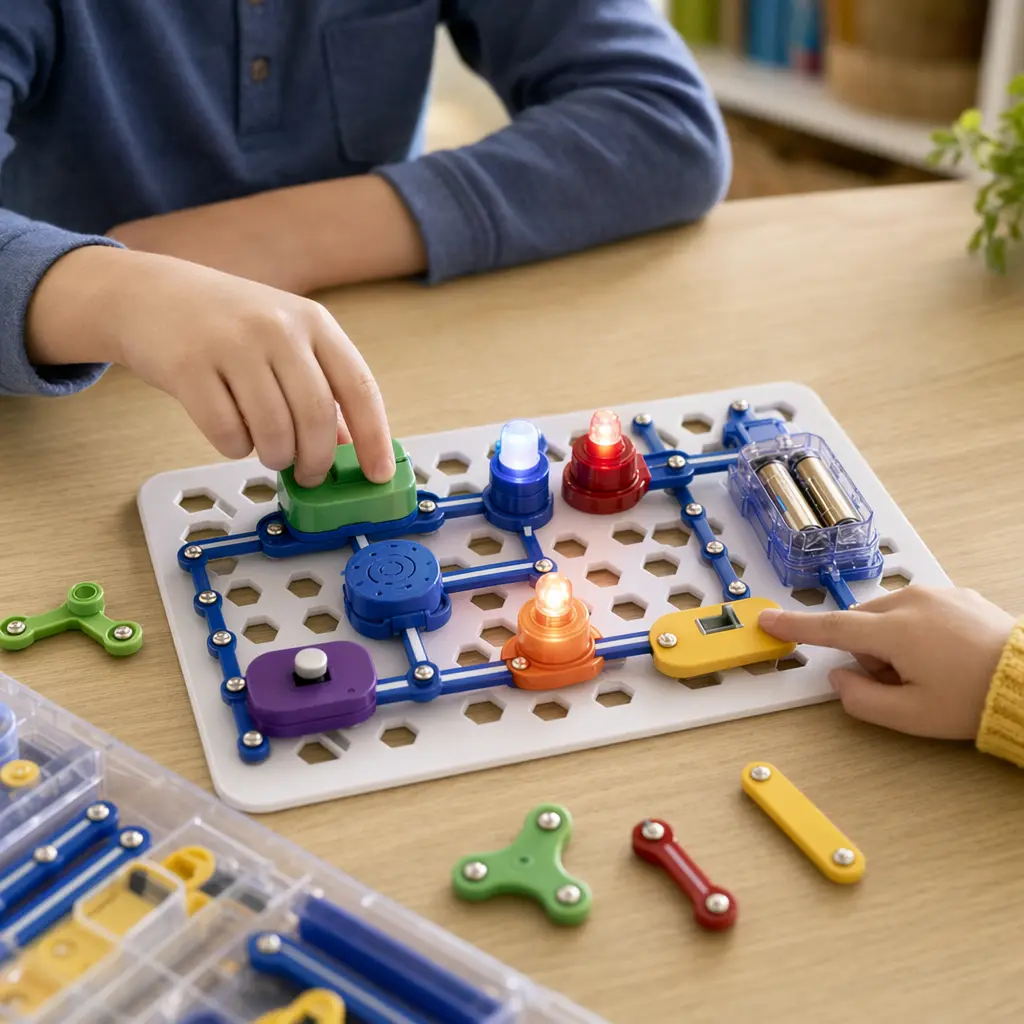
Beginner coding toys work best when they balance structure with creativity. At this age, kids can follow multi-step instructions but still benefit from visual feedback and clear goals. Look for toys that explain concepts gradually and reward experimentation rather than focusing only on right or wrong answers.
- Block-based or visual programming instead of text-heavy code
- Clear instructions with optional challenges or extensions
- Physical interaction, such as building, pressing buttons, or connecting parts
- Immediate feedback through lights, sounds, or motion
- Expandable features so the toy can grow with your child
Age suitability
For ages 9–12, coding toys should introduce real concepts like loops, conditionals, and basic logic without requiring prior experience. Kids in this range often enjoy projects they can customize, such as programming a device to react or solve a simple problem. Toys labeled for much older users may rely heavily on reading or typing, while younger-age toys may feel too limited or repetitive.
Standout categories or types
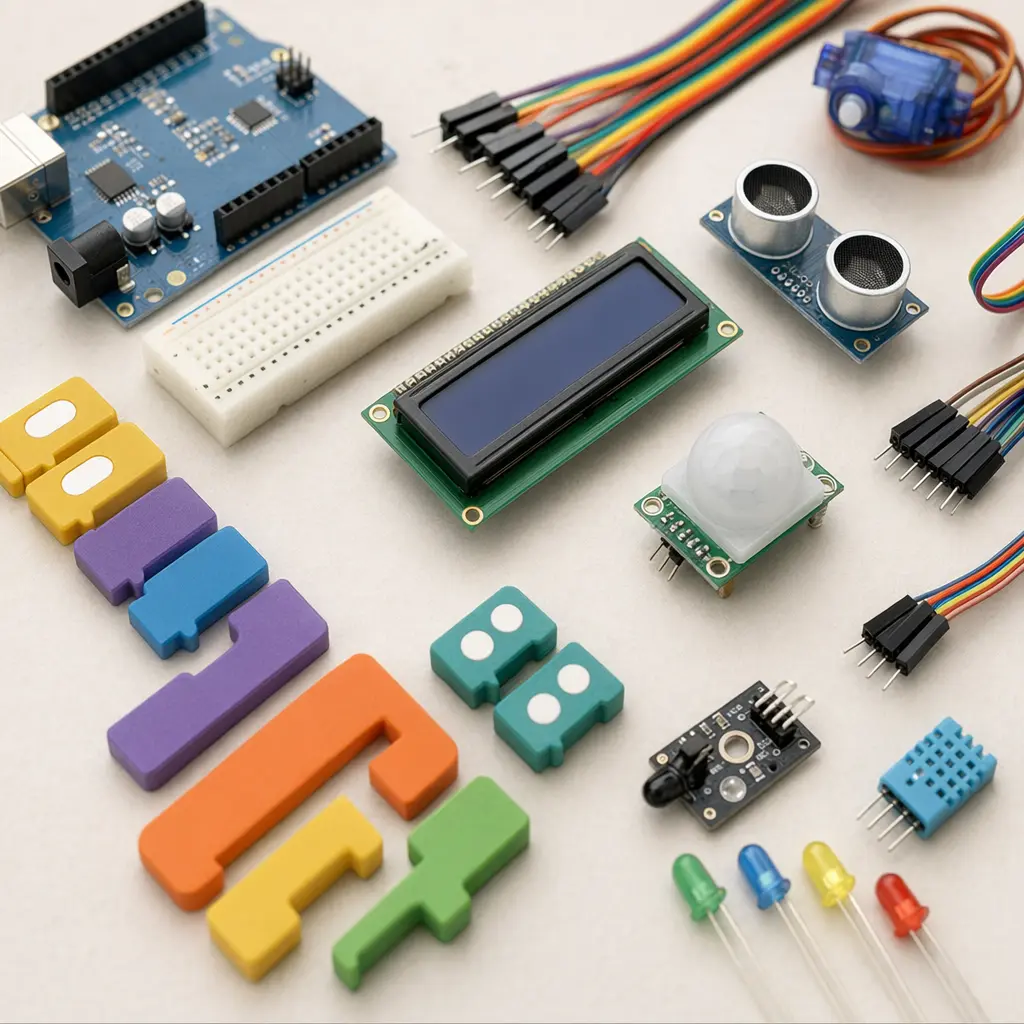
Beginner electronic coding toys come in a few main categories, each appealing to different learning styles. Some focus on building and experimentation, while others lean into games or storytelling. Choosing the right type often depends on what already interests your child.
- Programmable robot kits that follow coded commands and move around
- Electronic building sets with snap-together circuits and logic challenges
- Game-based coding toys that use puzzles to teach sequencing and loops
- Controller-based systems that program lights, sounds, or simple motors
Frequently asked questions
Do kids need prior coding experience?
No. Beginner electronic coding toys are designed for first-time learners. Most start with simple concepts and build gradually, so kids can learn as they play.
Will these toys require a screen?
Some use tablets or computers for programming, while others are screen-free and rely on physical controls. Product descriptions usually make this clear.
How long will a child stay interested?
Interest tends to last longer with toys that offer multiple challenges or open-ended projects. Expandable sets and difficulty levels help prevent boredom.
Are these toys aligned with school learning?
Many reflect common STEM concepts taught in schools, such as logical thinking, sequencing, and cause-and-effect. They are usually best viewed as enrichment rather than formal curriculum.
Beginner electronic coding toys can be a helpful bridge between play and learning for kids ages 9–12. By focusing on clear instructions, hands-on interaction, and age-appropriate challenges, parents can choose toys that encourage curiosity and confidence with technology.