Best Entry-Level Robotics Kits for Teens 13+ (No Screens)
A buyer-focused guide to beginner robotics kits for teens 13+, emphasizing hands-on building, real engineering skills, and minimal screen time.
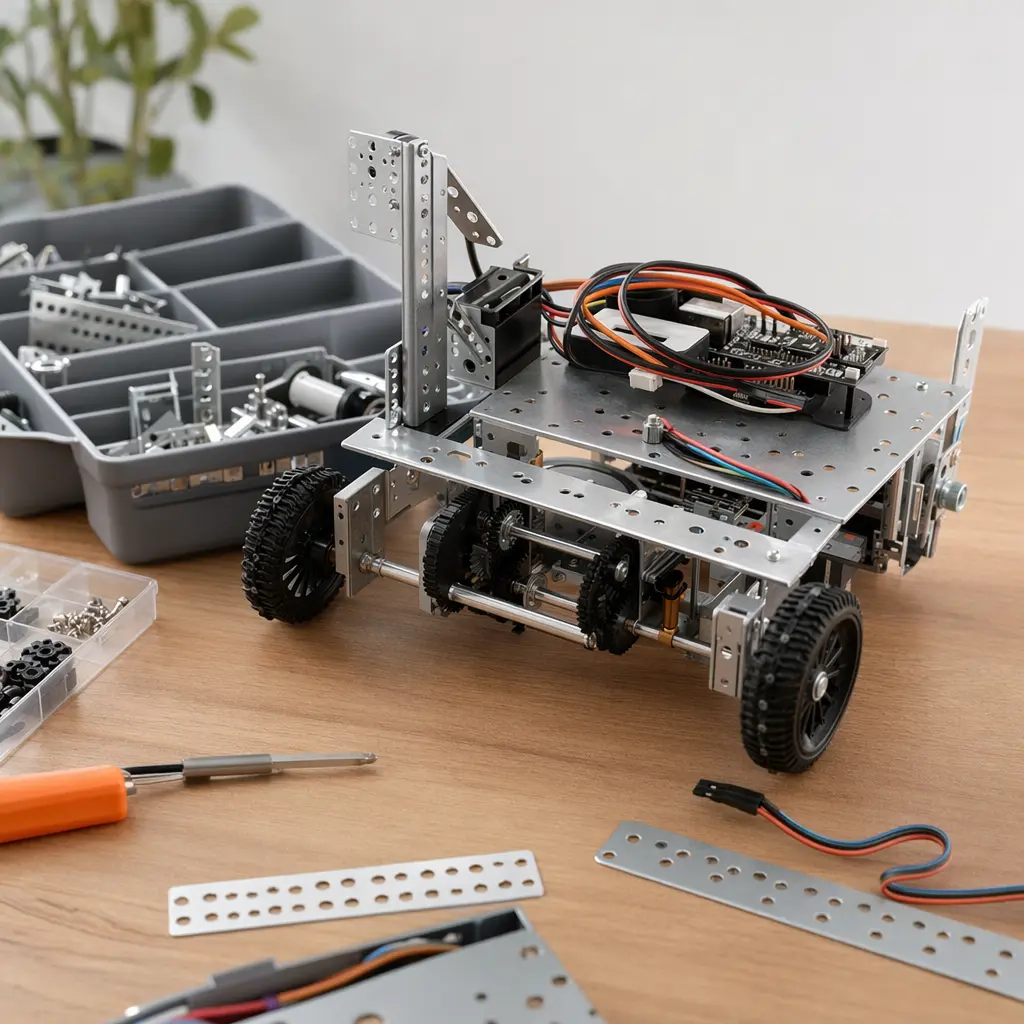
Compare prices and availability
Check current prices and availability for this guide on eBay.
As an eBay Partner, we may be compensated if you make a purchase.
Robotics kits for teens can be a smart way to introduce real engineering skills without relying on apps or constant screen use. For ages 13 and up, the best entry-level options focus on hands-on building, basic electronics, and problem-solving, while keeping instructions clear and approachable. This guide explains what to look for and which types tend to work best for beginners.
What to look for
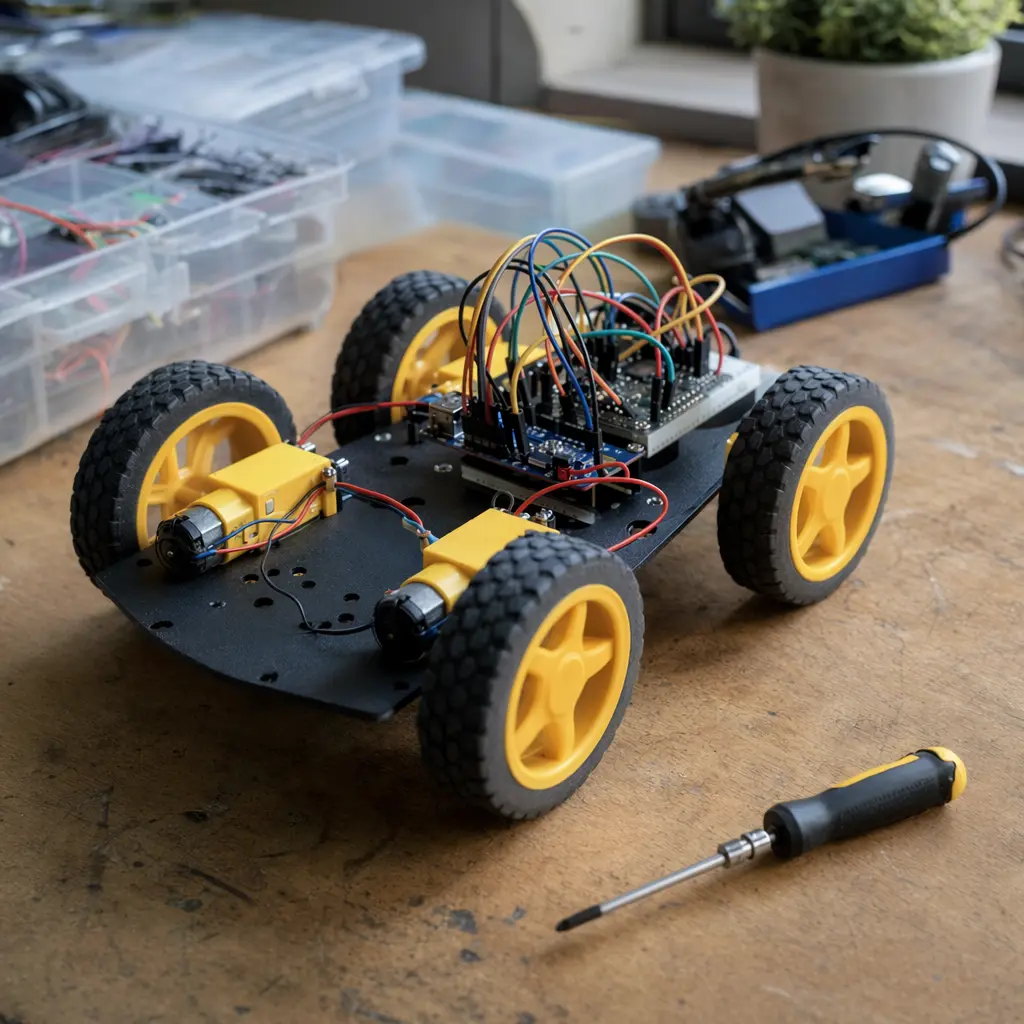
Entry-level robotics kits for teens should strike a balance between challenge and clarity. At this age, kids are ready for real components, but they still benefit from well-organized parts and step-by-step guidance. Screen-free or low-screen kits often rely on physical switches, pre-programmed controllers, or logic-based wiring instead of apps.
- Clear printed instructions with diagrams rather than app-only guides
- Sturdy parts such as metal frames or thick plastic components
- Basic electronics like motors, sensors, batteries, and switches
- Tools included or clearly specified (screwdrivers, hex keys)
- Projects that can be rebuilt or modified after the first build
Age suitability
For ages 13 and up, most teens can handle multi-step builds that take several hours. Kits in this range often assume basic reading comprehension and patience rather than prior robotics experience. If a teen is new to electronics, look for kits labeled as beginner or introductory, even if they are marketed for older kids.
Standout categories or types
Several types of entry-level robotics kits work especially well for teens who want hands-on learning without heavy screen use. These categories focus on mechanical understanding and logical thinking rather than coding on a device.
- Mechanical robot kits that use switches or remote controls instead of programming
- Build-your-own robot vehicles that teach motors, gearing, and steering
- Electronics-focused kits that introduce circuits and sensors through physical connections
- Modular robotics systems that allow multiple builds from the same set of parts
Frequently asked questions
Do robotics kits for teens require coding?
Not always. Many beginner kits for ages 13+ are designed to work without coding, using pre-set controllers, switches, or simple logic boards. These are a good fit for families looking to limit screen time.
How long does a typical build take?
Most entry-level kits take between one and three hours for the initial build. More complex kits or rebuilds can extend over several sessions, which can help with patience and focus.
Are these kits educational or just for fun?
Well-designed robotics kits combine both. Teens learn about mechanical systems, electricity, and problem-solving while still enjoying the process of building and testing something that moves.
What if a teen gets stuck during assembly?
Clear instructions reduce frustration, but challenges are part of the learning process. Many kits encourage troubleshooting by revisiting steps, checking connections, and testing components one at a time.
Entry-level robotics kits can be a strong introduction to engineering for teens 13 and up, especially when they focus on hands-on building instead of screens. By choosing a kit with clear instructions, durable parts, and room to experiment, parents can support curiosity and practical STEM learning at home.