Beginner Electronic Toys That Work Fully Offline
A parent-friendly guide to offline electronic toys for ages 9–12 that teach cause and effect without apps, accounts, or Wi‑Fi—what to look for, age fit, and common questions.
Compare prices and availability
Check current prices and availability for this guide on eBay.
As an eBay Partner, we may be compensated if you make a purchase.
For kids ages 9–12, beginner electronic toys can be a hands-on way to learn cause and effect—flip a switch, hear a sound; connect a sensor, see a light change. Many families prefer options that work fully offline, without apps, accounts, or internet connections. These toys focus attention on the physical build and the result, not a screen. This guide explains what to look for, how age fit matters, and which types tend to work best for offline learning.
What to look for
Offline electronic toys vary widely in complexity. Some are puzzle-like kits with pre-set projects, while others allow open-ended experimenting. For this age range, look for designs that balance freedom with guardrails so kids can succeed without constant adult troubleshooting.
- No required apps or accounts: The toy should function fully on its own, with instructions included in print or on the device.
- Clear cause-and-effect feedback: Lights, sounds, motion, or readings that change immediately when something is connected or adjusted.
- Tool-free or low-tool assembly: Snap-together parts or simple screws reduce frustration and keep the focus on learning.
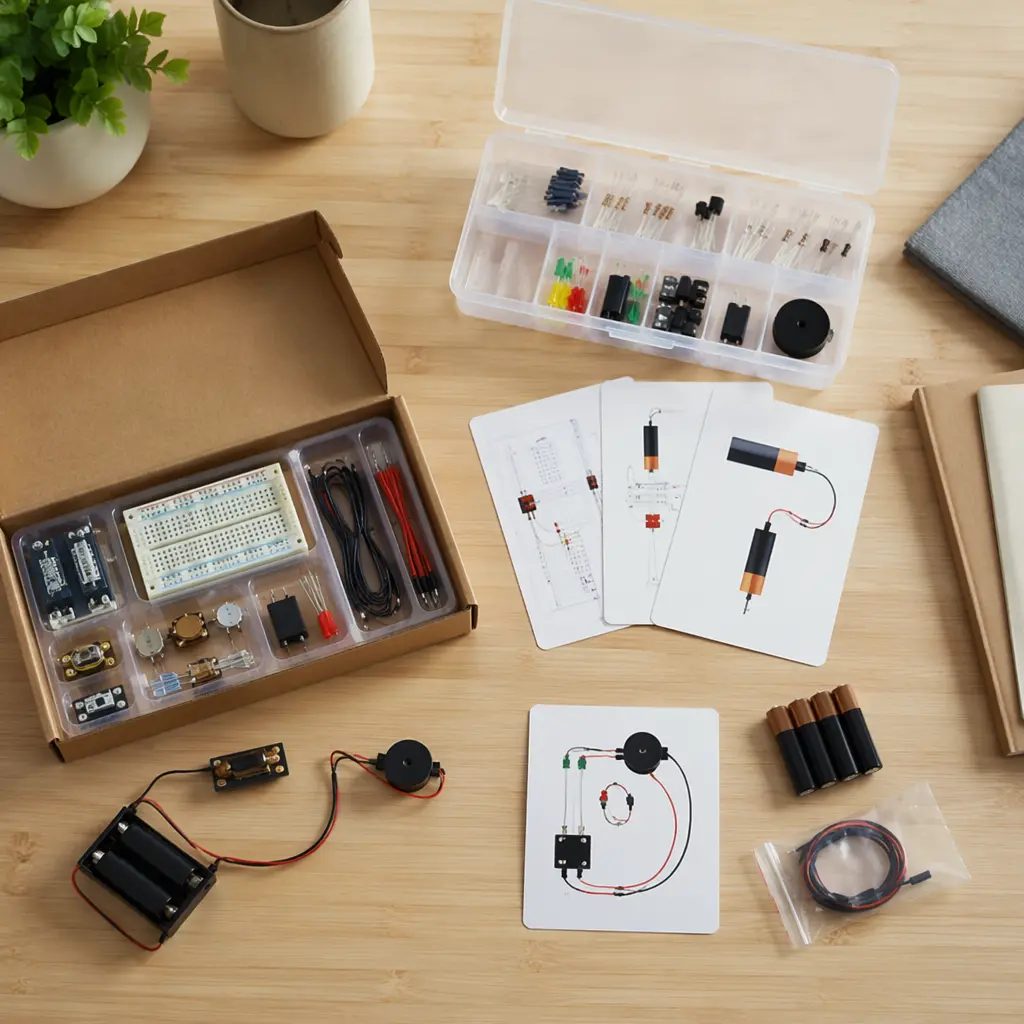
- Built-in guidance: Project cards, diagrams, or labeled ports help kids get started without memorizing theory first.
- Expandable difficulty: Extra challenges or optional modules let the toy grow with the child over time.
- Durable components: Parts should tolerate repeated assembly and disassembly by small hands.
Age suitability
Ages 9–12 is a transition period. Many kids can follow multi-step instructions, think logically about systems, and troubleshoot when something doesn’t work. At the same time, attention spans and patience still vary. Beginner electronic toys aimed at this group should avoid tiny, fragile parts and advanced math. The best fits offer quick wins early on, then gradually introduce more complex ideas like series versus parallel connections or basic sensors.
Standout categories or types
Offline beginner electronic toys generally fall into a few categories, each teaching cause and effect in a slightly different way. Choosing the right type depends on whether your child prefers structured challenges or open exploration.
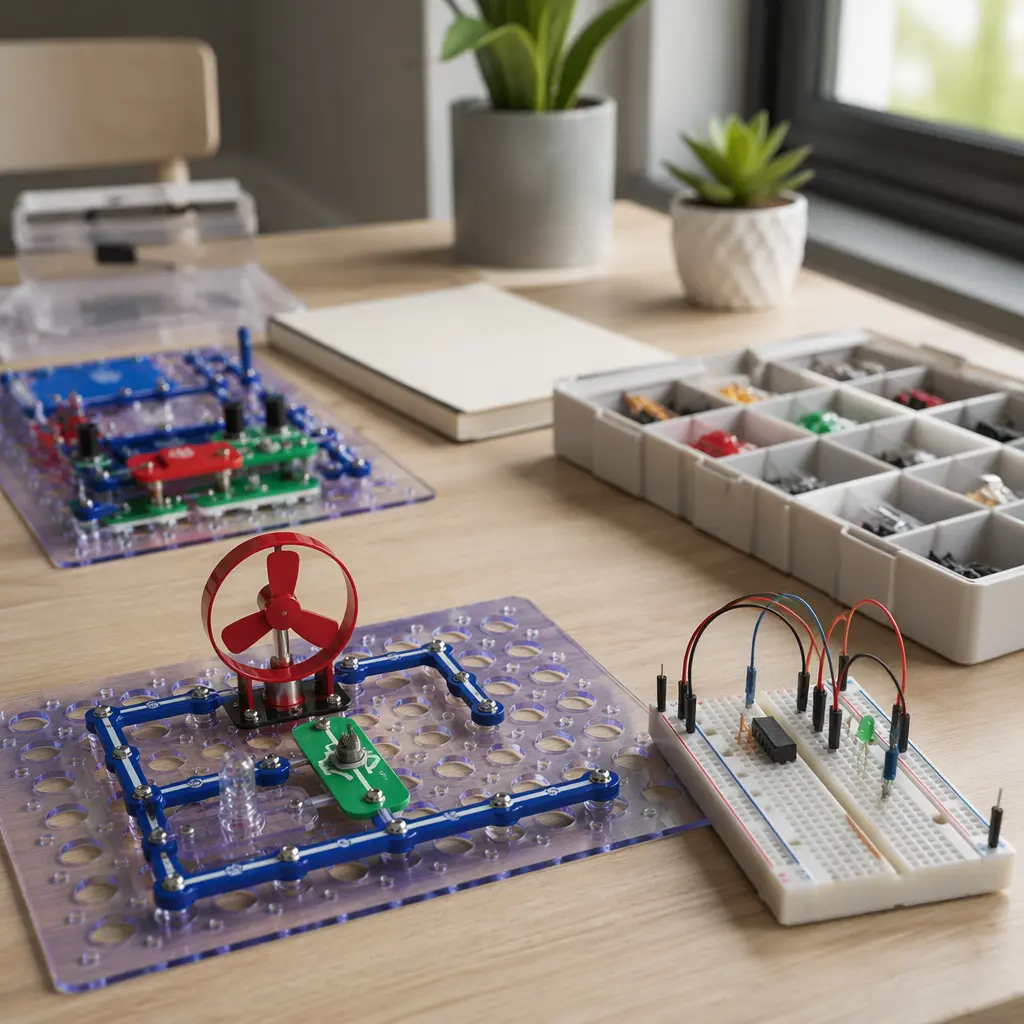
- Snap-together circuit kits: These use color-coded or shaped pieces that only connect the correct way, making it easy to see how power flows.
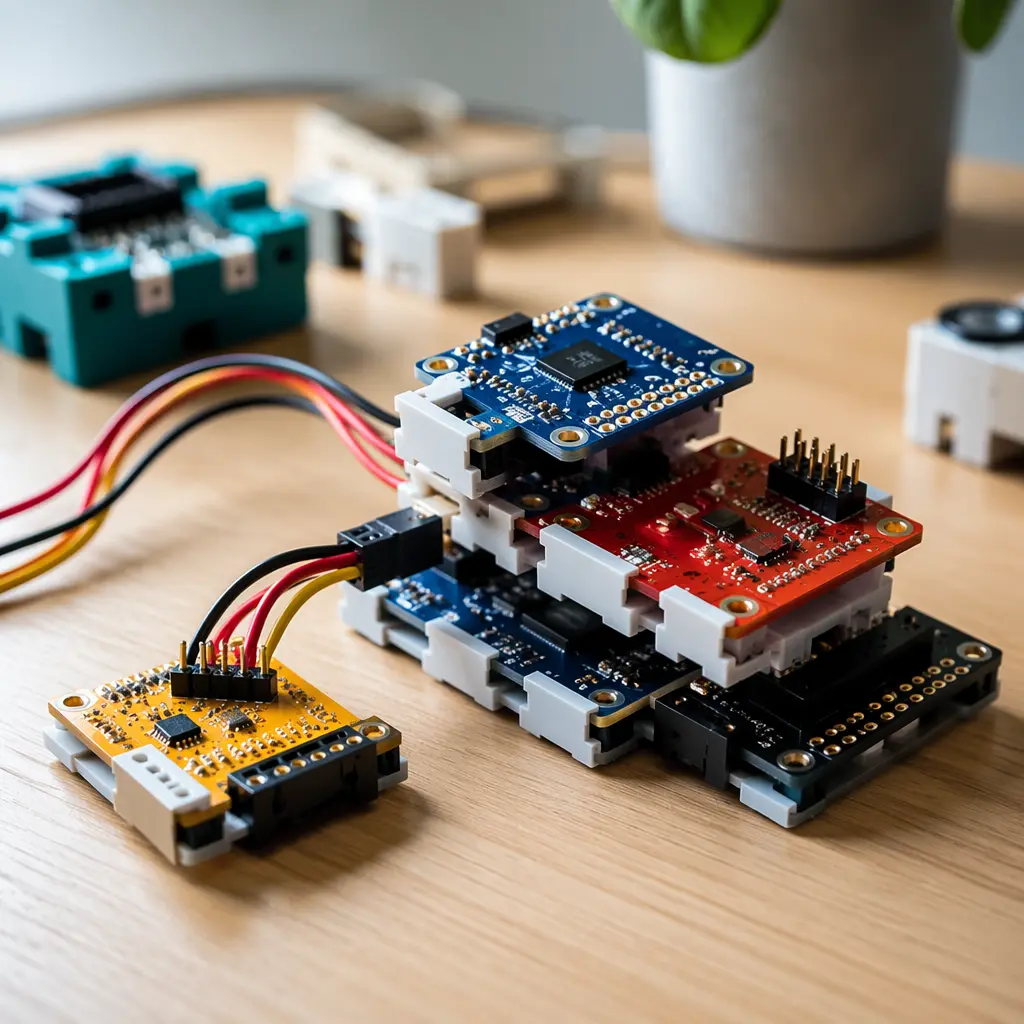
- Build-your-own gadgets: Radios, alarms, or simple robots assembled from modules show how components work together toward a goal.
- Sensor and reaction kits: Light, sound, or motion sensors that trigger buzzers or LEDs help kids connect environmental input to output.
- Intro solderless boards: Breadboard-style systems allow experimenting with layouts without permanent connections.
- Electronic puzzle games: Logic-based challenges where completing a circuit correctly unlocks the next step.
All of these types can work fully offline. The key difference is how much freedom they allow. Structured kits suit kids who like clear goals, while open systems appeal to tinkerers who want to test “what happens if” ideas.
Frequently asked questions
Do offline electronic toys still teach real tech skills?
Yes. Understanding circuits, inputs, and outputs is foundational. Offline toys emphasize physical understanding—how electricity flows and how components interact—which transfers well to later digital or coding-based learning.
Will my child get bored without an app or screen?
It depends on the design. Toys with multiple challenges, expansion options, or open-ended building tend to hold interest longer than single-project kits. Immediate physical feedback often keeps kids engaged.
Are batteries better than plug-in power?
For this age group, battery-powered toys are usually safer and more flexible. They also make cause and effect easier to see, since power is limited and predictable.
How much adult help is usually needed?
Most beginner kits are designed for independent play after an initial overview. Younger or less experienced kids may need help reading diagrams or troubleshooting early builds.
Can these toys be used in classrooms or group settings?
Many offline electronic toys work well in small groups because they don’t rely on shared devices or internet access. Clear instructions and durable parts are especially important for group use.
Offline beginner electronic toys give kids a tangible way to explore how technology works, one connection at a time. By focusing on cause and effect without apps or Wi‑Fi, they support curiosity, problem-solving, and hands-on confidence—skills that matter well beyond the toy box.