AI Toys Grandparents Can Set Up Without Apps
A practical guide to AI and connected toys for ages 3–5 that avoid complicated setup, rely on physical controls and still offer useful play when Wi‑Fi or apps are not involved.
Compare prices and availability
Check current prices and availability for this guide on eBay.
As an eBay Partner, we may be compensated if you make a purchase.
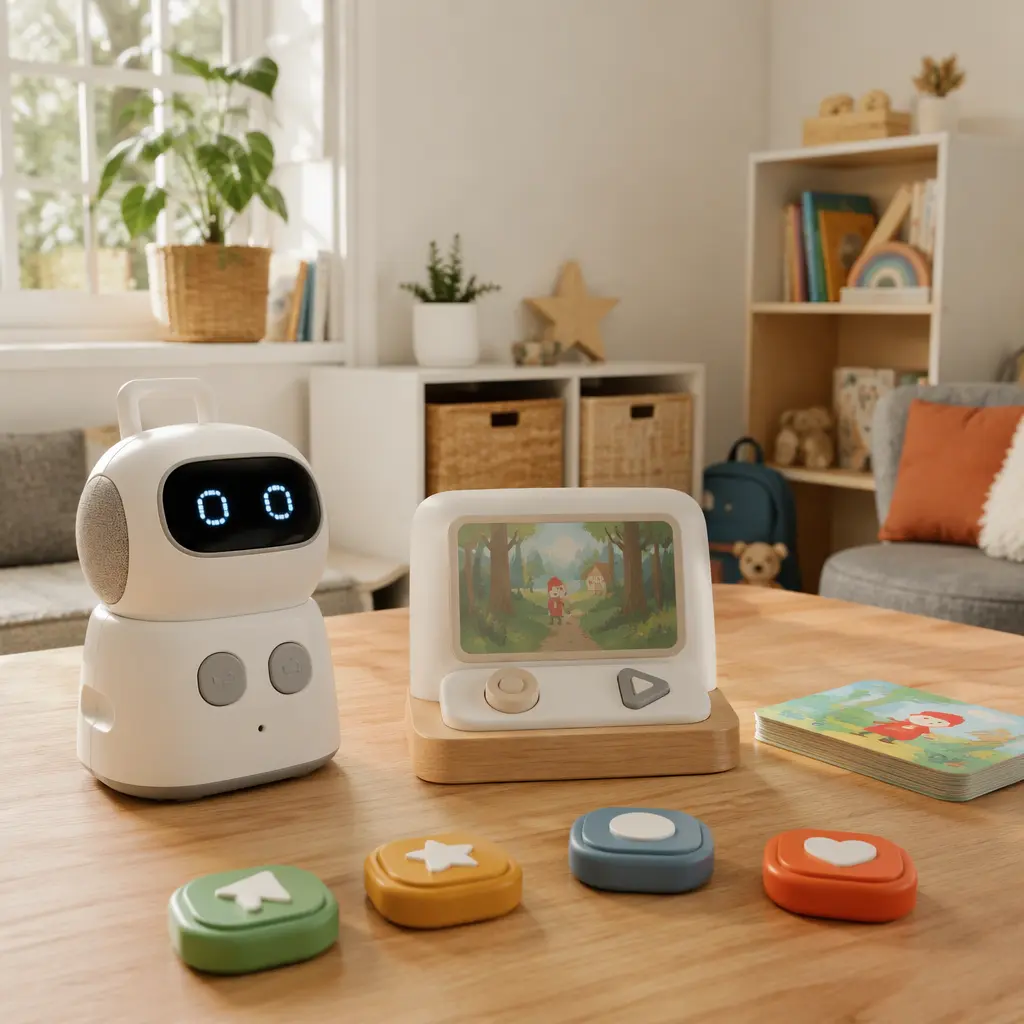
Many AI and connected toys for preschoolers assume a parent is comfortable with apps, accounts, Bluetooth pairing and regular software updates. That can become frustrating for grandparents or other caregivers who want a toy that works quickly, uses clear physical controls and still entertains children when the internet is unavailable. For children aged 3 to 5, simpler connected toys often work better than highly app-dependent devices. The most practical choices combine easy onboarding with offline stories, songs, games or conversation features that still feel engaging without constant phone use. When comparing options, it helps to separate true AI-powered toys from toys that only use pre-recorded responses, motion sensors or simple voice triggers. A toy does not need advanced AI to be useful, especially if reliability and ease of use matter more than novelty.
What to look for
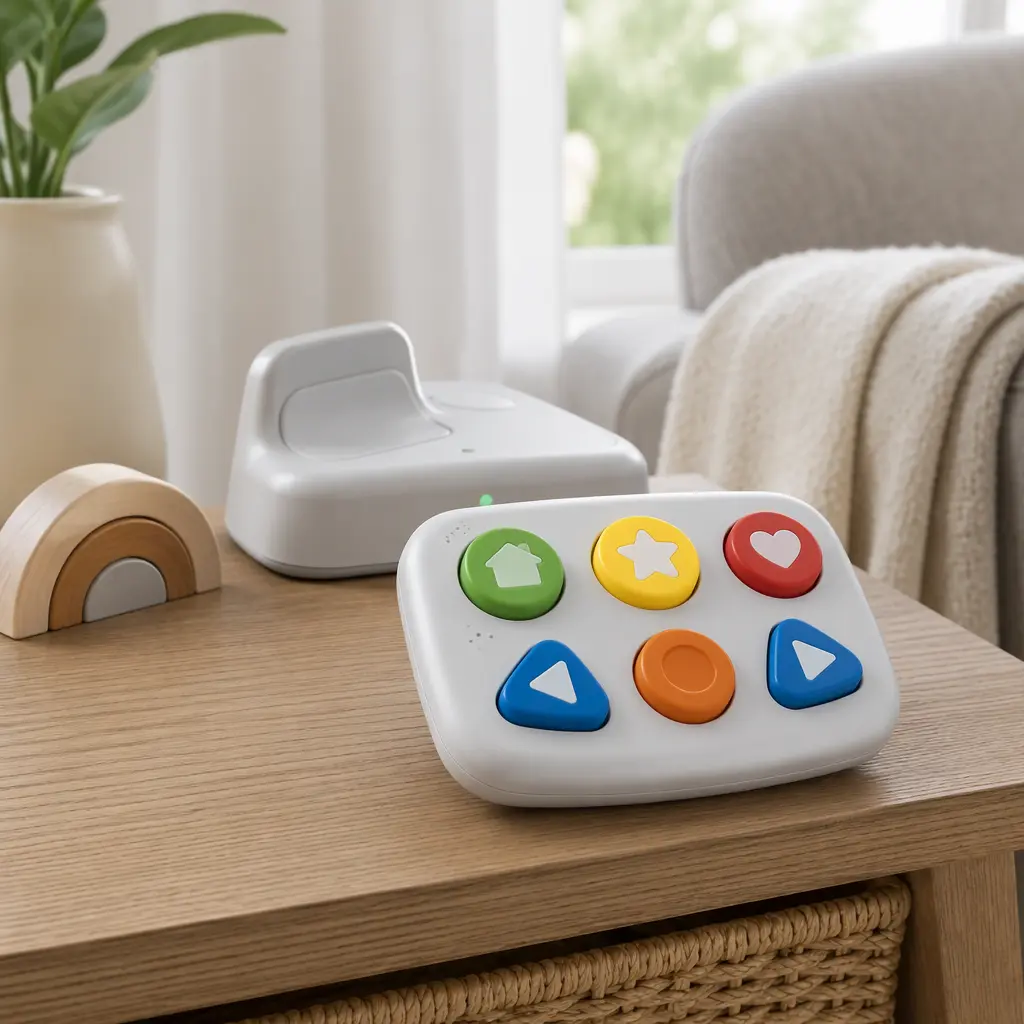
The easiest AI toys for less tech-confident households reduce setup steps and continue working even if Wi‑Fi drops or passwords change. Preschoolers also benefit from toys with tactile controls they can operate independently. Some connected toys require a smartphone only during initial setup, while others depend on an app every time new content is added or settings are changed. Before buying, check whether the toy can still tell stories, play games or respond to prompts offline. It is also worth checking how the toy handles microphones and recordings, since many AI toys process voice input through cloud services rather than entirely on the device.
- Prefer toys with physical buttons, dials or cards instead of touch-heavy companion apps
- Look for setup that uses standard Wi‑Fi pairing or works mostly offline after initial configuration
- Check whether stories, songs or activities remain available without subscriptions or credits
- Consider rechargeable designs with simple charging docks rather than proprietary cables
- Choose durable plastic or fabric finishes that tolerate drops and sticky hands
- Review microphone and camera features carefully, especially for toys that store recordings in the cloud
- Look for parental controls that can be adjusted without navigating complex menus
- Avoid toys that require frequent firmware updates or multiple linked accounts to function properly
Age suitability
For ages 3 to 5, connected toys work best when interaction is short, predictable and physically guided. Preschoolers usually enjoy conversational play, music, storytelling and simple question-and-answer games more than open-ended AI chat systems. Toys with expressive lights, large controls and repeatable routines tend to hold attention without becoming overstimulating. Story players such as Toniebox or Yoto Player are not fully AI-driven, but they are often easier for grandparents to manage because children can start playback independently using figurines or cards. More advanced AI companions may suit older children better if reading, typing or complicated voice prompts are required. Families should also consider attention span and supervision needs. Toys with microphones can encourage repeated talking or emotional attachment, which some households may welcome and others may prefer to limit.
Options compared
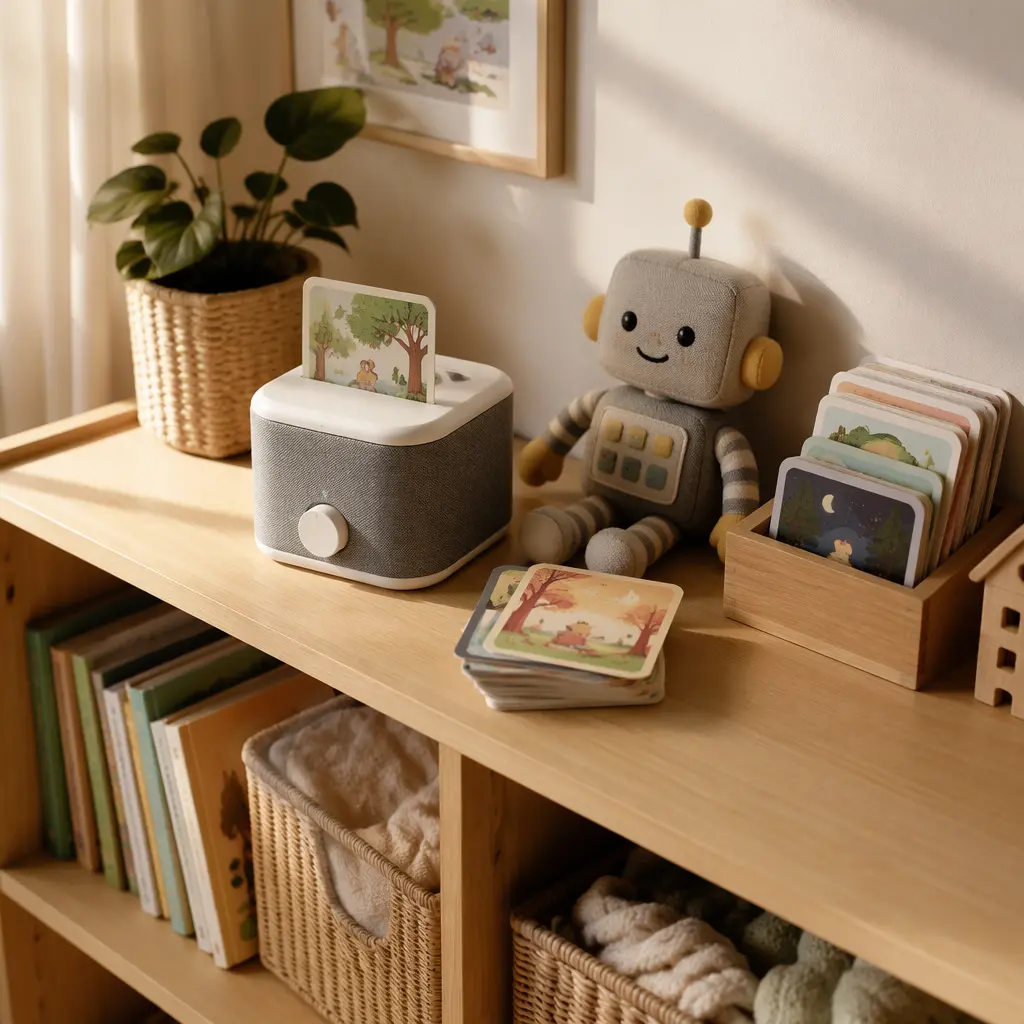
The simplest category is the offline-first audio player with optional connected features. Products like Toniebox and Yoto Player are popular because they rely on physical objects or cards rather than menus. They are not advanced AI systems, but they often fit the needs of grandparents better than conversational smart toys. Children can independently start stories or music, and many functions continue without active internet access once content is downloaded. These toys also avoid always-listening microphones in everyday use.
AI companion toys and interactive robots add more dynamic responses but usually involve greater complexity. Some use cloud-based speech processing to answer questions, tell stories or play educational games. These features can feel impressive, yet they also introduce app dependence, privacy considerations and support-life concerns if servers are discontinued later. Preschool-friendly robot toys with simple directional controls and scripted responses may actually be easier for grandparents than heavily AI-focused products. Families looking for low-maintenance play may prefer toys that combine limited smart features with strong offline activities such as dancing, songs, storytelling or sensory interaction.
- Offline audio players suit families wanting simple routines, quiet independent play and minimal setup complexity
- Interactive robots with buttons and preset games suit active preschoolers who enjoy movement and repetition
- Voice-assistant-style toys can feel conversational but may require stronger supervision, stable internet and account management
- Screen-free connected toys are usually easier to store, less distracting and simpler for grandparents to troubleshoot
- Subscription-based toys may become expensive over time if core content is locked behind monthly access
- Toys with cameras or continuous listening features may not suit privacy-conscious households
Frequently asked questions
Do AI toys need Wi‑Fi all the time?
Not always. Some toys only require Wi‑Fi during setup or when downloading new content. Others rely on cloud processing for every interaction. For grandparents or travel use, toys with offline stories, songs or games are usually less frustrating.
Are app-free toys completely screen-free?
Usually, but not always. Some toys avoid child-facing screens while still needing a parent phone for updates or content management. A fully screen-free experience generally means the child can operate the toy independently using buttons, cards or figures.
What makes a toy genuinely AI-powered?
A true AI toy typically generates flexible responses using speech recognition or cloud-based language systems instead of relying only on prerecorded phrases. Many toys marketed as AI are actually using simpler scripted interactions, which may still be perfectly suitable for preschoolers.
Are subscriptions necessary?
Some connected toys include enough built-in content for long-term use without extra payments, while others reserve major features for subscriptions or paid content packs. Checking what works out of the box is important before buying for a less tech-confident household.
Which toy type is easiest for grandparents?
For most families, audio players with physical controls are the easiest option because they avoid complicated menus and repeated pairing steps. Simple interactive robots with rechargeable batteries and onboard games are often the next easiest category.
The best connected toy for grandparents is usually not the most advanced one. Preschoolers often respond better to toys that are predictable, durable and easy to operate independently. Choosing a toy with straightforward controls, useful offline play and limited account management can reduce frustration for caregivers while still giving children engaging interactive experiences.