Loona vs Moflin for Families Wanting a Calm Robot Pet
A parent-focused comparison of Loona and Moflin covering noise, emotional interaction, upkeep, app dependence and daily home life for families considering a calmer robot pet.
Compare prices and availability
Check current prices and availability for this guide on eBay.
As an eBay Partner, we may be compensated if you make a purchase.
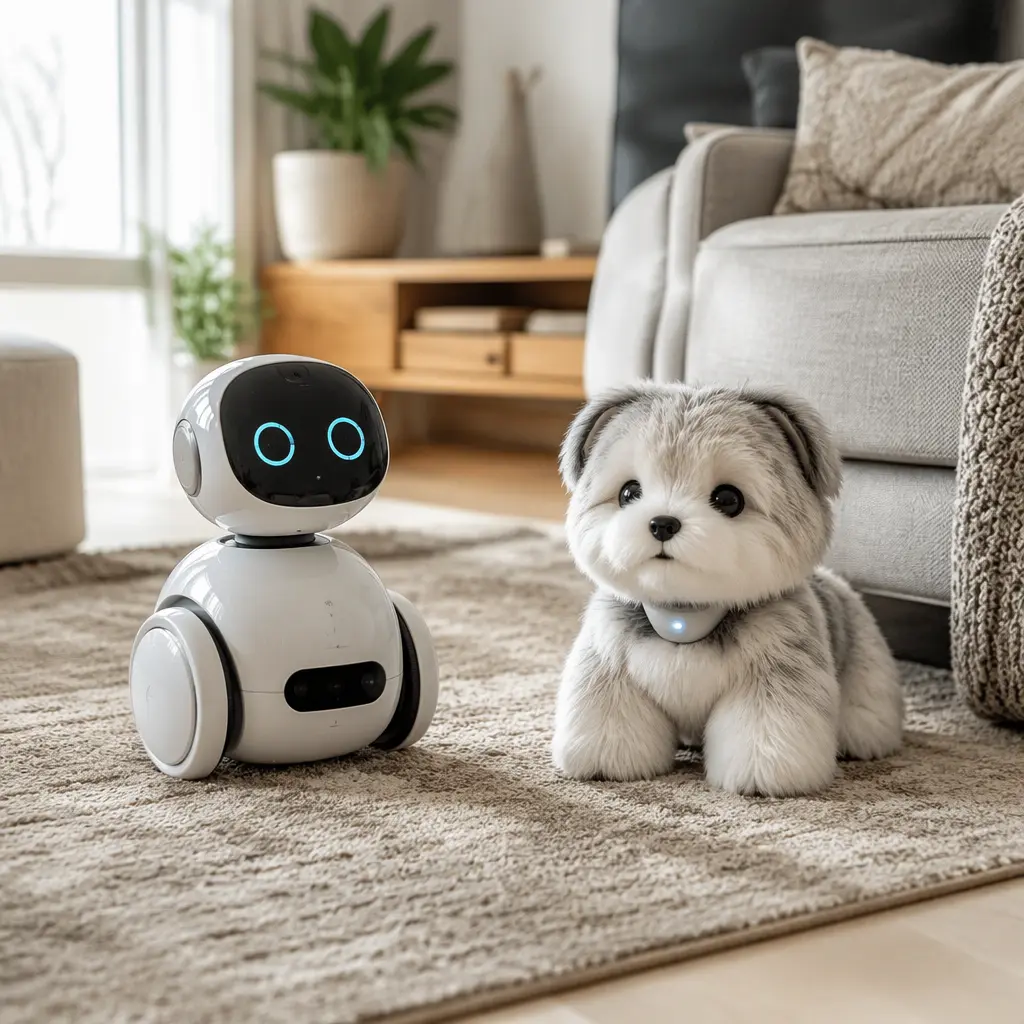
Families looking at robot pets often want something gentler and lower-pressure than a real animal, but not every electronic companion fits the same home. Loona and Moflin approach the idea very differently. Loona is designed more like an interactive smart robot with movement, games and expressive reactions, while Moflin focuses on quiet emotional companionship with softer behaviour and less active play. For children around 6 to 8 years old, the right choice usually depends less on features alone and more on how much stimulation, maintenance and connected technology a family is comfortable with day to day.
What to look for
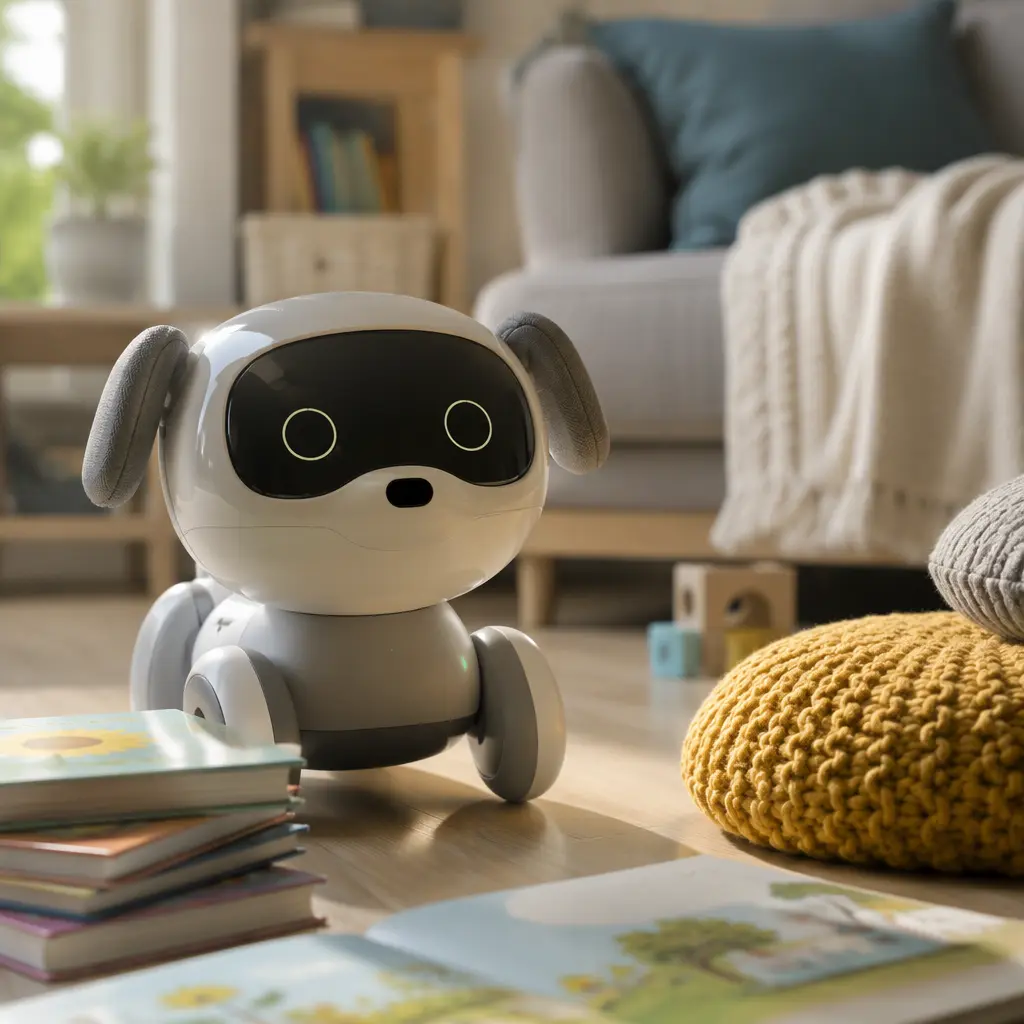
Connected robot pets can vary widely in how active they feel in the home. Some behave more like animated gadgets, while others aim for quieter emotional interaction. Before choosing between Loona and Moflin, it helps to think about how the toy will fit into ordinary routines such as homework time, evenings and shared family spaces. Since both products use apps and connected features, parents should also consider privacy settings, account requirements and how useful the toy remains if servers, apps or subscriptions change over time.
- Noise level and movement: Active robots with wheels, sound effects and voice interaction can feel exciting for some children but distracting in smaller homes or shared spaces.
- Daily attention required: Some robot pets encourage frequent interaction, charging and app engagement, while others are designed for calmer companionship with fewer active tasks.
- Emotional style: Children who enjoy nurturing play may prefer softer, quieter responses, while children who like gadgets and interactive tricks may prefer more expressive robots.
- App and cloud dependence: Check whether features rely on Wi‑Fi, accounts or mobile apps, and whether core play still works offline.
- Durability and storage: Moving robots with motors and sensors may need more careful handling than plush-style companions.
- Family tolerance for screen-connected toys: AI-driven products sometimes collect voice, usage or interaction data according to manufacturer policies, so reviewing privacy settings matters before setup.
Age suitability
For ages 6 to 8, both robot pets can work best when an adult helps with setup, charging and expectations. Loona generally suits children who already enjoy tech toys, coding-style interactions or expressive robots that move around independently. It may feel too stimulating for children who are sensitive to sound or easily distracted by moving electronics. Moflin tends to suit children who enjoy quiet comfort objects, gentle routines and imaginative caregiving. Its softer style can also appeal to adults or older siblings looking for a low-energy companion device in shared living spaces. Neither option fully replaces traditional open-ended toys, outdoor play or real pet responsibilities, but they can offer a different kind of interactive experience.
Options compared
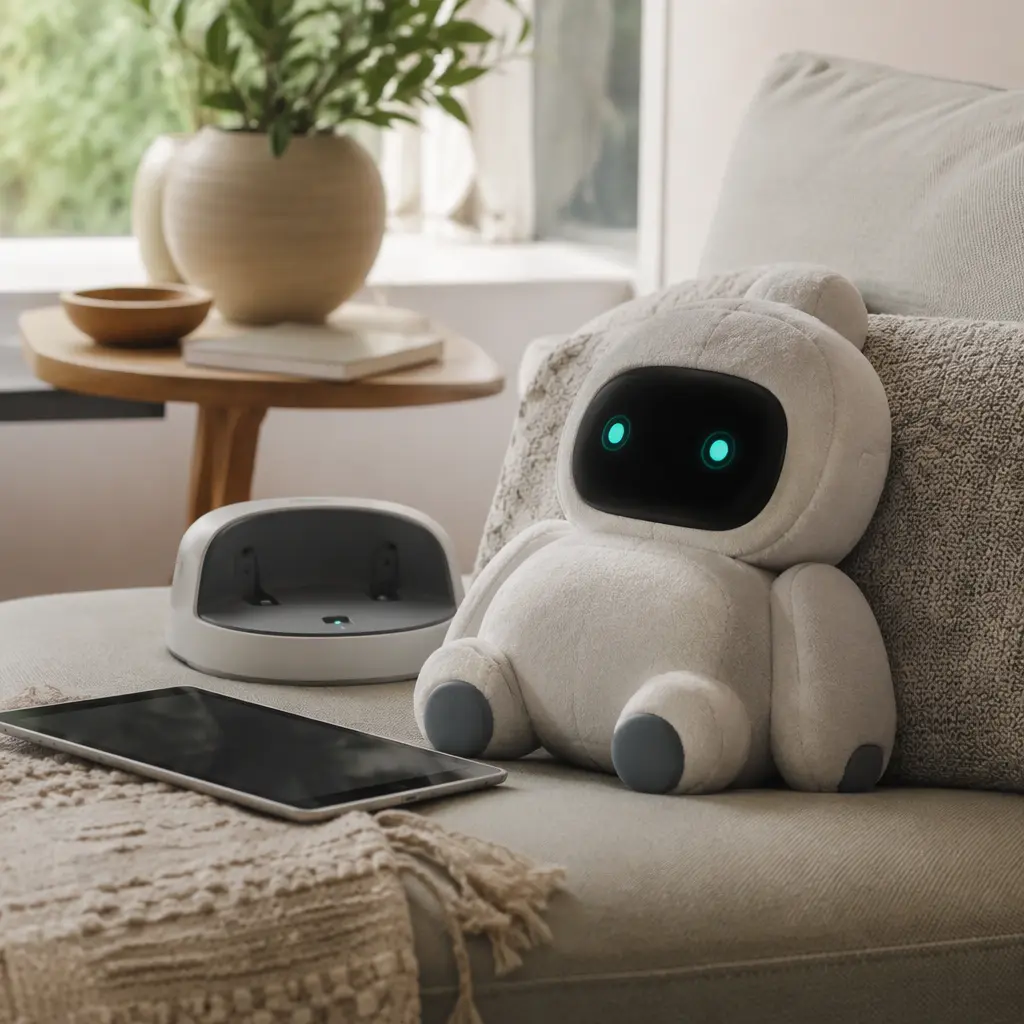
Loona is closer to a small entertainment robot than a traditional comfort toy. Manufacturer materials describe interactive AI-style responses, facial expression displays, movement and smart features that react to people and surroundings. For families, that usually means a livelier presence in the home. Children who like responsive gadgets may enjoy teaching tricks, interacting through apps or watching the robot move independently. The trade-off is that active robots can feel demanding. Motor sounds, charging schedules, software updates and app troubleshooting may become part of ownership. In smaller homes, constant movement or sound effects may become tiring more quickly than expected.
Moflin takes a calmer approach. Instead of focusing on movement-heavy interaction, it is presented more as an emotional companion with evolving behaviour patterns. Its quieter style may suit families who want a soothing desk or bedtime companion rather than a roaming robot. Because it behaves more like a comfort object, it may fit better into quieter routines such as reading time or winding down in the evening. The trade-off is that children expecting games, tricks or highly active responses may find it less exciting after the novelty stage. Families looking for high-energy entertainment may see it as limited compared with a more feature-rich robot.
- Choose Loona if your child enjoys interactive gadgets, expressive movement and technology-focused play, and your household is comfortable with a more noticeable electronic presence.
- Choose Moflin if your family prefers quieter companionship, softer sensory experiences and lower-energy interaction in shared living spaces.
- Avoid either option if you want fully screen-free play. Both rely to some degree on apps, charging and connected technology.
- Loona may be less suitable in noise-sensitive homes or where floor clutter could interfere with movement.
- Moflin may feel too passive for children who expect a toy to actively perform tricks or games regularly.
- Families concerned about long-term support should remember that connected toys may change features over time depending on app updates, cloud services and regional support availability.
Frequently asked questions
Are Loona and Moflin true AI toys?
Both are marketed with AI-related language, but they use different levels of smart interaction. Loona appears closer to a connected smart robot with sensors, app features and reactive behaviours. Moflin focuses more on emotional responses and adaptive companionship. Neither should be viewed as human-like intelligence, and many behaviours are still based on programmed responses and cloud-supported systems.
Which robot pet is quieter?
Moflin is generally positioned as the calmer and quieter experience because it does not focus heavily on wheeled movement or energetic interactions. Loona's movement systems, sound effects and active behaviour may create more noticeable noise during regular use.
Do children lose interest quickly?
That depends on expectations. Children interested mainly in novelty may move on quickly from either toy. Loona may keep technology-focused children engaged longer through interaction variety, while Moflin may work better as an ongoing comfort companion rather than an activity toy.
Can these toys work without constant internet access?
Some core functions may still operate locally, but connected features often depend on apps, updates or cloud services. Families should check current manufacturer information about offline functionality, supported regions and device compatibility before purchasing.
Are robot pets a good substitute for real pets?
Robot pets can offer companionship and routine without the cleaning, allergies or long-term commitment of live animals, but they do not teach every aspect of real pet care. They are usually best treated as interactive electronic toys rather than replacements for animal ownership.
For families choosing between Loona and Moflin, the key difference is how much presence you want the toy to have in daily life. Loona offers more visible interaction and gadget-style entertainment, while Moflin aims for quieter emotional comfort. Thinking about noise tolerance, screen-connected features and how much stimulation works well in your home will usually lead to the better choice more reliably than feature lists alone.