Best UK AI Toys With No Camera for Shared Bedrooms
A parent-focused guide to AI and connected toys without cameras for shared bedrooms, covering privacy, nighttime use, offline features, subscriptions, and age suitability for ages 6–8.
Compare prices and availability
Check current prices and availability for this guide on eBay.
As an eBay Partner, we may be compensated if you make a purchase.
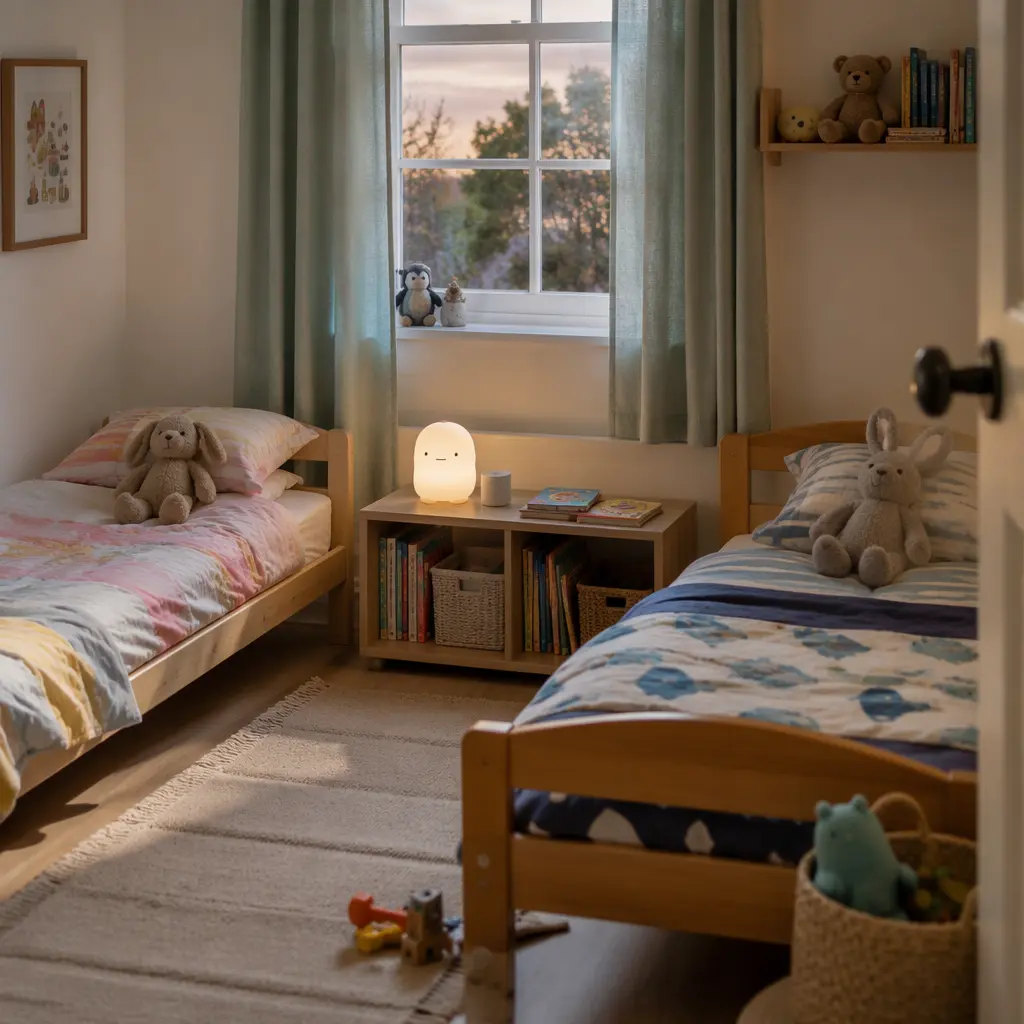
For families sharing bedrooms, connected toys can raise different concerns from ordinary electronic toys. A microphone or app connection may already feel like enough technology in a sleeping space, and many parents prefer to avoid toys with cameras entirely. Camera-free AI toys are now easier to find in the UK, especially among storytelling devices, voice companions and programmable robots designed for younger children. The main question is whether the connected features still add enough value without visual tracking. For children aged 6–8, the strongest options tend to focus on conversation, audio games, storytelling, music, coding prompts or simple voice interaction rather than facial recognition or augmented reality features. The trade-offs are usually around privacy controls, cloud dependence, subscription costs and how useful the toy remains when Wi‑Fi is unavailable.
What to look for
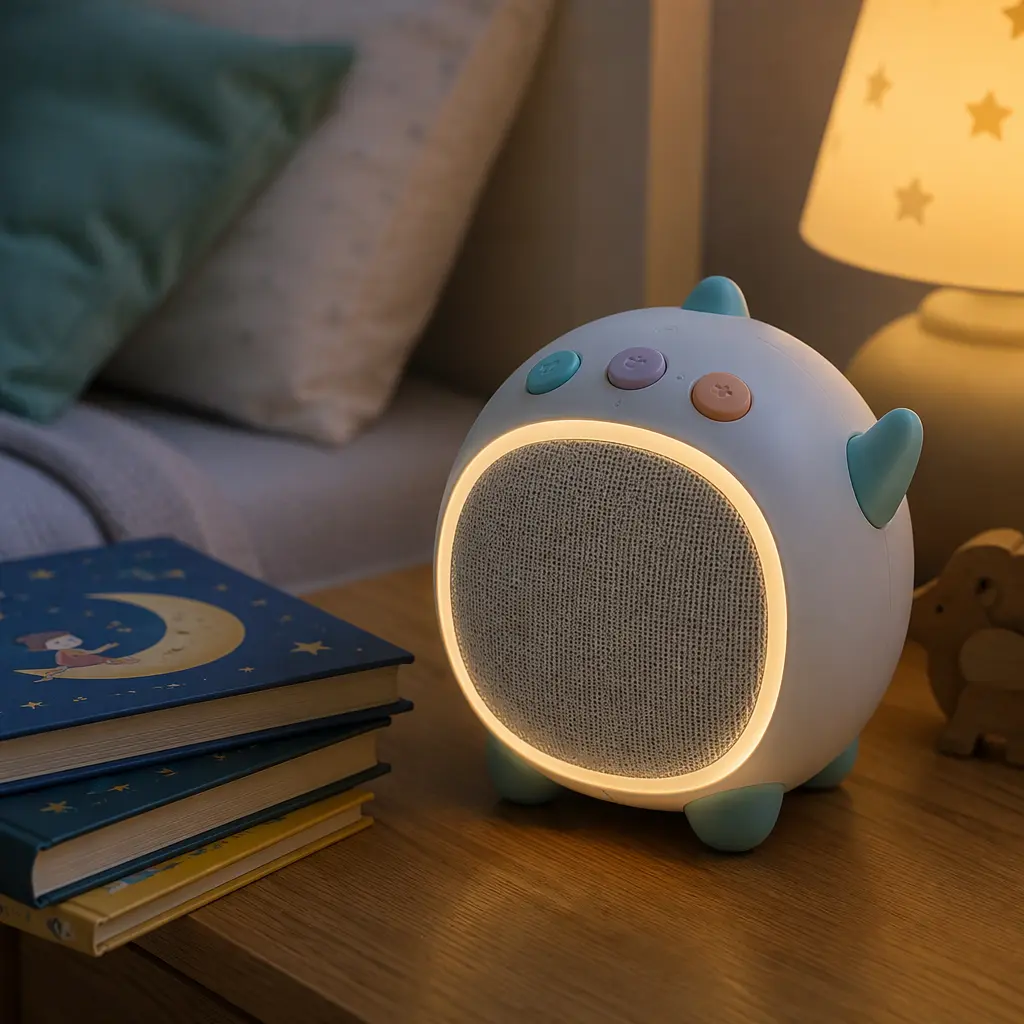
The safest buying approach is to separate genuinely AI-powered toys from ordinary electronic toys marketed with AI language. Some products simply respond to button presses or pre-recorded phrases, while others use cloud-based speech processing to answer questions, tell stories or adapt interactions over time. For shared bedrooms, parents often prefer toys that work mainly through audio and physical controls rather than always-listening systems with cameras or open-ended internet access. It also helps to think about practical bedroom issues such as overnight notifications, charging lights, storage space and sibling disruption.
- Check whether the toy includes microphones only, or also hidden cameras or visual tracking sensors.
- Look for physical mute switches or microphone-off buttons that are easy for parents to verify.
- See whether key features still work offline, especially stories, music or coding games.
- Check if the companion app is required every day or only during setup.
- Consider whether cloud accounts, subscriptions or monthly credits are needed for AI features.
- Choose lower-volume toys or models with headphone support for shared sleeping spaces.
- Look for automatic sleep modes, dimmable lights or bedtime-friendly settings.
- Confirm UK app availability and ongoing software support before buying imported devices.
Age suitability
Children aged 6–8 usually get the most from AI toys when the interaction feels purposeful rather than novelty-driven. Audio storytelling devices, conversational companions and beginner coding robots can suit this age well because children are developing reading confidence, independent play habits and curiosity about technology. Simpler smart speakers aimed at adults may not hold attention long enough without child-focused activities. At the same time, more advanced AI chat devices can create moderation concerns if they provide unrestricted internet-style responses. Parents of younger or sensitive sleepers may prefer toys that can fully power down overnight rather than remaining on standby. Shared bedrooms also favour toys with predictable sounds instead of sudden alerts, animated reactions or loud startup effects.
Options compared
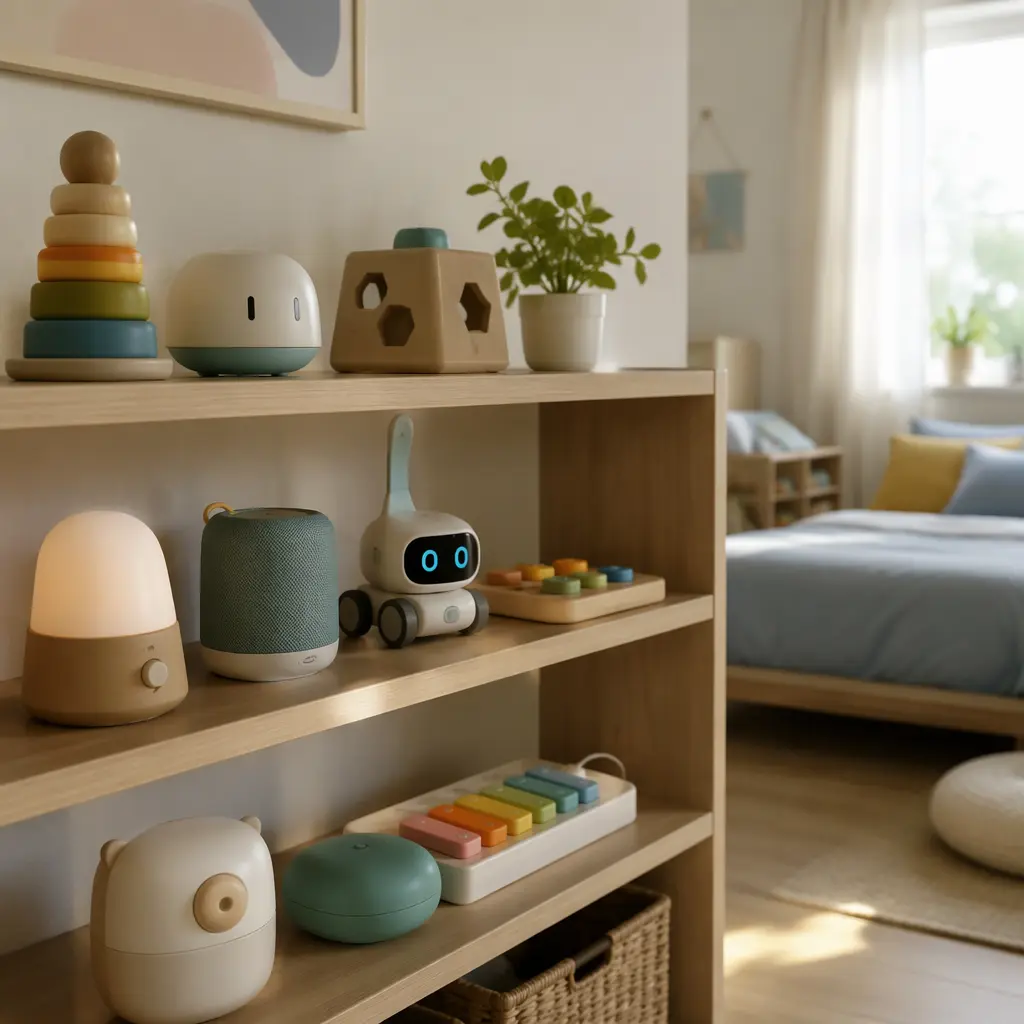
Audio-first AI toys are usually the strongest fit for shared bedrooms. Storytelling speakers and conversational companions often avoid the privacy concerns linked to cameras while still giving children interactive play. Products in this category may answer questions, generate stories, play educational games or guide calming bedtime routines. Their biggest advantage is low physical clutter and relatively quiet use. However, many rely heavily on cloud processing, meaning reduced functionality during internet outages. Some also require parent-managed subscriptions after an introductory period.
Coding and programmable robots are another strong option for ages 6–8, particularly for daytime use outside sleeping hours. Many use microphones sparingly or not at all, focusing instead on simple AI-style interactions, movement patterns and beginner coding challenges. These toys generally offer more hands-on learning than conversational companions, but they can create more floor clutter and mechanical noise. Families in smaller homes may prefer compact tabletop robots over larger roaming models. Traditional smart speakers with child-focused content can also overlap with AI toy functions, although they are less toy-like and often depend entirely on app ecosystems and parental account management.
- Storytelling AI speakers: Best for quiet evening use, independent listening and limited bedroom clutter. Less suitable for families avoiding cloud-connected microphones entirely.
- Conversational companion toys: Good for children who enjoy interactive chat and imaginative play. Parents should check moderation settings and data policies carefully.
- Coding robots: Better for educational daytime play and sibling collaboration. Often noisier and less practical for bedtime use.
- Smart speakers with kid content: Flexible for music and quizzes but less focused on toy-style play and may expose children to broader voice assistant ecosystems.
- Offline programmable toys: Strongest privacy option because many work without internet access, but they may feel less responsive or adaptive than true AI devices.
Frequently asked questions
Are microphone-only AI toys safer than toys with cameras?
Many parents consider microphone-only toys less intrusive because they do not capture images or track movement visually. However, voice data still raises privacy questions. The important difference is whether recordings are processed locally on the device or sent to cloud servers. Physical mute controls and transparent privacy settings matter more than marketing terms alone.
Do camera-free AI toys still feel interactive?
For children aged 6–8, many do. Storytelling, music games, quizzes and voice conversations can feel engaging without visual tracking. Camera-based features are more common in augmented reality products or robots designed to follow movement. In practice, many younger children focus more on personality, sound and responsive play than on visual recognition features.
Can these toys work without Wi‑Fi?
It depends on the toy category. Some coding robots and programmable devices work almost entirely offline after setup. Cloud-based conversational AI toys often lose advanced responses or story generation without internet access. Parents who travel frequently or limit home Wi‑Fi at night may prefer products with meaningful offline modes.
Are subscriptions common with AI toys?
Increasingly, yes. Some manufacturers include basic features free while placing expanded stories, educational content or AI conversations behind subscriptions or credit systems. Before buying, check whether the toy remains useful without ongoing payments and whether UK support and billing are clearly available.
What matters most for shared bedrooms?
Volume control, sleep-friendly lighting and predictable behaviour usually matter more than advanced AI features. Toys that suddenly speak, flash brightly or restart noisily can quickly become disruptive when siblings share a room. Compact storage and easy overnight charging also make a noticeable difference in smaller spaces.
For most families with children aged 6–8, the most practical camera-free AI toys are the ones that balance privacy controls with genuinely useful play. Quiet storytelling devices, beginner coding robots and limited-scope conversational toys generally fit shared bedrooms better than highly reactive smart gadgets designed to stay active all day. Checking offline usefulness, microphone controls and long-term app support is often more important than chasing the newest AI label.