Best Screen-Free Intro Electronics Toys for Kids
A buyer-focused guide to modern, screen-free electronics toys for ages 6–8. Learn what to look for, age fit, safety tips, and popular categories that teach cause-and-effect without apps.
Compare prices and availability
Check current prices and availability for this guide on eBay.
As an eBay Partner, we may be compensated if you make a purchase.
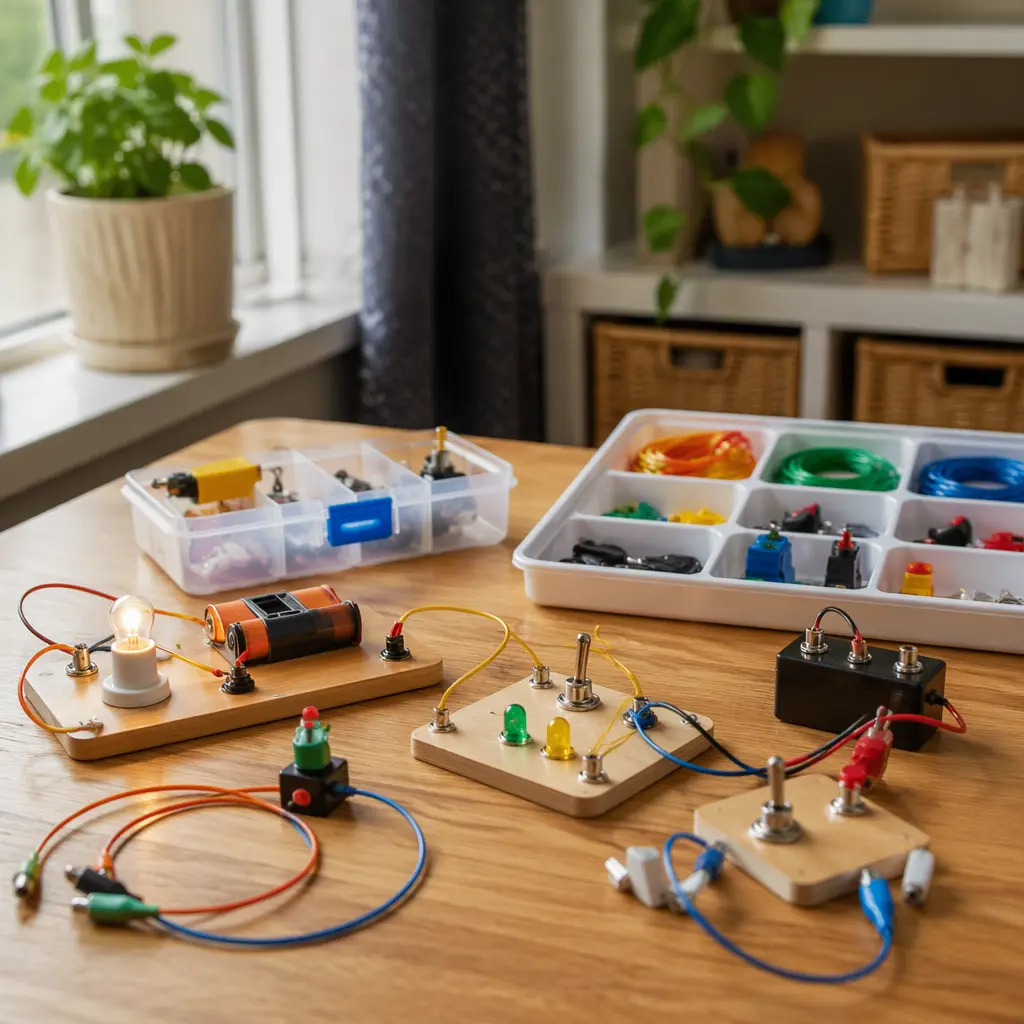
Screen-free electronics toys offer a hands-on way for kids ages 6–8 to explore how technology works without relying on apps or tablets. These toys focus on cause-and-effect learning: flip a switch, connect a wire, or press a button and something happens right away. For parents shopping for gifts or learning tools, they can be a practical middle ground between classic building toys and more advanced coding kits.
What to look for
Not all electronics toys are built the same. For this age group, the goal is to introduce basic concepts without overwhelming instructions or fragile parts. The best options balance simplicity with room to experiment.
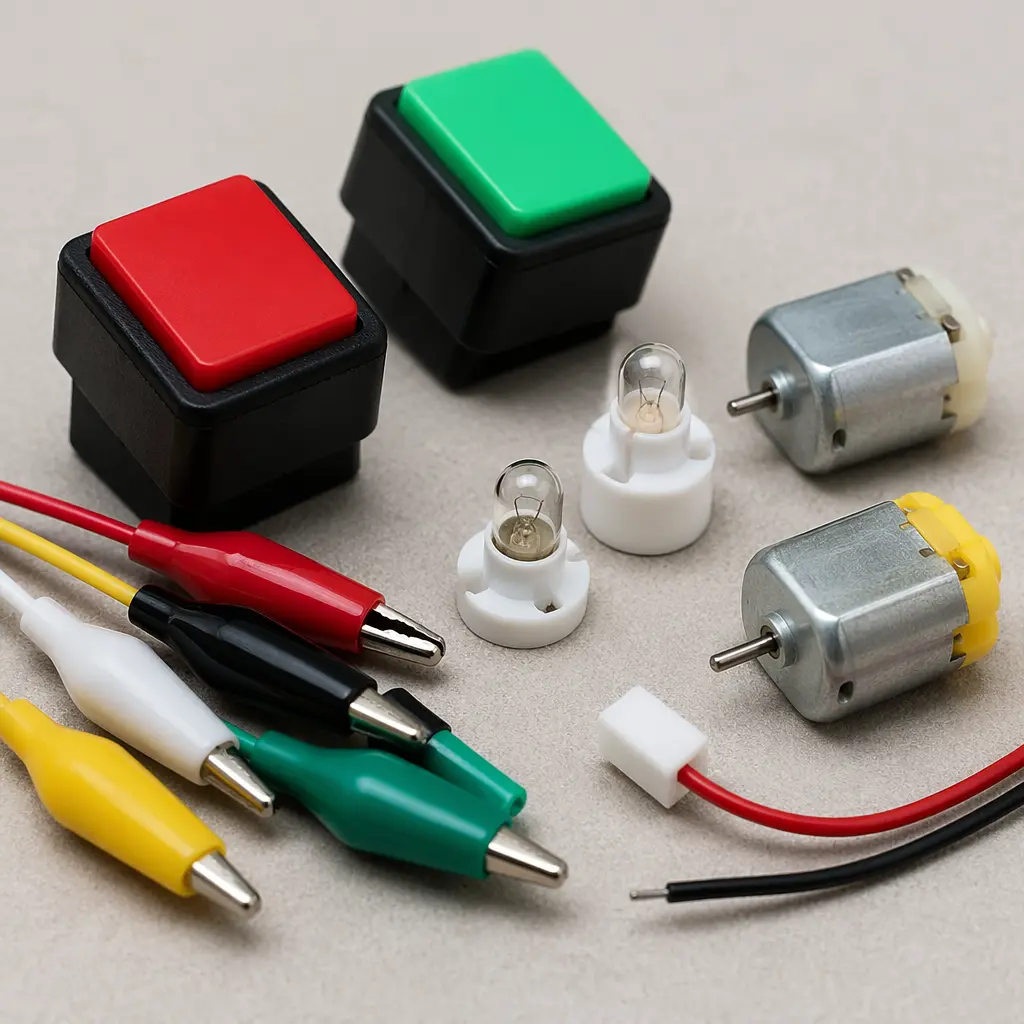
- Clear cause-and-effect: actions like connecting parts or pressing buttons should lead to immediate, visible results.
- Large, durable components that are easy for small hands to manipulate and hard to misplace.
- Open-ended play that allows kids to try different combinations rather than follow only one fixed outcome.
- Minimal reading required, with visual guides or symbols instead of long text.
- Battery safety features such as enclosed compartments and low-voltage designs.
Age suitability
For children ages 6–8, electronics toys should feel empowering, not frustrating. Kids in this range are usually ready to understand simple circuits, motors, lights, and sound modules, especially when the pieces snap together or connect with clips. Toys that skew too young may feel repetitive, while advanced kits can require abstract thinking or fine motor skills that are still developing. Checking the recommended age range is helpful, but it’s also worth considering your child’s patience level and interest in building or problem-solving.
Standout categories or types
Screen-free electronics toys generally fall into a few broad categories. Each type supports learning in a slightly different way, so the best choice depends on what you want your child to explore.
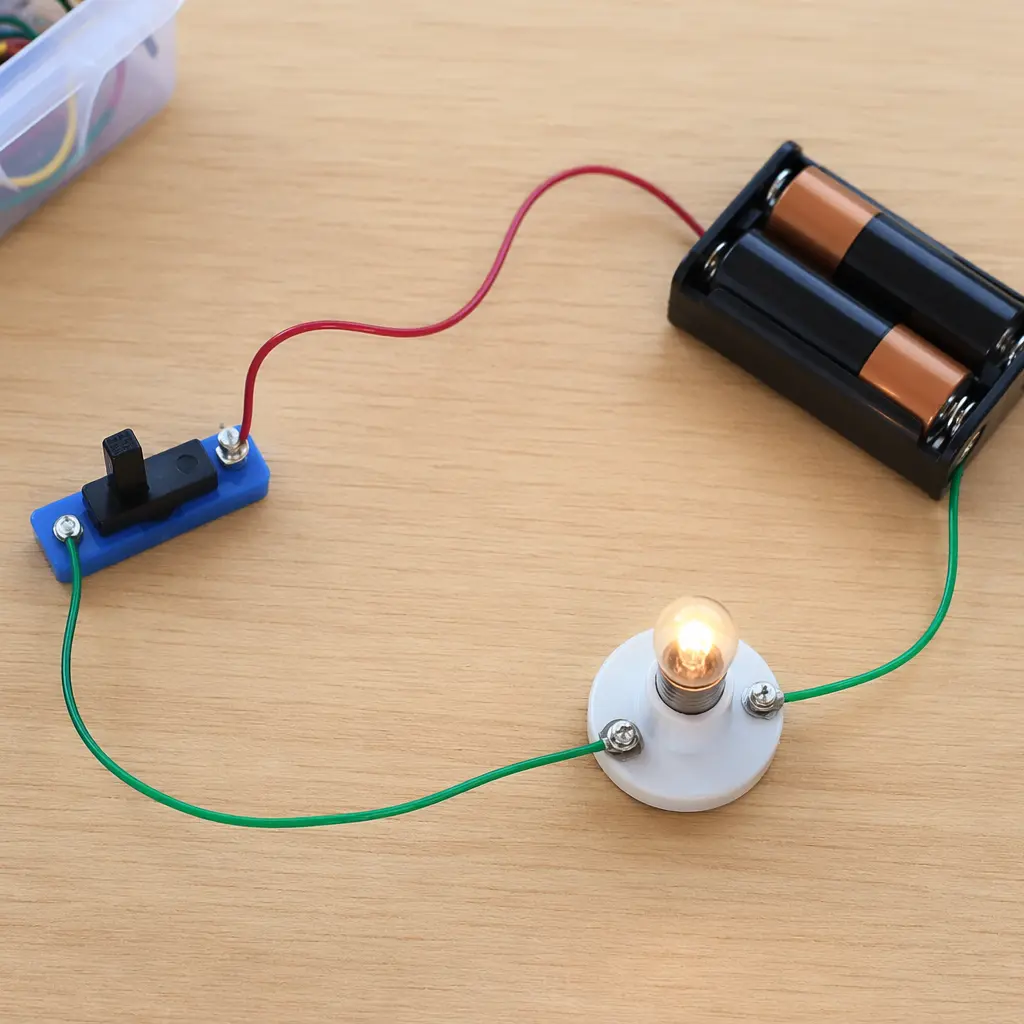
- Snap-together circuit kits that let kids build working lights, buzzers, or fans by connecting labeled pieces.
- Experiment boards with switches, dials, and sliders that demonstrate how changing inputs affects outputs.
- Build-and-power sets that combine basic construction with motors or lights for moving creations.
- Sound and signal kits that focus on speakers, alarms, or simple communication concepts.
Many families choose a kit that grows with the child, offering beginner builds alongside optional challenges. This can extend play value and encourage kids to revisit the toy as their confidence increases.
Frequently asked questions
Do screen-free electronics toys still teach STEM skills?
Yes. These toys often focus on foundational STEM concepts like energy flow, problem-solving, and logical thinking. By physically building and testing connections, kids learn principles that later support coding and engineering.
Will my child need help to use these toys?
Most kids can handle basic play on their own after an initial introduction. Early guidance helps them understand safety rules and basic setup, after which many children enjoy independent experimentation.
Are batteries required?
Many screen-free electronics toys use standard household batteries to power lights, sounds, or motors. Battery requirements vary, so it’s useful to check before gifting and to have spares on hand.
How long do kids typically play with these toys?
Playtime can range from short experiments to longer building sessions, depending on the toy’s complexity. Kits with multiple challenges or open-ended builds tend to hold interest longer over time.
Screen-free intro electronics toys can be a thoughtful choice for parents who want learning-focused play without added screen time. By choosing age-appropriate designs with clear cause-and-effect and durable parts, families can support curiosity and confidence as kids explore how everyday technology works.