Best UK AI Toys With No Monthly Subscription in 2026
A parent-focused guide to AI toys in the UK that avoid monthly fees. Compare offline play, cloud features, app dependence, privacy trade-offs and long-term value for ages 9–12.
Compare prices and availability
Check current prices and availability for this guide on eBay.
As an eBay Partner, we may be compensated if you make a purchase.
Many AI and connected toys aimed at ages 9–12 now include subscriptions, credit systems or app-based features that continue charging after the initial purchase. In some cases, the toy still works offline without extra costs. In others, the most heavily advertised features depend on cloud access, paid tokens or ongoing memberships. For parents comparing value, the important question is not just the upfront price but how much of the play experience remains usable after setup. Some toys use genuine AI services for conversation, image generation or adaptive learning, while others rely on simpler voice commands, sensors or pre-programmed responses marketed as AI. Understanding that difference can help avoid expensive surprises later.
What to look for
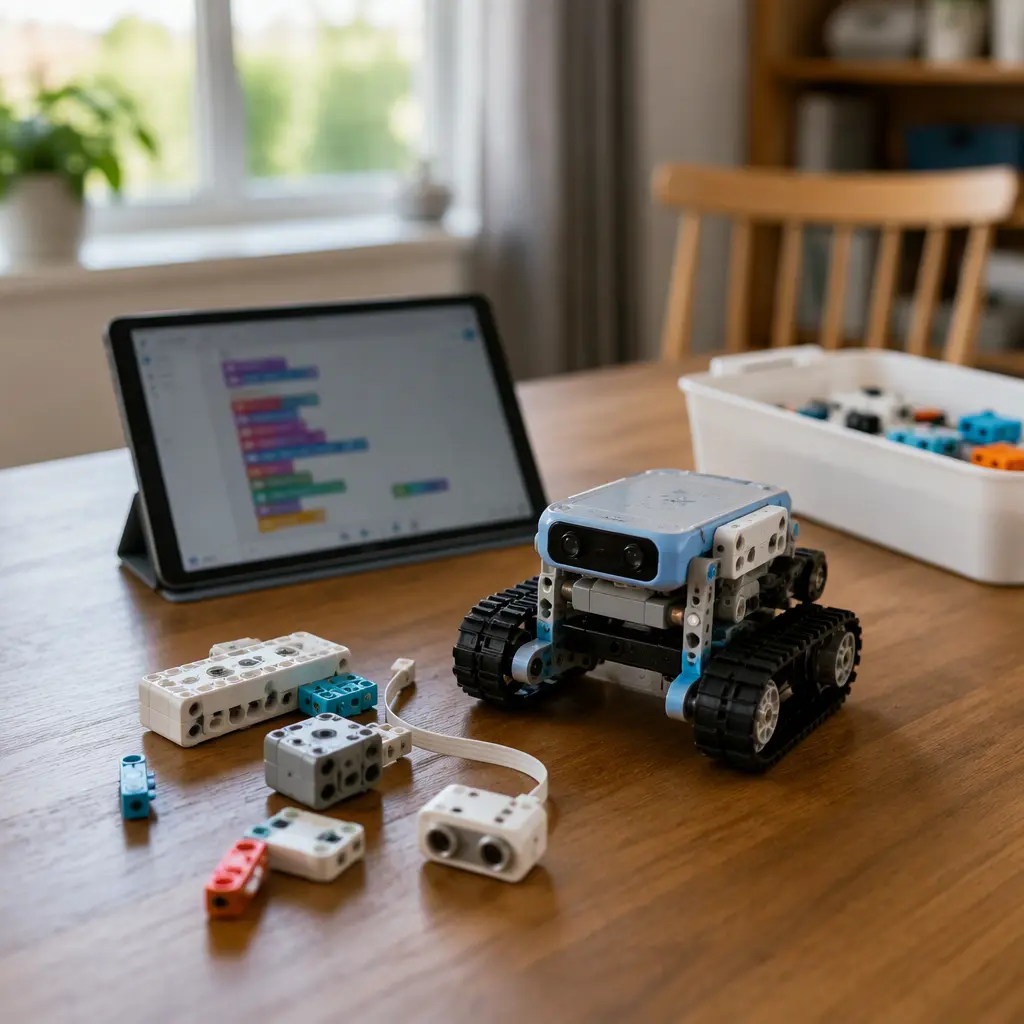
For older children, the strongest no-subscription AI toys usually combine physical play with coding, robotics or creative experimentation rather than endless chatbot-style interaction. Many products sold as AI toys actually use local processing or scripted responses, which can be an advantage because they keep more features available without cloud fees. Others connect to online AI services for speech, image generation or adaptive lessons, which may introduce account requirements, regional restrictions or paid credits later on.
- Check whether core features work without Wi‑Fi or a companion app. Some toys only retain basic movement or sounds when offline.
- Look for clear explanations of subscriptions, token systems or usage limits. Retailer listings sometimes emphasise the toy while downplaying ongoing costs.
- Confirm device compatibility before buying. Some connected toys require newer iOS or Android versions for setup or updates.
- Review microphone and camera features carefully. Toys with voice chat or image recognition may send recordings or data to cloud services.
- Consider support lifespan. Connected toys can lose functionality if servers close or apps stop receiving updates.
- For shared family spaces, check noise levels. Voice assistants, robotic pets and coding robots can become repetitive in smaller homes.
- Think about storage and charging. Larger robots and modular kits often need dedicated shelf or desk space between uses.
Age suitability
The 9–12 age range is wide enough that interests matter more than simple age labels. Children already interested in coding, electronics or engineering often get more long-term value from programmable robots and modular STEM kits because the challenge level can grow over time without relying on paid content. Children who mainly want conversation, entertainment or digital companionship may prefer AI chat-based toys or robotic pets, but these are also the products most likely to depend on cloud services and accounts. Parents looking for independent play should check how much setup and troubleshooting is required. Some toys advertised for tweens still expect adults to manage firmware updates, Wi‑Fi pairing or privacy settings.
Options compared
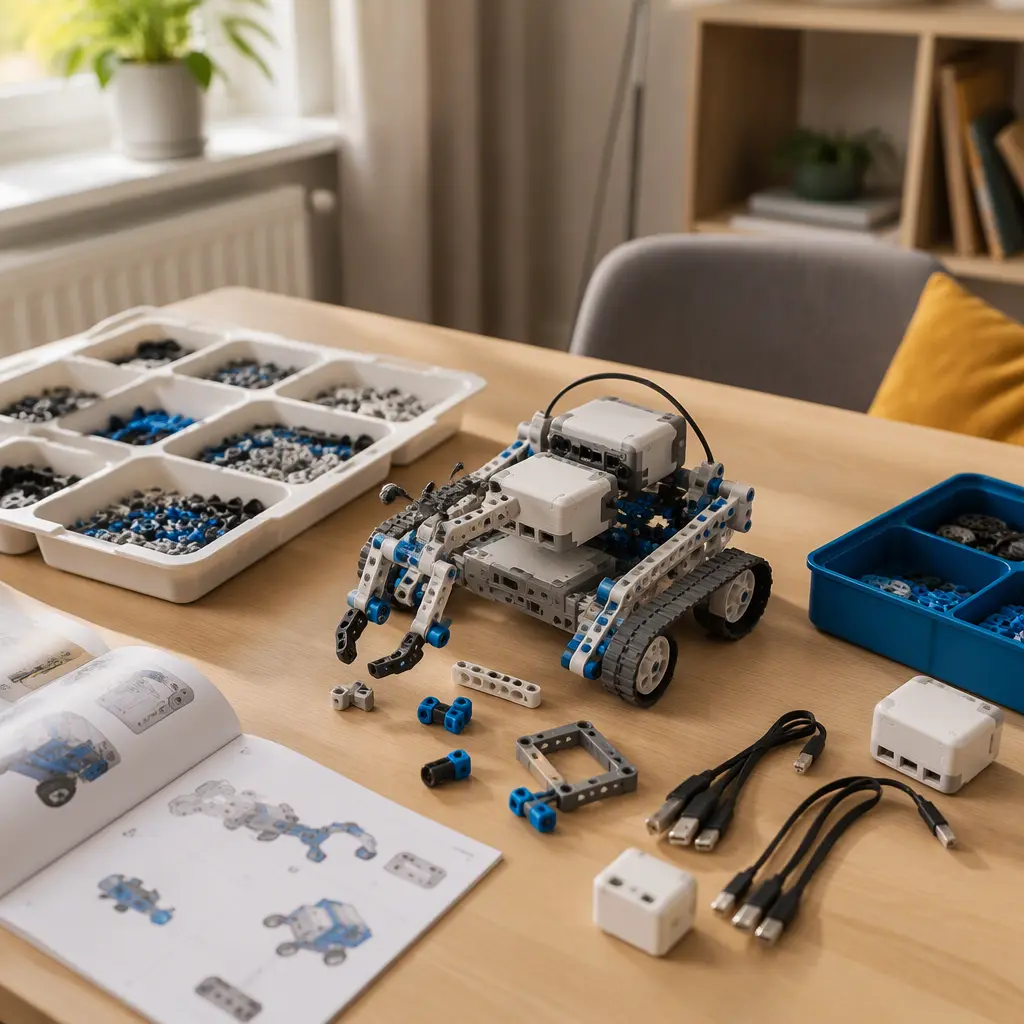
The safest category for avoiding subscriptions is usually programmable robotics kits. Products from families such as LEGO robotics sets, Makeblock mBot, Sphero or similar coding-focused platforms often provide the main experience through downloadable apps and local programming rather than paid AI conversations. Some may offer optional lesson libraries or classroom subscriptions, but home users can usually access core functionality without recurring charges. These suit children who enjoy experimentation, coding challenges and problem-solving. They are less suitable for children expecting instant entertainment straight out of the box.
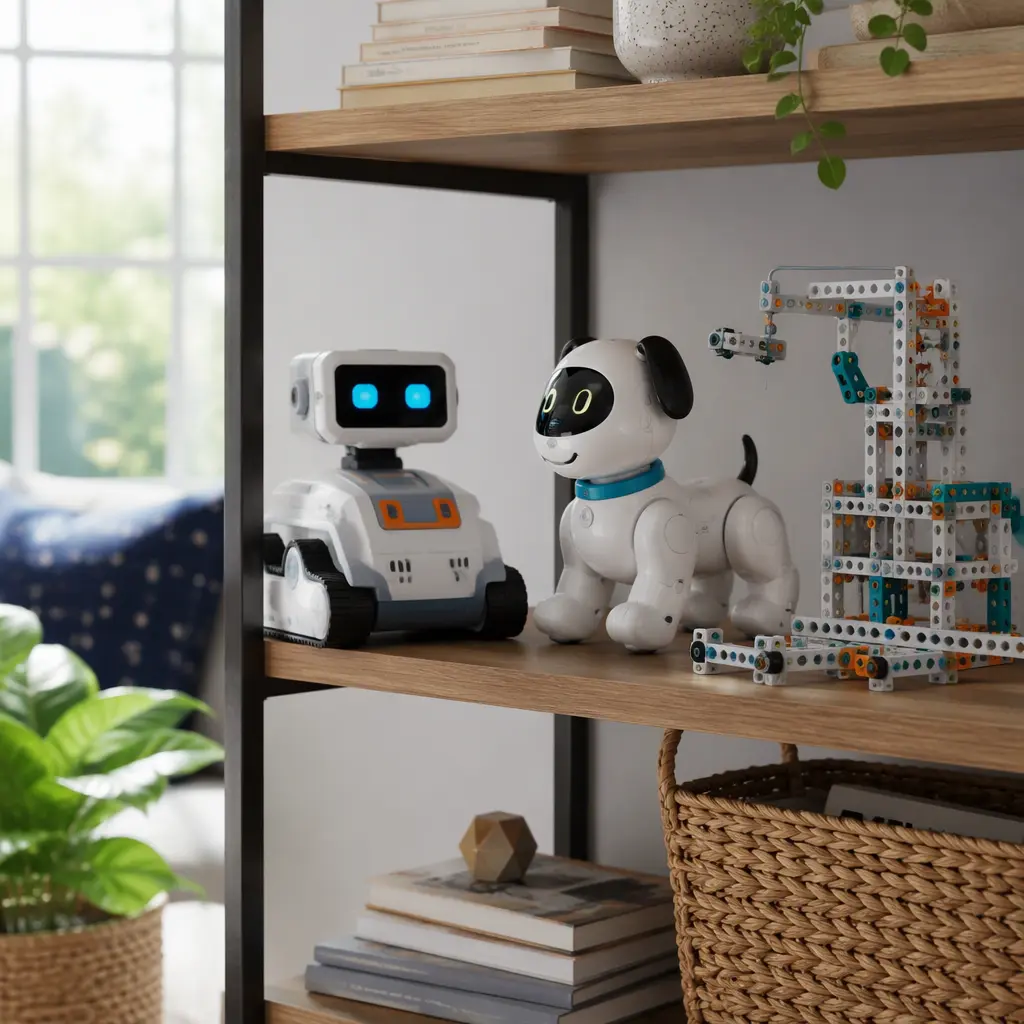
Interactive robot companions and AI chat toys are more complicated. A few offer free basic interaction with optional premium services layered on top, while others place the most advanced conversation tools behind memberships or token systems. Parents should check whether speech features run locally or through cloud AI systems. Cloud-based toys may improve responses over time, but they also depend on servers remaining active and can introduce privacy considerations. Robotic pets without true AI often provide more predictable costs because their behaviour is largely pre-programmed. These can work well for children who enjoy nurturing play but may feel repetitive for tech-focused tweens after the novelty wears off.
- Coding robots and STEM kits: Best for long-term learning and lower risk of hidden costs. Usually quieter and more durable, but require patience and interest in building or coding.
- Interactive AI chat toys: More conversational and immediately engaging, but often tied to apps, accounts or cloud processing. Check carefully for credit systems or memberships.
- Robotic pets: Easier to use and often screen-light, though advanced voice features may still depend on apps or subscriptions.
- Smart building kits: Good middle ground for creative children who enjoy construction plus app-guided interaction. Storage space can become an issue with larger sets.
- Voice-assistant-style toys: Convenient and familiar but heavily dependent on internet access and manufacturer support. Less useful if privacy or long-term support is a concern.
Frequently asked questions
Do AI toys always need internet access?
No. Many toys marketed as AI use local programming, sensors or scripted responses and continue working offline. Toys that offer open-ended conversation, cloud-generated content or live updates are more likely to require internet access for their headline features.
Are subscription-free AI toys better value?
Often, but not automatically. Some subscription-free products have limited functionality from the start, while some subscription models provide regular new content or learning tools. The key question is whether the toy still feels complete without ongoing payments.
What hidden costs should parents watch for?
Besides memberships, some toys use credit packs for AI conversations, image generation or extra learning modules. Others require separate tablets, replacement accessories or paid apps. Checking setup requirements before purchase can prevent unexpected spending.
How important are privacy settings on AI toys?
They matter most on toys with microphones, cameras or cloud-based chat systems. Parents should review what data is stored, whether recordings are retained and how accounts are managed. UK buyers may also want to check whether support and servers are based locally or overseas.
Can these toys still be useful if support ends?
Offline-capable coding robots and programmable kits generally retain more value because they can continue functioning without cloud services. Toys heavily dependent on apps or online AI features may lose functionality if servers close or software support ends.
For most families, the strongest long-term value comes from AI-adjacent toys that encourage coding, building or creative experimentation without locking core features behind subscriptions. Cloud-connected AI features can add novelty and richer interaction, but they also introduce ongoing costs, privacy considerations and dependence on apps or servers outside the home. Comparing what works offline, what requires accounts and what remains usable years later is often more useful than focusing on the word “AI” alone.