Ropet vs Loona for Families in Small UK Flats
A parent-focused guide to Ropet and Loona AI pets for compact UK homes, covering noise, floor space, charging, app dependence, privacy and day-to-day practicality for ages 6–8.
Compare prices and availability
Check current prices and availability for this guide on eBay.
As an eBay Partner, we may be compensated if you make a purchase.
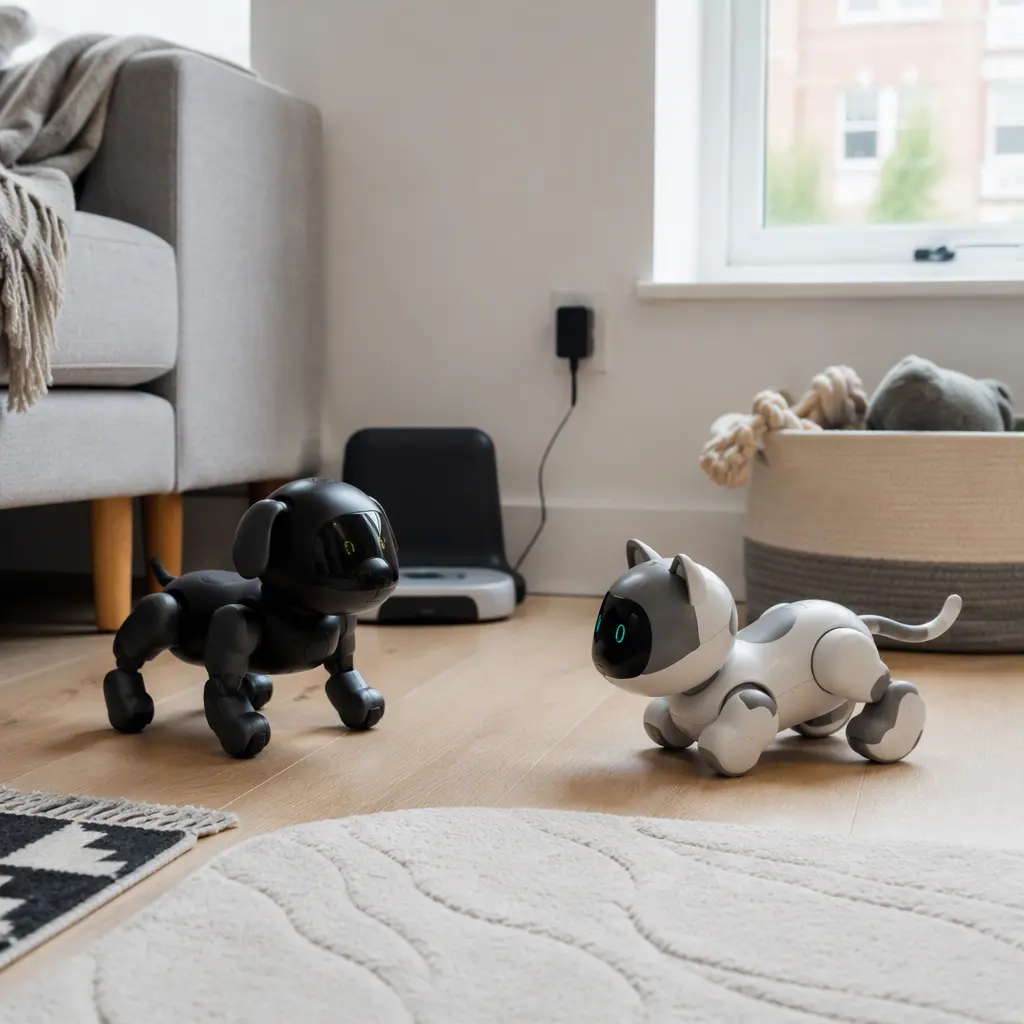
AI pet robots are designed to feel more interactive than traditional electronic pets, but families in smaller UK flats often have different priorities from buyers with larger homes. Noise levels, charging routines, storage space and how much floor area the toy needs can matter just as much as entertainment features. Ropet and Loona are both marketed as interactive robot companions for children, yet they take noticeably different approaches. Ropet focuses more on compact, cuddly interaction, while Loona behaves more like a mobile robot pet with app-connected features, movement tracking and expressive reactions. For children aged 6–8, the right choice often depends less on novelty and more on whether the toy fits comfortably into everyday family life.
What to look for
Connected robot pets can vary widely in how much setup, maintenance and supervision they need. Some rely heavily on apps and cloud features, while others remain usable offline for basic play. In a small flat, practical details become more noticeable because toys share space with everyday living areas. Before choosing between Ropet and Loona, it helps to think about how your household handles noise, screen time, charging clutter and internet-connected devices.
- Check whether the toy remains useful without an active app connection or cloud account.
- Consider how much floor space the robot needs for movement and obstacle avoidance.
- Look at charging frequency and whether the dock will permanently occupy visible space.
- Review microphone and camera features carefully if privacy is a concern.
- Think about sound volume and whether reactions can be adjusted or muted.
- Check device compatibility for companion apps, especially in mixed iOS and Android households.
- Consider whether younger siblings or pets may interfere with moving robot toys.
- Look for simple storage options if the toy cannot stay out full-time.
Age suitability
For ages 6–8, both Ropet and Loona sit in an unusual category between toy and gadget. Children in this range are often drawn to responsive reactions, voice interaction and personality-style behaviour, but many still need adult help with charging, app pairing and troubleshooting. Ropet may suit children who prefer comfort-style interaction, simple routines and calmer play sessions. Loona generally appeals more to children who enjoy active gadgets, movement and experimenting with technology features. Families expecting a replacement for a real pet may want to manage expectations carefully. These devices can simulate companionship, but they still depend on batteries, software updates and structured interaction rather than independent care needs.
Options compared
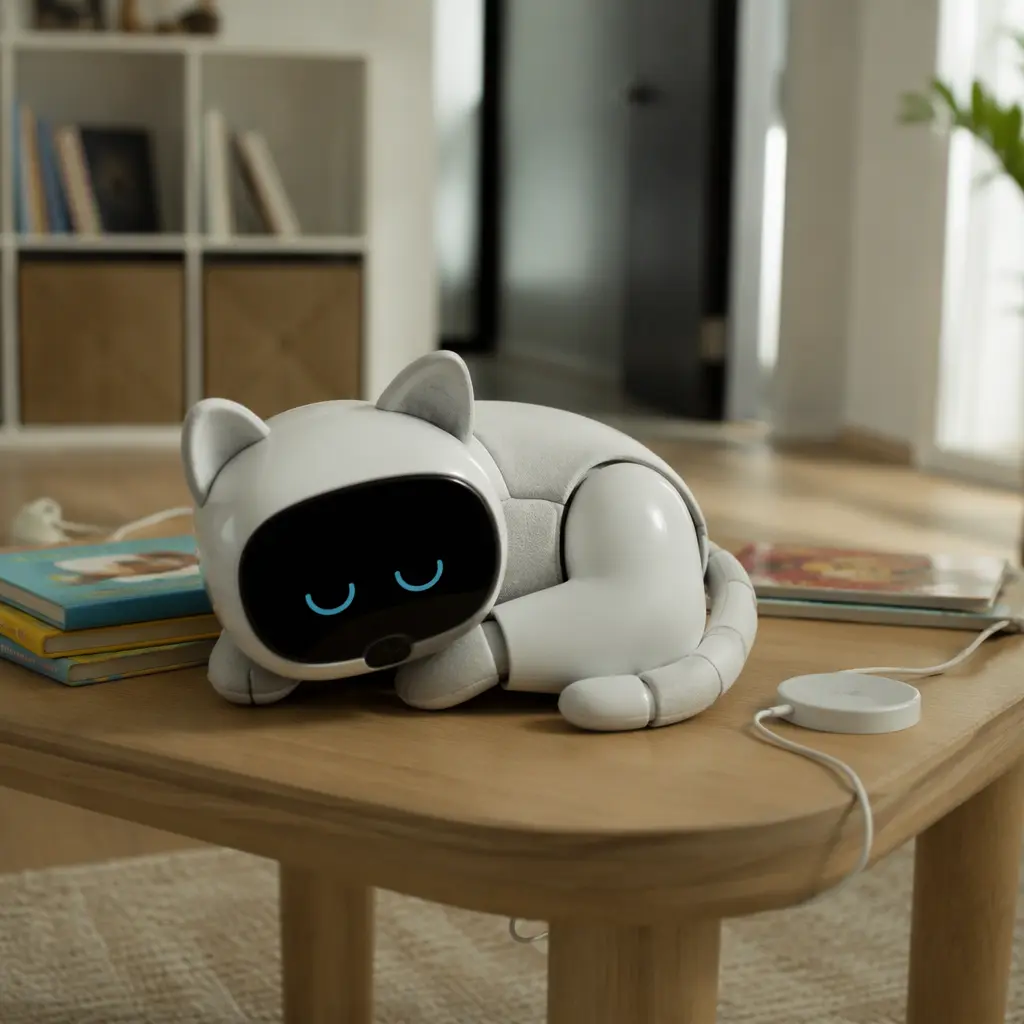
Ropet is generally the easier fit for quieter homes and tighter spaces. Its smaller physical footprint and softer interaction style make it less likely to dominate the room. Families living in upper-floor flats may appreciate that calmer toys tend to create fewer repeated movement sounds across hard flooring. Children who mainly want emotional interaction, reactions and casual companionship may also find a simpler robot pet easier to use independently.
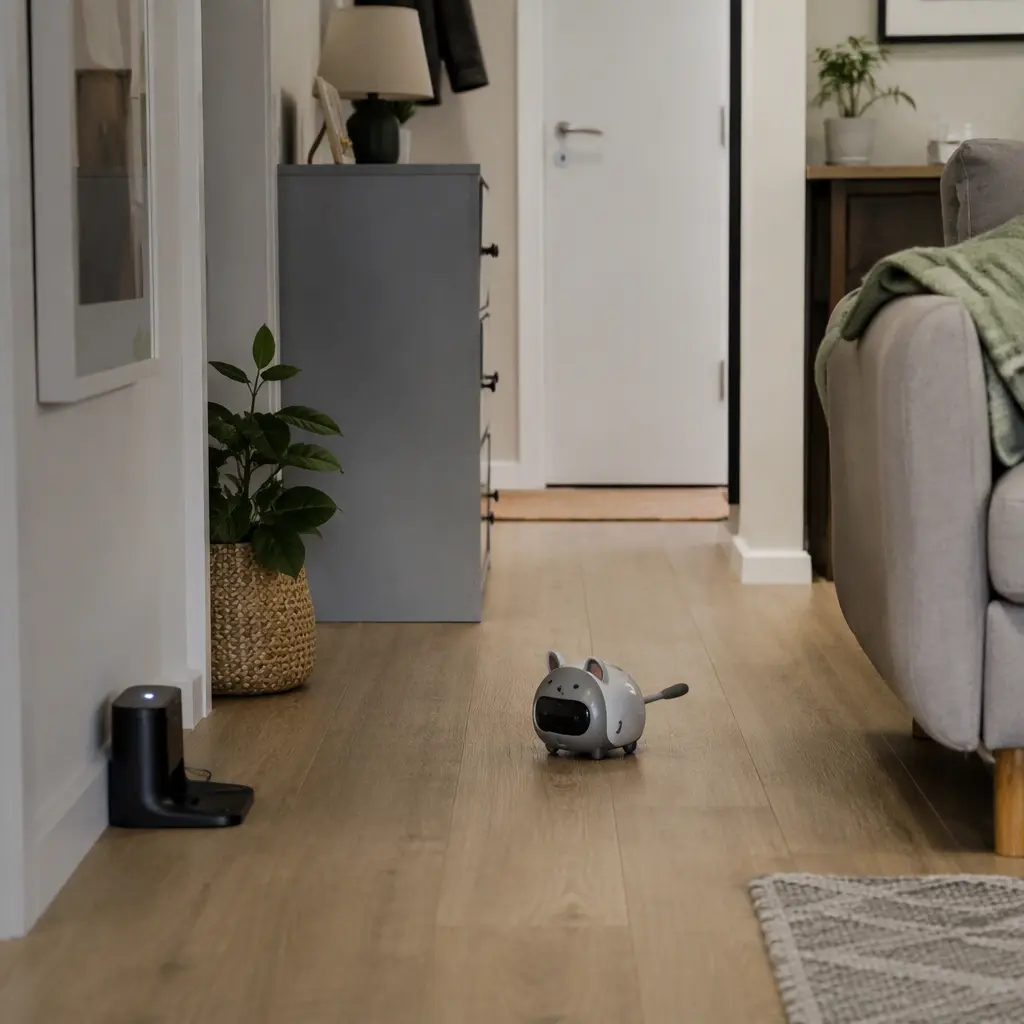
Loona is closer to a mobile smart robot than a traditional electronic pet. The added movement, environmental awareness and expressive behaviour can feel more dynamic, but they also create more practical demands. A moving robot needs clearer floor space to avoid furniture collisions and frustration. In compact flats with narrow walkways, rugs, scattered toys or frequent foot traffic, this can become tiring quickly. Noise is another consideration. Rolling motors, audio responses and repeated movement effects may be noticeable in smaller homes, particularly during evenings.
- Ropet usually suits families prioritising quiet play, compact storage and lower floor-space demands.
- Loona generally suits children who enjoy interactive robotics, movement and app-connected experimentation.
- Families sensitive to clutter may prefer toys that do not require a permanent charging station in shared spaces.
- Children expecting fast-moving reactions and active games may lose interest in quieter companion-style toys.
- Households limiting screen exposure should check how much app involvement is required after initial setup.
- Frequent travellers may prefer compact AI pets that fit easily into bags and do not depend heavily on home Wi‑Fi.
- Families with unreliable internet connections should confirm which features still work offline.
Frequently asked questions
Do AI pet toys work without Wi‑Fi?
Most AI pet toys still offer some basic interaction offline, but connected features often depend on apps, cloud processing or account login systems. Manufacturers may also deliver personality updates or new functions through software updates. Families wanting a toy that remains useful long-term should check what happens if app support changes in future.
Are robot pets too noisy for flats?
That depends on the design. Moving robots with wheels or expressive audio can sound much louder in compact rooms with hard floors. Softer companion-style AI pets are often easier to manage in shared buildings or evening play sessions. Volume controls and quiet modes are worth checking before purchase.
How much supervision do children aged 6–8 need?
Most children in this age group can handle basic play independently, but adults will usually still manage charging, software updates, Wi‑Fi setup and privacy settings. Connected toys also work best when families establish clear rules about where and when they are used.
Do these toys replace real pets?
Not really. AI pets can encourage interaction and routine, but they do not teach the same long-term responsibilities as caring for an animal. They are closer to interactive gadgets with personality features than substitutes for real pet ownership.
Are subscriptions required?
Some connected toys include optional premium features, cloud services or future content updates tied to subscriptions or credits. Availability can vary by region, so UK buyers should check current manufacturer support, app availability and ongoing costs before choosing a device.
For small UK flats, the practical winner is often the toy that blends into family routines rather than demanding constant space or attention. Ropet may suit households wanting calmer, compact interaction with fewer movement-related compromises. Loona offers a more advanced robotic experience, but it works best when children have enough clear floor space and parents are comfortable managing a more connected device. Looking beyond novelty and focusing on noise, charging habits and daily usability usually leads to the better long-term fit.