Connected Toys: Hidden Costs and Offline Limits
A parent-focused guide to AI and app-connected toys, covering subscriptions, credits, cloud features, device compatibility, and what still works if support ends.
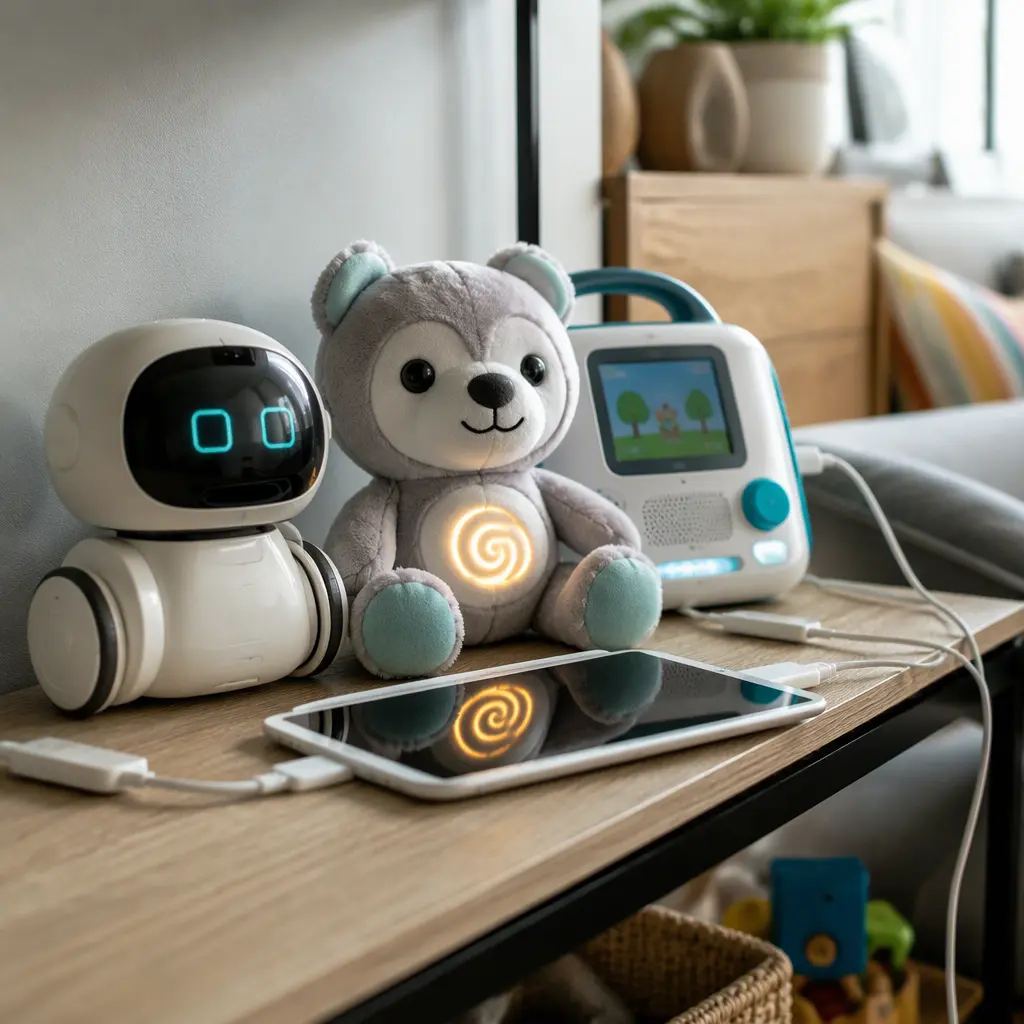
Compare prices and availability
Check current prices and availability for this guide on eBay.
As an eBay Partner, we may be compensated if you make a purchase.
Many connected toys cost more to own than the box suggests. AI-powered robots, app-linked plush toys, coding kits and interactive learning devices may rely on subscriptions, cloud processing, paid content packs or companion apps that change over time. Some continue working offline if a service closes, while others lose key features almost immediately. Before buying, it helps to look beyond the advertised functions and calculate what the toy will realistically cost over its first year in your home, including batteries, accessories, app requirements and any ongoing digital services.
What to look for
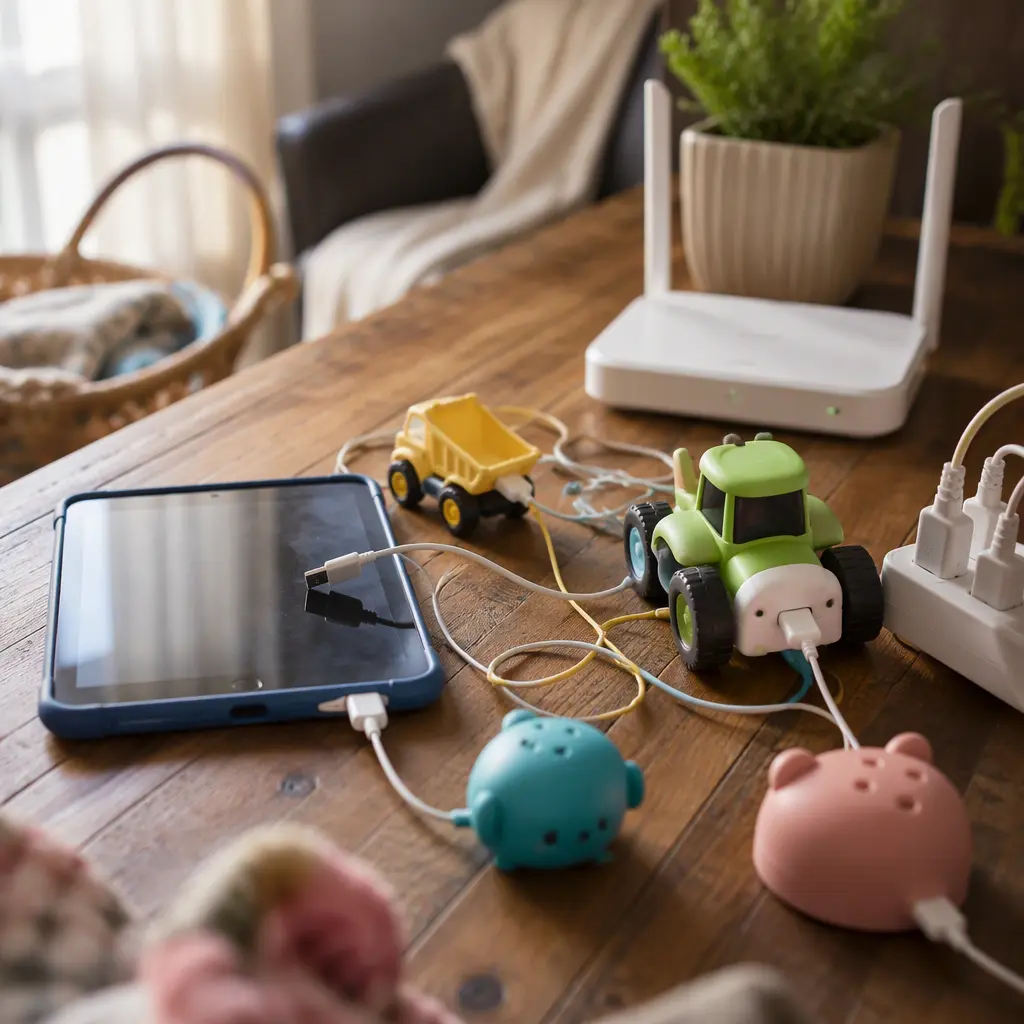
Connected toys vary widely in how dependent they are on apps, accounts and internet access. Some use simple Bluetooth controls or downloadable activities that stay on the device after setup. Others send voice recordings or gameplay data to cloud servers for AI-generated responses or content updates. The more cloud-dependent the toy is, the more important long-term support becomes. Parents should also check whether the toy needs a separate phone or tablet, whether features are locked behind subscriptions, and whether the toy remains usable without an account.
- Check whether core play features work without Wi‑Fi or mobile data.
- Look for subscription details before purchase, including monthly or annual fees.
- See if AI responses or voice features rely on cloud processing rather than local hardware.
- Confirm which phones or tablets are supported and whether older devices are excluded.
- Check whether rechargeable batteries are replaceable or sealed inside the toy.
- Review privacy settings, parental controls and account requirements.
- Look for information about software support timelines and app store availability.
- Check whether extra content packs, credits or downloadable activities cost extra over time.
Age suitability
Most connected toys suit school-age children better than toddlers because setup, charging and app navigation often require adult help. Younger children may enjoy interactive responses but can become frustrated if features stop working offline or depend on spoken commands. Older children are more likely to benefit from coding, creative AI tools or educational apps, but they may also notice quickly when free features are limited or repetitive. Families who prefer low-maintenance play may find that simpler electronic toys with local storage and no accounts are easier to manage over several years.
Options compared
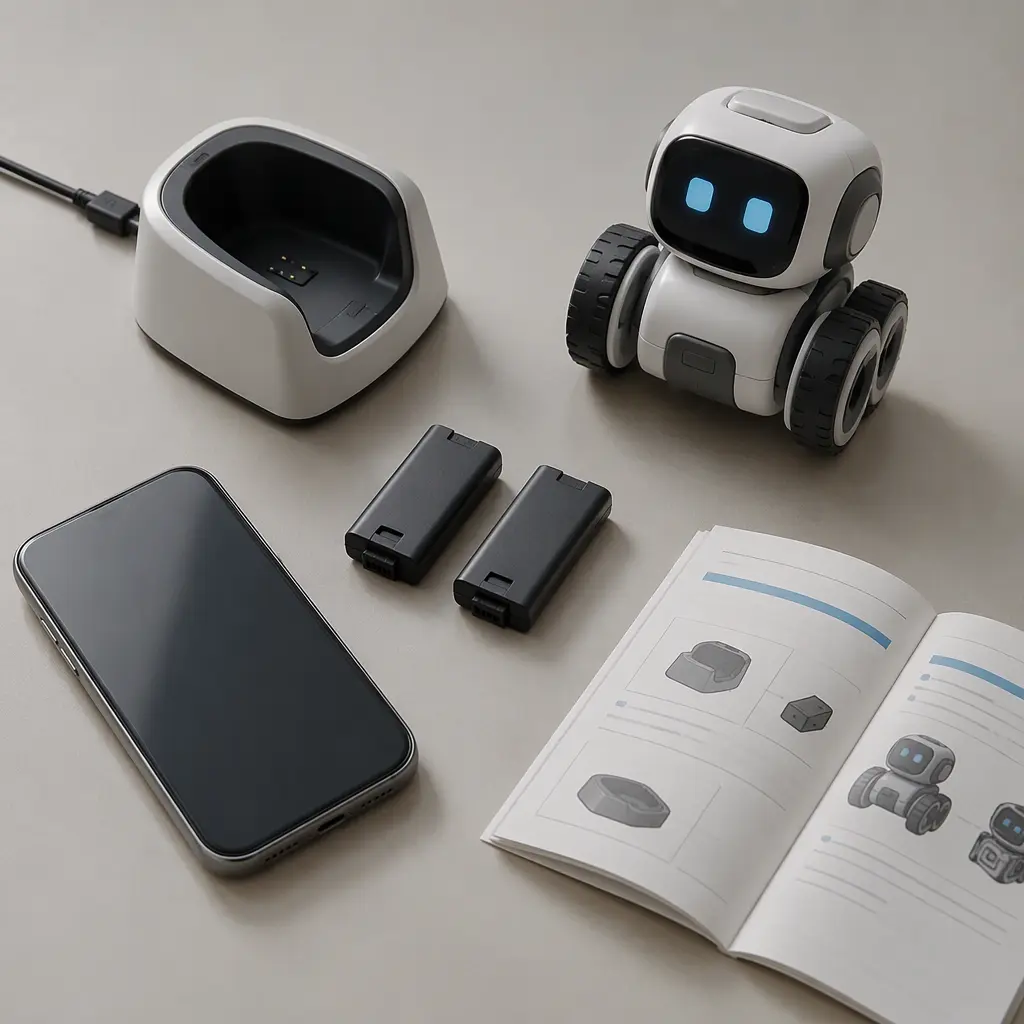
Not every connected toy handles online features in the same way. Basic app-connected toys often use Bluetooth for setup, remote control or downloadable games. These usually remain partly functional even if the companion app disappears, although firmware updates and new activities may stop. Examples include some coding robots and electronic vehicles that can still operate manually after initial pairing.
AI-powered toys are usually more dependent on cloud services. Toys marketed as conversational companions, AI tutors or adaptive storytellers may process speech remotely rather than directly on the device. In these cases, a subscription may cover server access, new content generation or parental dashboards. If support ends, voice interaction, custom stories or learning features may disappear entirely. Some manufacturers continue offering limited offline modes, while others may leave only basic movement, sounds or preloaded responses.
- Subscription-based toys: Often provide expanding content libraries or AI interactions, but long-term cost can exceed the toy's purchase price over time.
- Credit-based systems: Some AI toys sell packs of interactions, story generations or image creations separately, making usage harder to predict for families.
- Offline-capable electronic toys: Usually more reliable for travel and longer ownership, though they may receive fewer updates or online features.
- Tablet-dependent toys: Can work well in households that already use compatible devices, but older phones and tablets may lose support sooner.
- Rechargeable smart toys: Convenient for frequent use, but sealed batteries may shorten the toy's lifespan if replacements are unavailable.
- Modular content ecosystems: Toys with expansion packs or downloadable lessons may stay engaging longer, but storage costs and account management can grow quickly.
Frequently asked questions
How can parents estimate the real first-year cost?
Start with the toy's purchase price, then add any subscription fees, required accessories, batteries, charging docks or content packs expected within the first year. Also include the cost of a compatible tablet or phone if the household does not already have one. For AI toys that use credits or tokens, check how many interactions are included and how quickly extra usage may be needed.
What happens if the company stops supporting the toy?
The answer depends on how much of the toy runs locally. Toys with onboard games, stored audio or manual controls may still function in a limited way. Cloud-based AI features, account syncing and app downloads may stop entirely if servers shut down or apps are removed from stores. Parents should check whether the manufacturer explains what remains usable offline.
Are AI toys different from ordinary electronic toys?
Yes. Traditional electronic toys usually respond using preprogrammed sounds, sensors or motion detection stored directly on the device. AI toys often rely on internet-connected systems that generate responses dynamically or process speech remotely. This can make interactions feel more flexible, but it also increases dependence on cloud services, updates and privacy policies.
Do connected toys always require a subscription?
No. Many connected toys work with free apps or one-time purchases. However, some manufacturers reserve premium features for paying subscribers, including expanded learning libraries, AI-generated content, multiplayer access or parental dashboards. Reading the app description before purchase can help reveal which features are included permanently.
What matters most for long-term usability?
Offline functionality is one of the strongest indicators of long-term value. Toys that store content locally, accept standard batteries or continue basic play without servers are often easier to keep using after updates stop. Device compatibility also matters because some apps eventually stop supporting older operating systems or tablets.
Connected toys can offer creative play, coding activities and interactive storytelling that traditional toys cannot easily match. The trade-off is that many behave more like small digital services than standalone products. Looking closely at subscriptions, replacement costs, privacy settings and offline usability before buying can help families avoid surprises and choose toys that stay practical beyond the first excitement of setup.