Loona vs Eilik: Which Robot Collects Less Family Data?
A parent-focused guide to Loona and Eilik covering microphones, cameras, cloud features, app dependence, offline play, parental controls and privacy trade-offs for UK homes.
Compare prices and availability
Check current prices and availability for this guide on eBay.
As an eBay Partner, we may be compensated if you make a purchase.
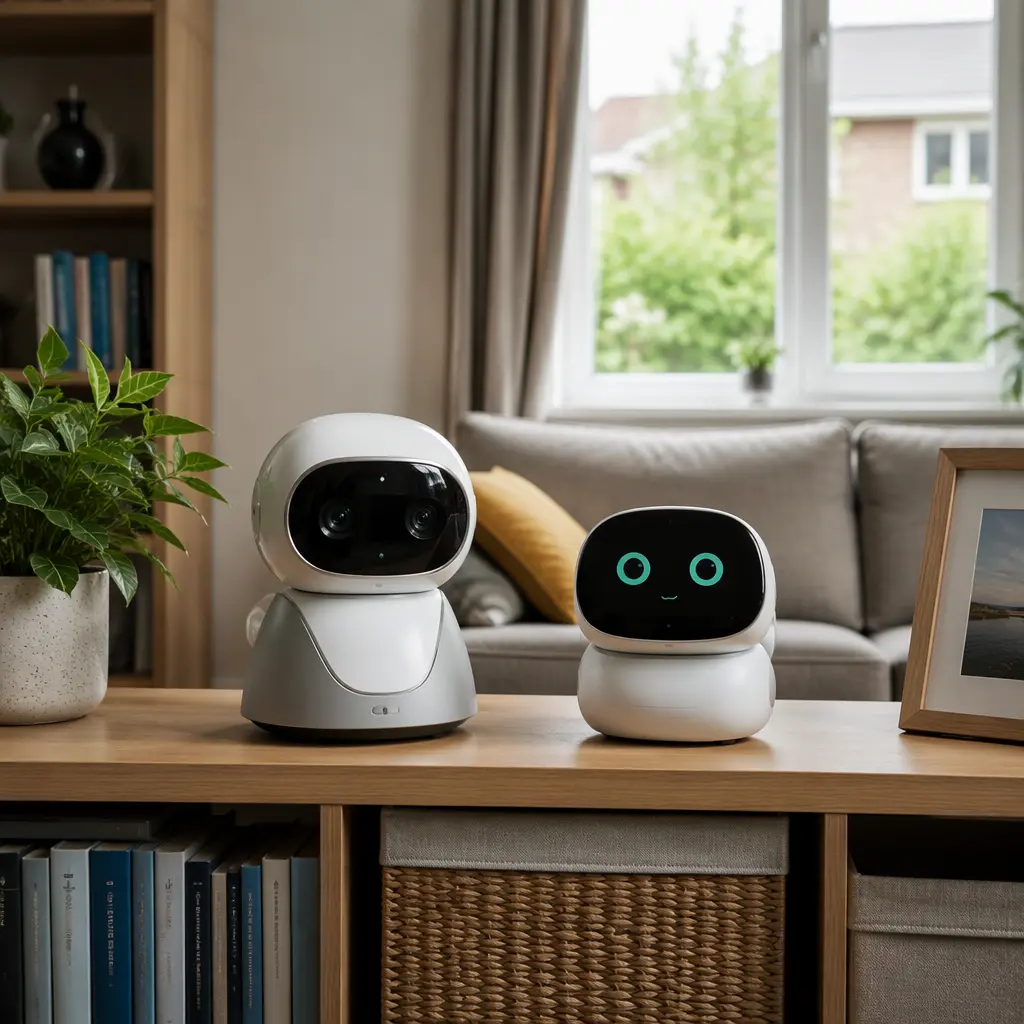
Families comparing Loona and Eilik are often deciding between two very different kinds of robot toys. Loona is designed as a connected AI-style companion with app features, voice interaction and camera-based navigation. Eilik is closer to a self-contained expressive desktop robot focused on reactions, animations and simple interactions between multiple units. For parents worried about microphones, cameras and long-term data collection, the differences matter more than the personalities. A robot that depends heavily on cloud services and apps creates different privacy questions from one that mostly works offline. In UK homes, it is also worth checking how much functionality remains usable without internet access, whether accounts are required, and how long software support is likely to continue.
What to look for
Connected robot toys vary widely in how much information they collect and how dependent they are on apps or online services. Marketing often groups these products together under terms like smart or AI-powered, but the underlying technology can be very different. Some toys process most interactions locally, while others rely on cloud systems for speech recognition, updates or interactive features. Before choosing between Loona and Eilik, parents should focus on what hardware is included, what permissions the companion app requests, and what still works if the internet connection is disabled.
- Microphones and cameras: Loona includes camera-based navigation and voice-related features, while Eilik focuses more on touch and movement reactions without the same level of environmental sensing.
- Cloud dependence: Check whether features rely on online servers or continue working locally if Wi-Fi is unavailable.
- Account requirements: Some connected toys require user accounts, email registration or app logins before setup.
- App permissions: Companion apps may request Bluetooth, camera, microphone or location permissions depending on the operating system.
- Parental controls: Look for mute settings, data management tools and ways to limit online features.
- Offline usefulness: A toy that remains entertaining without cloud access may suit privacy-focused households better.
- Support life: Connected toys can lose features if apps are no longer updated or servers close in future years.
Age suitability
For children aged 9 to 12, both robots can appeal for different reasons. Loona tends to suit children interested in technology, coding-style interactions and responsive pet-like behaviour. It may also appeal to families already comfortable managing apps and connected devices. Eilik is usually easier to understand immediately because its play style is based around expressions, sounds and physical interaction rather than broader AI-style features. Children looking for open-ended imaginative play may enjoy Loona more, while children who prefer a simple desk companion with fewer setup steps may prefer Eilik. Parents who want to minimise internet-connected devices in bedrooms or study spaces may lean toward simpler robots with less cloud dependence.
Options compared
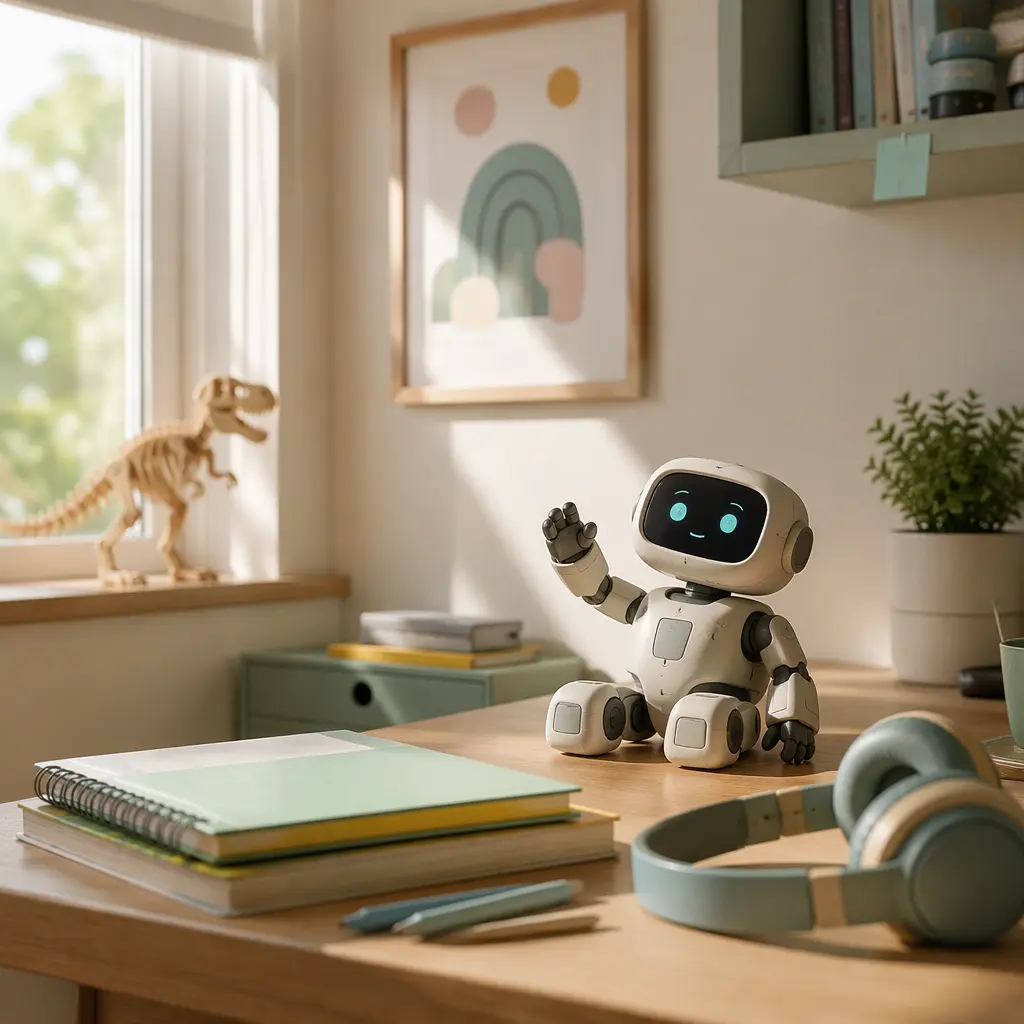
Loona and Eilik are often compared because both are small companion-style robots, but they solve different problems. Loona is positioned more like an interactive AI pet. Manufacturer descriptions highlight camera vision, voice-related interaction and app-connected activities. Features like navigation and environmental awareness typically require more sensors and more software complexity. That can create a richer experience for children who enjoy responsive technology, but it also means more potential data handling concerns. Parents should expect a setup process involving apps, firmware updates and Wi-Fi connectivity. Some features may improve over time through updates, but long-term usefulness depends partly on continued software support.
Eilik is generally simpler in how it interacts. Its appeal comes from animated reactions, touch responses and interactions between multiple Eilik units placed near each other. Because the toy is less focused on cloud-driven AI features, it may feel more predictable and easier to manage in homes that prefer offline toys. Simpler does not always mean better, though. Children expecting conversational AI or advanced learning behaviour may find Eilik limited after the novelty period. Loona may hold attention longer for tech-focused children, especially those interested in robotics or app-connected gadgets, but families should balance that against privacy preferences, internet dependence and the possibility that some features could change through future updates or subscriptions.
- Choose Loona if your child wants a highly interactive robot companion with app-connected features and your household is comfortable managing connected devices.
- Choose Eilik if you want a simpler desktop robot with fewer obvious data-collection concerns and stronger offline-style play.
- Avoid either option if you want fully screen-free play, since both rely on electronic interaction rather than creative physical play.
- Consider storage and charging space: both are desk-sized rather than large floor toys, but they work best where they can stay set up.
- Noise sensitivity matters in shared homes. Expressive robot toys often use frequent sounds and movement effects that may become distracting in quiet study spaces.
Frequently asked questions
Does Loona record conversations?
Manufacturers describe Loona as using microphones and camera-based systems for interactive features. Parents should review the companion app privacy policy and device permissions carefully to understand how voice or image data may be processed, stored or transmitted.
Can Eilik work without internet access?
Eilik is designed more around local reactions and physical interaction than cloud-based AI features. Some setup or updates may still involve a connected device, but much of the core play experience is intended to function without continuous online access.
Are these toys suitable for shared family spaces?
Yes, but placement matters. Families concerned about cameras or microphones often prefer keeping connected robots in living rooms or study areas instead of bedrooms. This also makes supervision easier during app setup and updates.
Do these robots need subscriptions?
Features and service models can change over time, especially for connected toys. Before buying, check the manufacturer's current information about subscriptions, credits or premium app features, since ongoing costs may affect long-term value.
Which option is better for privacy-focused families?
Families aiming to minimise connected-device data collection will usually find Eilik easier to manage because its feature set is less dependent on AI-style cloud interaction. Loona offers broader interactive features, but those features naturally involve more sensors, connectivity and software services.
The better choice depends on how your household balances interactivity against simplicity. Loona offers a more ambitious connected experience with sensors, app features and AI-style interaction, while Eilik focuses on expressive reactions with fewer connected expectations. For families primarily worried about data collection and cloud dependence, simpler robots generally involve fewer privacy trade-offs. For children specifically excited by advanced robotic behaviour, however, a more connected option may still feel worthwhile if parents are comfortable managing permissions, updates and device settings carefully.