Loona vs Ropet: Which AI Pet Fits Family Life?
A parent-focused comparison of Loona and Ropet AI pets, covering setup, voice features, privacy controls, offline play, durability and whether the interactive features stay engaging over time.
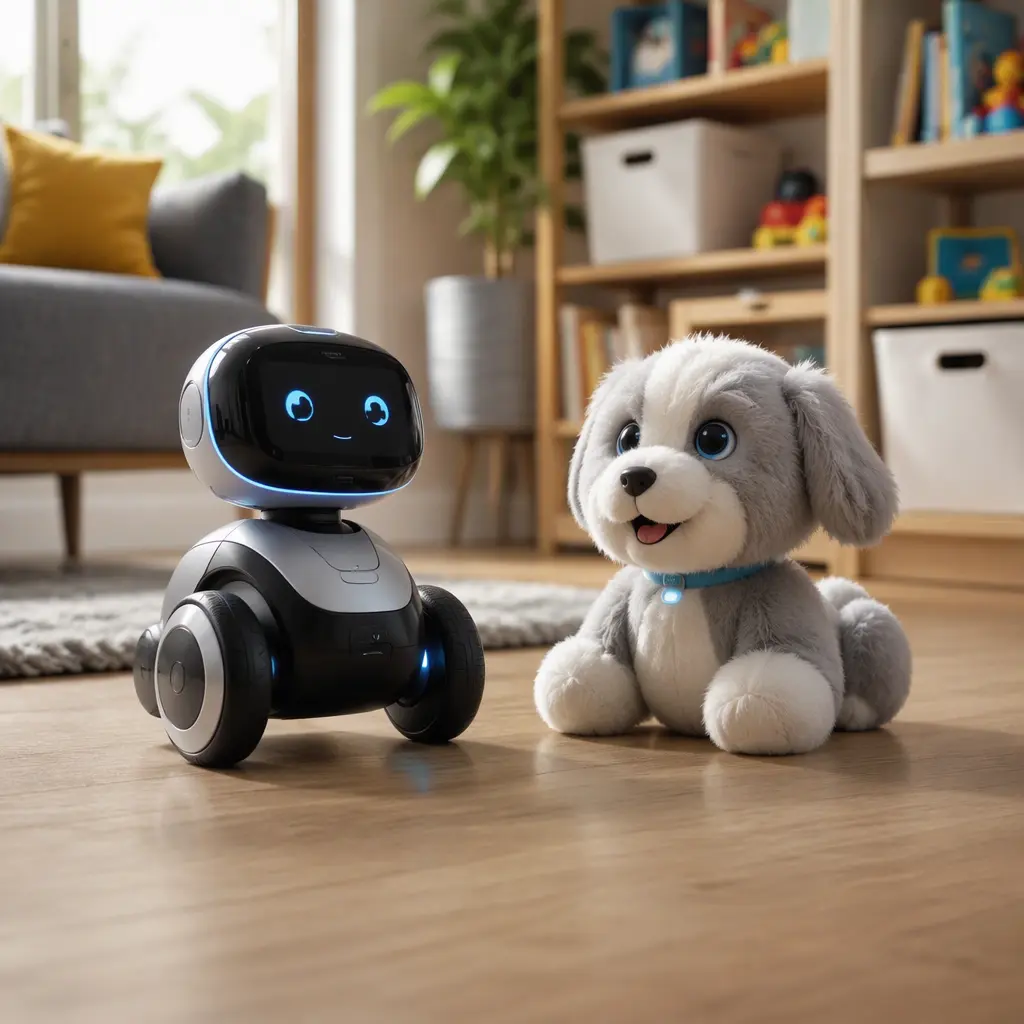
Compare prices and availability
Check current prices and availability for this guide on eBay.
As an eBay Partner, we may be compensated if you make a purchase.
AI pet toys aim to blend robotics, voice interaction and digital companionship into something more responsive than a traditional plush toy or remote-control gadget. Two names parents often compare are Loona and Ropet. While both are marketed as interactive companions for children, they take noticeably different approaches to play. One leans more toward mobile robotics and expressive behaviour, while the other focuses on conversational interaction and cuddly appeal. For families deciding between them, the important questions are less about novelty and more about daily life: how much setup is involved, whether microphones and apps are manageable, how useful the toys are without internet access, and whether children still return to them after the first few weeks.
What to look for
Unlike simple animatronic pets that repeat sounds or react to touch with pre-programmed responses, AI-connected toys usually depend on microphones, apps and cloud processing for at least some features. That changes the buying decision. Parents are not only choosing a toy style but also deciding how comfortable they are with connected technology in a child-focused product. For children aged 6 to 8, ease of use matters as much as advanced features because frustration during setup can shorten the toy's lifespan in the home.
- Check whether core play features work offline or whether the toy becomes limited without Wi‑Fi.
- Look for clear parental controls around voice recording, app permissions and account management.
- Consider the play style: active movement and tricks versus conversational interaction and emotional responses.
- Think about noise levels, especially if the toy uses frequent sound effects or spoken responses.
- Review charging habits and battery life expectations, since daily charging can reduce long-term use.
- Check device compatibility for companion apps and whether setup requires a parent account.
- Consider durability and cleaning. Hard plastic robots and plush-covered robots wear differently over time.
- Look into ongoing costs such as subscriptions, credits or premium AI features if the manufacturer offers them.
Age suitability
Both Loona and Ropet are generally aimed at children who can follow simple app instructions and understand conversational play, making the 6 to 8 age range a reasonable fit. Younger children may enjoy the movement and sounds but often need adult help with charging, setup and troubleshooting. Older children who already use tablets or coding toys may lose interest faster if the interaction depth feels repetitive. Loona tends to appeal more to children who like gadgets, robots and active movement around the room. Ropet may suit children looking for a calmer companion-style toy with softer interaction. Neither is likely to replace open-ended imaginative play, outdoor toys or hands-on building activities, but both can work as occasional interactive companions.
Options compared
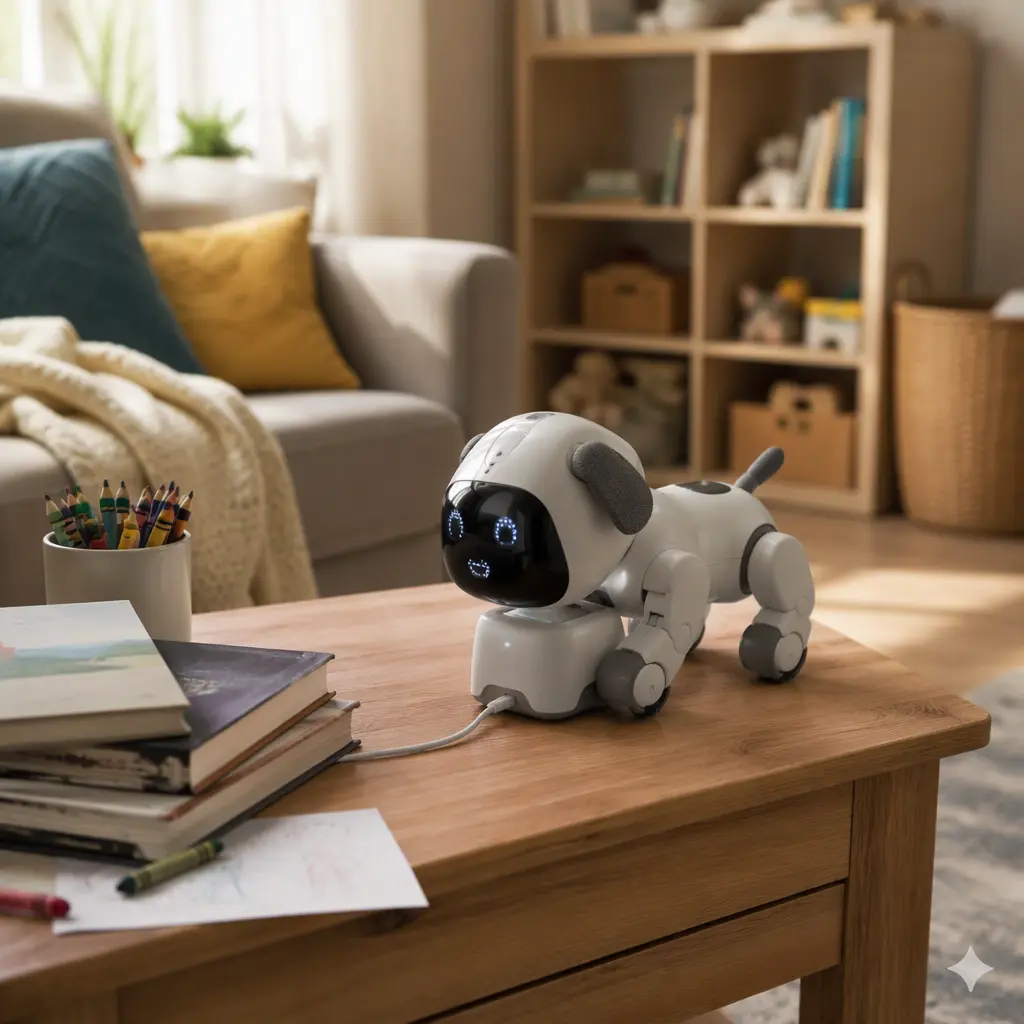
Loona is usually positioned closer to a mobile home robot. Its appeal comes from movement, expressive animations and reactive behaviour. Children who enjoy watching a toy explore the floor, respond to gestures or perform tricks may find it more engaging in short bursts throughout the day. The trade-off is that mobile robots generally need more floor space, more charging and more maintenance. Homes with thick rugs, cluttered floors or pets may not get the same experience shown in promotional videos. Families should also expect a stronger app connection component because many advanced interactions rely on software updates or connected features.
Ropet takes a softer companion approach. Rather than focusing heavily on roaming movement, the emphasis is often on conversation, reactions and emotional interaction. That can feel more approachable for children who want a comforting desk or bedside companion instead of an active robot moving around the house. The quieter physical design may also suit apartments or shared spaces better. However, conversation-driven toys can feel repetitive over time if the AI responses are limited or heavily cloud-dependent. Parents should pay attention to whether voice interactions require subscriptions, usage limits or online access.
- Choose Loona if your child enjoys robotics, movement, expressive reactions and tech-focused play.
- Choose Ropet if your child prefers calmer companion play and conversational interaction.
- Loona may suit larger play spaces better because moving robots need clear floors.
- Ropet may be easier to store and less disruptive in quieter homes.
- Families wanting more offline usefulness should check exactly which features still function without internet access.
- Children expecting a constantly evolving AI personality may eventually notice repeated responses from either toy.
- Neither option fully replaces social play, creative building toys or outdoor activities, so they work best as part of a broader toy collection.
Frequently asked questions
Do these AI pets work without Wi‑Fi?
Most connected robot pets keep some basic functions offline, such as movement, touch reactions or simple sound effects. More advanced voice interactions, app features or AI-generated responses may require internet access. Parents should verify which features are cloud-dependent before buying.
Are AI pet toys collecting children's voices?
Many AI-enabled toys use microphones for voice commands or conversational features. Depending on the manufacturer, audio may be processed locally, stored temporarily or sent to cloud services. Reviewing privacy policies and parental control settings is important, especially in households with younger children.
Will children lose interest quickly?
That depends heavily on the child's expectations. Children who enjoy technology and robotics may revisit the toys regularly, especially if software updates add new interactions. Others may treat the toy like a novelty after the first few weeks. AI pets tend to hold attention longer when integrated into routine play rather than presented as a constant companion.
Which toy is easier for parents to manage?
Companion-style AI pets with less movement are often simpler to store and supervise. Mobile robots may require more charging, more open floor space and occasional troubleshooting if navigation or connectivity issues occur. App setup quality also varies by manufacturer and device compatibility.
Are these toys educational?
Manufacturers often describe AI pets as encouraging interaction, communication or curiosity about robotics. In practice, the educational value is usually light and depends on how the child engages with the toy. They are better viewed as entertainment-focused tech toys than as structured learning tools.
For most families, the decision comes down to play style and tolerance for connected features. Loona makes more sense for children excited by robotics, movement and expressive gadget behaviour, while Ropet may fit homes looking for a quieter companion experience with less emphasis on roaming activity. Before choosing either, parents should look closely at app dependence, privacy settings, charging routines and how much of the toy remains enjoyable without constant online interaction. The strongest long-term value usually comes when AI pets complement, rather than replace, more open-ended screen-free play.