Offline Voice Changers vs Walkie Talkies for Kids
A parent-focused guide to choosing between offline voice changers and walkie talkies for ages 6–8, with practical advice on noise, outdoor play, durability, storage and sibling-friendly use.
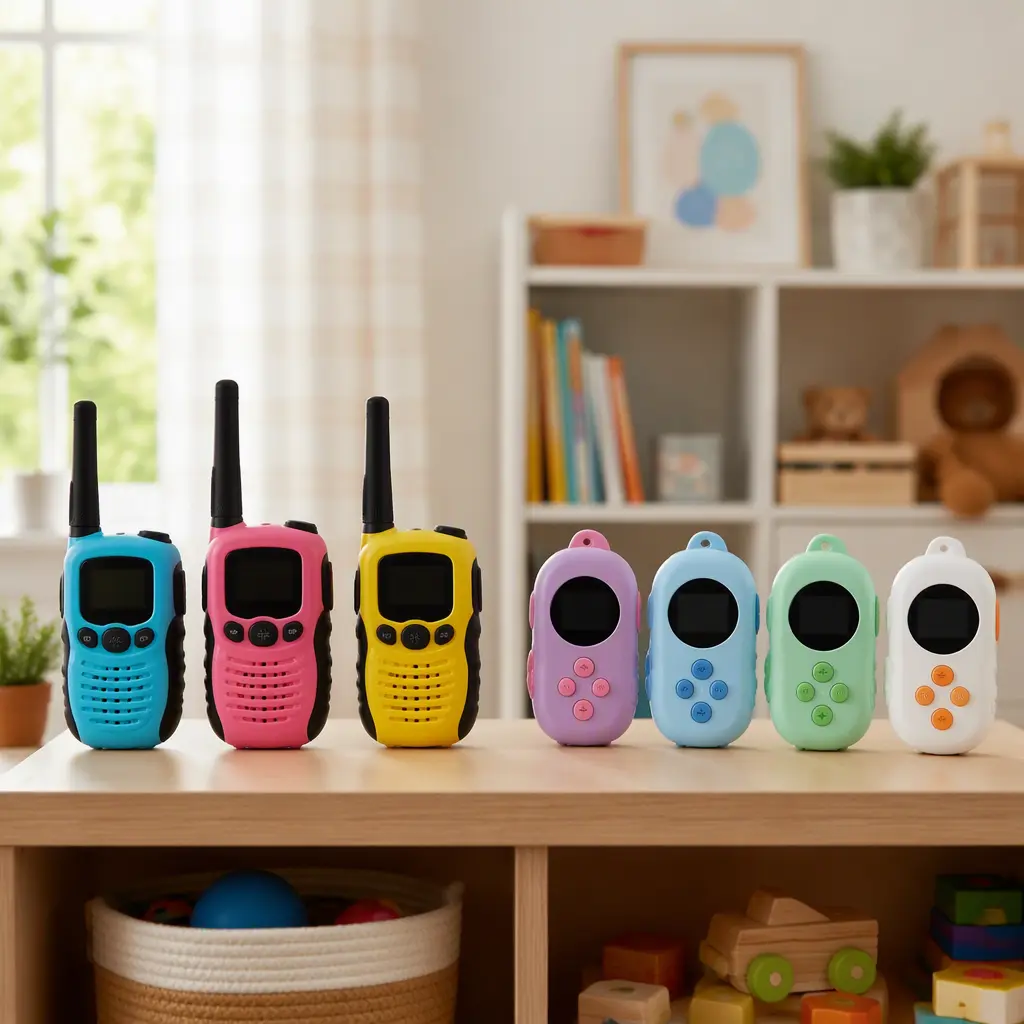
Compare prices and availability
Check current prices and availability for this guide on eBay.
As an eBay Partner, we may be compensated if you make a purchase.
Offline voice changers and walkie talkies both appeal to children who enjoy imaginative play, jokes and role-play games, but they create very different play experiences at home. For most families with children aged 6–8, the better choice depends less on novelty and more on where the toy will be used, how much noise your household tolerates and whether siblings or friends will regularly join in. Walkie talkies encourage cooperative play and movement between rooms or outdoor spaces, while voice changers tend to focus on solo entertainment, performance-style play and silly sound effects. Both options can support screen-free play, but they differ in durability, storage needs, supervision and how long children typically stay interested.
What to look for
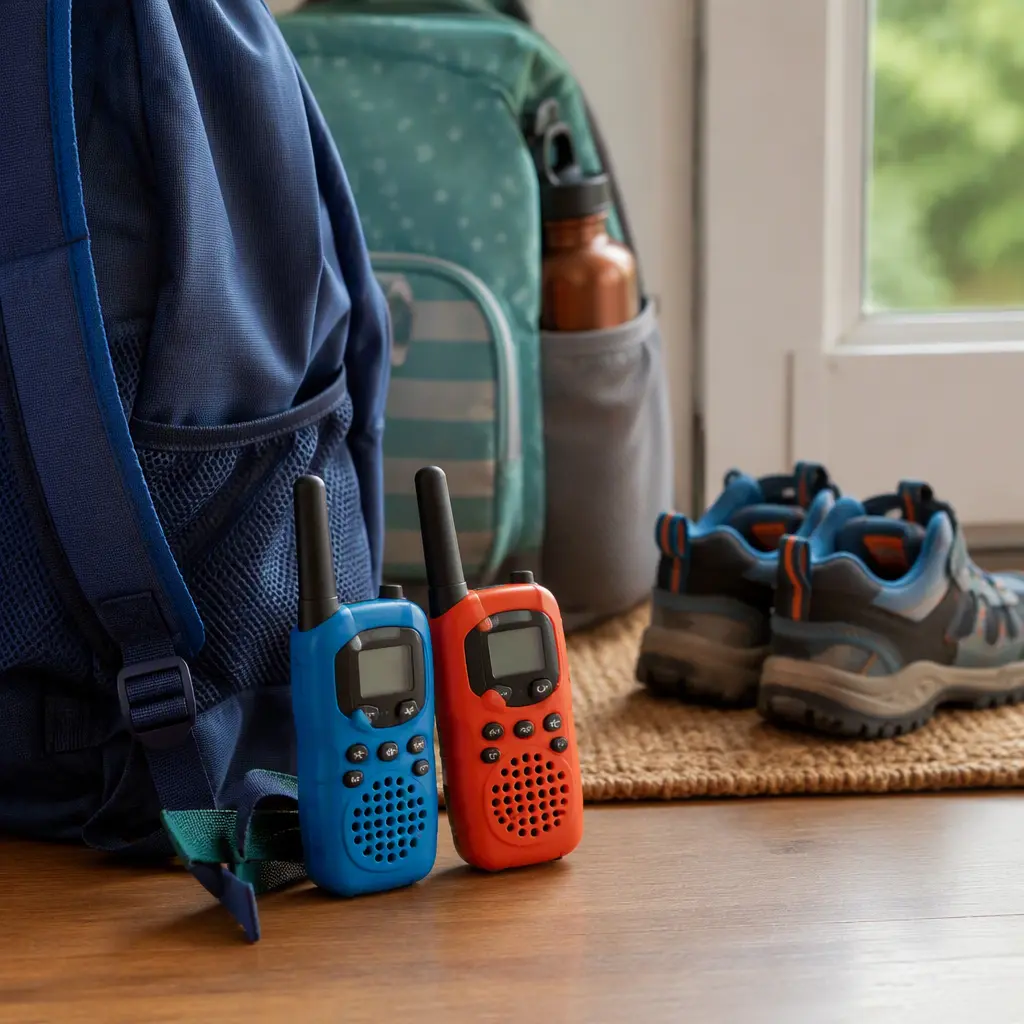
Parents shopping for electronics in this age group often focus first on features, but everyday practicality matters more. A toy that is too loud, fragile or difficult to share may lose appeal quickly. Since these toys are usually handled frequently and carried around the house or garden, size, button layout and battery access are often more important than novelty effects. Offline toys also vary in how much supervision they need. Some can be used independently after setup, while others work best when adults help manage volume or outdoor boundaries.
- Volume control matters in shared homes or apartments, especially for voice changers with amplified effects.
- Look for simple buttons and clear controls that children aged 6–8 can operate without frustration.
- Walkie talkies are usually better for active outdoor play, garden games and sibling teamwork.
- Voice changers suit children who enjoy pretend performances, comedy play or making recordings offline.
- Check how bulky the toy is to store, particularly if accessories or multiple handsets are included.
- Battery type can affect convenience for travel, camping or regular after-school use.
- Durability is important because both toy types are often dropped, carried outside or used during energetic play.
Age suitability
Children aged 6–8 are usually ready for both toy categories, but interest levels can vary by personality. Walkie talkies often work best for children who enjoy cooperative games, building forts, scavenger hunts or playing outdoors with siblings and neighbours. They reward communication and movement rather than quick novelty. Voice changers can appeal strongly to children who enjoy storytelling, making characters or experimenting with sounds, though some children lose interest once the sound effects become familiar. For quieter households, walkie talkies may actually create less repeated noise because conversations tend to move between rooms or outdoors rather than staying concentrated in one place.
Options compared
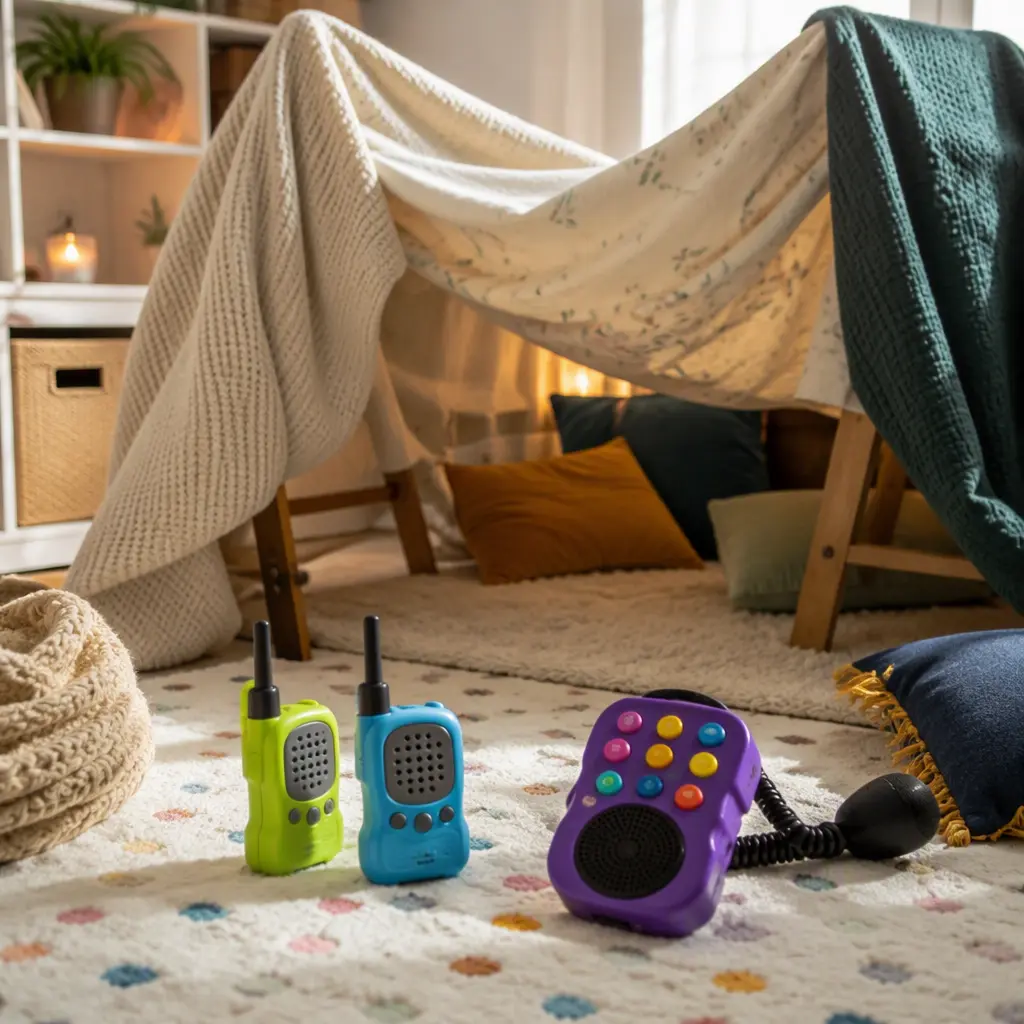
Walkie talkies are generally the stronger choice for families who want toys that encourage movement, teamwork and longer-lasting play patterns. Children often use them repeatedly for hide-and-seek games, backyard missions, obstacle courses and communication during imaginative adventures. They also work well for siblings who sometimes struggle with turn-taking because each child typically has their own handset. Parents should still expect occasional loud shouting into the speaker, but the play often spreads across larger spaces rather than concentrating noise in one room.
Offline voice changers are usually more compact and can be entertaining for children who love jokes, dramatic storytelling or creating characters. They can suit rainy-day indoor play and require less space than walkie talkie games. However, the novelty factor can wear off faster for some children, especially if the toy offers only a few voice effects. Noise can also become repetitive in smaller homes. Families with sensory-sensitive children or shared walls may prefer quieter electronic toys altogether. If sibling play is a priority, walkie talkies tend to create more collaborative interaction, while voice changers can sometimes lead to one child dominating the toy unless multiple devices are available.
- Choose walkie talkies for outdoor adventures, cooperative sibling play and active games around the house or garden.
- Choose voice changers for children who enjoy performance play, character voices and indoor imaginative storytelling.
- Avoid very loud electronic toys in small apartments or noise-sensitive households.
- For travel or camping, compact walkie talkies can double as practical communication tools during supervised family activities.
- If storage space is limited, a single handheld voice changer may take up less room than multi-unit communication sets.
Frequently asked questions
Are walkie talkies too complicated for 6-year-olds?
Most children in this age range can learn basic walkie talkie controls quickly if the buttons are simple and clearly separated. Complicated menus and extra channels may frustrate younger children, so simpler designs are often easier for independent play.
Which option is usually quieter at home?
Walkie talkies often spread noise across different rooms or outdoor spaces, while voice changers concentrate repeated sounds nearby. However, overall volume depends heavily on how children use the toys and whether adjustable volume settings are available.
Do these toys work well for only children?
Voice changers can work well for solo imaginative play. Walkie talkies are usually more engaging with siblings, parents or friends involved, although some children enjoy using them during pretend missions or backyard exploration with adults.
Are offline electronic toys better than app-connected versions?
Many parents prefer offline toys because they reduce distractions, avoid account setup and encourage direct social play. Offline devices are also simpler to hand to younger children without managing notifications or internet access.
Which toy type lasts longer in terms of interest?
Walkie talkies often support a wider variety of games over time because children can incorporate them into different outdoor and pretend-play activities. Voice changers can still be enjoyable, but some children tire of repeated sound effects more quickly.
For most families choosing between these two toy types, the decision comes down to play style and household environment rather than technology. Walkie talkies usually suit active children, sibling teamwork and outdoor play better, while offline voice changers fit children who enjoy humour, storytelling and indoor pretend games. Considering noise tolerance, available space, storage and how often children play together can help narrow the choice more effectively than focusing on novelty features alone.