Rechargeable RC Cars vs Battery-Powered RC Models
Compare rechargeable and battery-powered RC cars for ages 9–12, including running time, durability, downtime, storage, and long-term costs for first-time buyers.
Compare prices and availability
Check current prices and availability for this guide on eBay.
As an eBay Partner, we may be compensated if you make a purchase.
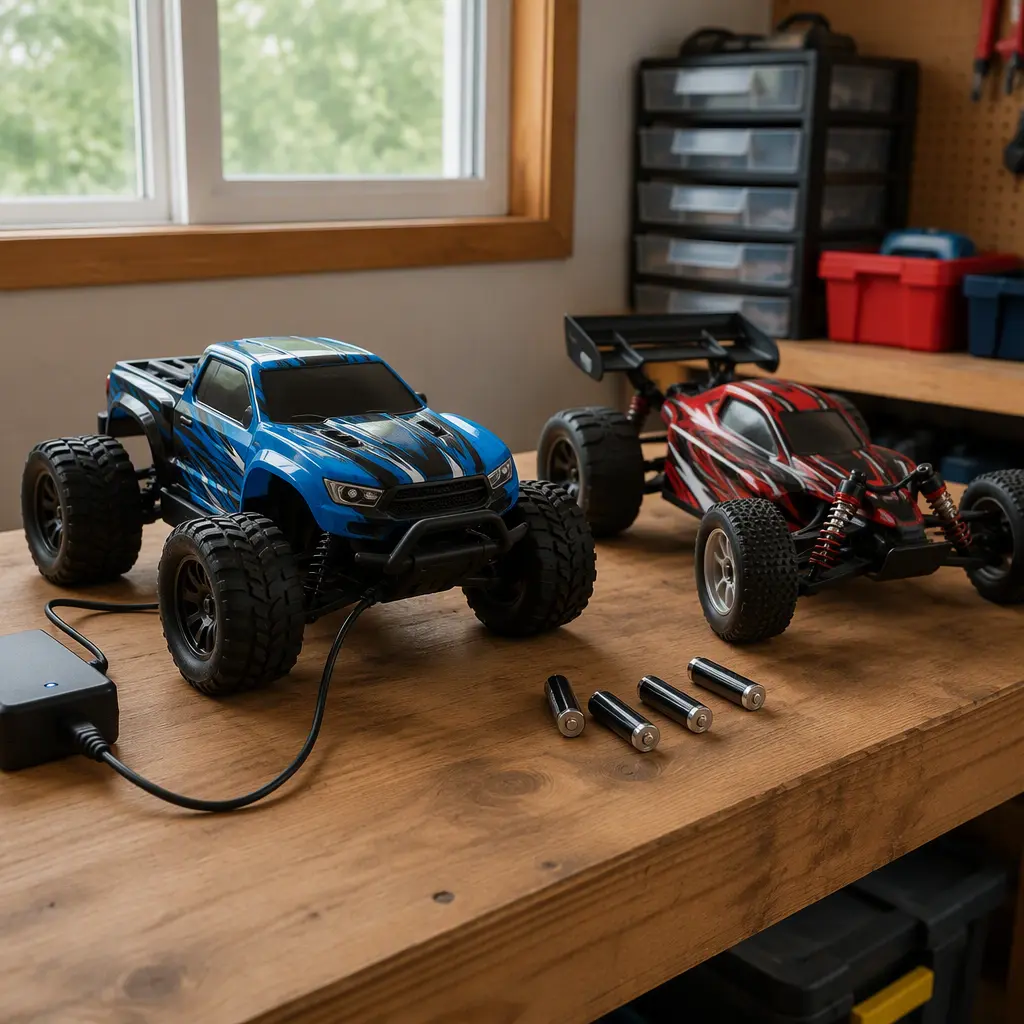
For many first-time RC car buyers, the biggest decision is not speed or styling but power type. Rechargeable RC cars and battery-powered models can look similar on the shelf, yet they differ in running costs, convenience, downtime, maintenance, and durability. For children aged 9–12, the right choice often depends on how frequently the car will be used, where it will be driven, and how much parent involvement is realistic. Some families want a quick toy that works occasionally with minimal setup, while others are looking for a hobby-style vehicle that can handle regular outdoor use. Understanding the trade-offs before buying can help avoid frustration after the first few sessions.
What to look for
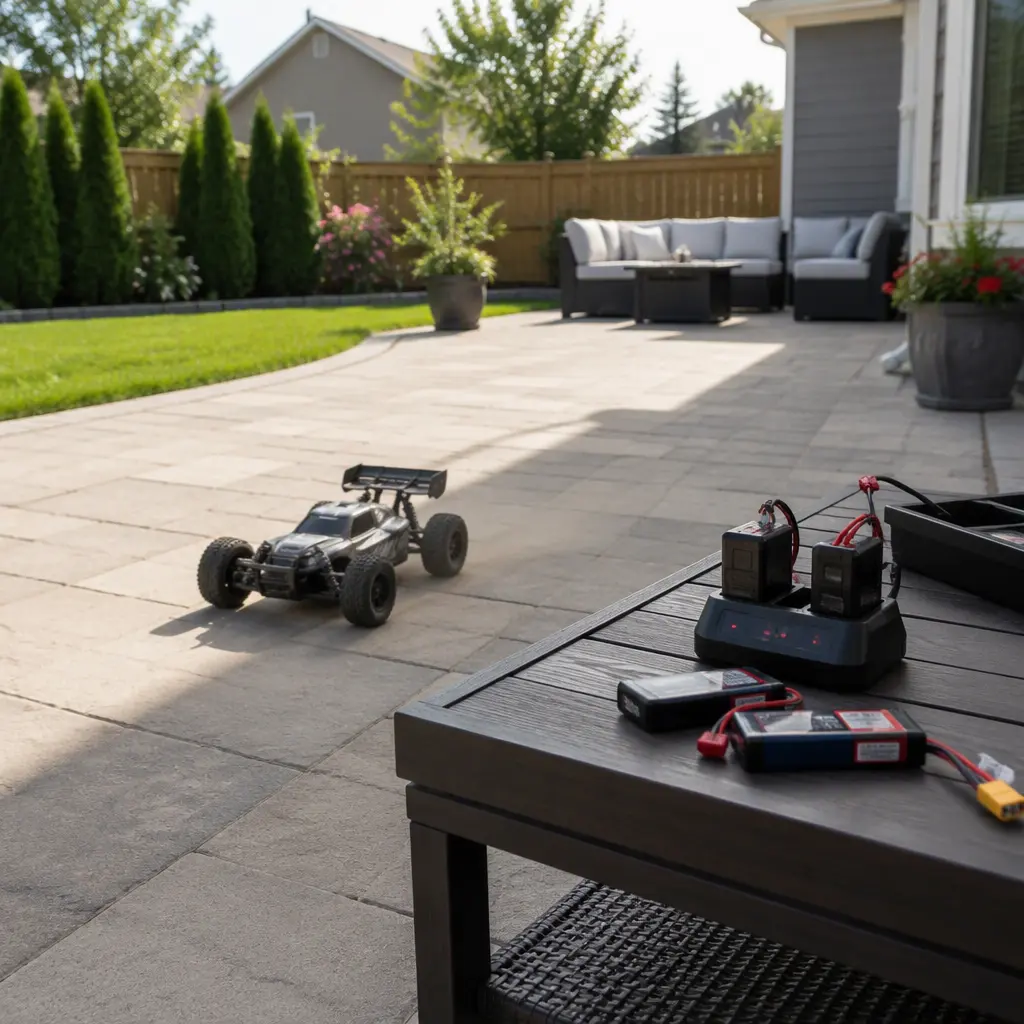
Power source affects far more than charging. It changes the overall ownership experience, including noise levels, replacement costs, repair likelihood, and how long play sessions can continue before interruptions. For ages 9–12, many children are ready for faster steering response and longer driving distances, but they may still need help with charging routines, battery storage, or basic maintenance.
- Rechargeable models usually cost more upfront but can reduce ongoing battery spending over time.
- Battery-powered RC cars often use AA or AAA batteries, which are convenient for occasional use but can become expensive with frequent play.
- Rechargeable packs may provide stronger acceleration and more consistent performance during use.
- Some entry-level rechargeable cars have sealed internal batteries that cannot be easily replaced later.
- Battery-powered models can be easier to restart quickly if spare batteries are already available at home.
- Charging times create downtime, especially if only one rechargeable pack is included.
- Larger RC cars often need more storage space and may be louder indoors on hard flooring.
- Outdoor driving on grass, gravel, or dirt typically requires sturdier wheels and stronger motors than indoor play.
Age suitability
Children aged 9–12 are usually capable of handling either power system, but the best fit depends on attention span and interest level. Rechargeable RC cars often suit children who expect longer outdoor sessions and are willing to learn basic care routines such as charging after use and avoiding water exposure. These models can feel more like a hobby product than a simple toy. Battery-powered cars may suit children who play less frequently or prefer shorter sessions indoors, especially if parents want a lower-commitment option. Families with younger siblings should also consider whether small removable batteries could become a storage or supervision issue. Some faster rechargeable vehicles may be frustrating for beginners if steering sensitivity is too high for tight indoor spaces.
Options compared
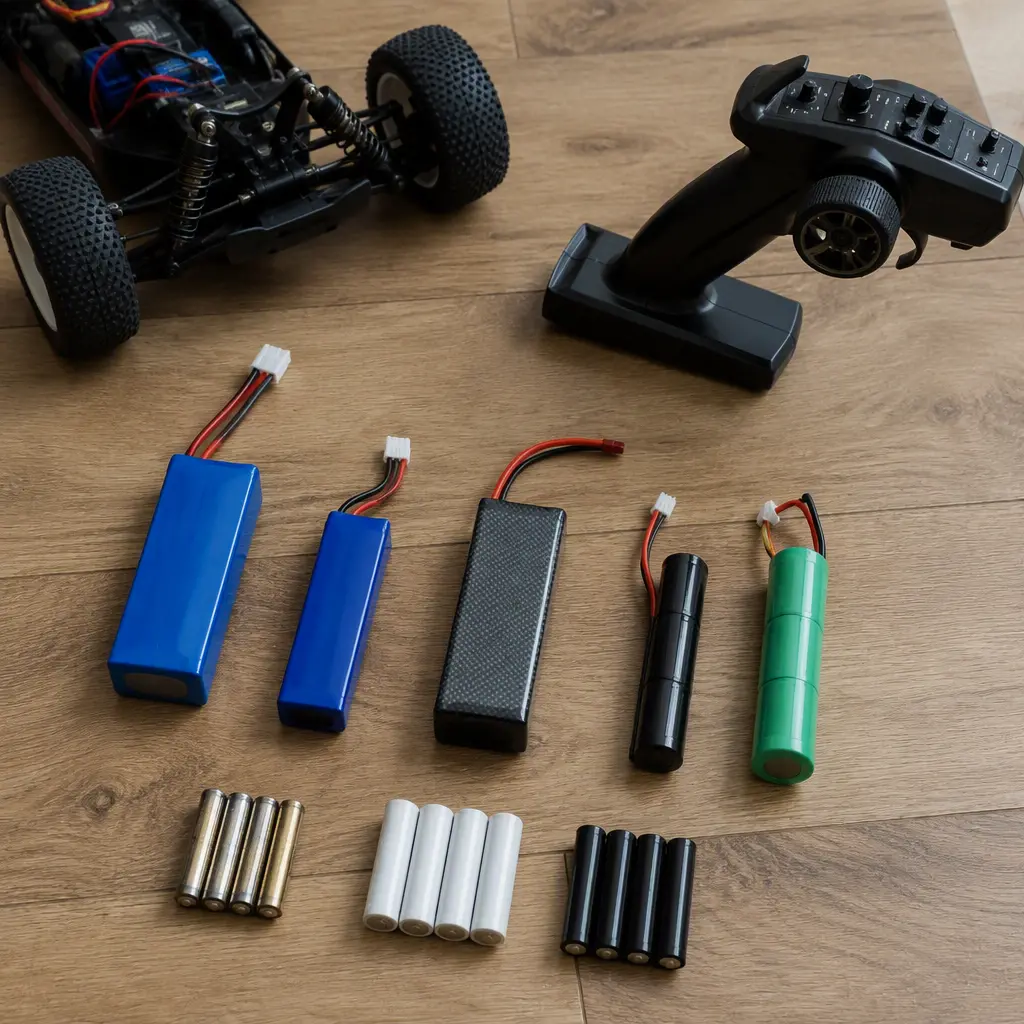
Rechargeable RC cars are often the better fit for children who expect frequent use. They tend to support longer outdoor sessions and may deliver steadier speed as the battery drains. Over months of regular play, rechargeable systems can reduce the cost and waste associated with disposable batteries. Many also include USB charging, which simplifies setup for families already using shared charging stations for electronics. However, downtime matters. If charging takes several hours and only one battery pack is included, play can end abruptly unless a second pack is purchased separately. Rechargeable models also require more consistent care. Batteries should not be left fully drained for long periods, and some packs gradually lose performance after repeated charging cycles.
Battery-powered RC cars can make more sense for occasional use or for children still deciding whether RC driving will become a long-term hobby. They are often simpler to store because parents can remove the batteries between uses without worrying about charge levels. Disposable batteries also make it easier to extend play immediately during travel, camping trips, or family gatherings if replacements are available nearby. The downside is ongoing cost. Faster RC cars can drain batteries quickly, especially during outdoor driving on rough surfaces. Performance may also drop noticeably as batteries weaken, leading to slower acceleration and less responsive steering. For households trying to reduce waste or avoid constantly replacing batteries, rechargeable models may become more practical over time.
- Rechargeable RC cars suit frequent outdoor play, longer sessions, and children interested in hobby-style driving.
- Battery-powered RC cars suit occasional use, travel, and families wanting a simpler setup.
- Rechargeable systems reduce disposable battery waste but require charging routines and storage care.
- Battery-powered models can restart quickly with fresh batteries but may cost more long term.
- Indoor apartment living may favor quieter, slower battery-powered models with smaller wheels.
- Larger rechargeable vehicles usually need more storage space and sturdier driving areas.
Frequently asked questions
How long do rechargeable RC car batteries usually last?
Battery life varies widely depending on motor size, driving surface, and speed settings. In general, smaller toy-grade RC cars may run for shorter sessions than larger hobby-style vehicles. Rechargeable batteries gradually lose capacity over repeated charging cycles, so replacement availability can matter for long-term use.
Are rechargeable RC cars always faster?
Not always. Some rechargeable RC cars are designed mainly for convenience rather than high speed. However, rechargeable systems often provide more consistent power output, which can improve acceleration and handling during longer sessions compared with disposable batteries as they weaken.
Which option is better for indoor play?
Smaller battery-powered RC cars are often easier indoors because they tend to be lighter, slower, and less noisy on hard floors. Larger rechargeable models can feel too fast for small rooms and may scuff furniture or walls during sharp turns.
Do rechargeable RC cars need more maintenance?
Usually yes. Rechargeable systems benefit from regular charging habits, proper storage, and keeping connectors clean and dry. Battery-powered models are generally simpler because batteries can be removed between uses, although corrosion from forgotten batteries can still become a problem.
Is one option better for travel?
Battery-powered RC cars can be more convenient during travel because replacement batteries are widely available and there is no need to wait for charging access. Rechargeable models work well for trips if charging points are easy to access and spare battery packs are packed safely.
Choosing between rechargeable and battery-powered RC cars comes down to how the toy will actually be used. Families expecting regular outdoor driving and repeated play sessions may find rechargeable models more practical despite the higher upfront cost and charging downtime. For occasional use, indoor driving, or lower-maintenance ownership, battery-powered RC cars can still be a sensible choice. Looking beyond speed and appearance toward storage, charging habits, supervision needs, and long-term running costs usually leads to a better first purchase.