Are Sound-Activated Toys Safe for Toddlers?
A parent-focused guide to sound-activated toys for ages 1–2, covering safe volume levels, durability, startle risks, and what to check before buying.
Compare prices and availability
Check current prices and availability for this guide on eBay.
As an eBay Partner, we may be compensated if you make a purchase.
Sound-activated toys respond to claps, voices, or nearby noise, often lighting up or playing sounds. For toddlers ages 1–2, these toys can be engaging and encourage cause-and-effect learning. At the same time, parents often wonder whether sudden sounds, electronics, and small moving parts are appropriate for this age. This guide explains what to know about volume, durability, and startle risks so you can make informed choices.
What to look for
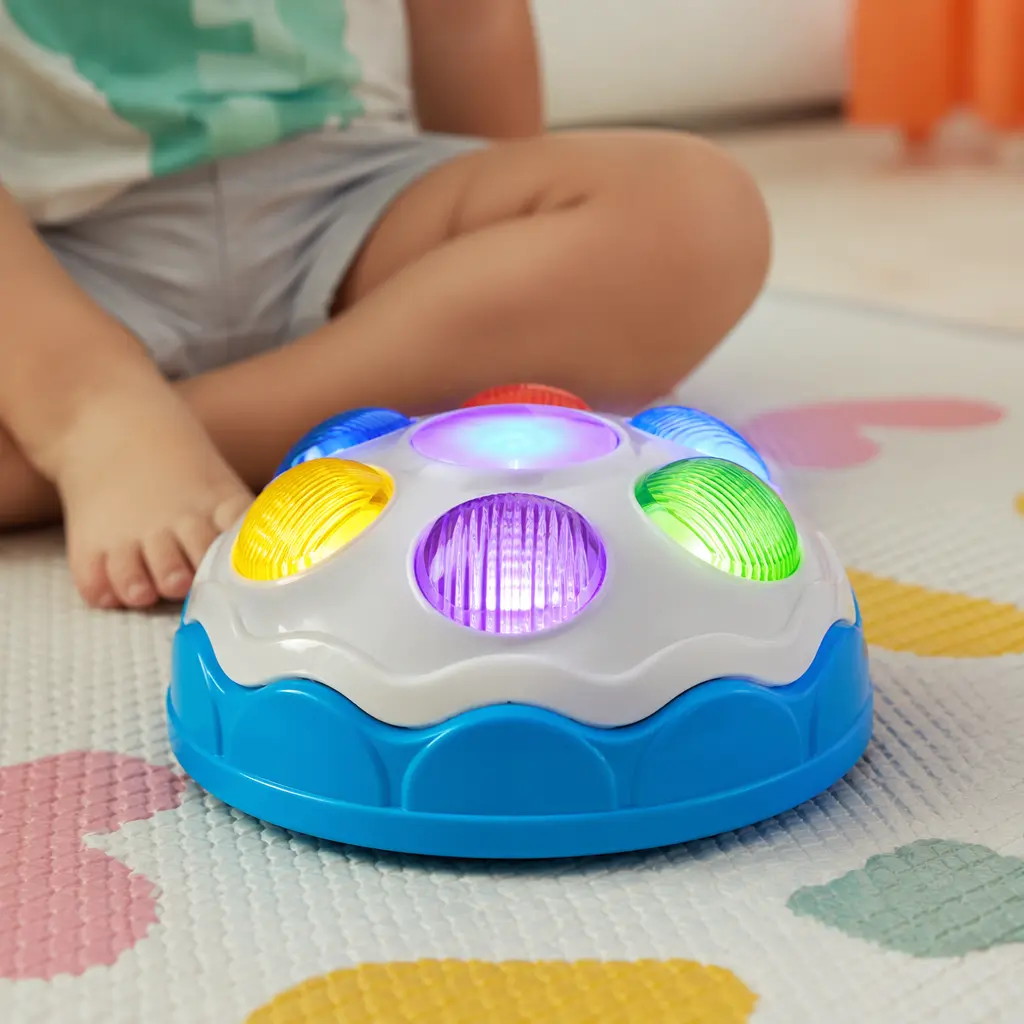
Not all sound-activated toys are designed with very young children in mind. When shopping for toddlers, safety and simplicity matter more than extra features. Pay attention to how loud the toy can get, how it is built, and how predictable its responses are.
- Volume control or clearly low maximum volume to protect sensitive ears
- Gradual or gentle sound responses instead of sudden, sharp noises
- Sturdy construction that can handle drops, chewing, and rough handling
- Sealed battery compartments secured with screws
- Simple activation that does not require precise clapping or shouting
- Clear age labeling that includes toddlers, not just older children
Age suitability
For children 1–2 years old, sound-activated toys should be very basic. At this stage, toddlers are still developing emotional regulation and may be easily startled by loud or unexpected sounds. Toys that respond softly and consistently are generally more appropriate than those designed to surprise or entertain older kids. If a toy’s main appeal is loud music, fast flashing lights, or unpredictable reactions, it may be better suited to an older age group.
Standout categories or types
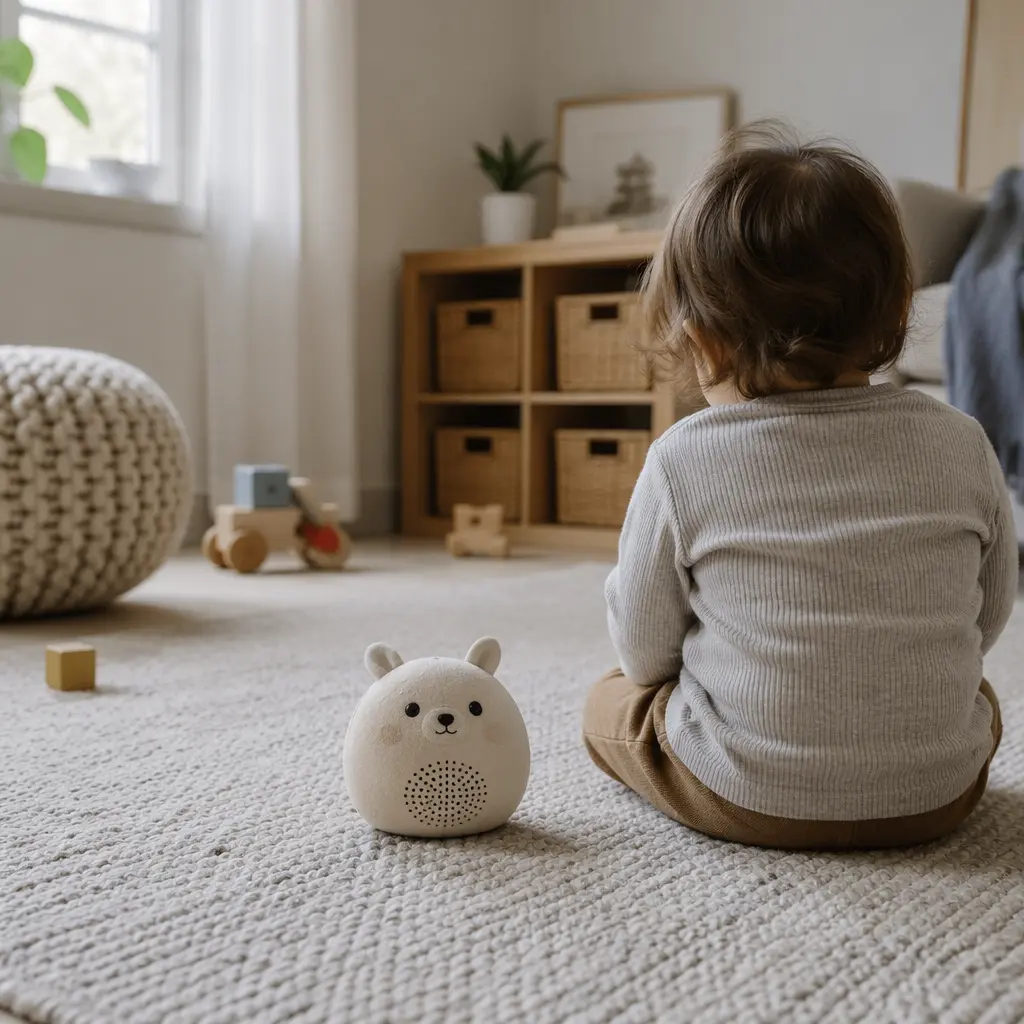
Sound-activated toys for toddlers generally fall into a few broad categories. Understanding these types can help you decide which ones are more likely to be safe and enjoyable for your child.
- Soft interactive toys that play gentle sounds or music when they detect noise
- Simple cause-and-effect toys that respond with lights or movement rather than loud audio
- Musical toys with limited sound ranges designed for early learning
- Activity toys that combine sound activation with tactile features like buttons or textures
Frequently asked questions
Can sound-activated toys damage a toddler’s hearing?
They can if the volume is too high or if the toy is used frequently at close range. Toddlers’ ears are more sensitive than adults’. Choosing toys with low volume output and limiting continuous play time helps reduce the risk.
Are startle reactions harmful for toddlers?
Occasional surprise is not usually harmful, but repeated startle responses can lead to stress or fear around play. Toddlers thrive on predictability, so toys that react in calm, expected ways are generally a better fit.
Do sound-activated toys encourage speech development?
They can support early communication by reinforcing cause and effect, but they should not replace human interaction. Talking, singing, and reading with your child are still the most effective ways to support speech development.
What about durability and choking hazards?
Durability is especially important for electronic toys. Look for designs with no small detachable parts and strong seams or casings. Any loose components, including battery covers, should be inaccessible to little fingers.
Sound-activated toys can be safe and enjoyable for toddlers when chosen carefully. By focusing on gentle sound levels, solid construction, and age-appropriate design, parents can reduce risks and support positive play experiences. As with all toddler toys, supervision and observing your child’s reactions are key to deciding what works best.