Best UK AI Toys With Physical Camera Covers in 2026
A parent-focused guide to AI toys with visible camera covers, including privacy trade-offs, offline usefulness, app dependence and age suitability for UK families.
Compare prices and availability
Check current prices and availability for this guide on eBay.
As an eBay Partner, we may be compensated if you make a purchase.
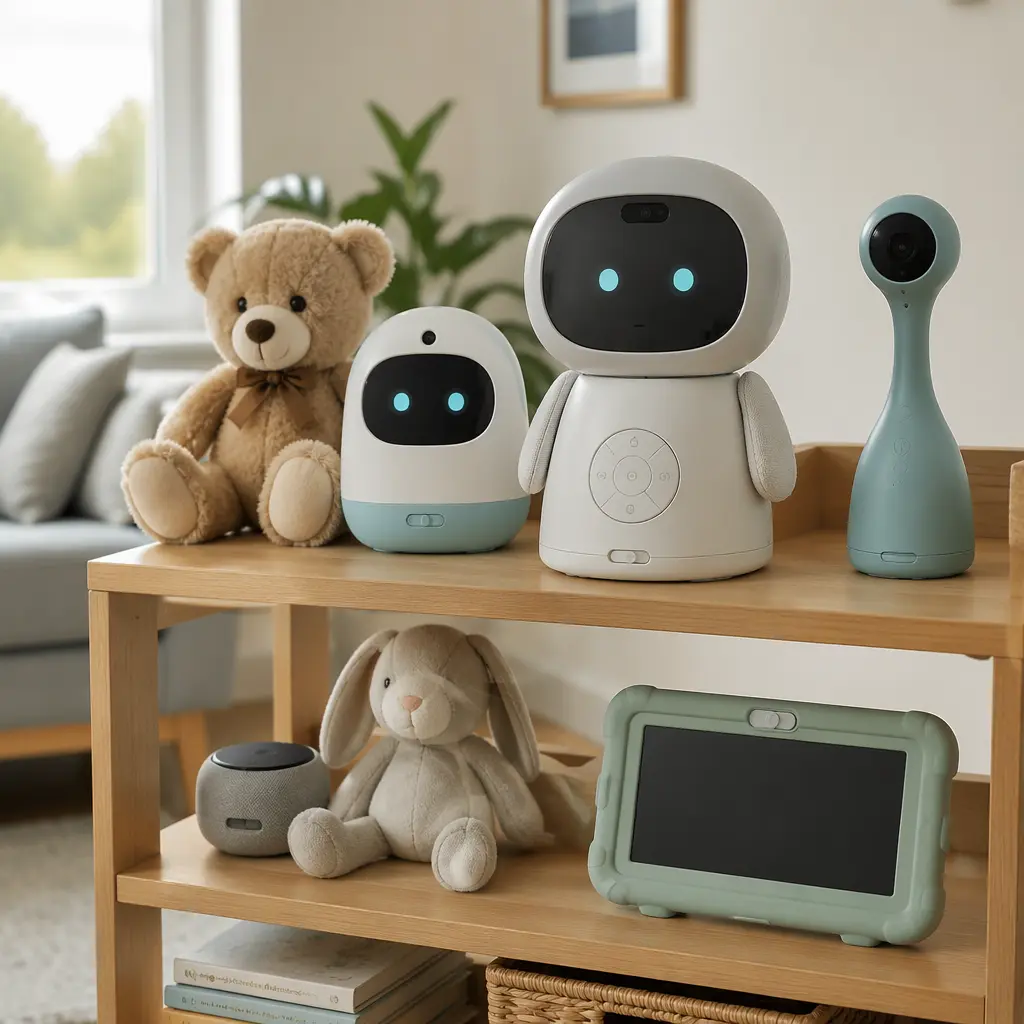
AI toys aimed at children aged 6 to 8 increasingly include cameras, microphones and cloud-connected features for conversations, games or learning activities. For many families, the key question is not whether a toy uses AI at all, but whether privacy controls are easy to understand and physically visible. A sliding camera cover, hardware mute switch or obvious recording indicator gives children and adults a clearer signal than an app setting buried in menus. In the UK market, connected toys range from conversational robots and coding companions to smart plush toys and interactive learning devices. The best fit depends on how much connectivity your household is comfortable with, whether the toy still works offline, and how much ongoing supervision or setup you are willing to manage.
What to look for
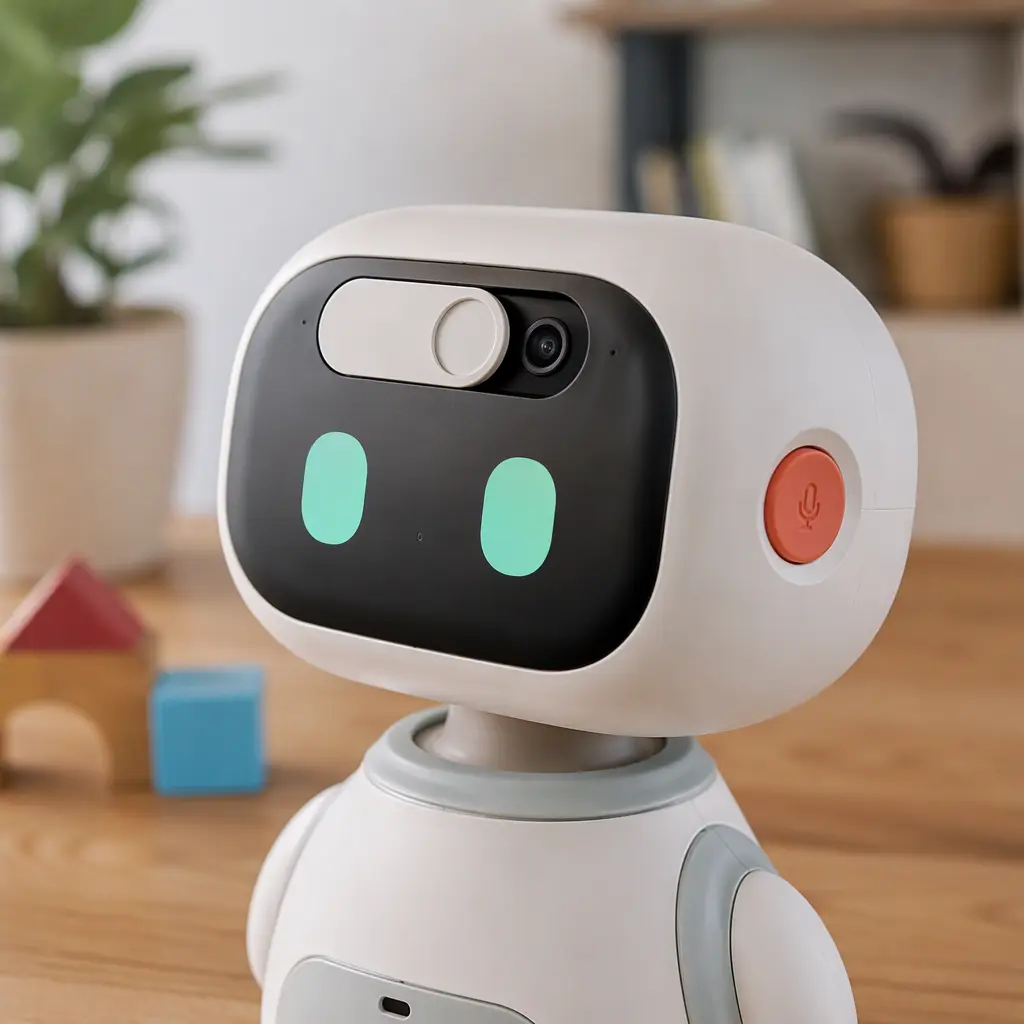
A physical privacy feature matters because it gives immediate feedback. Children can see when a camera is blocked or a microphone is disabled without relying on software menus. That does not automatically make a toy private or secure, but it can reduce accidental recording and make household rules easier to follow. Parents should also look at how much of the toy's functionality depends on cloud services, since some AI toys lose major features if servers close or subscriptions expire. UK buyers may also want to check where data is stored, whether parental controls are available in English-language apps, and whether setup requires a separate smartphone or tablet.
- Visible sliding camera covers are generally easier for children to understand than app-only privacy settings.
- Hardware mute buttons are useful for bedrooms or shared family spaces.
- Check whether core play features still work without Wi‑Fi or an active app connection.
- Look for clear parental controls covering contacts, recordings and purchasing permissions.
- Battery life and charging method matter for travel and shared family use.
- Consider support lifespan and software updates, especially for expensive connected toys.
- Some AI toys require subscriptions, token systems or paid cloud features after setup.
- Large robotic toys may create storage and noise issues in smaller homes or flats.
Age suitability
Most AI toys marketed for ages 6 to 8 work best when a parent helps with setup, account creation and privacy settings. Children in this age group can usually understand simple rules such as covering cameras when not in use or muting microphones during homework time, but they are less likely to recognise targeted advertising, data requests or online social features. Simpler AI-assisted learning toys with guided activities are often easier to manage than open-ended conversational systems. Families who prefer fully screen-free play may find that even privacy-conscious AI toys still introduce more app management and charging routines than expected. For children who already enjoy coding kits, robotics or voice assistants at home, connected toys with visible privacy controls can feel more transparent and less confusing than devices where recording status is unclear.
Options compared
Robot-style AI toys are usually the category most likely to include physical privacy controls because they often combine cameras, voice interaction and movement. Some include sliding lens covers or manual lens caps that visibly block image capture. These toys can suit children interested in coding, routines and interactive storytelling. The trade-off is that they are often larger, more expensive and more dependent on apps or cloud services. Parents in smaller homes may also find that robotic toys generate more noise and require more charging space than expected.
Smart plush toys and conversational companions are softer and less intimidating for younger children, but privacy features vary widely. Some include microphone mute switches without camera hardware at all, while others rely mostly on app controls. These toys may work well for children who enjoy imaginative play and bedtime storytelling, although parents should check whether internet connectivity is needed for core interactions. Learning tablets and AI-assisted educational devices can provide visible camera shutters similar to laptops, which may appeal to families already comfortable with supervised educational screen time. However, these products sometimes shift quickly toward app ecosystems, subscriptions or content marketplaces rather than standalone toy play.
- Robot companions: best for coding interest, interactive games and active play; often louder, larger and more app-dependent.
- AI learning devices: useful for structured educational activities; may overlap heavily with tablet use.
- Smart plush toys: quieter and easier to store; usually simpler interactions and fewer advanced features.
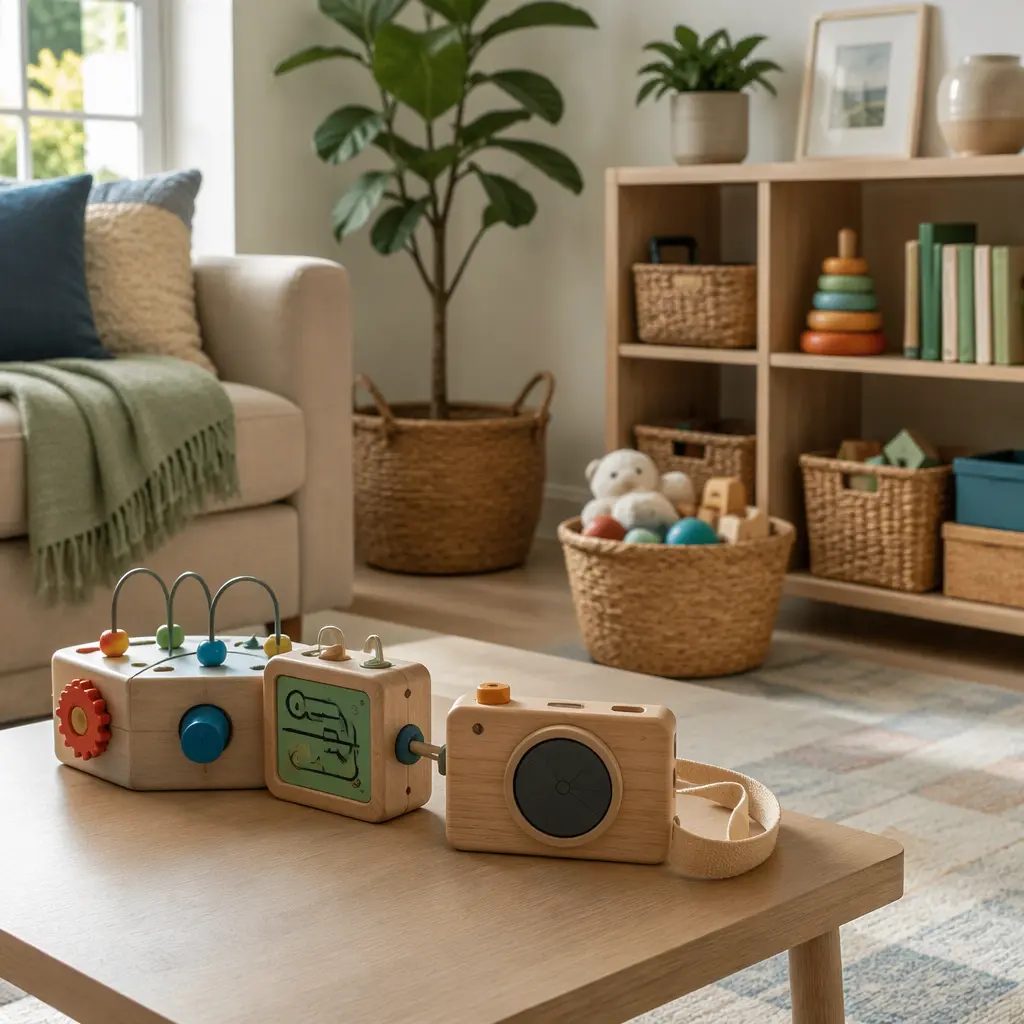
- Offline-capable hybrids: limited AI features but fewer privacy and connectivity concerns.
- Camera-free voice toys: useful for families prioritising lower data collection while still allowing speech interaction.
Frequently asked questions
Do physical camera covers make AI toys fully private?
No. A physical camera cover only blocks the camera itself. Toys may still use microphones, cloud connections or app data collection. A visible cover is useful because it gives a simple, reliable indication that the lens is blocked, but families should still review app permissions, account settings and manufacturer privacy information.
Are AI toys useful without subscriptions?
It depends on the product category. Some toys continue to offer games, coding activities or offline responses without extra payments, while others place advanced conversations or content libraries behind subscriptions or credit systems. Before buying, check whether the toy's main advertised features require ongoing fees or cloud access.
What matters more: a mute switch or a camera cover?
For many households, microphone controls matter more because voice recording is central to most AI toy functions. However, a physical camera cover is often easier for children to understand visually. The strongest combination is a toy that includes both hardware controls and clear status indicators.
Can these toys work safely in shared family homes?
They can work well when used with clear household rules. Many parents prefer keeping connected toys in living rooms rather than bedrooms, especially if younger siblings may interact with them unsupervised. Shared charging stations and regular privacy-setting reviews can also help reduce confusion.
How long do connected toys usually stay supported?
Support periods vary widely. Some manufacturers provide software updates for years, while others quietly reduce app support or cloud services after a shorter period. Toys with meaningful offline features are generally less risky because they remain usable even if online functions change later.
For UK families comparing AI toys in 2026, visible privacy controls are becoming an important buying factor rather than a niche feature. A simple sliding camera cover or hardware mute switch does not remove every data concern, but it can make connected play easier to understand for both adults and children. The best choice depends on how much online functionality your family actually wants, whether the toy still feels useful offline, and how comfortable you are managing apps, updates and connected accounts over time.