Pretend Play Toys That Replace Screens on Rainy Days
A parent-focused guide to pretend play toys for ages 3–5 that keep kids engaged on rainy days, with tips on what to look for, age fit, safety, and common questions.
Compare prices and availability
Check current prices and availability for this guide on eBay.
As an eBay Partner, we may be compensated if you make a purchase.
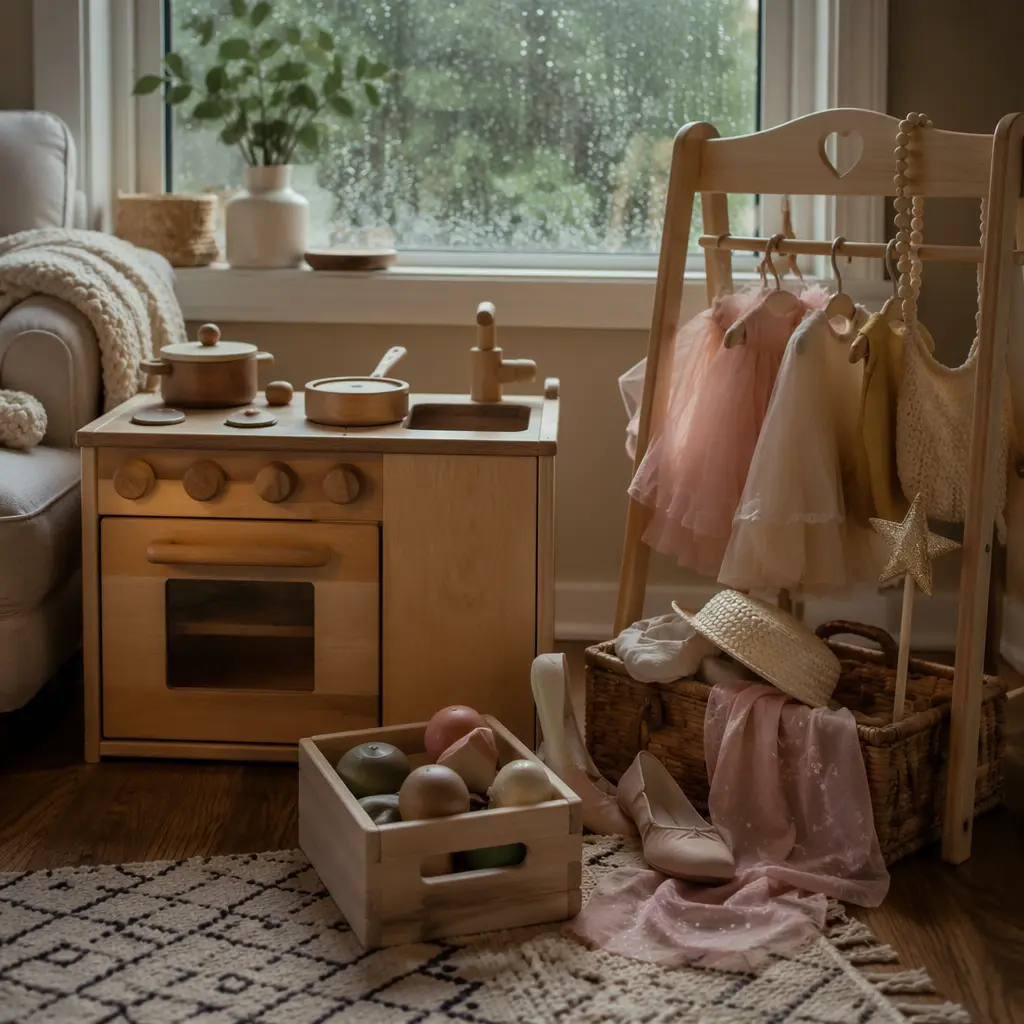
Rainy days can turn into long afternoons indoors, especially for preschoolers who thrive on movement and imagination. Pretend play toys offer a screen-free way to keep children ages 3–5 engaged, busy, and learning. By acting out familiar roles—like cooking, caring, building, or helping—kids practice language, social skills, and problem-solving while staying absorbed for longer stretches than many passive activities.
What to look for
Not all pretend play toys hold attention the same way. For rainy days, the goal is open-ended play that invites children to invent stories and return to the toys again and again. These features help make that happen.
- Open-ended pieces: Items that can be used in many ways encourage creativity and longer play sessions.
- Familiar themes: Everyday roles like home, shop, or helpers are easier for young children to act out.
- Sturdy construction: Indoor play can still be active, so durable materials matter.
- Simple setup: Toys that don’t require batteries or complicated assembly are easier to start and stop.
- Room to grow: Sets that can be expanded or combined with other toys stay relevant as skills develop.
Age suitability
For ages 3–5, pretend play shifts from simple imitation to more detailed storytelling. Children in this range enjoy acting out short sequences—preparing a meal, fixing something, or caring for a doll—and repeating them with small variations. Look for toys sized for preschool hands, with clear visual cues and minimal small parts. At this age, kids often play side by side at first and then gradually move into cooperative play, making role-play sets a good fit for siblings or playdates on rainy afternoons.
Standout categories or types
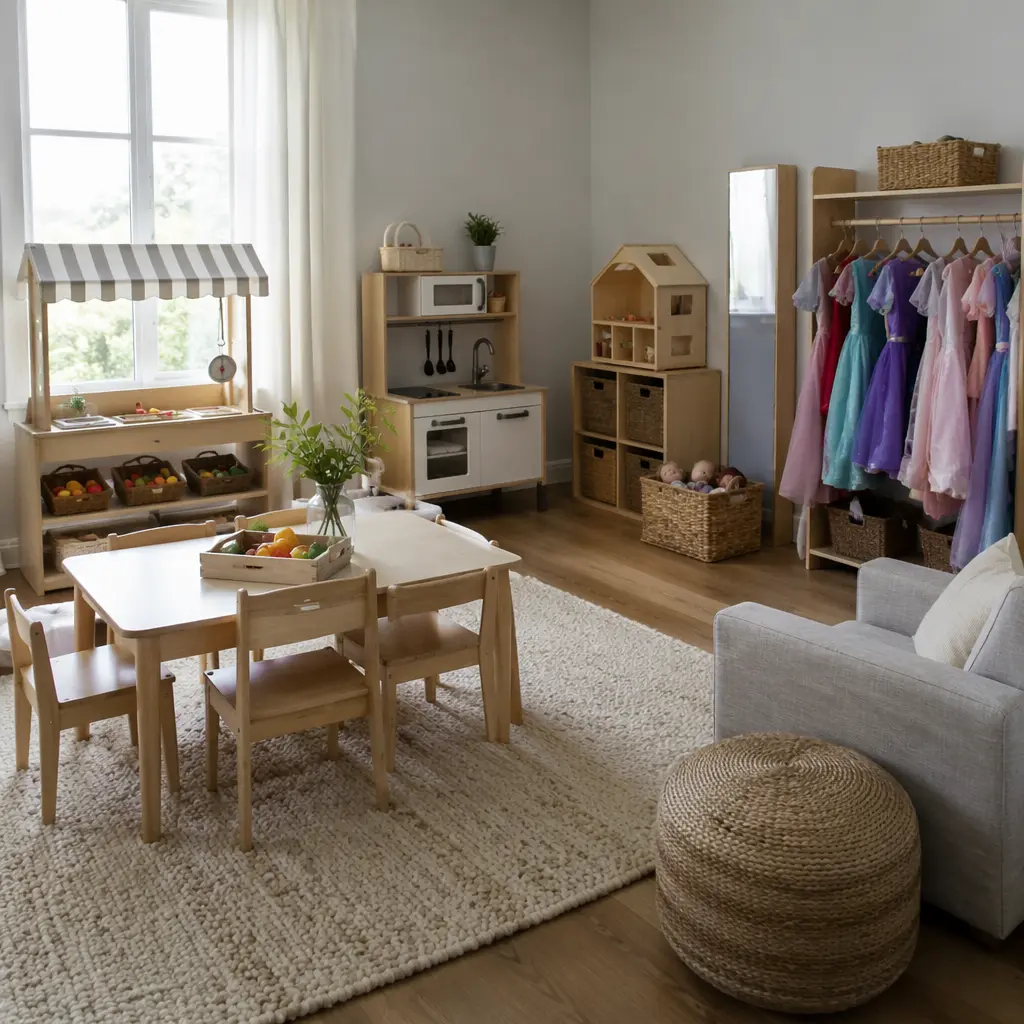
Certain types of pretend play toys are especially effective at replacing screens because they invite movement, conversation, and imagination. Rotating a few categories rather than offering everything at once can also help keep interest high.
- Home and kitchen play: Cooking, cleaning, and hosting play scenarios are familiar and easy to repeat with new twists.
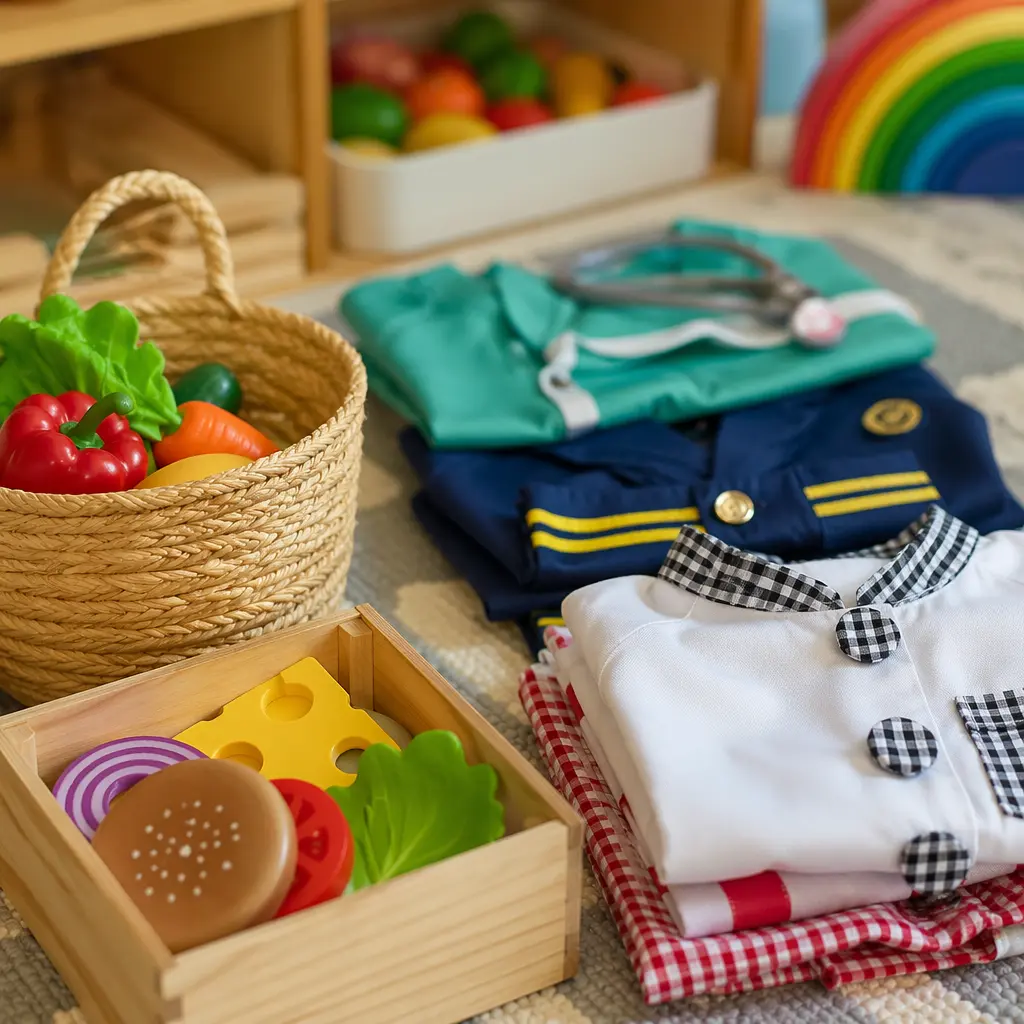
- Dress-up and role costumes: Simple outfits and accessories let kids become helpers, animals, or characters they invent themselves.
- Care and nurturing play: Dolls, stuffed animals, and care accessories support empathy and storytelling.
- Shop and market play: Pretend buying and selling encourages counting, turn-taking, and language skills.
- Builder and fixer sets: Tool or building-themed play adds problem-solving and hands-on action to indoor days.
Frequently asked questions
Why is pretend play good for reducing screen time?
Pretend play actively involves children in creating stories rather than consuming content. Because kids are making decisions and moving their bodies, they often stay engaged longer and don’t ask for screens as quickly.
How long will a 3–5 year old typically play with these toys?
Playtime varies by child, but many preschoolers can stay involved for 20–45 minutes, especially when the toys are familiar and open-ended. Breaking play into short sessions throughout the day can also help.
Do I need a large play space?
No. Many pretend play setups work well in small areas like a corner of the living room. Choosing compact or fold-away pieces makes it easier to reset the space when playtime is over.
Should parents join in or let kids play alone?
Both approaches are useful. Joining briefly can help start the story, while stepping back lets children lead and build independence. Following your child’s cues usually works best.
On rainy days, pretend play toys can turn indoor time into meaningful, screen-free play. By choosing age-appropriate, open-ended sets and rotating themes, parents can help preschoolers stay engaged, imaginative, and happily busy—no devices required.