Best Ride-On Toys for Toddlers Who Hate Sitting Still
A buyer’s guide to active ride-on toys for ages 1–2 that encourage steering, scooting, and movement—plus safety tips, age fit, and categories to help parents choose.
Compare prices and availability
Check current prices and availability for this guide on eBay.
As an eBay Partner, we may be compensated if you make a purchase.
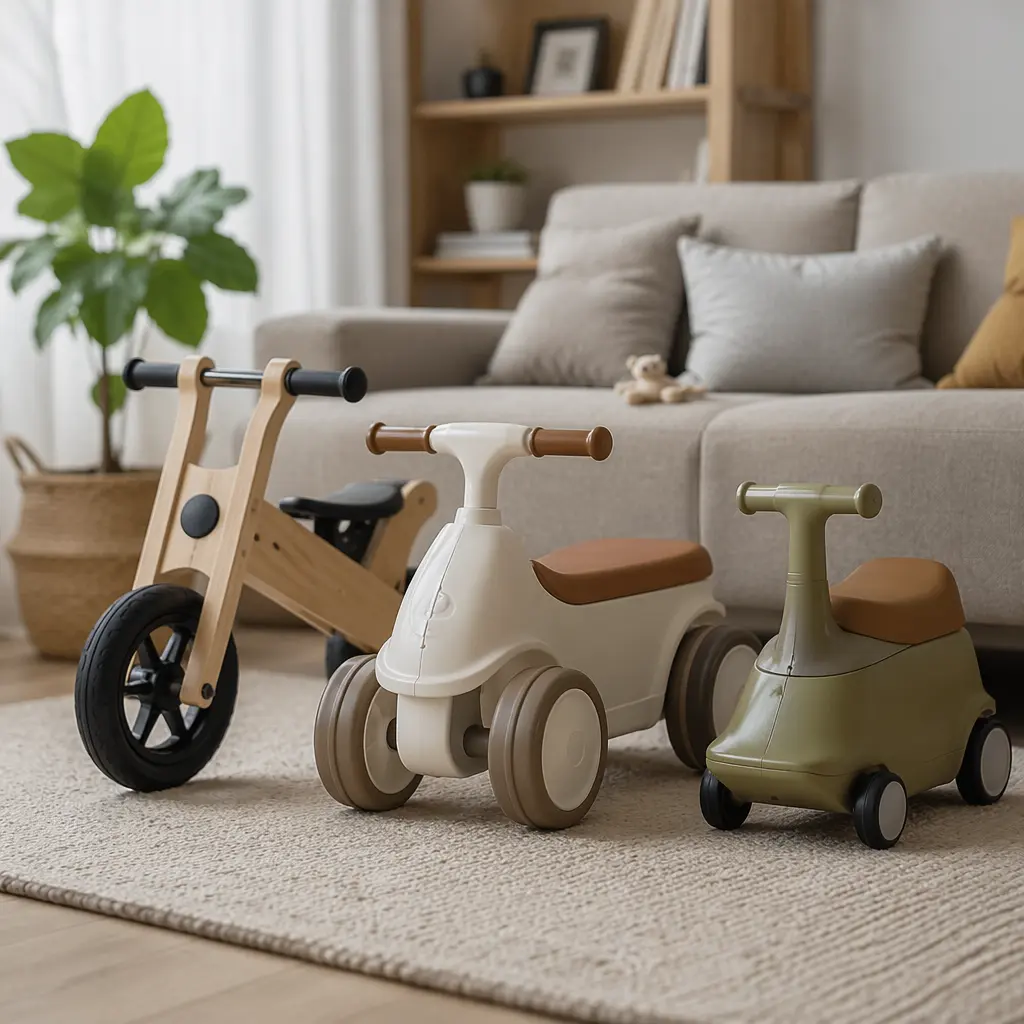
Some toddlers seem powered by motion. For children ages 1–2 who resist sitting still, the right ride-on toy can turn that energy into skill-building play. This guide focuses on ride-ons that invite steering, scooting, and self-propelled movement—rather than passive pushing—so active toddlers can explore while practicing balance, coordination, and confidence.
What to look for
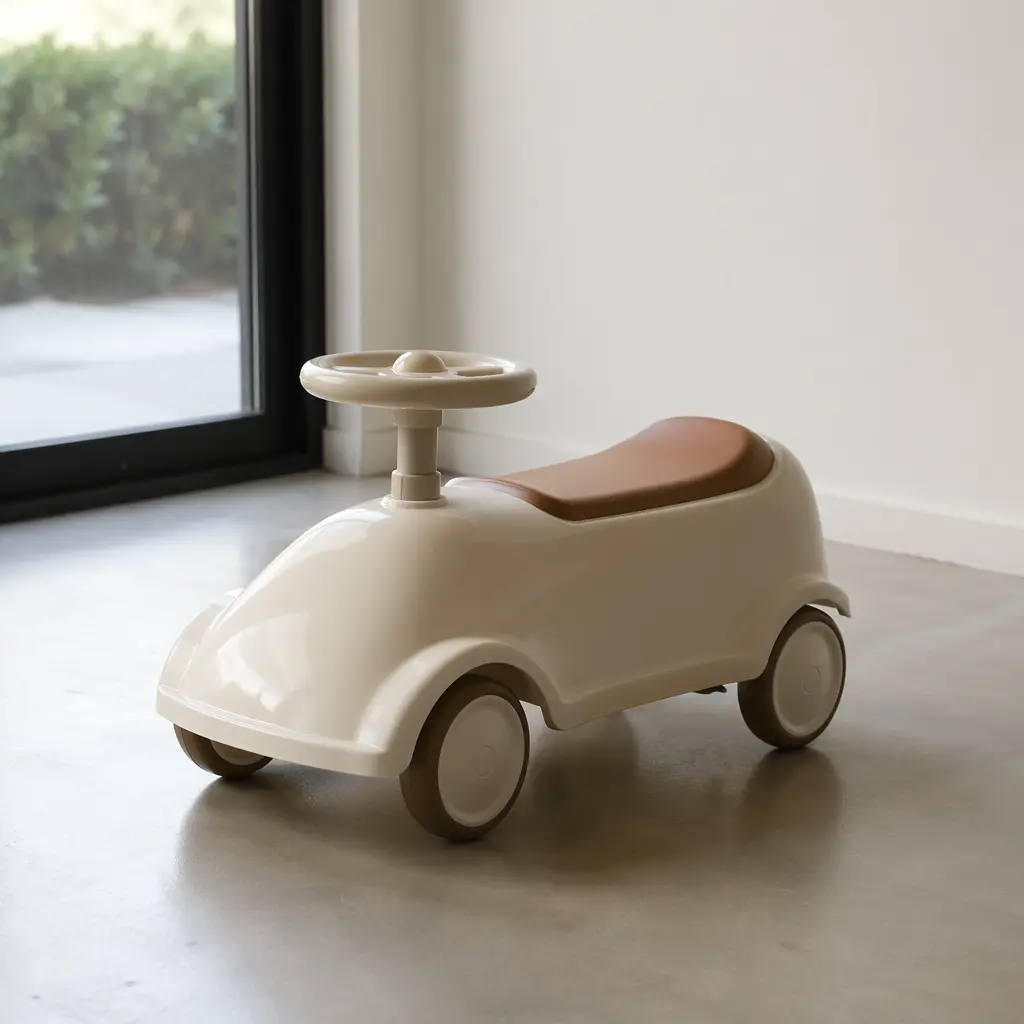
For busy toddlers, the best ride-ons are simple, sturdy, and responsive. The goal is to let the child do the work—pushing off, steering, and correcting balance—without complicated features that slow them down. Keep these criteria in mind when comparing options.
- Self-propulsion: Look for designs that move when a child pushes with their feet, not when an adult pushes from behind.
- Steering or turning: A front wheel or handle that turns helps toddlers practice direction changes and body control.
- Low seat height: A low center of gravity makes it easier for early walkers to climb on and stabilize themselves.
- Lightweight build: Lighter ride-ons are easier for toddlers to maneuver and less frustrating when they tip or get stuck.
- Indoor-friendly wheels: Smooth, quiet wheels work well on hardwood or tile and reduce scuffing.
Age suitability
For ages 1–2, fit matters more than features. Most children in this range are transitioning from early walking to confident movement, so ride-ons should match their leg length and strength. A seat that allows both feet to rest flat on the ground supports safe scooting. Adjustable elements can extend usefulness, but even fixed designs can work well if sized appropriately. Always check the manufacturer’s age and height guidance, and remember that developmental readiness varies widely at this stage.
Standout categories or types
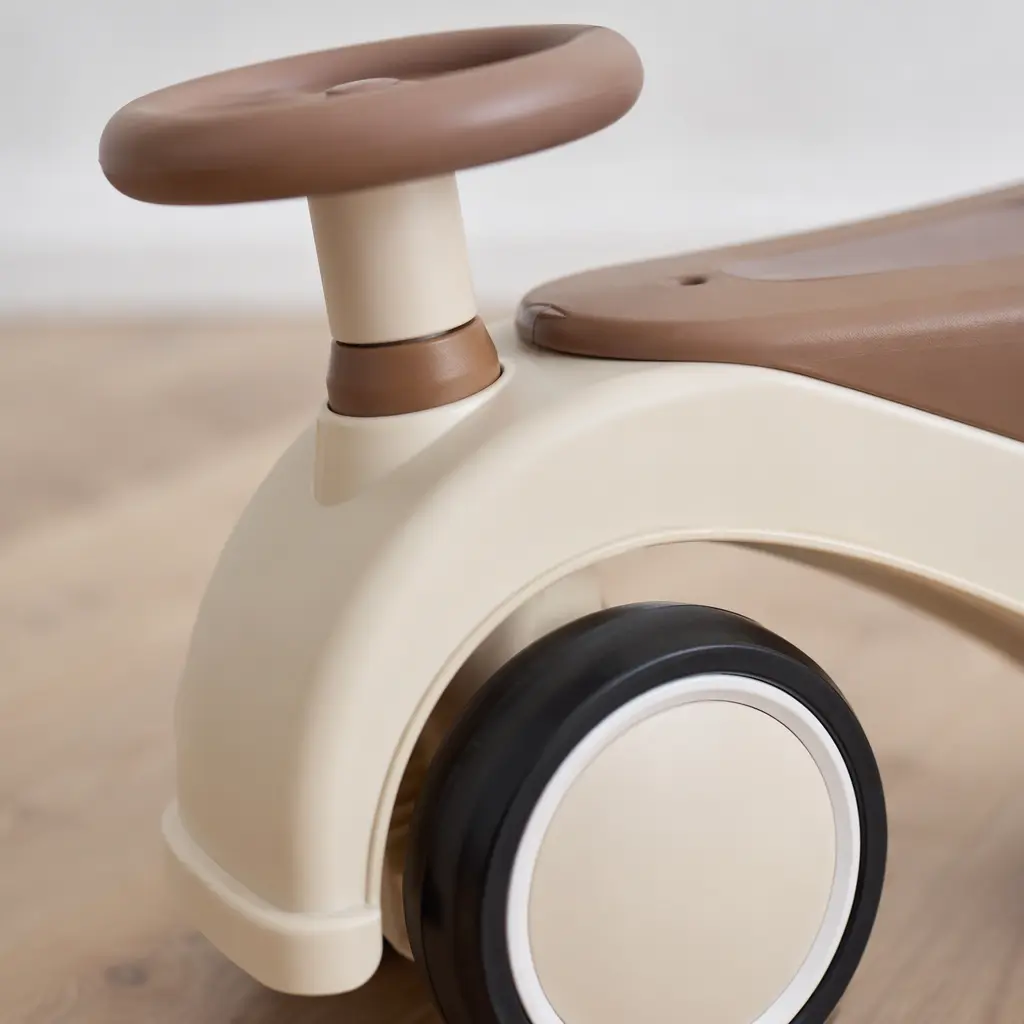
Not all ride-ons encourage the same kind of movement. If your toddler prefers constant motion, these categories tend to deliver the most engagement.
- Balance-style ride-ons: These focus on scooting and steering without pedals, helping toddlers learn to shift weight and maintain balance.
- Wiggle or twist ride-ons: Powered by side-to-side motion, these reward active body movement and keep kids engaged indoors.
- Minimalist push-scoot hybrids: With a simple seat and handlebars, these allow toddlers to push off and steer without extra attachments.
- Outdoor-friendly scoot cars: Designed for sidewalks and patios, these often have slightly larger wheels for smoother rolling.
For toddlers who dislike being pushed, avoid stroller-style ride-ons with parent handles. While convenient for adults, they often limit a child’s chance to practice independent movement. Simpler designs typically hold attention longer for high-energy kids.
Frequently asked questions
Are ride-on toys good for toddler development?
Yes. Active ride-ons support gross motor development by encouraging leg strength, balance, and coordination. Steering and navigating obstacles also build spatial awareness and problem-solving skills.
What’s the difference between a ride-on and a balance bike at this age?
Ride-ons for ages 1–2 typically have lower seats and a more stable feel than balance bikes. Balance bikes often suit slightly older toddlers with stronger coordination, while ride-ons meet younger children where they are developmentally.
Can ride-ons be used indoors?
Many can. Look for smooth wheels and compact designs that turn easily in tight spaces. Always protect floors as needed and set clear boundaries to avoid collisions with furniture.
How long will a toddler use a ride-on?
Usage varies, but many children enjoy active ride-ons from around 12 months through age 2 or beyond. Growth-adjustable features can extend playtime, though interest often depends on how well the toy matches a child’s energy level.
For toddlers who never stop moving, the best ride-on toys are those that let them lead the action. By choosing a design that emphasizes self-propelled movement, parents can support healthy activity while giving energetic kids a fun, focused outlet for all that motion.