Ride-On Toys That Teach Turning, Not Just Pushing
A buyer’s guide to ride-on toys that help ages 3–5 learn steering and control. Learn what features matter, which types build real turning skills, and how to choose safely.
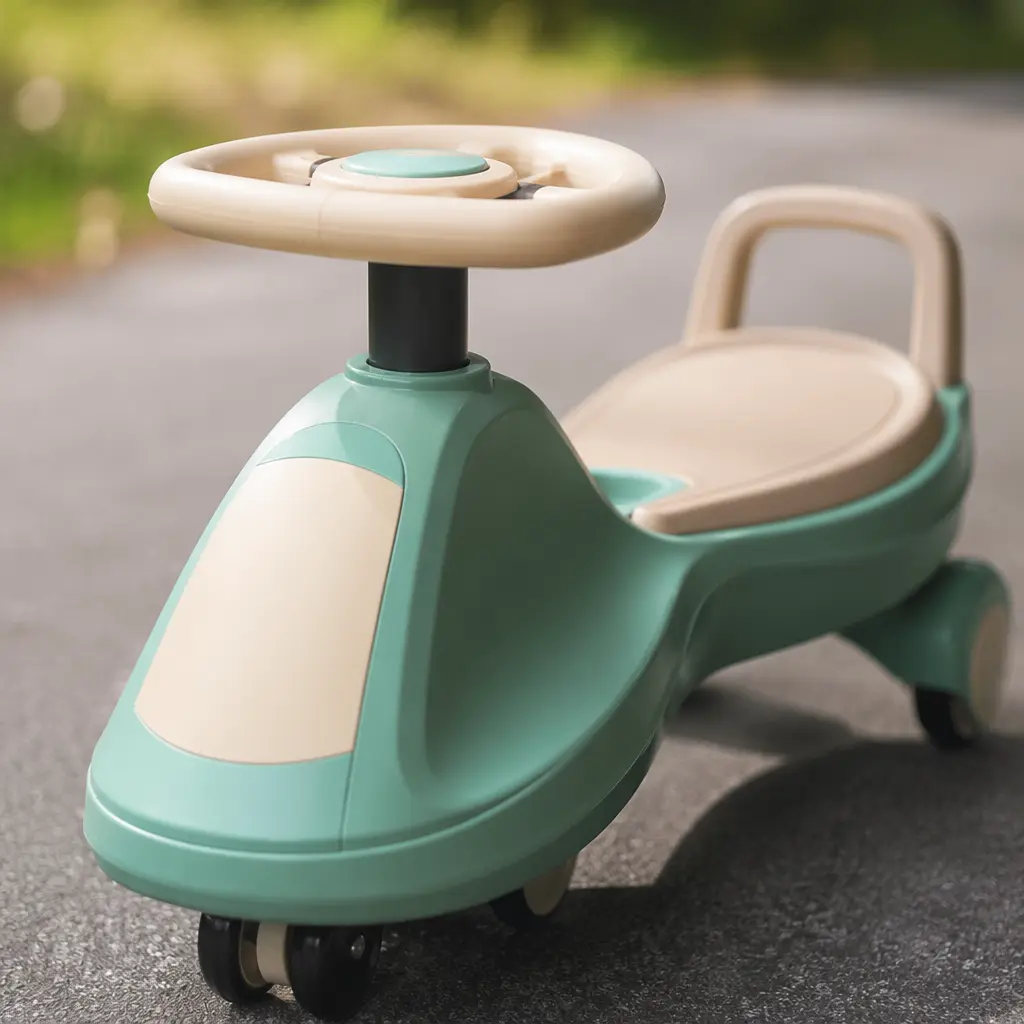
Compare prices and availability
Check current prices and availability for this guide on eBay.
As an eBay Partner, we may be compensated if you make a purchase.
Many ride-on toys move when kids push with their feet, but not all of them help children learn how to steer. For preschoolers, turning is a separate skill that builds coordination, balance, and early decision-making. Ride-ons that focus on steering—rather than just forward motion—can help kids understand how their movements affect direction, speed, and control. This guide explains what to look for when choosing a ride-on that teaches real turning skills for ages 3–5.
What to look for
Steering-focused ride-ons share a few design traits that make turning intentional rather than accidental. These features help children practice guiding the toy where they want it to go, instead of relying on momentum or wide, uncontrolled arcs.
- Active steering input: A handlebar, wheel, or leaning system that clearly changes direction when used
- Predictable response: Turning should feel smooth and proportional, not jerky or overly loose
- Stable wheelbase: Enough width and balance to allow turning without tipping easily
- Foot-powered movement: Lets kids control speed while learning to coordinate steering
- Appropriate resistance: Slight resistance in the steering can help kids feel cause and effect
Age suitability
For children ages 3–5, ride-ons should match developing strength and coordination. At this stage, many kids can pedal or push confidently, but they are still learning how to plan turns and adjust their body position. A good fit allows the child’s feet to rest flat on the ground while seated, with steering controls within easy reach. Adjustable seat heights or designs that accommodate growth can extend usability across multiple years within this age band.
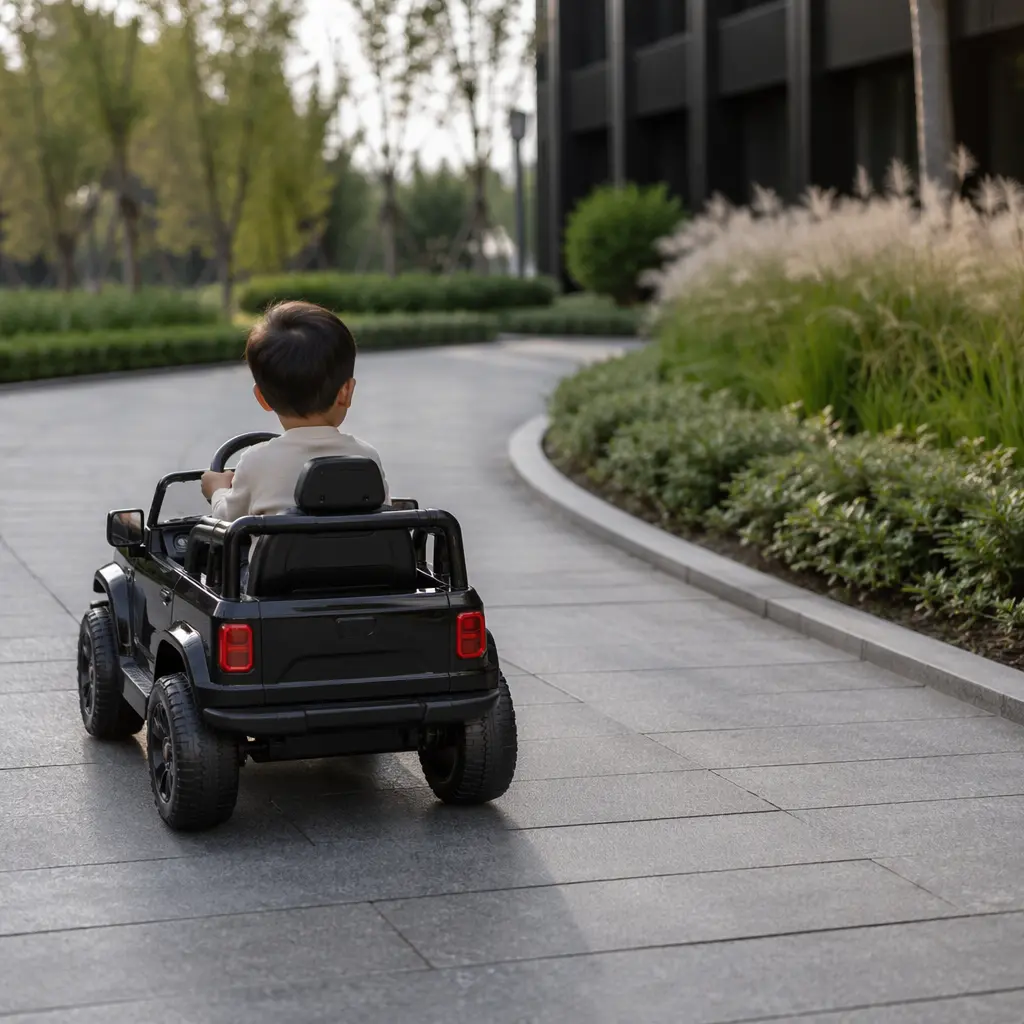
Standout categories or types
Some ride-on styles are better than others at teaching turning. The differences often come down to how steering is activated and how clearly the toy responds to the child’s input.
- Handlebar-steered ride-ons: These mimic bicycles or scooters and help kids connect hand movement with wheel direction
- Lean-to-steer designs: Turning happens when the child shifts weight, building balance and body awareness
- Front-axle steering ride-ons: The entire front section pivots, making the mechanics of turning easier to see and feel
- Low-profile ride-ons with casters: Some models encourage tight turns and maneuvering in smaller spaces
Frequently asked questions
Why is learning to turn important at this age?
Turning requires kids to plan ahead, slow down, and coordinate multiple movements at once. These skills support overall gross motor development and can carry over into activities like biking, skating, and sports.
Are ride-ons with steering harder for beginners?
They can be slightly more challenging at first, but many children adapt quickly. Starting in a wide, open area gives kids space to practice without frustration.
Do indoor ride-ons teach turning as well as outdoor ones?
Indoor ride-ons can help with basic steering, especially in hallways or playrooms, but outdoor spaces usually allow for longer, smoother turns that better reinforce control.
What materials work best for steering-focused ride-ons?
Durable plastics and wood are common choices. The key factor is solid construction that keeps steering aligned over time, rather than the material itself.
Choosing a ride-on that emphasizes turning can add real learning value to everyday play. By focusing on steering, balance, and control—not just pushing forward—you give preschoolers a chance to build skills they’ll use across many types of movement as they grow.