Simple Ride-On Toys Toddlers Can Use Without Help
A parent-focused guide to low-tech ride-on toys for ages 1–2. Learn what features matter, how to match toys to your child’s stage, and which simple styles build confidence and independence.
Compare prices and availability
Check current prices and availability for this guide on eBay.
As an eBay Partner, we may be compensated if you make a purchase.
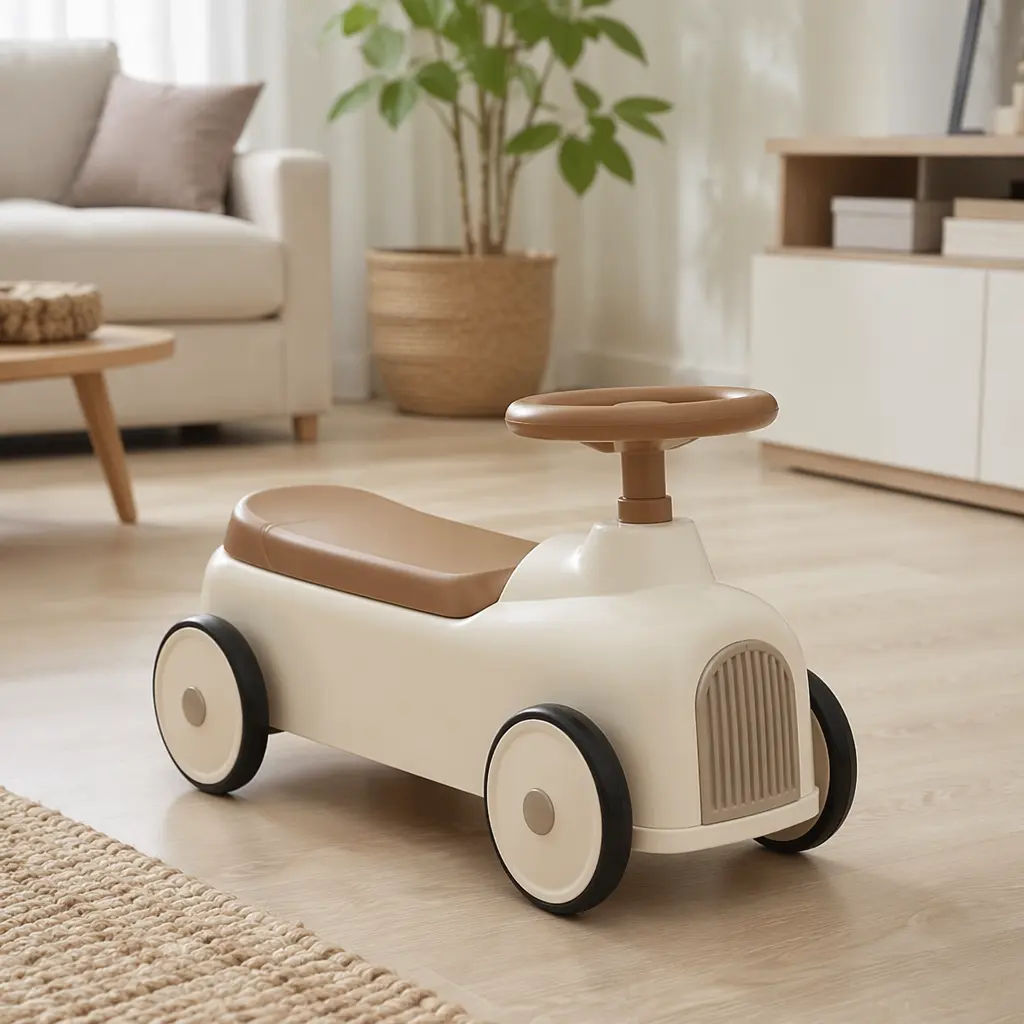
Ride-on toys don’t have to be complicated to be effective. For toddlers ages 1–2, the best options are often the simplest ones—sturdy, low-to-the-ground toys that let kids scoot, push, and explore on their own. These low-tech ride-ons support early balance, coordination, and confidence without buttons, batteries, or adult setup every time.
What to look for
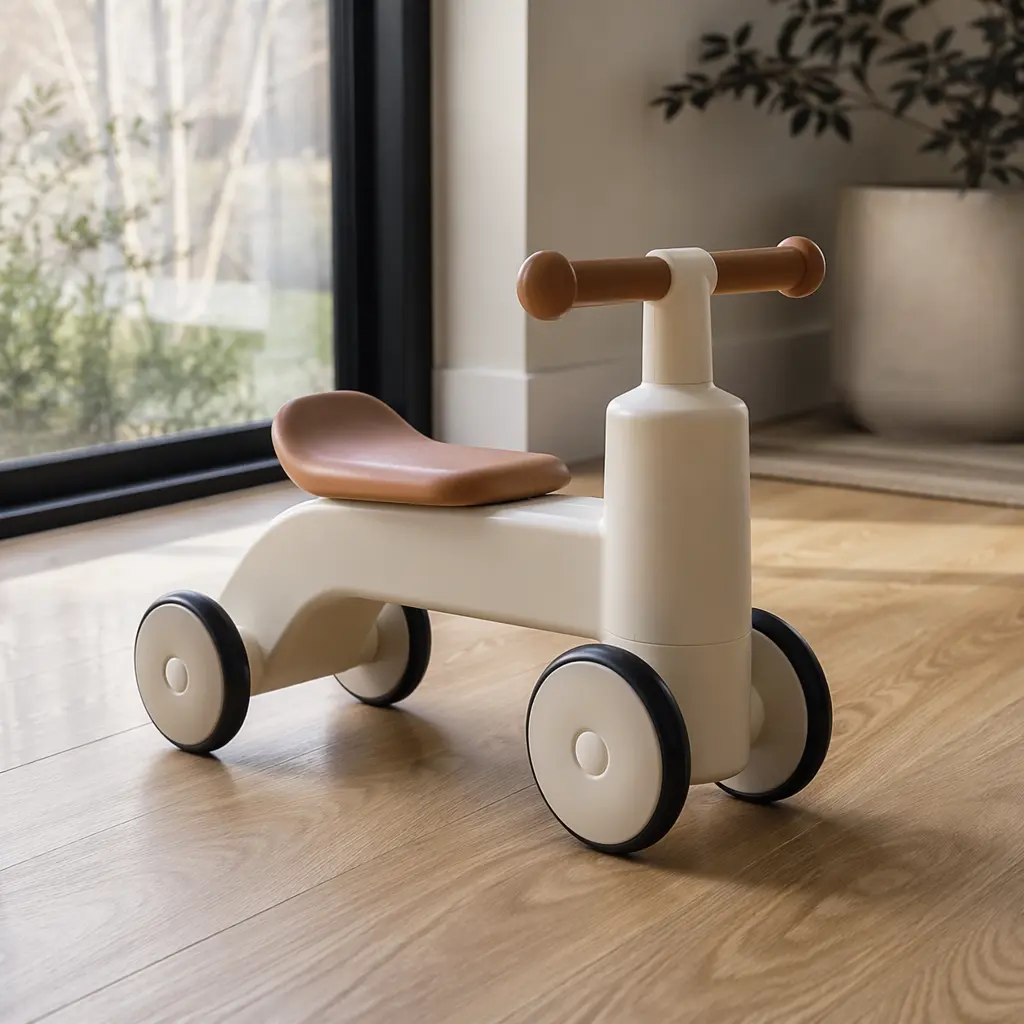
Toddlers in this age range are still mastering basic movement skills. A good ride-on toy should feel stable and intuitive, encouraging your child to climb on and move without frustration or frequent help.
- Low seat height so small feet can stay flat on the floor
- Wide wheelbase or base for stability during early balance
- Lightweight design that toddlers can move themselves
- Simple steering or no steering at all for early learners
- Durable materials that handle bumps, falls, and indoor use
- Smooth edges and enclosed wheels to reduce pinch points
Age suitability
For children 1–2 years old, ride-on toys work best when they match the child’s current mobility. Early walkers may prefer ride-ons they can push while standing, while more confident toddlers often enjoy sitting and scooting. Many toys marketed for “toddlers” start closer to age 2 or 3, so checking seat height, weight limits, and overall size is important. A properly sized ride-on lets a child climb on independently and stop safely using their feet.
Standout categories or types
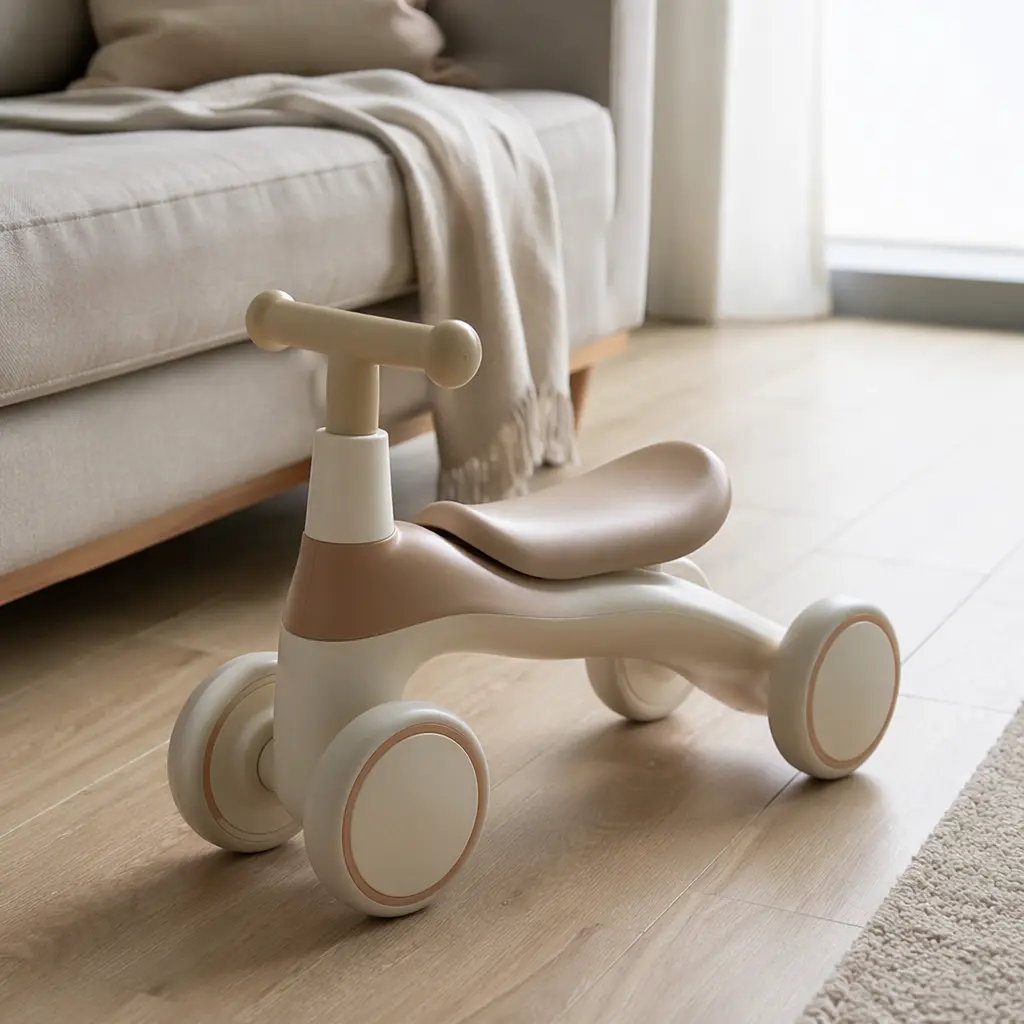
Low-tech ride-on toys generally fall into a few broad categories. Each supports independence in a slightly different way, depending on your toddler’s confidence and coordination.
- Push ride-ons: Designed for toddlers who are walking but still want support. These let kids push from behind or alongside.
- Sit-and-scoot ride-ons: Low seats and simple wheels allow toddlers to move forward using their feet, building leg strength and coordination.
- Four-wheel balance-style ride-ons: Extra stability for younger toddlers who are just learning to climb on and off.
- Rock-and-roll hybrids: Some simple ride-ons offer gentle rocking or rolling motion without complex mechanisms.
Across all categories, the common thread is simplicity. Fewer features usually mean fewer frustrations and more chances for a toddler to feel capable and in control during play.
Frequently asked questions
Do ride-on toys really help toddlers develop skills?
Yes. Simple ride-on toys encourage balance, coordination, and leg strength. They also support spatial awareness and confidence as toddlers learn they can move themselves from place to place.
Is steering necessary for a 1-year-old?
Not usually. Many younger toddlers do best with fixed or very limited steering. This reduces complexity and helps them focus on pushing and stopping safely.
Can ride-on toys be used indoors?
Most low-tech ride-ons are well suited for indoor use, especially those with smooth wheels and compact designs. Clear floor space and non-slip surfaces help prevent accidents.
What materials are best for toddler ride-ons?
Durable plastic and sealed wood are common choices. The key is a solid build with smooth finishes and easy-to-clean surfaces, regardless of material.
Simple ride-on toys give toddlers a chance to practice independence in a safe, age-appropriate way. By focusing on stability, size, and ease of use, parents can choose options that support early movement skills without overwhelming young riders or requiring constant adult involvement.