Bakugan: How magnetic marbles became a playground phenomenon
From anime tie-in to tactile strategy toy, Bakugan blended magnets, cards, and collectability into a modern classic that still clicks with kids—and nostalgic adults—today.
Compare prices and availability
Check current prices and availability for this guide on eBay.
As an eBay Partner, we may be compensated if you make a purchase.
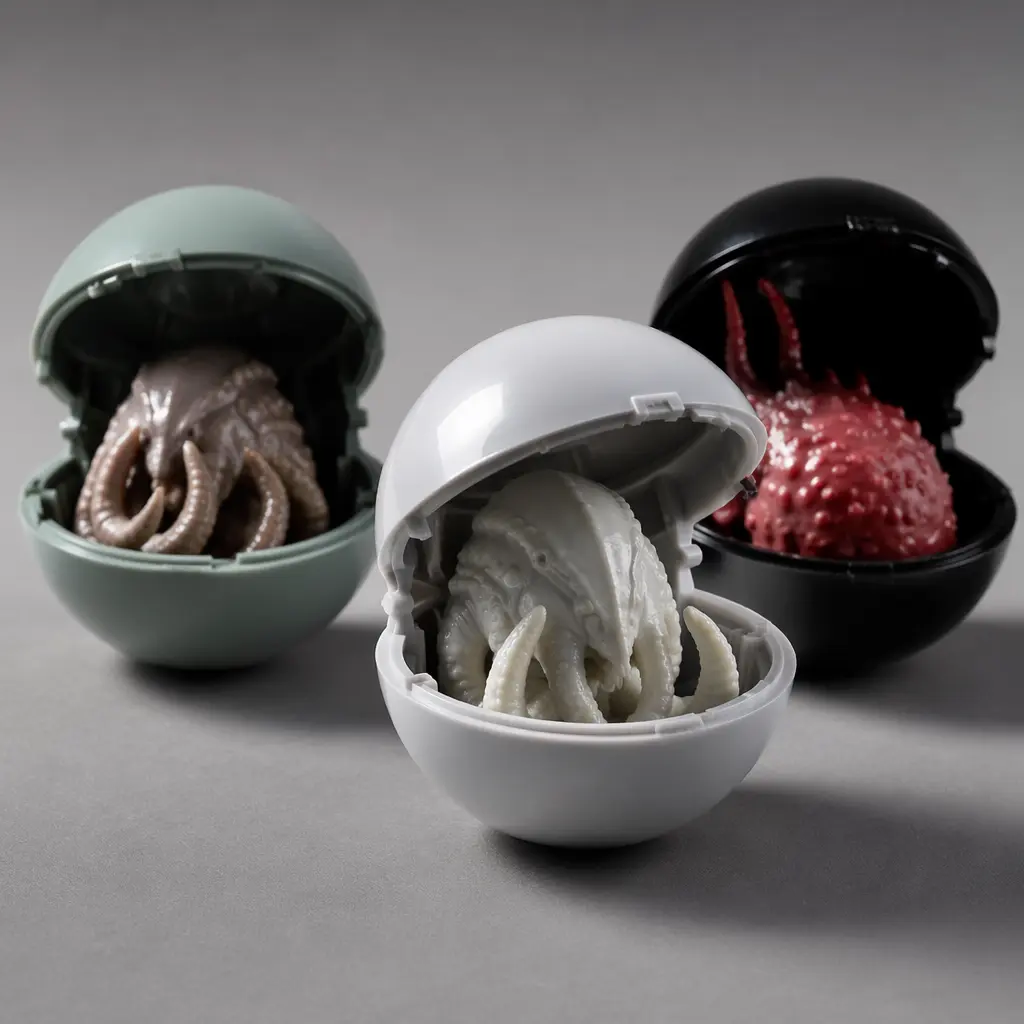
Bakugan arrived with a satisfying snap. Roll a marble across a card, hear the click, and watch it spring open into a creature. That simple physical moment—half toy, half trick—helped turn Bakugan into a playground obsession and a rare modern toy line that mixed action, strategy, and collectability without needing batteries.
Where it came from
Bakugan launched in 2007 as a collaboration between a Japanese toy maker and a Canadian media company. The idea was to create a toy that could live simultaneously as a game, a collectible, and a TV-friendly concept. The animated series helped explain the rules and give kids a shared language for play, but the physical design did much of the heavy lifting.
At its core, Bakugan was built around a clever magnetic mechanism. Each creature folded into a ball small enough to pocket, then sprang open when it contacted a metal card. That tactile reveal felt novel at the time, and it solved a practical problem: how to make creature figures portable without sacrificing drama.
Why it works
Bakugan’s staying power comes from how neatly its parts fit together. The toys reward hands-on play, the cards add light strategy, and the collectable aspect encourages trading and comparison. You can enjoy the snap-open action without knowing any rules, or you can lean into the game layer for more depth.
- Magnetic transformation that feels mechanical and surprising
- Pocket-sized design that encourages spontaneous play
- Simple card-based rules that scale from casual to competitive
- Distinct shapes and colors that make collecting intuitive
Importantly for parents, Bakugan sessions tend to be social. Kids roll, compare, and negotiate outcomes together, which helps the toy function as a shared activity rather than a solo screen replacement.
Who it's for
Bakugan is generally aimed at school-age kids who can handle small parts and basic rules. Younger children often enjoy the transformation aspect under supervision, while older kids and adults may appreciate the strategy and nostalgia. The toy family sits in that sweet spot where parents recognize the appeal and kids feel it’s “theirs.”
Variants and what to look for today
Over the years, Bakugan has gone through refreshes that tweak the rules, introduce new card types, or slightly redesign the toys. Modern releases tend to be sturdier, with smoother hinges and clearer instructions, while older versions are often sought after for their original feel.
If you’re shopping today, look for sets that include a mix of balls and cards so play can start immediately. Be cautious with very cheap bundles from unknown sellers; poorly aligned magnets or flimsy plastic can ruin the signature snap-open moment that defines the toy.
Frequently asked questions
Do you need the cards to enjoy Bakugan?
Not strictly. Many kids enjoy rolling and opening the toys without using cards. The cards add structure and replay value, but the core appeal works on its own.
Are older Bakugan compatible with newer ones?
Often yes at a basic level, especially for free play. Rule sets can differ between eras, so mixing generations may require agreeing on house rules.
Is Bakugan more about collecting or playing?
It balances both. Some kids focus on building a collection of favorite designs, while others lean into the game. The toy doesn’t force one approach.
Does it still appeal without watching the show?
Yes. While the series adds context, the physical toy is intuitive enough to stand alone, which is part of why it has endured beyond its TV moments.
Nearly two decades on, Bakugan remains a reminder that clever mechanics can outlast media cycles. Its success wasn’t just about timing—it was about giving kids something they could feel, master, and share.